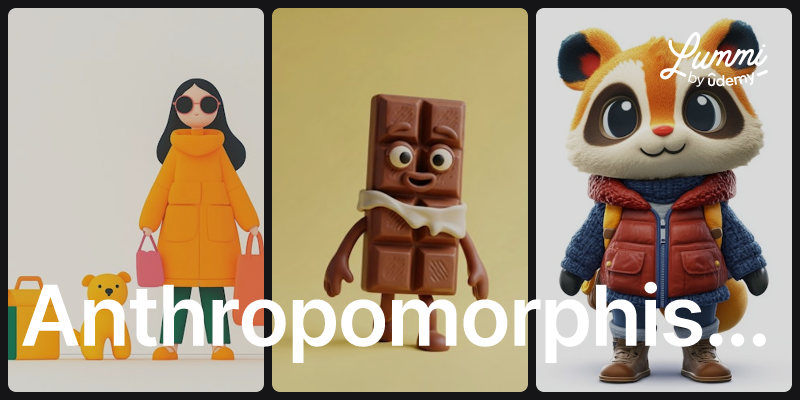
Animated films have long enchanted audiences by blurring the lines between the human and the animal, crafting worlds where foxes wear waistcoats, rabbits wield swords, and mice conduct orchestras. This recurring motif—anthropomorphism—isn’t merely a whimsical stylistic choice. It is a narrative alchemy, transforming the familiar into the extraordinary, and the ordinary into the profound. By endowing animals with human traits, animators don’t just tell stories; they invite us to see ourselves through the eyes of the wild, to question our place in the natural order, and to rediscover the world with fresh wonder. But why do animated films gravitate so persistently toward this device? The answer lies in a confluence of emotional resonance, cultural symbolism, and the unparalleled freedom of imagination that animation affords.
The Power of the Mirror: How Anthropomorphism Reflects Human Nature
At its core, anthropomorphism is a mirror held up to humanity. When a lion rules a jungle with regal authority or a fox outwits predators with cunning, we recognize not just the animal’s behavior, but our own. This reflection is disarming yet illuminating. It allows audiences—especially children, who are still forming their moral compasses—to explore complex emotions and dilemmas without the weight of human identity. A timid rabbit standing tall against a tyrant lion isn’t just a story about bravery; it’s a parable about overcoming personal fears. The animal guise acts as a buffer, softening the blow of heavy themes while sharpening their impact. In this way, anthropomorphic characters become vessels for universal truths, making abstract concepts like justice, loyalty, and redemption tangible and relatable.
Moreover, animals embody archetypes that transcend language and culture. The wise old owl, the cunning serpent, the loyal dog—these are not inventions of modern animation but echoes of ancient myths and folklore. By reviving these symbols in animated form, creators tap into a collective unconscious, a shared lexicon of meaning that resonates across generations. This archetypal resonance ensures that stories aren’t just heard; they’re felt, remembered, and passed down.
Breaking the Chains of Reality: The Liberating Potential of Animation
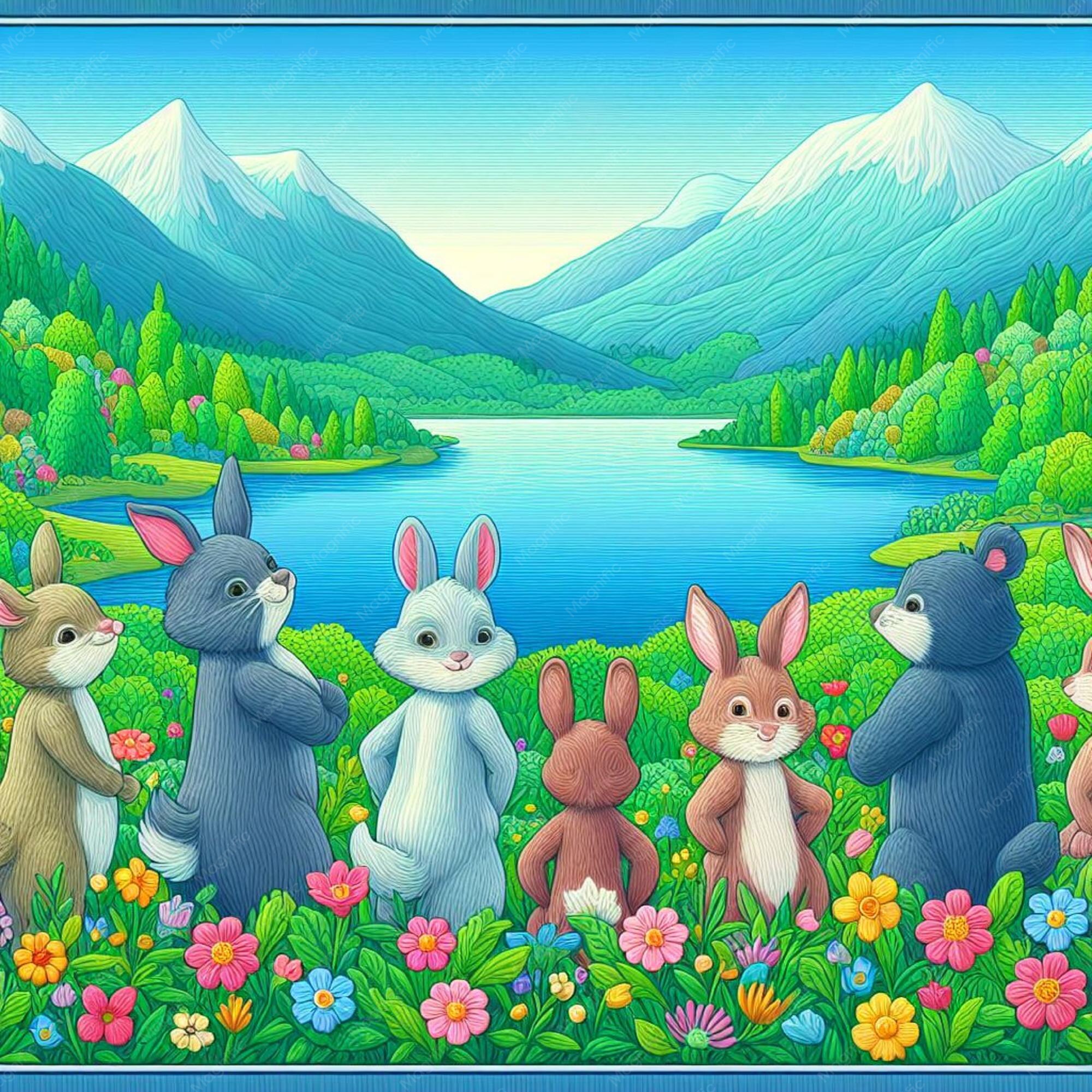
Animation, by its very nature, defies the constraints of physics and biology. It can make the impossible plausible: a mouse conducting a symphony, a cat piloting a spaceship, a bear brewing tea in the wilderness. Anthropomorphism amplifies this liberation. When animals speak, wear clothes, or build societies, the boundaries of what’s “real” dissolve. This imaginative freedom is particularly potent in storytelling, where the goal is not to replicate reality but to evoke emotion and provoke thought. A world where animals live like humans is a world where anything can happen—and where the audience is primed to believe in the extraordinary.
This liberation extends beyond the visual. It allows filmmakers to critique human society with surgical precision. By placing human flaws and virtues onto animal characters, animators can explore topics like greed, corruption, or environmental destruction without alienating viewers. A greedy crocodile hoarding treasure in a riverbank village becomes a sly commentary on capitalism. A forest ravaged by industrialization, seen through the eyes of displaced animals, becomes a poignant environmental allegory. The animal form becomes a Trojan horse, smuggling social commentary into the hearts of audiences who might otherwise resist overt moralizing.
The Language of Symbolism: Why Animals Speak Louder Than Words
Animals are nature’s most eloquent storytellers. Their physical traits—claws, wings, scales, fur—are loaded with symbolic meaning. A peacock’s dazzling plumage isn’t just beautiful; it’s a metaphor for vanity. A tortoise’s slow, steady pace isn’t just a plot device; it’s a lesson in patience. When these creatures are imbued with human agency, their symbolism becomes even more potent. A story about a deer leading a rebellion against hunters isn’t just about survival; it’s about resistance, freedom, and the cost of defiance. The animal’s natural attributes amplify the narrative’s emotional and thematic weight, making the story resonate on multiple levels.
This symbolic depth is especially valuable in children’s media, where complex ideas must be conveyed simply. A child may not fully grasp the concept of systemic oppression, but they understand the injustice of a bully taking away a smaller animal’s home. Anthropomorphism bridges the gap between simplicity and profundity, allowing young minds to grapple with big ideas in digestible forms. It’s a pedagogical sleight of hand: teaching without teaching, guiding without lecturing.

Escapism with Purpose: The Role of Fantasy in Emotional Catharsis
Fantasy, at its best, is not an escape from reality but a lens to examine it more clearly. Anthropomorphic animals provide a fantastical framework that allows audiences to process real-world emotions in a safe, controlled environment. Grief, joy, betrayal—these universal experiences feel less daunting when they’re experienced through the eyes of a fox mourning a lost friend or a bear celebrating a hard-won victory. The animal form acts as a buffer, cushioning the emotional impact while intensifying the catharsis.
This cathartic function is particularly evident in stories that tackle trauma or loss. A film where a young animal loses a parent might help a child process their own grief, offering a narrative structure to understand their pain. The animal’s journey—from denial to acceptance—mirrors the child’s emotional arc, providing both comfort and a roadmap for healing. In this way, anthropomorphism transforms storytelling into a form of emotional alchemy, turning sorrow into understanding and fear into courage.
The Evolution of Anthropomorphism: From Fables to Blockbusters
The use of anthropomorphic animals is as old as storytelling itself. Aesop’s fables, with their talking foxes and ants, were moral lessons disguised as entertainment. Centuries later, Disney’s Snow White and the Seven Dwarfs introduced us to the first animated animal sidekicks—dwarves with animal-like traits—blurring the line between human and beast. Today, the trend has evolved into a global phenomenon, from Studio Ghibli’s whimsical creatures to Pixar’s emotionally complex protagonists. This evolution reflects a growing recognition of animation’s power to convey depth and nuance, not just for children, but for audiences of all ages.
Modern animated films often push the boundaries of anthropomorphism further, playing with hybrid forms and surreal aesthetics. Characters like the shape-shifting fox in Fantastic Mr. Fox or the sentient toys in Toy Story (which, while not animals, share similar narrative functions) demonstrate how fluid the concept can be. The key is not just to make animals human-like, but to make them relatable—flawed, aspirational, and deeply human in their struggles.
Cultural Universality: Why Anthropomorphism Transcends Borders
One of the most remarkable aspects of anthropomorphic storytelling is its global appeal. Whether it’s the mythological animal spirits of Japanese folklore, the talking beasts of European fairy tales, or the trickster figures of Native American legends, the use of animals to convey human experiences is a universal language. This cross-cultural resonance makes anthropomorphic animation a powerful tool for fostering empathy and understanding across diverse audiences.
In an era of increasing globalization, animated films serve as cultural ambassadors, introducing audiences to new perspectives through familiar forms. A story about a panda navigating the complexities of identity might resonate with viewers in China and the United States alike, not because of shared experiences, but because of shared emotions. The animal guise becomes a neutral ground, a place where cultural differences dissolve in the face of universal truths.
The Future of Anthropomorphism: Innovation and Ethical Considerations
As animation technology advances, so too does the potential for anthropomorphism. Virtual reality, artificial intelligence, and interactive storytelling are opening new frontiers for how we engage with animal characters. Imagine stepping into the shoes of a fox in a fully immersive VR world, making choices that shape the narrative in real time. Or a film where AI-generated animal characters adapt their personalities based on audience reactions, creating a truly personalized experience. The future of anthropomorphism lies not just in static characters, but in dynamic, evolving relationships between humans and their animal counterparts.
Yet, with this innovation comes responsibility. As creators push the boundaries of what’s possible, they must also consider the ethical implications of their choices. How do we ensure that anthropomorphic animals aren’t reduced to stereotypes? How do we balance creativity with cultural sensitivity, especially when drawing from global mythologies? The challenge—and the opportunity—lies in using this powerful tool to uplift, not diminish, the stories and symbols it draws upon.
Ultimately, the enduring appeal of anthropomorphic animals in animation is a testament to their unparalleled ability to connect, challenge, and inspire. They are more than just characters; they are mirrors, teachers, and rebels. They remind us that the world is vast, mysterious, and full of stories waiting to be told—stories that, when told through the lens of the animal kingdom, become timeless.