In the evolving landscape of law and psychology, the concept of anthropomorphic legal entities—entities attributed with human-like qualities within legal frameworks—presents a fascinating intersection of cognitive science, legal theory, and social philosophy. Exploring this territory involves not only dissecting the psychological mechanisms underpinning human interaction with these entities but also understanding the broader implications for legal subjectivity and societal order. The psychology of anthropomorphic legal entities unravels the subtle dynamics of how we perceive, engage with, and ultimately integrate non-human actors into anthropocentric legal systems, challenging centuries-old paradigms.
The Cognitive Foundations of Anthropomorphism in Legal Contexts
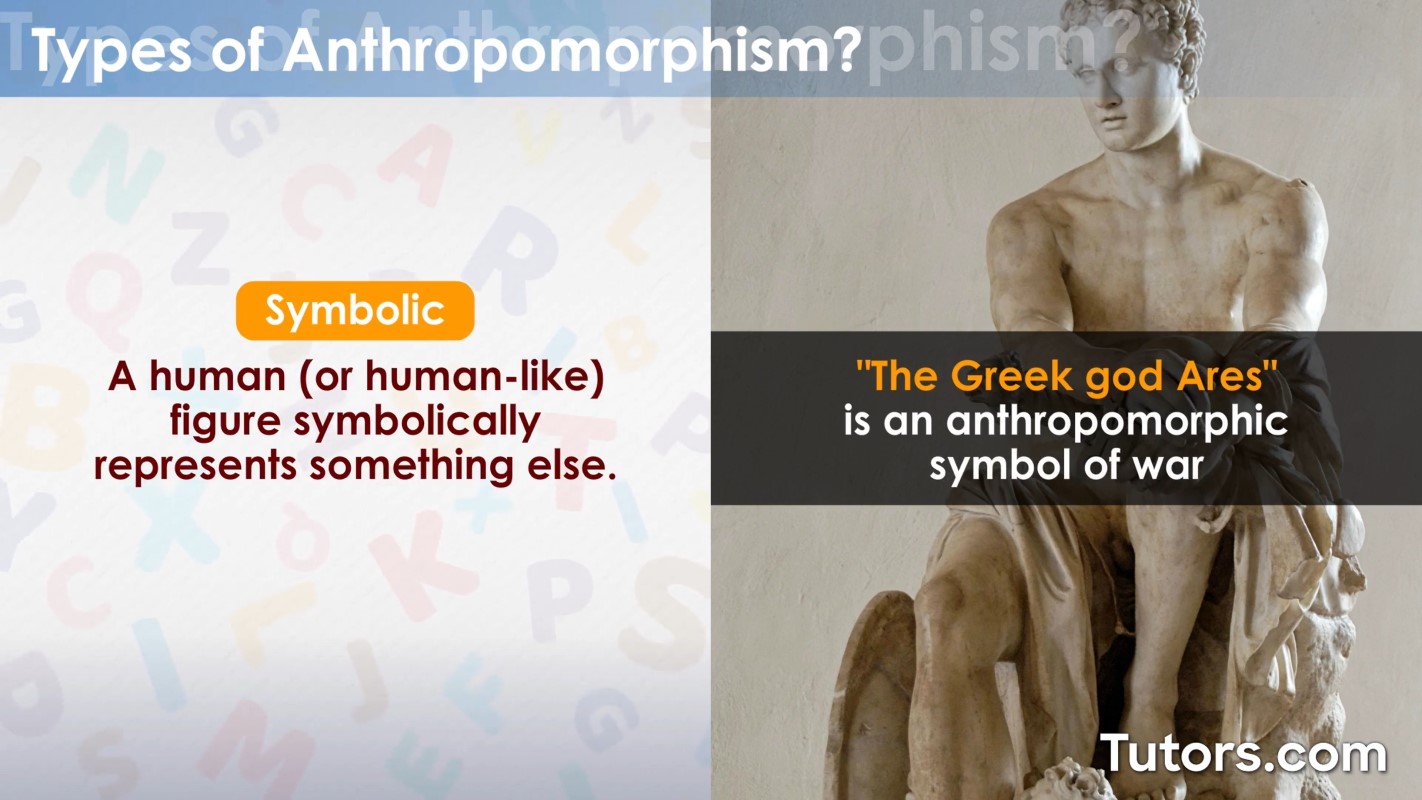
At the core of anthropomorphizing legal entities lies a cognitive process deeply ingrained in human psychology: the attribution of human traits, emotions, and intentions to non-human agents. This tendency, known as anthropomorphism, serves as a heuristic device, simplifying the complexity of interacting with abstract or non-sentient entities. When it comes to legal constructs—such as corporations, animals, or digital agents—this cognitive shortcut allows humans to navigate a complicated legal landscape by projecting familiar human characteristics onto entities that lack biological consciousness.
This cognitive framing is not merely a neutral mental exercise; it shapes attitudes, expectations, and behaviors toward these entities. Psychological research highlights that anthropomorphism enhances perceived agency and intentionality, which in turn influences moral judgments and legal accountability. Understanding these cognitive foundations is essential to grasp how legal systems adapt to, or resist, the integration of non-human actors into traditional human-centered frameworks.
Legal Personhood Beyond Humanity: Psychological Implications
The extension of legal personhood to non-human entities, such as corporations or even animals, calls upon a sophisticated intertwining of psychological acceptance and normative legal reasoning. Legally, personhood confers rights and responsibilities traditionally reserved for humans, yet psychologically, it triggers complex reactions rooted in social cognition and group dynamics.
One psychological dimension involves the challenge of reconciling established anthropocentric biases with the increasing recognition of non-human agents’ capacities. For example, attributing legal standing to animals necessitates a profound empathic engagement that confronts species-based hierarchies. Similarly, recognizing corporations as legal persons often evokes tensions between perceiving them as moral agents or mere instrumental tools.
These psychological underpinnings reveal why legal innovations in personhood often encounter resistance or ambivalence. They illuminate the emotional and cognitive dissonance that emerges when traditional human-centered paradigms are contested by the inclusion of alternative legal subjects, reshaping notions of justice and responsibility.
Anthropocentrism and Its Contestation in Legal Frameworks
Anthropocentrism—the privileging of human beings in the interpretation and application of law—forms the bedrock of many legal orders. It implicitly assumes that only humans possess the full spectrum of rights, responsibilities, and legal subjectivity. However, this anthropocentric stance is increasingly questioned, especially as ecological crises, technological advancements, and evolving ethical standards demand more inclusive legal recognition.
Psychologically, contesting anthropocentrism involves deconstructing entrenched cognitive schemas and expanding the moral circle to encompass non-human entities as deserving of legal consideration. This paradigm shift hinges on cognitive flexibility and moral reasoning that transcends anthropomorphic projections, moving towards a more universalistic ethic.
This transformative process is reflected in legal debates about recognizing animals’ legal rights, attributing personhood to artificial intelligence, and safeguarding natural entities such as rivers or ecosystems. Understanding the psychological resistance and acceptance dynamics behind this contestation is pivotal for envisioning future legal frameworks that embrace pluralistic subjectivity and ecological interconnectedness.
Emotional Resonance and Moral Agency in Non-Human Legal Entities
Emotions play a critical role in shaping legal perceptions and decisions. When non-human entities are anthropomorphized within legal realms, emotional resonance becomes a powerful catalyst for empathy, outrage, or moral concern. This emotional engagement, in turn, influences legislative reforms, judicial rulings, and public discourse surrounding legal personhood.
Psychologically, the attribution of moral agency to these entities challenges conventional boundaries by blurring lines between sentient human actors and instrumental non-human subjects. The recognition of animals as victims of cruelty laws or the extension of rights to environmental entities reflects an evolving moral sensibility that transcends strict human exceptionalism.
Moreover, emotional narratives surrounding anthropomorphic legal entities often mobilize social movements and advocacy campaigns, harnessing affective power to reconfigure social values and legal norms. Appreciating this emotional dimension is essential to comprehending the nuanced interplay between law, psychology, and cultural evolution.
Technological Evolution: AI and the Emergence of Digital Legal Persons
The rise of artificial intelligence and autonomous systems introduces unprecedented complexity to the discourse on anthropomorphic legal entities. As AI agents grow increasingly sophisticated, questions about their legal status intensify—can they be considered legal subjects, capable of rights and obligations? How should human societies psychologically and legally engage with entities devoid of biological life but exhibiting autonomy and decision-making capacity?
This intersection invites profound psychological inquiry into how humans anthropomorphize technology, attributing intentionality and moral agency despite the underlying algorithmic determinism. The challenge lies in distinguishing metaphorical personification from substantive legal recognition, while addressing anxieties and expectations that technological persons provoke.
Consequently, legal systems are compelled to carefully navigate the balance between facilitating innovation and maintaining accountability, all within a psychological landscape marked by both fascination and apprehension toward digital entities. This ongoing evolution exemplifies the dynamic interplay between human cognition, social constructs, and legal innovation.
Future Directions: Integrating Psychological Insights into Legal Reforms
Anticipating the trajectory of anthropomorphic legal entities necessitates integrating psychological insights into legal reform processes. Understanding how humans cognize, emotionally relate to, and morally evaluate non-human legal actors can inform the design of laws that are both effective and socially resonant.
Legal innovation must consider cognitive biases, emotional responses, and cultural narratives that influence public acceptance of expanded legal personhood. Educational initiatives, public discourse, and interdisciplinary research can facilitate this integration, fostering a legal environment more attuned to the complexities of contemporary societal and ecological realities.
Ultimately, embracing the psychological dimensions of anthropomorphic legal entities can pave the way for more nuanced, equitable, and responsive legal systems. These systems will not only accommodate diverse forms of legal subjectivity but also reflect the evolving human understanding of identity, agency, and justice in a rapidly transforming world.