The act of naming inanimate objects—from vintage automobiles to the latest smartphones—is a practice as old as language itself. Yet, in an era dominated by sleek, impersonal technology, why do we still insist on bestowing human names upon our gadgets and vehicles? This seemingly trivial habit reveals deeper psychological and cultural currents, exposing our innate tendency to anthropomorphize the world around us. By examining the roots of this phenomenon, we uncover not just a quirk of human behavior, but a window into how we relate to the objects that shape our lives.
The Psychological Pull: Why Names Feel Like Companionship
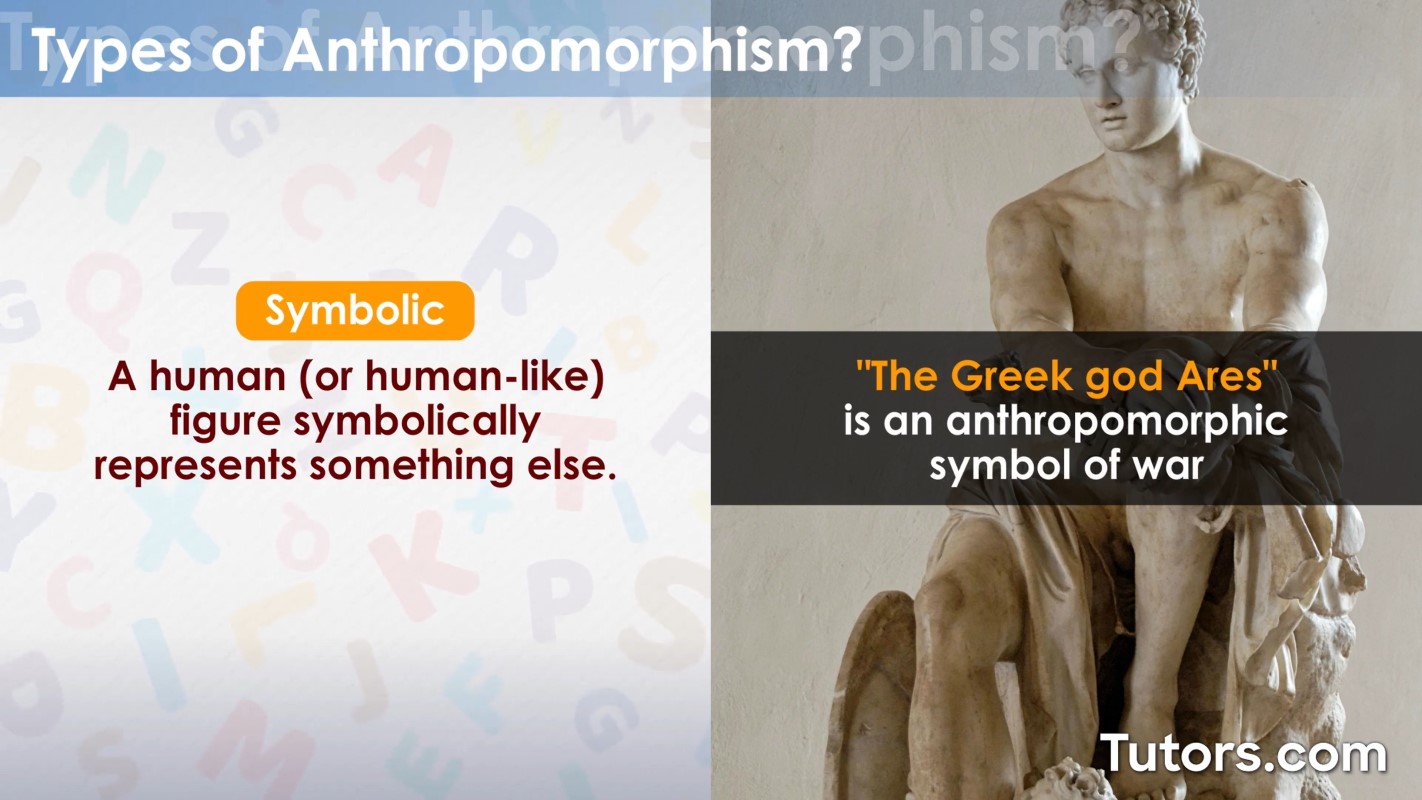
At its core, anthropomorphism—the attribution of human traits to non-human entities—is a cognitive shortcut our brains use to make sense of the unfamiliar. When we name a car “Bessie” or a laptop “Clara,” we’re not just labeling; we’re forging a connection. Psychologists suggest this stems from our evolutionary need for social interaction. Objects that serve us daily become extensions of our routines, and naming them transforms them from mere tools into quasi-social entities. The phenomenon is particularly pronounced in machines that mimic human behavior, such as voice-activated assistants or self-driving cars, which blur the line between tool and companion.
Consider the way a name softens the edges of an otherwise cold, mechanical device. A car isn’t just a hunk of metal and plastic; it’s “Henry,” a loyal steed that ferries us through traffic jams and road trips alike. This linguistic alchemy turns utility into intimacy, making the mundane feel personal. Studies in consumer behavior confirm that named products often elicit stronger emotional responses—users report feeling more attached, more forgiving of flaws, and even more willing to invest in repairs or upgrades. The name becomes a vessel for our hopes, frustrations, and even our identities.
The Cultural Tapestry: Names as Mirrors of Society
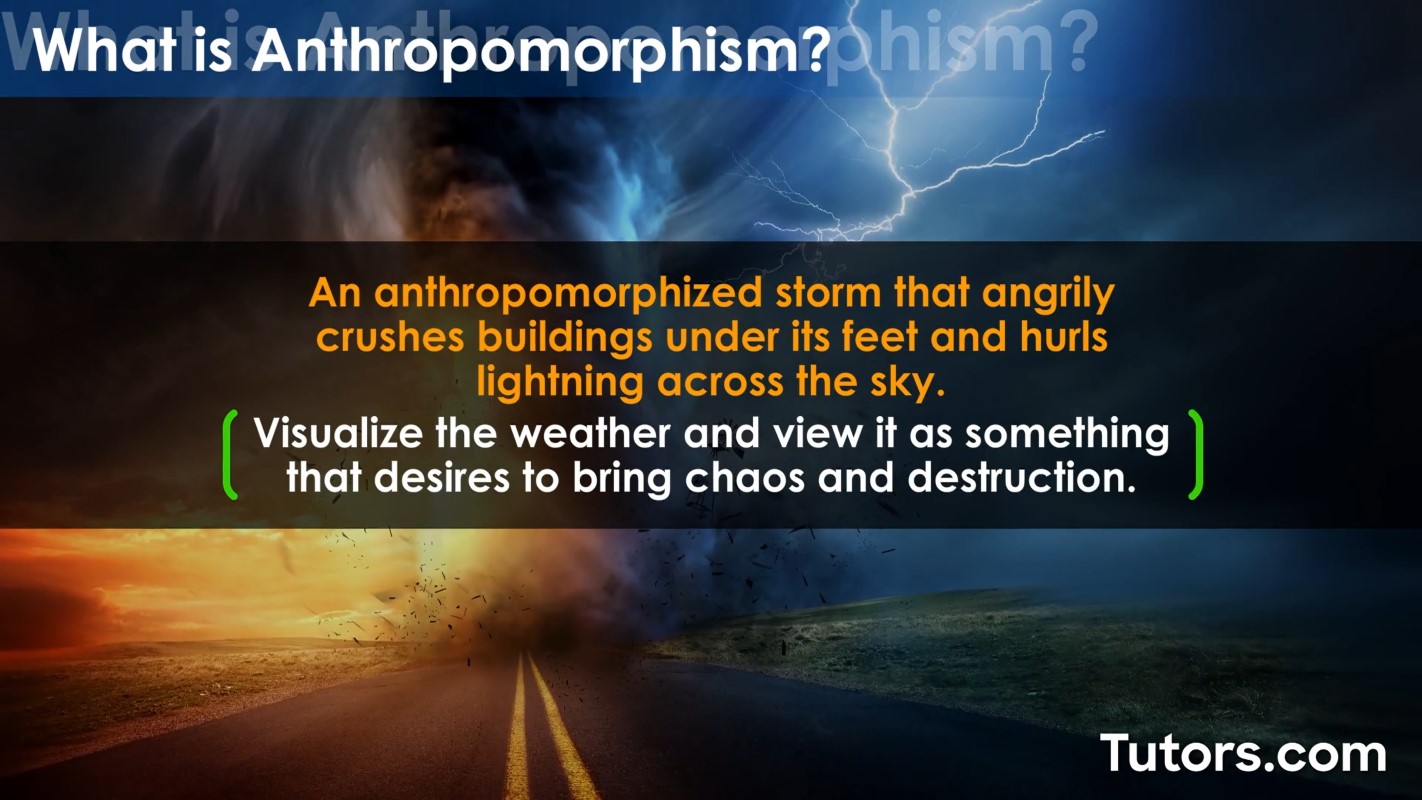
Naming objects isn’t just a psychological quirk; it’s a cultural artifact that reflects societal values and historical contexts. In maritime traditions, ships were once considered living beings, christened with elaborate ceremonies to honor their “souls.” This practice underscored the belief that vessels carried not just cargo, but the fates of those aboard. Today, we see echoes of this in the naming of spacecraft—like NASA’s *Perseverance* rover—or even hurricanes, where each storm is given a human name to humanize its destructive power.
Similarly, the naming of cars in the early 20th century mirrored the era’s fascination with speed and individualism. Henry Ford’s Model T, the “Tin Lizzie,” became a cultural icon not just for its affordability, but for the personalities bestowed upon it by its owners. The practice persists in modern car culture, where muscle cars are often named after mythological figures (*Hercules*, *Medusa*) or pop culture icons (*KITT* from *Knight Rider*). These names aren’t random; they’re carefully chosen to evoke strength, speed, or even rebellion—qualities we admire in humans.
Gadgets, too, have become canvases for cultural expression. Smartphones named after celestial bodies (*Galaxy*, *Nexus*) or mythical creatures (*Phoenix*, *Dragon*) tap into archetypes that resonate across generations. The names serve as a bridge between the functional and the fantastical, allowing users to project their aspirations onto their devices. In this way, naming becomes a form of self-expression, a way to declare, “This is not just a phone—it’s *my* phone, with a story and a purpose.”
The Emotional Economy: How Names Shape Our Relationships with Objects
Objects acquire emotional value through the stories we attach to them, and names are the first chapter of those stories. A car that’s been in a family for decades isn’t just a vehicle; it’s “Old Faithful,” a witness to birthdays, road trips, and near-misses on icy highways. The name immortalizes the object’s role in our lives, turning it into a silent confidant. Similarly, a laptop named “Atlas” might carry the weight of a thesis project or a startup’s early days, its name a reminder of perseverance.
This emotional economy is particularly evident in the naming of tools and instruments. Musicians often name their guitars (*Lucille* for B.B. King’s beloved instrument, *Blackie* for Eric Clapton’s Stratocaster) because the instrument becomes an extension of their creative identity. The name isn’t just a label; it’s a testament to the bond between creator and creation. In this context, anthropomorphism isn’t frivolous—it’s a recognition of the symbiotic relationship between user and object.
Even in failure, names play a role. A car that breaks down repeatedly might earn a sarcastic nickname (*”The Lemon”*), while a malfunctioning gadget could be dubbed *”Glitch”* or *”Frankenstein.”* These names aren’t just humorous; they’re coping mechanisms, ways to acknowledge the object’s imperfections while still claiming it as part of our lives. The act of naming, then, is as much about control as it is about affection—it allows us to domesticate the unpredictable.
The Future of Naming: From Tools to Digital Companions
As technology advances, the line between tool and companion blurs further. Voice assistants like Siri and Alexa are already given personalities, their names and voices designed to feel almost human. The rise of AI-driven robots—from Roombas to humanoid companions—will likely intensify this trend. If we name our Roomba *”Wall-E”* or our smart speaker *”JARVIS,”* it’s not just whimsy; it’s a reflection of our growing comfort with machines that mimic human interaction.
This future raises intriguing questions. Will we one day name our self-driving cars with the same reverence we reserve for pets? Could a robot vacuum become a family member, its name passed down through generations? The practice of anthropomorphism may evolve from a quirky habit into a necessity, as our reliance on intelligent machines deepens. Already, some researchers suggest that naming AI could improve user compliance and trust—after all, it’s easier to forgive a machine that “misbehaves” if it has a name and a backstory.
The deeper implication is that our need to name objects reveals a fundamental truth about human nature: we are storytelling creatures. Whether it’s a 1967 Mustang or a 2024 smartphone, the names we choose are never just labels. They are the first drafts of the narratives we live by—stories of loyalty, humor, resilience, and even love. In a world that often feels increasingly disconnected, these names are tiny acts of defiance, proof that even in the age of algorithms, we still crave connection.

Anthropomorphism isn’t just about making objects feel familiar—it’s about making them feel *human*. And in doing so, we remind ourselves that our tools, our machines, and even our gadgets are never truly separate from the stories we tell.