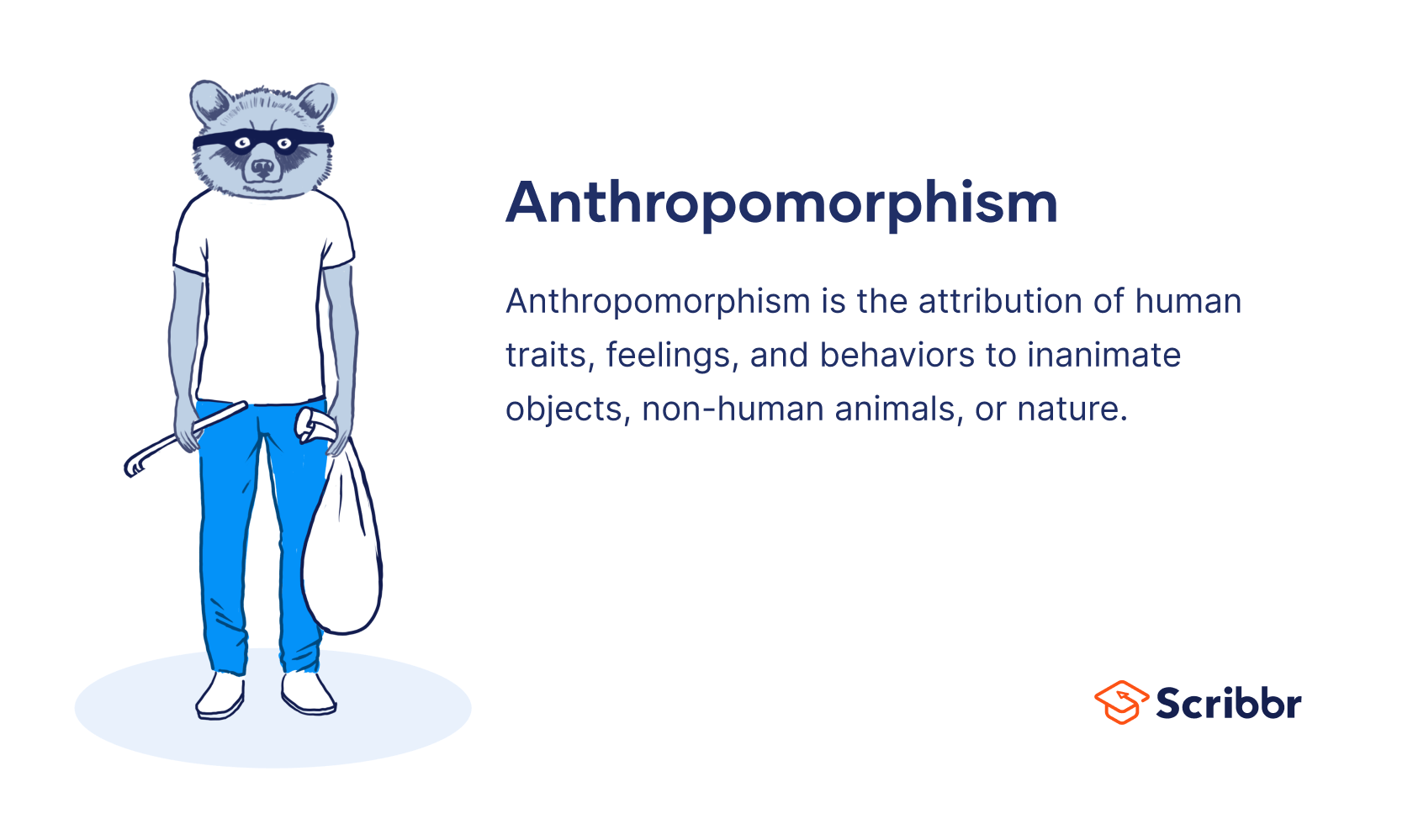
In the cacophony of digital inboxes, where promotional emails jostle for attention like commuters in a rush-hour subway, anthropomorphism emerges as a silent yet potent disruptor. It’s the art of lending human traits to non-human entities—your brand’s email campaigns, in this case—transforming cold, transactional messages into relatable, almost sentient conversations. When wielded with finesse, anthropomorphism doesn’t just capture attention; it forges emotional connections, turning subscribers into loyal advocates. This narrative journey explores how to harness this technique to infuse your email marketing with warmth, intrigue, and a disarming shift in perspective.
The Alchemy of Personification: Why Anthropomorphism Works in Emails
At its core, anthropomorphism is a psychological sleight of hand. By imbuing your brand with human characteristics—curiosity, humor, vulnerability, or even mischief—you dismantle the impersonal facade that plagues digital communication. Emails cease to be mere notifications; they become missives from a friend, a mentor, or a quirky confidant. Consider the difference between a subject line that reads “Our Summer Sale Starts Now!” and one that whispers, “I’ve been waiting all season to tell you about this…” The latter doesn’t just promise a discount; it promises a secret shared between intimates.
Neuroscience backs this up. Studies suggest that anthropomorphism triggers the same brain regions activated by real human interaction, fostering trust and likability. When your email “speaks” with a distinct personality—whether it’s the wry wit of a late-night radio host or the earnest enthusiasm of a neighbor sharing a life hack—you’re not just selling a product. You’re inviting your audience into a micro-narrative where they play the starring role.
Crafting a Persona: The Foundation of Anthropomorphic Emails
Before you can anthropomorphize your emails, you must first sculpt the entity they represent. This persona isn’t a static avatar; it’s a dynamic character with its own quirks, backstory, and evolving relationship with your subscribers. Start by asking: Who is this entity? Is it a wise old sage dispensing timeless advice? A rebellious underdog challenging industry norms? A playful trickster leaving cryptic clues in subject lines?
For instance, a fitness brand might adopt the persona of a gruff but lovable gym trainer who doesn’t just recommend protein shakes but “demands” you try them after a grueling workout. The tone here is authoritative yet affectionate, blending discipline with camaraderie. The key is consistency—your persona should feel like a recurring guest star in your subscribers’ lives, not a one-off impression.
Visual identity reinforces this. A mascot, a signature font, or even a recurring color palette can serve as shorthand for your brand’s anthropomorphic traits. Think of Mailchimp’s Freddie the Monkey, whose playful antics make the brand feel less like a corporate tool and more like a mischievous sidekick.
Subject Lines That Whisper: The Art of Curiosity-Driven Anthropomorphism
Subject lines are the first brushstroke of your anthropomorphic masterpiece. They must do more than summarize content; they must intrigue, tease, or even startle the reader into a moment of pause. Anthropomorphism thrives in ambiguity and personality. Instead of “Your Exclusive 20% Off Coupon”, try “I’ve been holding onto this for you…” or “Your inbox just got a little nosier.”
Consider the power of second-person perspective. Addressing the reader directly—“You won’t believe what I found for you”—creates an illusion of intimacy, as if the email itself is an eager friend sharing a discovery. For a more dramatic effect, use rhetorical questions or provocative statements: “What if your to-do list could talk? It’d say this tool is a lifesaver.”
Curiosity gaps are your allies here. Leave just enough unsaid to compel clicks without resorting to clickbait. A subject line like “The secret my competitors don’t want you to know” doesn’t just promise value; it promises a revelation, a shift in perspective that feels almost forbidden.
Body Copy That Converses: Writing Like a Human, Not a Corporation
The body of your email is where anthropomorphism truly comes alive. Ditch the corporate jargon and sterile bullet points. Instead, write as if you’re addressing a friend over coffee. Use contractions, fragments, and even emojis to mimic natural speech. A sentence like “We’re not just selling you a gadget—we’re handing you the keys to a whole new way of doing things.” feels less like a sales pitch and more like a heartfelt recommendation.
Vary your sentence structure to mimic the ebb and flow of human conversation. Short, punchy sentences create urgency; longer, meandering ones build suspense. Sprinkle in humor, self-deprecation, or even mild frustration to humanize your brand. For example: “Yes, I’m nagging you about this sale. Sue me.” or “I stayed up late just to make sure you got the best deal—you’re welcome.”
Personalization goes beyond inserting a first name. Tailor the tone to the recipient’s past behavior. A subscriber who frequently engages with your content might receive a witty, conversational email, while a lapsed customer could get a more earnest, almost pleading message: “We miss you. Let’s fix that.”
Visual Storytelling: When Images and GIFs Do the Talking
Anthropomorphism isn’t confined to text. Visuals can amplify your message by giving your brand a face, a gesture, or a mood. A GIF of a cartoon character slapping their forehead in exasperation can underscore a point about a common customer frustration. An illustrated mascot “reacting” to a new product launch—rolling its eyes in mock disbelief or pumping its fist in triumph—adds layers of personality.
Even static images can anthropomorphize your brand. A photo of a product being “used” by a human-like hand (e.g., a coffee mug cradled tenderly) or a background element that subtly mimics a face (e.g., a shadow forming a smile) creates subconscious emotional triggers. The goal is to make your email feel like a scene from a larger story, one where your brand is an active participant.
Interactive Anthropomorphism: Emails That Respond to the Reader
The pinnacle of anthropomorphic email marketing is interactivity—emails that seem to listen and react to the reader’s actions. This could be as simple as a dynamic subject line that changes based on the time of day (“Good morning, night owl” for late-night openers) or a quiz embedded in the email that “learns” about the reader’s preferences. For example, a beauty brand might ask, “What’s your skin’s mood today?” and tailor product recommendations accordingly.
Polls and quizzes aren’t just engagement tools; they’re opportunities to make the reader feel like the email is a dialogue, not a monologue. A subject line like “Tell me what you really think…” invites participation, while the email itself could respond with a playful “Aha! So you’re Team Coffee over Team Tea, huh?” This creates a feedback loop where the reader feels heard, and your brand feels responsive.
Another tactic is to use conditional content blocks that adapt based on the reader’s past behavior. A subscriber who abandoned their cart might receive an email from a “concerned friend” asking, “Everything okay? I noticed you left something behind…” The tone shifts from salesy to empathetic, leveraging anthropomorphism to soften the ask.
The Pitfalls: When Anthropomorphism Backfires
Not all attempts at anthropomorphism land gracefully. Overdoing it can veer into creepiness—imagine an email that feels like it’s stalking you, or a persona that’s so exaggerated it comes off as insincere. The key is balance. Your brand’s human traits should feel authentic, not forced. If your persona is a sassy teenager, commit to it fully; if it’s a professional advisor, avoid slang that undermines credibility.
Another risk is inconsistency. If your email starts with a playful tone but abruptly shifts to corporate-speak, the anthropomorphic illusion shatters. Every element—from the subject line to the footer—should reinforce the same persona. Test your emails with a small group first to gauge reactions. Does the tone feel natural? Does the persona resonate, or does it feel like a costume that’s slightly too tight?
Avoid anthropomorphism that feels gimmicky or irrelevant to your audience. A luxury brand adopting a clownish persona might confuse high-end consumers, while a playful brand using overly formal language could alienate its core demographic. Always align your persona with your brand’s values and your audience’s expectations.
The Long Game: Building a Relationship, Not Just a List
Anthropomorphism in email marketing isn’t a one-off trick; it’s a relationship-building strategy. The goal isn’t just to get opens and clicks but to cultivate a sense of loyalty where subscribers look forward to your emails like they would a letter from a close friend. This requires patience and a willingness to let the persona evolve alongside your audience.
Consider a welcome series that introduces your brand’s persona gradually. The first email might be a lighthearted introduction: “Hi there! I’m [Brand Name], and I’ve got a confession—I’m a little obsessed with [industry topic].” Subsequent emails could deepen the relationship, sharing behind-the-scenes stories, customer spotlights, or even playful challenges (e.g., “Can you guess what I’m hinting at in this GIF?”).
Over time, your subscribers won’t just recognize your emails; they’ll anticipate them. They’ll start to see your brand as a character in their daily lives, one they trust, laugh with, and rely on. And in a world where inboxes are overflowing with noise, that’s a shift in perspective worth investing in.