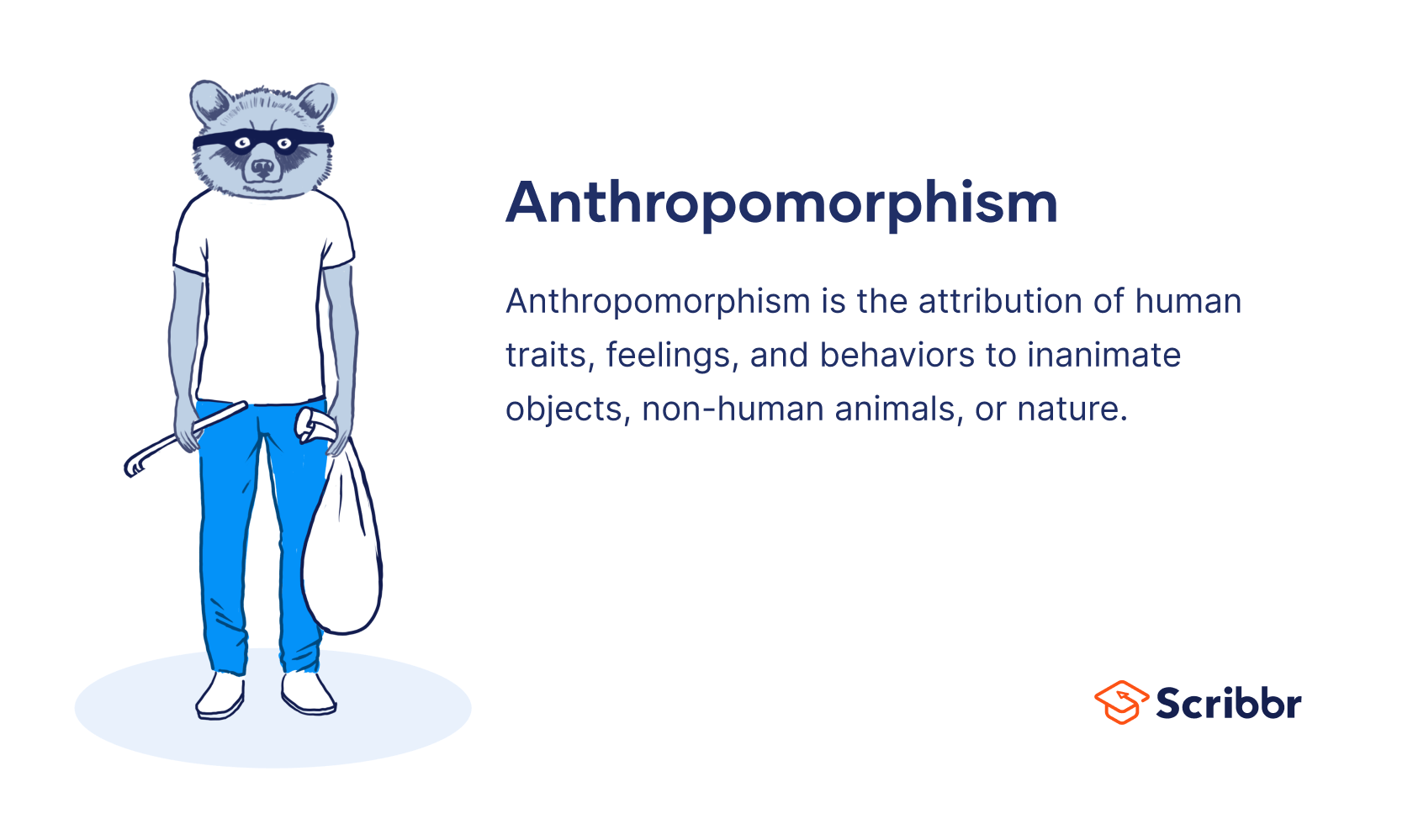
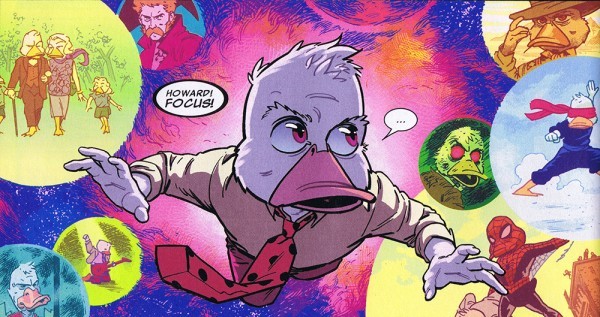
In the vast digital landscape where attention spans flicker like candle flames in a draft, one phenomenon consistently captivates audiences: anthropomorphism. The tendency to attribute human traits, emotions, or intentions to non-human entities—be it a mouse in a gallery, an AI chatbot, or even a corporate logo—has become a cornerstone of modern engagement strategies. But why does this practice resonate so deeply? The answer lies not just in the novelty of seeing humanity reflected in the inanimate, but in the psychological undercurrents that make such connections feel almost instinctive.
The Allure of the Familiar: Why We Embrace the Human-Like
At its core, anthropomorphism is a cognitive shortcut—a way for our brains to process complexity by framing it in relatable terms. When a brand adopts a mascot with human-like expressions, or when a virtual assistant responds with conversational nuance, we instinctively lower our guard. This isn’t mere whimsy; it’s an evolutionary adaptation. Studies suggest that our brains are wired to detect agency, even where none exists, as a survival mechanism. A rustling bush might be the wind—or a predator. Better to assume the worst and react accordingly. In the digital realm, this translates to an almost involuntary trust when confronted with the familiar contours of human interaction.
Consider the humble chatbot. Once a clunky, script-bound novelty, today’s AI assistants greet users with empathetic phrasing, humor, and even self-deprecating wit. The result? A user experience that feels less like interacting with code and more like conversing with a colleague. This isn’t just clever programming—it’s a psychological bridge. By cloaking algorithms in the veneer of humanity, creators tap into our innate desire for connection, even in the most transactional of exchanges.
The Paradox of Proximity: How Close is Too Close?
Yet anthropomorphism is a double-edged sword. The closer an entity mimics humanity, the more discerning our expectations become. This phenomenon, known as the uncanny valley, reveals a critical tension: when a non-human entity appears almost—but not quite—human, it triggers discomfort rather than affinity. A chatbot with a voice too smooth, a mascot with eyes that linger a second too long—these subtle missteps can evoke unease, as if we’ve glimpsed a reflection that isn’t quite our own.
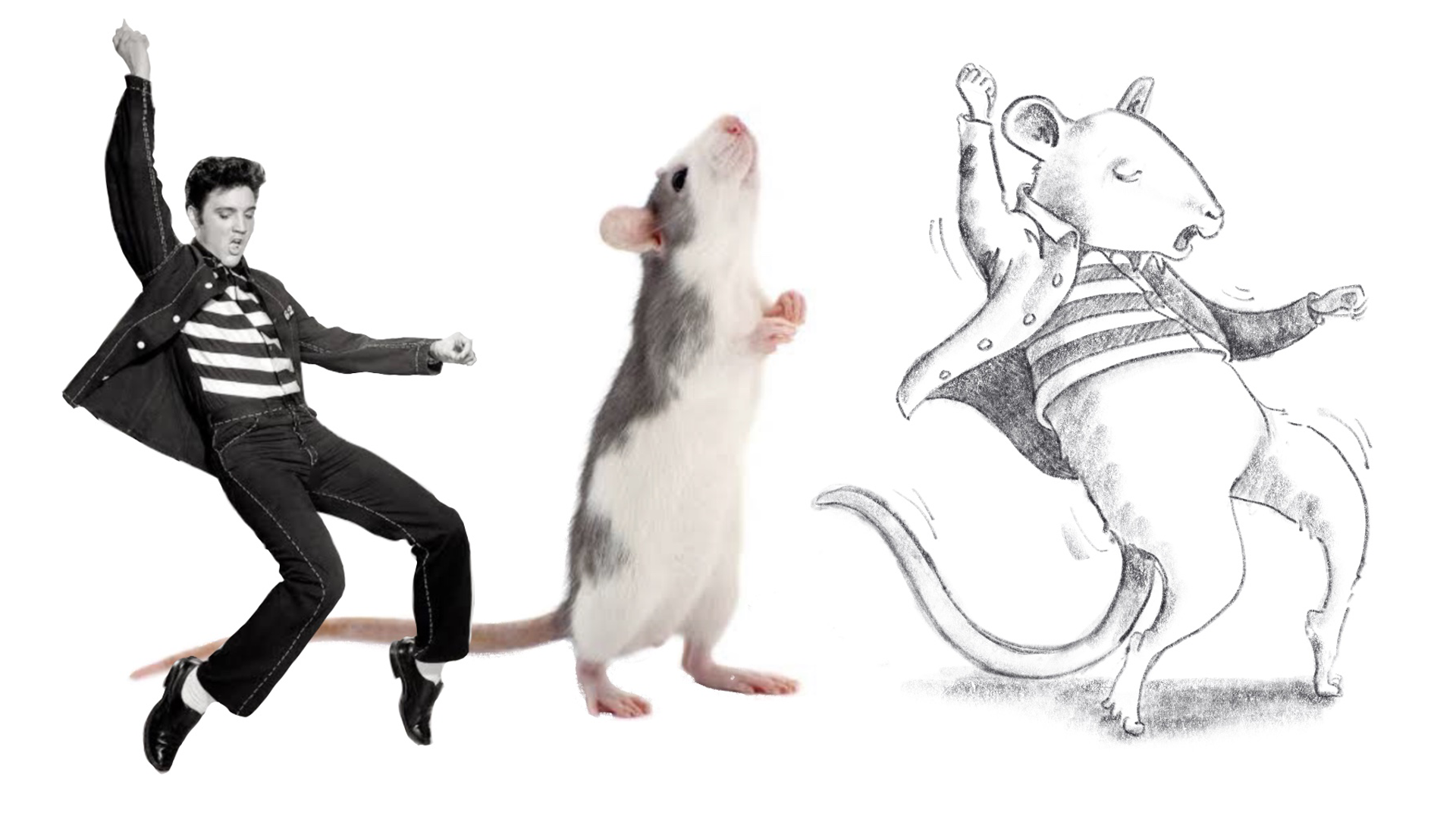
This paradox underscores a deeper truth about engagement: authenticity matters more than perfection. A deliberately stylized avatar, like the whimsical mouse in the gallery, invites warmth without demanding realism. In contrast, a poorly executed humanoid robot might repel rather than attract. The key lies in balance—enough humanity to foster connection, but enough abstraction to preserve the magic of the non-human. Brands that navigate this tightrope successfully often do so by embracing imperfection, as seen in the playful quirks of animated characters or the idiosyncratic quirks of AI-generated text.
Emotion as Currency: The Role of Empathy in Engagement
Anthropomorphism doesn’t just make interfaces feel friendly—it makes them memorable. When a user anthropomorphizes a brand, they don’t just see a product; they see a character with motives, flaws, and a narrative arc. This emotional investment transforms passive consumption into active participation. A customer isn’t just buying a coffee; they’re engaging with the barista who “knows their order by heart.” A reader isn’t just skimming an article; they’re conversing with an author who “speaks directly to them.”
This emotional alchemy is particularly potent in storytelling. Consider the rise of interactive fiction, where readers influence plot outcomes, or the viral success of AI-generated poetry that feels eerily personal. In each case, anthropomorphism bridges the gap between creator and audience, turning abstract ideas into tangible relationships. The deeper the emotional resonance, the more likely the audience is to share, revisit, or even defend the content—behavior that algorithms reward with visibility.

The Illusion of Control: Why We Prefer Puppeteers to Puppets
There’s a subtle power dynamic at play in anthropomorphism: the user often feels in control, even when they’re not. A well-designed chatbot doesn’t dictate terms; it guides the conversation, offering choices and validating responses. This illusion of agency is intoxicating. In an era of algorithmic opacity, where users are bombarded with opaque recommendations and impersonal notifications, the ability to “converse” with a digital entity feels like reclaiming autonomy.
This dynamic explains the enduring appeal of virtual influencers—AI-generated personas with curated personalities that interact with followers as if they were peers. Unlike traditional celebrities, these entities are malleable, their personas shaped by real-time data and user feedback. The result is a relationship that feels reciprocal, even when it’s entirely one-sided. For brands, this is a masterclass in engagement: by anthropomorphizing their digital presence, they transform customers into collaborators.
Beyond the Screen: Anthropomorphism in the Physical World
The principles of anthropomorphism extend far beyond pixels and code. In retail, anthropomorphic packaging—think of a cereal box with a face or a water bottle with “smiling” eyes—has been shown to increase sales by up to 30%. The effect is psychological: our brains associate the human-like features with care, quality, or even humor, subtly influencing purchasing decisions. Even in architecture, buildings with curved, face-like facades are perceived as more inviting, a phenomenon known as facade anthropomorphism.
This cross-domain appeal highlights a universal truth: anthropomorphism is not a gimmick, but a fundamental aspect of human cognition. Whether in a virtual assistant, a product design, or a piece of art, the human-like triggers a cascade of neural responses that static objects cannot. It’s why we name our cars, apologize to our laptops when they crash, and feel a pang of guilt when we neglect a houseplant for too long.

The Future: Anthropomorphism as the New Standard
As technology advances, the line between human and machine will continue to blur. Voice assistants will grow more conversational, avatars more lifelike, and AI-generated content indistinguishable from human-created work. In this landscape, anthropomorphism won’t be a novelty—it will be the default. The brands, creators, and platforms that thrive will be those that leverage this tendency not as a trick, but as a tool for deeper connection.
Yet the challenge will be to do so ethically. As we invite more non-human entities into our lives, we must ask: When does anthropomorphism become manipulation? When does a friendly chatbot cross into coercion? The answers will define the next era of digital engagement. For now, one thing is clear: our fascination with the human-like is not a passing trend. It’s a reflection of who we are—creatures wired to seek patterns, to anthropomorphize the unknown, and to find solace in the familiar, even when it’s not quite real.