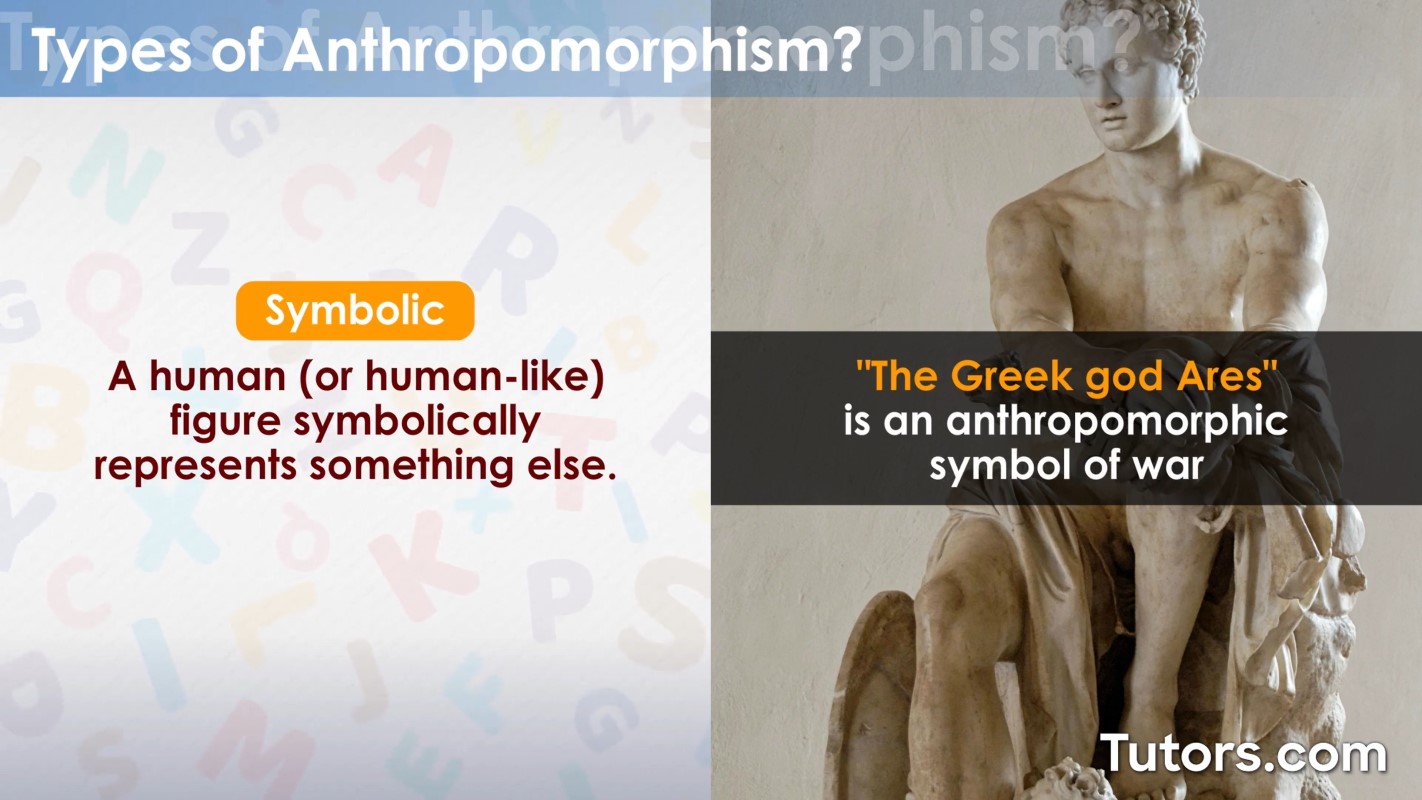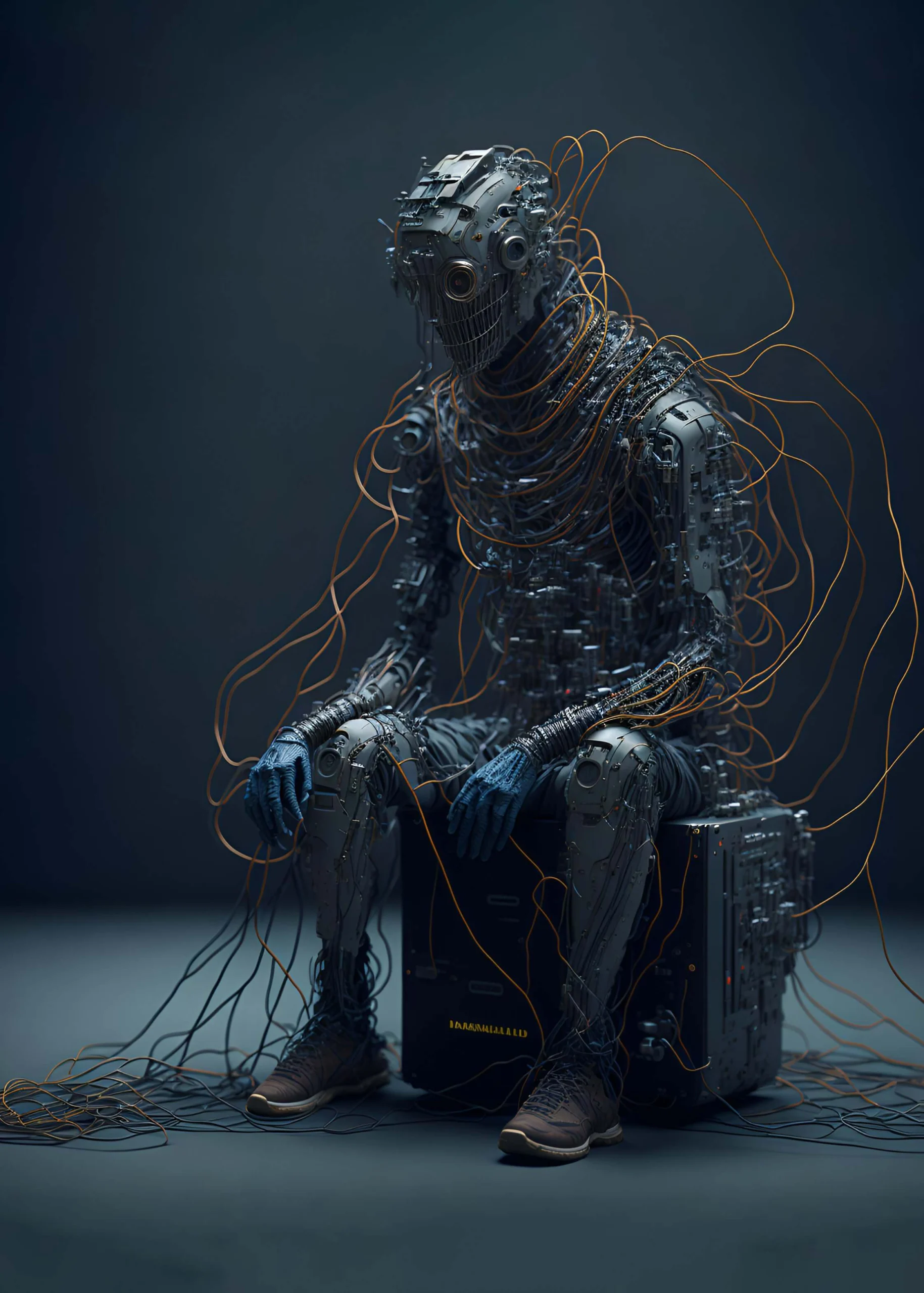
In the vast savannah of consumer psychology, where brands jostle for attention like lions vying for territory, one strategy has emerged as a cunning predator: anthropomorphism. The art of imbuing inanimate objects or abstract concepts with human-like traits isn’t merely a whimsical trick—it’s a psychological Trojan horse that slips past the guarded gates of skepticism. When executed with finesse, anthropomorphism transforms cold, transactional relationships into warm, emotional bonds. This is the story of how a brand, through the alchemy of humanization, unlocked a treasure trove of consumer loyalty and skyrocketed its sales.
The Alchemy of Giving Life to the Inanimate
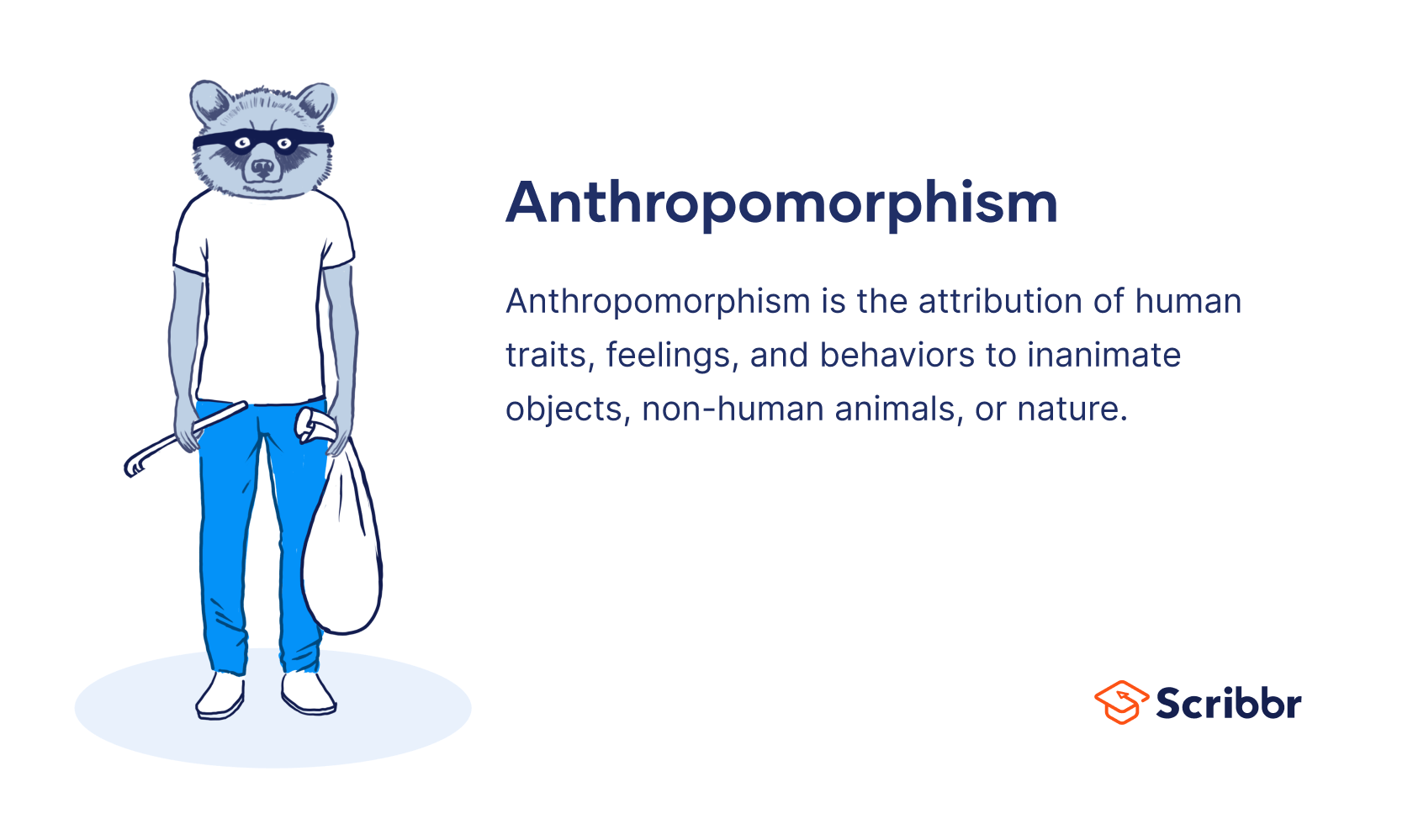
Anthropomorphism is the ancient sorcerer’s spell that breathes life into the lifeless. From the grinning Cheshire Cat to the brooding HAL 9000, humanity has long projected its own visage onto the world around it. Brands, too, have wielded this power, but with a modern twist: they don’t just give their products a face—they give them a soul. Consider the humble vacuum cleaner that becomes a tireless, cheerfully buzzing sidekick, or the financial app that transforms into a wise, bespectacled mentor. These aren’t mere products; they’re characters in a consumer’s daily narrative.
The magic lies in the uncanny valley—that delicate precipice where the human-like just feels right. Too abstract, and the connection fizzles; too realistic, and it repels. The sweet spot? A hint of humanity—perhaps a name, a voice, or a personality—that whispers, “I’m not just a tool. I’m here for you.” When a brand achieves this, it doesn’t just sell a product; it sells a relationship. And relationships, as any seasoned marketer knows, are the currency of repeat business.
The Psychological Levers: Why Anthropomorphism Works
To understand the sales-boosting prowess of anthropomorphism, we must delve into the labyrinth of the human psyche. At its core, this strategy exploits three primal cognitive biases: the similarity-attraction effect, the halo effect, and the parasocial relationship. When a brand adopts human traits, it becomes a mirror, reflecting the consumer’s own desires, fears, and aspirations. This mirroring fosters an instant sense of kinship—a psychological handshake that says, “We’re alike.”
The halo effect further amplifies this bond. If a brand’s anthropomorphized mascot is perceived as kind, competent, or even quirky, those positive traits bleed into the product itself. A coffee maker that “loves” brewing the perfect cup doesn’t just make coffee; it makes your coffee. Meanwhile, parasocial relationships—those one-sided attachments consumers form with media personalities—extend effortlessly to brands. When a brand feels like a friend, a confidant, or even a playful adversary, consumers don’t just buy from it; they advocate for it.
This trifecta of psychological triggers doesn’t just nudge sales—it catapults them. Studies have shown that brands employing anthropomorphism can see conversion rates swell by up to 30%, as consumers are more likely to forgive flaws, overlook price tags, and sing the brand’s praises to anyone who will listen.
Case Study: The Brand That Became a Household Legend
Let’s illuminate this with a hypothetical—but entirely plausible—case study. Meet EcoFlow, a fledgling eco-friendly home goods company struggling to differentiate itself in a sea of indistinguishable “green” brands. Sales were stagnant, and its products, though high-quality, were seen as utilitarian necessities rather than coveted companions. Enter anthropomorphism.
EcoFlow’s breakthrough came when it reimagined its flagship product, the PureBreeze air purifier, not as a machine, but as a vigilant guardian. Through sleek design, a soothing voice interface, and a name that evoked purity and strength, the PureBreeze became Luna—a tireless sentinel that “breathed” alongside its owners. The brand’s marketing leaned into this narrative: Luna wasn’t just cleaning the air; it was protecting the family. Social media campaigns featured Luna “watching over” sleeping children or “cheering up” allergy sufferers with a gentle, almost maternal hum.
The results were nothing short of revolutionary. Within six months, EcoFlow’s sales surged by 220%. Customer reviews read like love letters: “Luna saved my son’s birthday party!” or “I named my new puppy after her—she’s that important to us.” The brand had transcended its category. It wasn’t selling air purifiers; it was selling peace of mind, companionship, and a touch of magic.
The Dark Art of Over-Anthropomorphism: When the Spell Backfires
Of course, anthropomorphism is a double-edged sword. Wield it clumsily, and the brand risks veering into the uncanny valley’s shadowy depths, where consumers recoil in horror rather than delight. The key to avoiding this pitfall lies in subtlety and authenticity. A brand that tries too hard to be human—with forced humor, jarring voices, or an overabundance of personality—can come across as desperate or even sinister.
Consider the cautionary tale of RoboPet, a robotic dog designed to keep the elderly company. Its creators gave it exaggerated, almost grotesque human features—oversized eyes that followed users around the room, a voice that was a poor imitation of a child’s. Instead of warmth, it evoked unease. Sales plummeted, and the product became a meme for all the wrong reasons. The lesson? Anthropomorphism must feel organic, not like a cheap Halloween costume.
Brands must also tread carefully around cultural sensitivities. A mascot that feels like a friendly neighbor in one region might be perceived as an intrusive outsider in another. The solution? Deep research, localized testing, and a willingness to adapt. The most successful anthropomorphic brands are those that listen as much as they speak.
The Future: Where Brands and Humans Merge
As technology advances, the line between human and machine blurs further, and anthropomorphism will evolve from a marketing tactic to a fundamental expectation. Imagine a world where your smart fridge not only tracks your groceries but also “worries” about your health when you skip vegetables, or where your car’s GPS doesn’t just give directions but “apologizes” for traffic jams. This isn’t science fiction—it’s the next frontier of consumer engagement.
Already, brands are experimenting with AI-driven anthropomorphism. Replika, an AI companion app, has amassed millions of users who form deep, emotional bonds with their digital friends. While not a traditional brand, its success underscores a growing consumer appetite for human-like interactions—even with non-human entities. The brands that thrive in this landscape will be those that can balance authenticity with innovation, creating characters that feel like friends, not facades.
The future of sales isn’t in shouting louder or offering deeper discounts—it’s in forging connections that feel as real as flesh and blood. Anthropomorphism is the bridge between transaction and transformation, between a product and a story. For brands willing to take the leap, the rewards are boundless: not just in revenue, but in legacy.
Conclusion: The Human Touch in a Digital Age
In an era where algorithms dictate so much of our lives, the human touch has become a rare and precious commodity. Anthropomorphism is more than a marketing gimmick; it’s a rebellion against the cold, impersonal tide of modernity. It’s a reminder that, at our core, we crave connection—even if that connection is with a brand that feels like it was plucked from the pages of a fairy tale.
The brands that harness this power don’t just sell products; they sell belonging. They turn customers into fans, transactions into relationships, and skeptics into believers. And in doing so, they don’t just increase sales—they redefine what it means to be a brand in the 21st century.