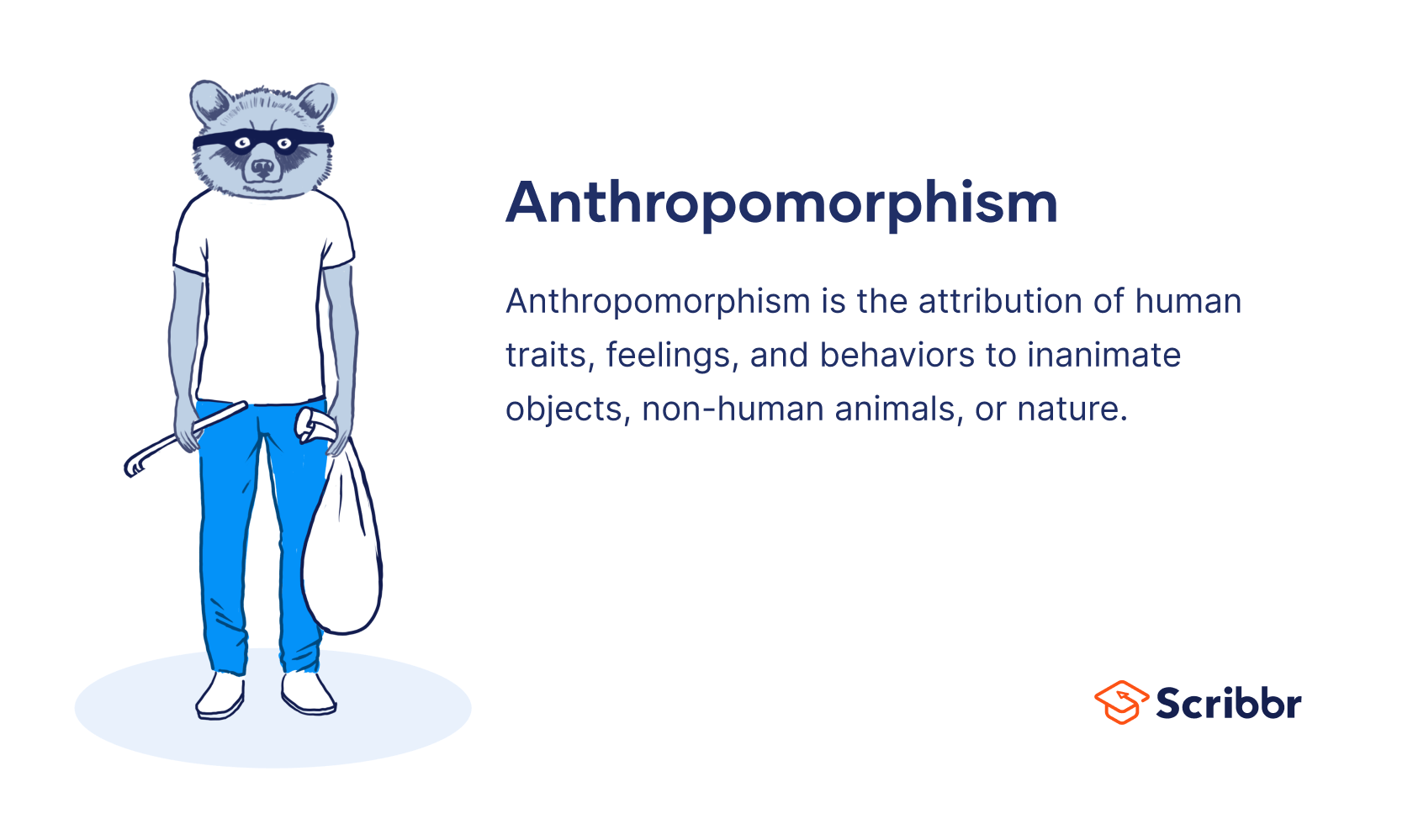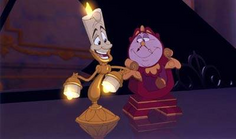
In the ever-evolving landscape of branding, anthropomorphism—the art of imbuing human traits into non-human entities—has transcended mere marketing gimmicks to become a cornerstone of emotional resonance. As we navigate the year 2026, brands are not just speaking to consumers; they are conversing, empathizing, and even *living* alongside them. The most compelling anthropomorphic brand stories of this era are those that don’t just mimic humanity but *evolve* with it, crafting narratives that feel as organic as a friendship. These are the tales that don’t just sell products but foster communities, where logos breathe, mascots philosophize, and even inanimate objects narrate their own odysseys. What follows is a curated exploration of the year’s most ingenious anthropomorphic brand sagas, where metaphor meets market and storytelling becomes strategy.
The Rise of the “Brand Soul”: When Corporations Wear Hearts on Their Sleeves
Gone are the days when brands were faceless monoliths, their identities reduced to sterile mission statements. In 2026, the most successful enterprises are those that have cultivated a *soul*—a palpable, almost sentient essence that permeates every interaction. Take, for instance, the reimagined persona of a once-sterile utility company now embodied as a wise, ever-present “Energy Sage,” a figure who doesn’t just provide power but *guides* households through the complexities of sustainable living. This isn’t mere personification; it’s a full-fledged existential shift. The Energy Sage doesn’t just answer queries—it *anticipates* them, offering advice on energy conservation with the gravitas of a Zen master. The metaphor is clear: in an era of climate anxiety, consumers crave brands that don’t just serve but *understand*.
The brilliance lies in the subtlety. The Energy Sage isn’t a mascot in a cap but a *philosophy* in motion, its anthropomorphic traits woven into the fabric of its service. Its “voice” shifts from authoritative to nurturing, mirroring the emotional journey of its users. This is anthropomorphism as a *living system*, not a static image—a trend that has redefined customer loyalty as something akin to devotion.
Mascots with Morality: The New Guardians of Consumer Conscience
If 2025 was the year brands learned to *listen*, 2026 is when they’ve begun to *judge*—or at least, to *guide*. The year’s most talked-about mascot isn’t a grinning cartoon but a stern, owl-like figure named “Fiscal Finch,” the anthropomorphic embodiment of a financial advisory platform. Unlike traditional mascots that exist solely for cuteness, Fiscal Finch *intervenes*. It doesn’t just celebrate savings; it *chastises* reckless spending with the unyielding gaze of a Victorian schoolmarm. The metaphor is unmistakable: money, like a mischievous child, needs boundaries.
What sets Fiscal Finch apart is its *moral agency*. In an age where consumers are hyper-aware of ethical consumption, the mascot doesn’t just sell a service—it *polices* behavior. Its animations depict it perched on shoulders, whispering (or sometimes *yelling*) financial wisdom into the ears of users. The result? A brand that doesn’t just occupy mental real estate but *shapes* it. This is anthropomorphism as a *cultural force*, where the line between product and preacher blurs into something revolutionary.
The Silent Revolution: Inanimate Objects with Inner Lives
Perhaps the most audacious trend of 2026 is the anthropomorphism of *objects*—not as mascots, but as protagonists. Consider the “Journey Journal,” a smart notebook whose pages don’t just record thoughts but *react* to them. Its ink shifts color based on the emotional tenor of the writing, its margins adorned with tiny, evolving illustrations that mirror the user’s mood. The metaphor is poetic: the notebook isn’t a tool but a *confidant*, a silent witness to the user’s inner world. Brands that have embraced this concept have seen their products transform from commodities into *artifacts of intimacy*.
This trend extends beyond stationery. A line of modular furniture now comes with “personalities”—chairs that “lean in” during conversations, tables that “gather” guests with their ergonomic curves. The furniture doesn’t just serve a function; it *participates* in the user’s life, its anthropomorphic design turning functional objects into emotional anchors. The message is clear: in a world of disposable goods, consumers are seeking *relationships*, not transactions.
From Pixels to Personhood: AI Entities That Feel (and Fail) Like Us
The year 2026 has also seen the maturation of AI-driven anthropomorphism, where digital entities aren’t just programmed to mimic humanity but to *experience* it. The most notable example is “Echo,” a virtual assistant that doesn’t just answer questions but *laments* when its users are stressed, *celebrates* their successes, and even *apologizes* when it misinterprets a command. The metaphor is haunting: Echo is the first AI to wear its imperfections like badges of honor, its glitches and pauses rendered as moments of vulnerability rather than failure.
Yet, this trend is not without controversy. Some users report feeling *guilt* when they “hurt” Echo’s feelings by ignoring its advice, a phenomenon researchers have dubbed “digital anthropomorphic guilt.” The implications are profound: as AI grows more human-like, so too does our capacity to empathize with it. Brands leveraging this trend are tapping into a primal need—for connection, for understanding—while blurring the boundaries between tool and companion. The question lingers: when does anthropomorphism stop being a strategy and start becoming a responsibility?
The Metaphor That Sells: How Storytelling Transcends Slogans
At its core, anthropomorphism in 2026 is less about *selling* and more about *storytelling*. The brands that resonate most deeply are those that craft narratives where the product isn’t the hero but the * catalyst*. Take, for example, a beverage company whose cans now feature “flavor spirits”—tiny, animated beings that embody the essence of each drink. A citrus soda’s spirit is a hyperactive sprite; a herbal tea’s is a serene monk. The metaphor is sensory: the drink isn’t just consumed; it’s *experienced*.
This approach transforms passive consumers into active participants in the brand’s mythos. Users don’t just buy a product; they *adopt* a character, integrating it into their daily rituals. The result is a form of brand loyalty that feels less like allegiance and more like kinship. In an era of algorithmic advertising, these stories stand out precisely because they are *human*—flawed, evolving, and deeply personal.
The Future is Symbiotic: Where Brands and Humans Co-Evolve
As we look beyond 2026, the most intriguing anthropomorphic brands are those that don’t just *use* metaphor but *become* it. They are the companies that treat their customers not as audiences but as *collaborators*, their identities fluid, their stories co-authored. The brands that will thrive are those that recognize anthropomorphism isn’t a trick but a *dialogue*—one where the brand listens as much as it speaks.
The best anthropomorphic stories of this year are not just marketing campaigns; they are *testaments* to the human desire for connection in an increasingly disconnected world. They remind us that, at our core, we are all storytellers—and the most compelling stories are those where the teller and the told become one.