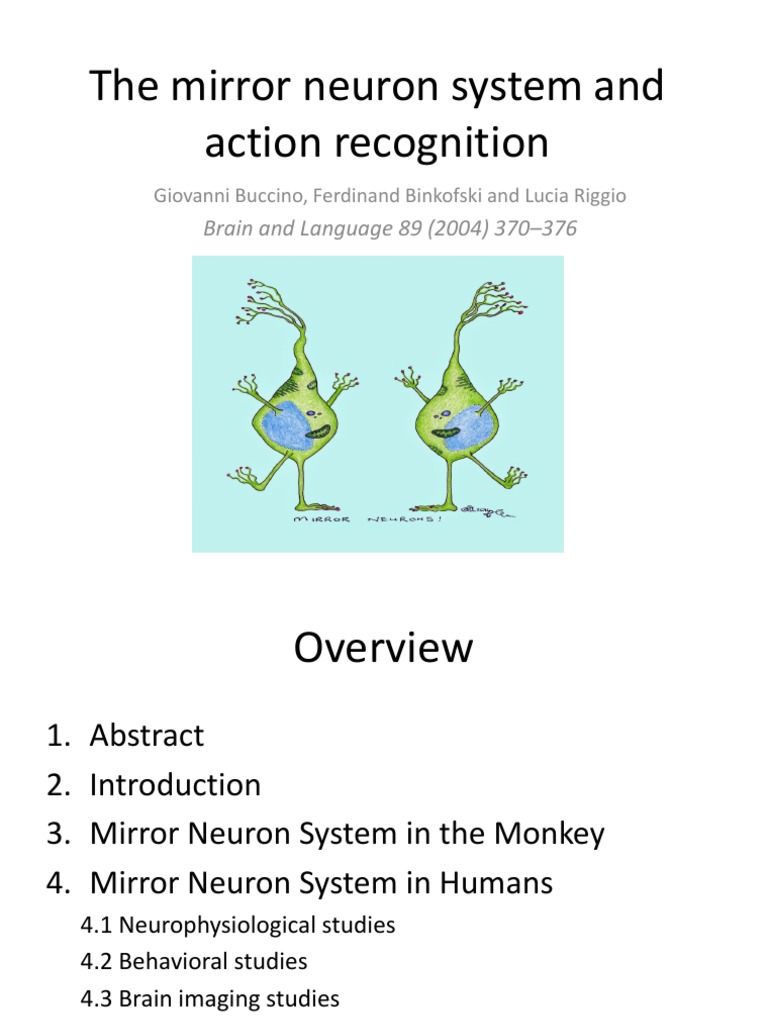
Imagine standing before a living canvas that not only reflects your movements but also resonates with the very essence of your intentions and emotions. This canvas is the human brain’s mirror neuron system, an enigmatic network orchestrating empathy, imitation, and social understanding. Yet, the brush strokes that bring this system to life are often tinged with anthropomorphism—the human penchant for attributing human-like qualities to non-human entities. In exploring the role of anthropomorphism in mirror neuron research, we embark on an intellectual odyssey where metaphors are not whimsical adornments but gateways to deeper comprehension, revealing how the intertwining of human imagination and neural science sparks a unique appeal that transcends mere observation.
Anthropomorphism: The Cognitive Canvas of Mirror Neuron Research
At its core, anthropomorphism paints a bridge between the abstract and the familiar. In mirror neuron studies, it acts as a cognitive canvas upon which researchers project human traits onto neural circuits, crafting interpretations that tether cold, mechanical processes to warm, human experiences. This translational strategy engenders an intuitive grasp of complex phenomena. Visualizing mirror neurons firing as a “neural echo” of observed actions morphs the invisible electrical dance into a poetic reflection, a metaphorical mirror shimmering with the reflections of human behavior. Without this anthropomorphic lens, the brain’s mimicry might linger as an enigmatic blur, devoid of narrative context or affective resonance.
Deciphering Empathy Through Embodied Simulation
The mirror neuron system is often heralded as the neural substrate of empathy, casting it as the brain’s internal storyteller capable of vicariously experiencing the world through others’ movements and emotions. Anthropomorphism enriches this narrative by framing neurons not merely as passive responders but as dynamic participants in a shared social saga. Describing these neurons as “actors” in a cerebral play allows an appreciation of empathy as embodied simulation rather than detached cognition. This metaphor highlights the system’s unique appeal: it embodies a profound intersubjective connection, an experiential loop where observer and observed entwine in a silent, neuronal ballet.
Anthropomorphic Metaphors as Tools for Scientific Exploration
Language shapes thought, and metaphors wields language’s transformative power. Anthropomorphic metaphors in mirror neuron research are not merely rhetorical flourishes; they function as heuristic devices facilitating hypothesis generation and experimental design. Referring to mirror neurons as the brain’s “social glue” or “shared circuitry” confers a tangible identity that directs inquiry towards mechanisms of social bonding, learning, and imitation. This metaphorical scaffolding invites crossing disciplinary boundaries, linking neuroscience with psychology, philosophy, and even artificial intelligence. By adopting human-centric descriptors, the research community cultivates a fertile ground for interdisciplinary dialogue and innovative inquiry.
Risks and Rewards: Navigating Anthropomorphic Pitfalls
Anthropomorphism, while illuminating, also harbors perilous undertones. The temptation to overly humanize neural processes risks obscuring objective analysis or imposing unwarranted teleology on mechanistic phenomena. Portraying mirror neurons as sentient “decoders” of intention or as “emotional translators” might inadvertently spawn misconceptions about their function, veering into the realm of anthropocentric bias. However, moderate and critically framed anthropomorphism serves as an indispensable heuristic, humanizing complex science without sacrificing rigor. The challenge lies in balancing poetic license with empirical sobriety—nurturing metaphors that inspire without conflating artifice with actuality.
Impact on Public Engagement and Ethical Considerations
The anthropomorphic allure extends beyond academic discourse, profoundly shaping public engagement with neuroscience. By casting the mirror neuron system in human-like terms, the concept becomes vividly accessible, fueling curiosity and empathy for the brain’s inner workings. This accessibility has educational value, galvanizing support for research funding and interdisciplinary collaboration. Conversely, it raises ethical questions about oversimplification and sensationalism. Anthropomorphism can blur the lines between scientific fact and popular myth, necessitating careful communication to preserve the integrity of both the science and its societal implications. Thus, anthropomorphism’s role is a double-edged sword, wielded deftly to illuminate without distorting.
Anthropomorphism and the Future Trajectory of Mirror Neuron Research
Looking ahead, anthropomorphism will likely remain integral to the evolution of mirror neuron research. As neural imaging and simulation technologies grow more sophisticated, so does the temptation—and opportunity—to embed these findings within evocative narratives. The metaphorical landscape may expand, including concepts like “neural choreography” or “cognitive resonance,” enriching how findings are contextualized within human experience. Moreover, anthropomorphism will facilitate the interface between neuroscience and emerging fields such as social robotics and neuroprosthetics, where imbuing machines with human-like understanding depends heavily on the language and imagery borne from mirror neuron concepts. Thus, anthropomorphism continues to forge a compelling narrative trajectory, underpinning the unique allure of mirror neuron studies.
Conclusion: The Reflective Dance of Science and Storytelling
The role of anthropomorphism in mirror neuron research resembles a reflective dance between science and storytelling, where each step informs and elevates the other. It transforms the cold precision of neuronal firing into a resonant narrative that captures the essence of human connection and understanding. Through this metaphorical prism, mirror neuron research transcends the confines of neurobiology, becoming a story of empathy, imitation, and the shared human condition. The unique appeal lies not only in the discovery itself but also in the artful framing—an elegant interplay where the brain’s reflections echo our most profound social experiences. In this intricate ballet of neurons and narratives, anthropomorphism stands as both muse and method, illuminating paths to greater insight and a deeper appreciation of what it means to be human.