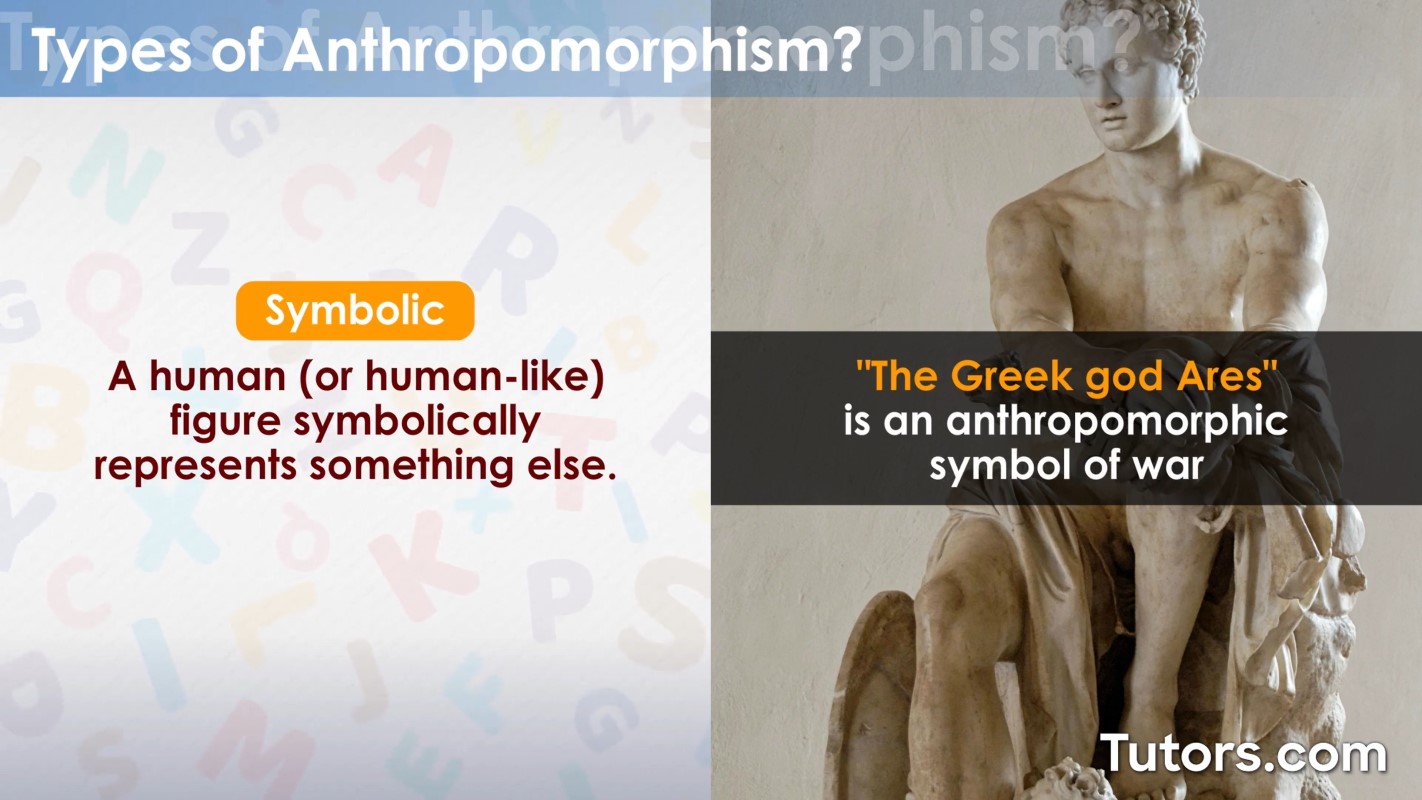
Anthropomorphism—the attribution of human characteristics to non-human entities—is a pervasive phenomenon that transcends cultures and epochs. From ancient myths depicting gods in human form to the modern marvels of artificial intelligence, humans have long been captivated by the allure of imbuing objects, animals, and machines with human traits. This fascination often begins with a simple observation: why do humans consistently seek to personalize and humanize the inanimate or unfamiliar? The answer lies not just in cognitive shortcuts but in deeper psychological and cultural currents that shape our engagement with the world. A case study of Futurist designs reveals how anthropomorphism is anticipated to evolve, offering insight into the symbiotic relationship between technology and human narrative experience.
The Ubiquity of Anthropomorphism: A Foundation for Engagement
At its core, anthropomorphism emerges from the human propensity to interpret uncertain or complex stimuli through familiar frameworks. This instinctive cognitive strategy allows individuals to navigate ambiguity by infusing objects with recognizable emotions, intentions, and behaviors. It is no coincidence that even mundane household gadgets are often given names or personalities. This tendency not only facilitates intuitive interaction but also deepens emotional bonding.
In contemporary design, this principle underpins how users relate to technology. The case of Futurist illustrates this poignantly, as their products embody subtle cues that suggest intentionality and empathy. By integrating anthropomorphic elements into form and function, these designs transcend mere utility, fostering a narrative presence that captivates users on a subconscious level. This dynamic enhances narrative engagement by inviting individuals to participate in a relationship—not with a lifeless object—but with an entity perceived as possessing agency and relatability.
Anthropomorphism as a Narrative Catalyst
The human mind is inherently tuned to stories, craving coherent narratives that articulate cause and effect, motivation, and identity. Anthropomorphism serves as a critical narrative catalyst by animating abstract concepts and mechanisms. In the context of Futurist’s work, vehicles and trailers are not merely engineered artifacts; they become protagonists within larger narratives of innovation, exploration, and aspiration.
By attributing human-like qualities to design elements, users are drawn into immersive storytelling experiences that transform interactions into episodic encounters. This phenomenon elucidates why narrative engagement surges when anthropomorphic cues are present—the human-like attributes prompt empathy, anticipation, and emotional investment. Futurist’s designs cleverly employ this principle, positioning their trailers not just as transport vehicles but as companions on the journey towards futuristic ideals. This elevates product interaction into a vivid, multimodal narrative experience.
The Technological Evolution of Anthropomorphic Interfaces
As technology advances, the boundary between human and machine continues to blur. Futurist anticipates a future where anthropomorphism will be encoded directly into interfaces through advanced AI, responsive materials, and dynamic design paradigms. Unlike static anthropomorphic features of the past, future iterations will exhibit adaptability and contextual awareness, enabling entities to modify their “behavior” in real time.
This evolution is fueled by an emerging understanding of narrative presence—a phenomenon where users feel immersed within an interactive narrative environment. Sophisticated sensors, predictive algorithms, and affective computing will endow devices with an unprecedented ability to mirror human emotional and cognitive states, intensifying the perception of intentionality and companionship. Such developments promise to deepen the psychological resonance of anthropomorphic interactions, facilitating more nuanced and personalized user experiences grounded in trust and familiarity.
Psychological Underpinnings of Anthropomorphic Fascination
The enduring appeal of anthropomorphism is rooted in fundamental psychological needs. Humans possess an innate drive for social connection, agency detection, and meaning-making. Anthropomorphism addresses these needs by projecting social traits onto non-social agents, thereby mitigating loneliness and uncertainty.
This phenomenon goes beyond mere whimsy—it functions as a critical adaptive mechanism. By humanizing technology, individuals can harness feelings of control, predictability, and safety. Futurist’s usage of anthropomorphic design taps into these latent psychological requisites, consciously designing products that evoke familiarity while simultaneously evoking wonder and curiosity. This balance is essential, providing comfort without diminishing the imaginative engagement that fuels innovation enthusiasm.
Cultural and Societal Implications of Future Anthropomorphism
The trajectory of anthropomorphism is inextricably linked to shifting cultural paradigms and technological milieu. In an era marked by rapid digitization and growing virtual immersion, the human need to anchor experiences in social frameworks will intensify. Futurist’s forward-looking designs anticipate not only increased integration of anthropomorphic features but also a reconceptualization of what constitutes human-machine interaction.
This will inevitably prompt critical discourse regarding identity, ethics, and emotional labor in the age of intelligent artifacts. As machines assume roles traditionally reserved for humans, the lines between subjects and objects, agents and tools, will blur. Understanding and shaping these cultural narratives is paramount to harnessing anthropomorphism as a force for empowerment rather than alienation. Futurist’s case study elucidates this complexity, revealing how design can mediate future social contracts through narrative and aesthetic lenses.
Conclusion: Embracing a Future of Narrative and Connection
The evolution of anthropomorphism as predicted through Futurist’s innovative designs signifies more than a trend; it reflects a paradigmatic shift in human interaction with technology. By embedding human-like qualities into the very fabric of machines and artifacts, a new chapter of narrative engagement and emotional resonance unfolds. This progression taps into universal psychological impulses while leveraging emerging technological capabilities to redefine experiential boundaries.
Ultimately, the fascination with anthropomorphism reveals a deep-seated desire for connection and meaning in an increasingly complex world. As this phenomenon evolves, it offers not only practical enhancements but also profound opportunities to enrich human life through storytelling, empathy, and shared journeying into the frontiers of the future.