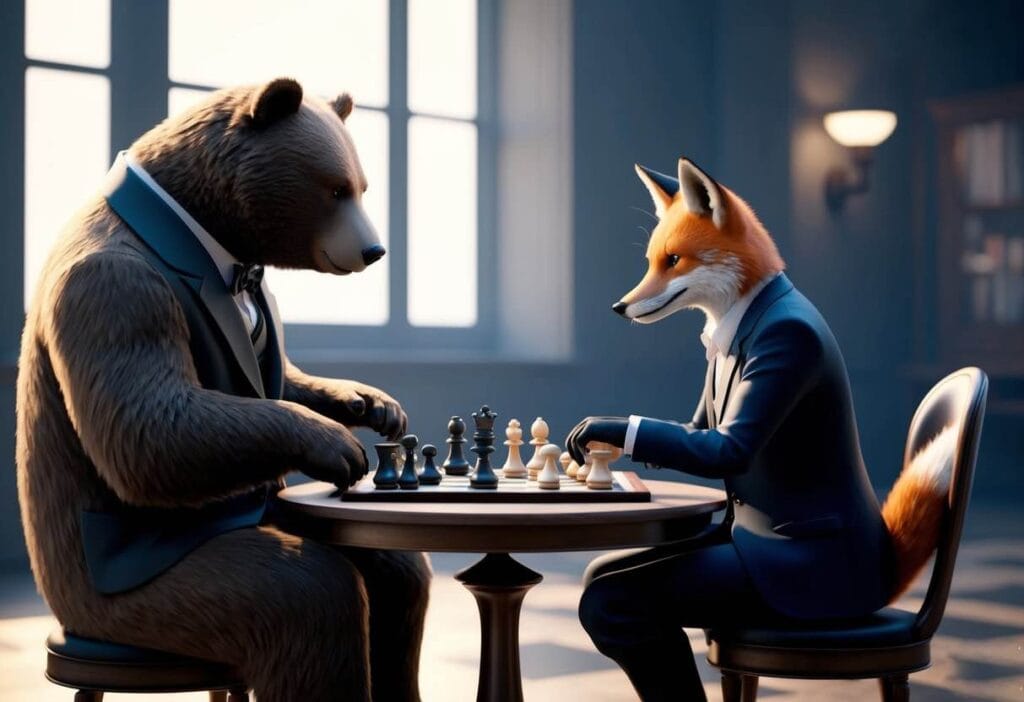
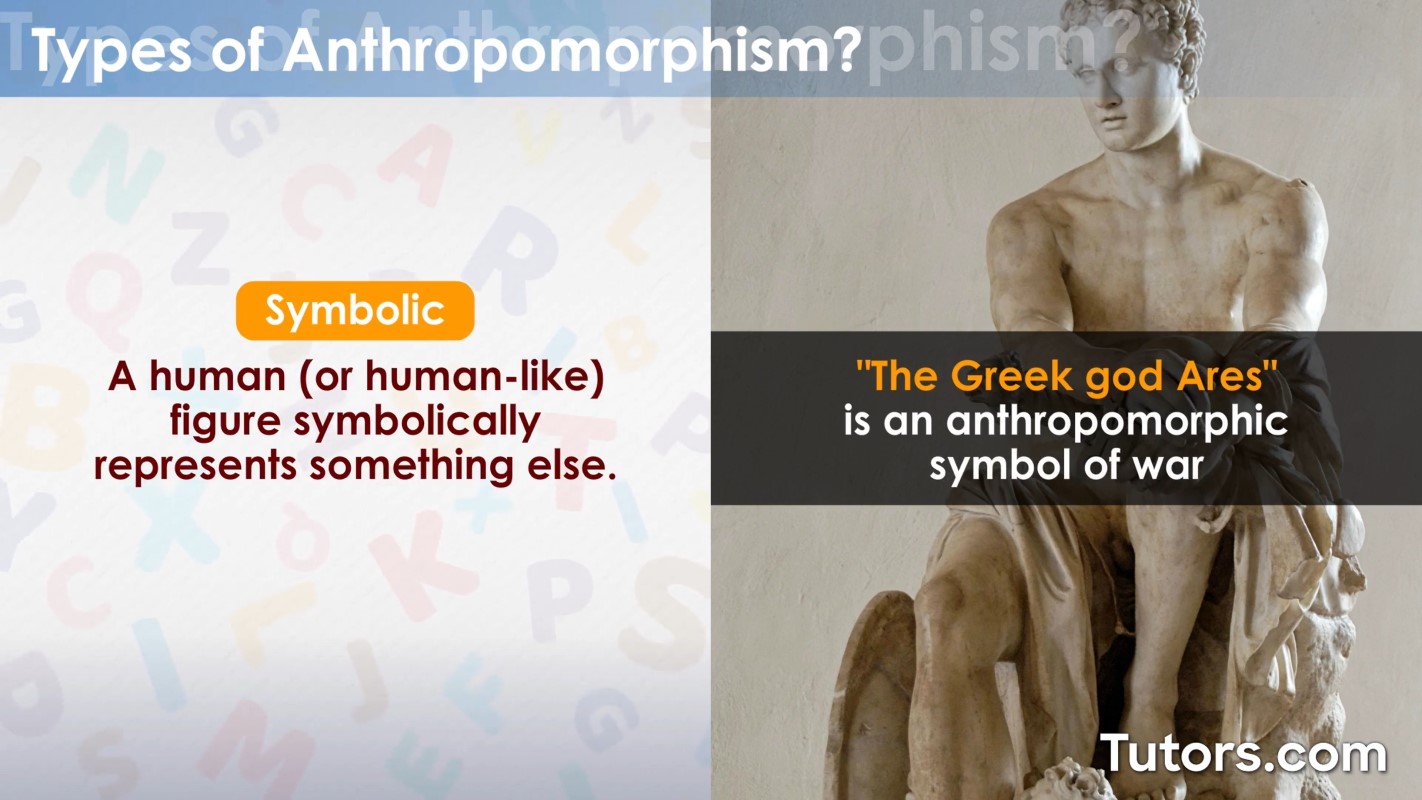
Anthropomorphism, the age-old practice of imbuing non-human entities with human characteristics, has long served as a cornerstone of myth-making. Its evolutionary trajectory hints at profound shifts in how stories are told and understood in the modern era. As we stand at the nexus of technological innovation, cultural hybridity, and philosophical reexamination, the future of anthropomorphism promises to radically transform the narrative fabric of myth, compelling audiences to reassess their relationship with both the familiar and the otherworldly.
Reconceptualizing the Human Experience through Anthropomorphic Narratives
The essence of anthropomorphism lies in its ability to render intangible, alien, or abstract phenomena accessible and relatable by reflecting the human condition. However, as modern myth-making progresses, this practice is poised to undergo a paradigmatic shift. Rather than merely attributing human traits to animals, objects, or concepts, future narratives will embrace a more fluid and expansive interpretation of identity and agency. The boundaries between human and non-human perspectives are becoming deliberately porous. This reconfiguration challenges the anthropocentric lens, prompting a reevaluation of consciousness, emotion, and morality as distributed rather than localized exclusively within the human realm.
In this emerging framework, anthropomorphic figures serve as liminal agents—bridging the divide between species and ontologies. Myths will no longer center solely on human triumphs or failings but will evoke multifaceted dialogues between disparate modes of existence. This offers an unprecedented opportunity to explore interconnectedness and interdependence across ecological and metaphysical domains, inviting audiences into a more panoramic vision of life itself.
Technological Catalysts: AI and Digital Animism in Myth-Making
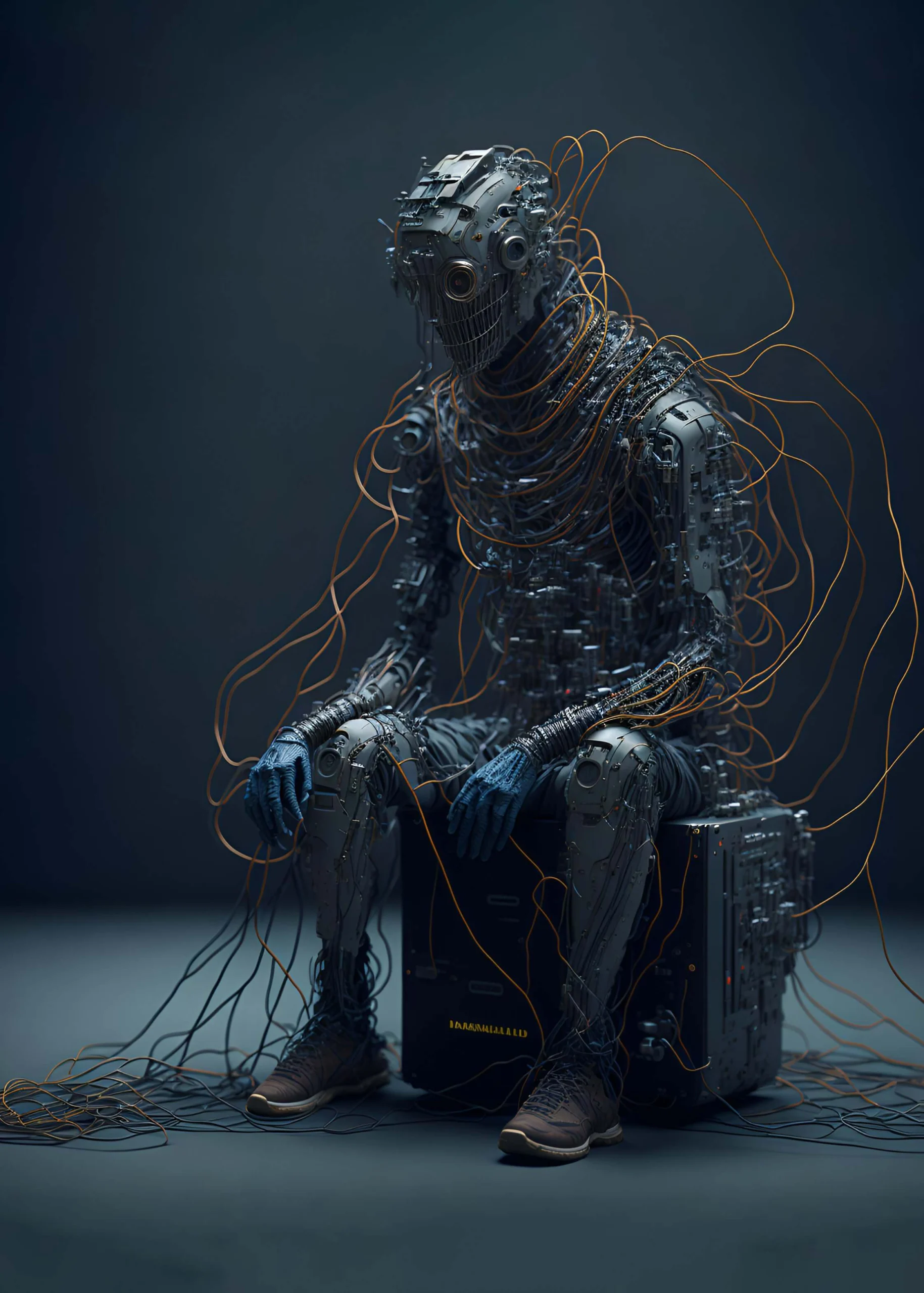
The advent of advanced artificial intelligence and immersive digital technologies is accelerating the evolution of anthropomorphism in storytelling. Digital animism—the attribution of life and spirit to virtual entities—has become increasingly prevalent, blurring the distinctions between reality and simulation. These technological advances allow myth-makers to craft interactive, multidimensional characters endowed with autonomy and emotional complexity, reshaping the narrative engagement from passive consumption to participatory experience.
Artificially intelligent beings can now embody archetypal roles traditionally reserved for gods, spirits, or mythical creatures, giving rise to a new pantheon of synthetic personalities. These entities possess the capacity to learn, adapt, and reflect human behaviors back to us in ways previously unimaginable. As a result, modern myths have the potential to expand infinitely, creating evolving storyscapes that mirror the fluidity of contemporary existence. This digital transformation also raises poignant questions about authenticity, agency, and the essence of personhood—issues that mythic narratives are uniquely suited to interrogate.
Cultural Synthesis and the Globalization of Anthropomorphic Myths
Global interconnectedness is facilitating the cross-pollination of mythic motifs and anthropomorphic archetypes, generating hybrid narratives that transcend traditional cultural confines. The future of anthropomorphism in myth-making will be characterized by its cosmopolitan essence, wherein indigenous symbolisms intertwine with futuristic imaginings. This synthesis enriches the mythic landscape, fostering innovative forms of storytelling that reflect a pluralistic and dynamic world.
Such narratives forge empathetic bridges across diverse epistemologies and ontologies. The anthropomorphic motifs of different cultures—be they trickster animals, guardian spirits, or transformative entities—are reinterpreted through contemporary lenses, harmonizing ancient wisdom with present-day sensibilities. This process not only preserves cultural heritage but also reinvigorates it, allowing myths to remain vital, relevant, and provocative in times of rapid social change.
Ecological Reverberations: Anthropomorphism as a Catalyst for Environmental Consciousness
Amid mounting ecological crises, anthropomorphism is emerging as a powerful narrative strategy to redefine humanity’s relationship with the natural world. By ascribing sentience and intentionality to elements of the environment—forests, rivers, animals—modern myths cultivate an ethos of stewardship and reciprocal respect. The future mythic imagination exploits anthropomorphism not merely as decoration but as a catalyst for ecological awakening.
Such stories compel audiences to confront the moral imperatives of coexistence and sustainability. They leverage empathy by humanizing the plight and agency of non-human life, thereby dissolving the alienation that often impedes environmental action. Through mythic narrative, complex scientific and ethical issues become tangible, evoking visceral responses and fostering transformative perspectives that transcend conventional rational discourse.
Philosophical Dimensions: De-centering the ‘Self’ in Anthropomorphic Mythos
Modern anthropomorphism in myth-making is poised to contribute richly to philosophical discourses surrounding identity, subjectivity, and consciousness. By attributing humanlike qualities to diverse entities without insisting on strict equivalence, myths destabilize rigid distinctions between the self and the other. This de-centering of the human subject invites a multiplicity of viewpoints and challenges entrenched dualisms such as mind/body, culture/nature, and human/animal.
Future myths will harness this destabilization to evoke ontological ambiguity, prompting audiences to grapple with questions of what it means to be sentient, ethical, or alive. Anthropomorphic figures will no longer function as mere metaphors but as experiential conduits through which complex, liminal states of being are explored and expressed. This philosophical boldness enriches the narrative tapestry, offering fertile ground for intellectual and emotional inquiry.
Conclusion: The Promise of a Transformed Mythological Future
The future of anthropomorphism in modern myth-making promises far more than a nostalgic continuation of ancient storytelling devices. It heralds a transformative reimagining of narrative possibility—one that shifts perspective, deepens empathy, and expands curiosity. As myths evolve in conversation with technological innovation, cultural convergence, ecological urgency, and philosophical profundity, anthropomorphic storytelling will continue to illuminate new pathways for understanding ourselves and the worlds we inhabit.
In embracing this future, myth-makers and audiences alike are invited to participate in a dialogic process where boundaries dissolve, consciousness proliferates, and the very nature of being is continually re-envisioned. Such is the compelling promise held within the ongoing evolution of anthropomorphism—a future where myth remains a vital, dynamic force shaping human experience in ever more profound ways.