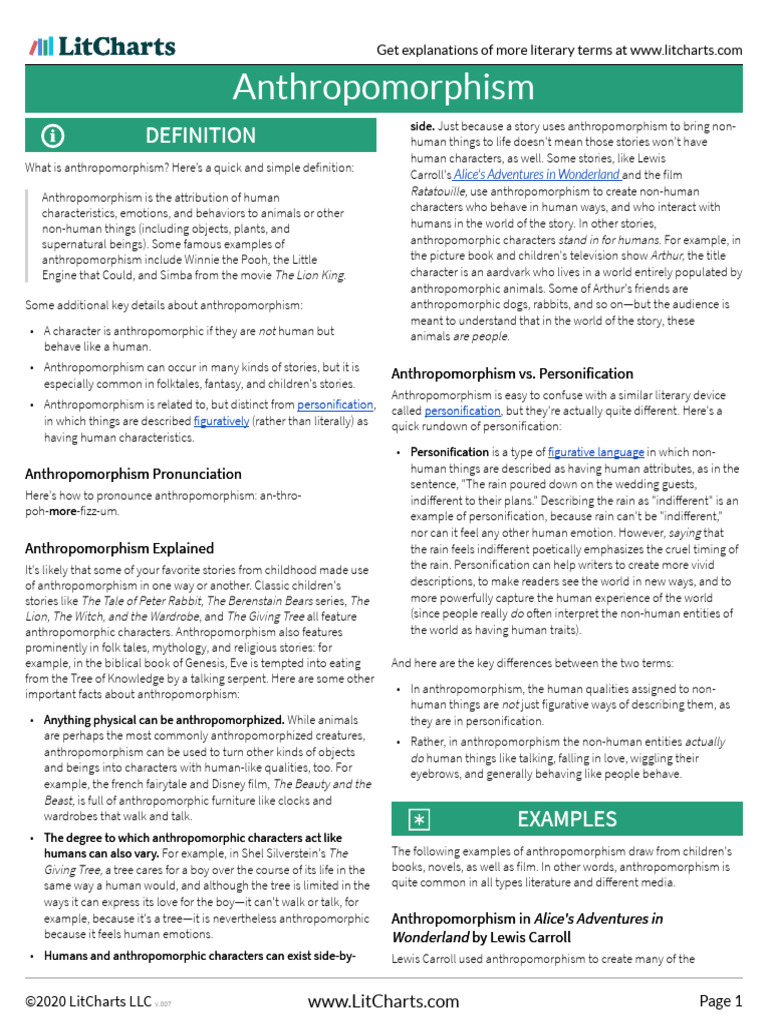
The intersection of human cognition and spirituality has long fascinated scholars, practitioners, and observers alike. One of the most compelling phenomena within this domain is anthropomorphism—the attribution of human traits, emotions, or intentions to non-human entities—which has notably influenced religious movements throughout history. This case study explores how anthropomorphism has not only shaped theological narratives but also transformed communal practices and media engagement, ultimately redefining the paradigms through which adherents experience divinity. Far from a mere projection of human qualities onto the divine, anthropomorphism has acted as a catalyst for profound shifts in religious perception, offering a fresh vantage point that blends ancient beliefs with contemporary understanding.
The Genesis of Anthropomorphic Symbolism in Religious Narratives
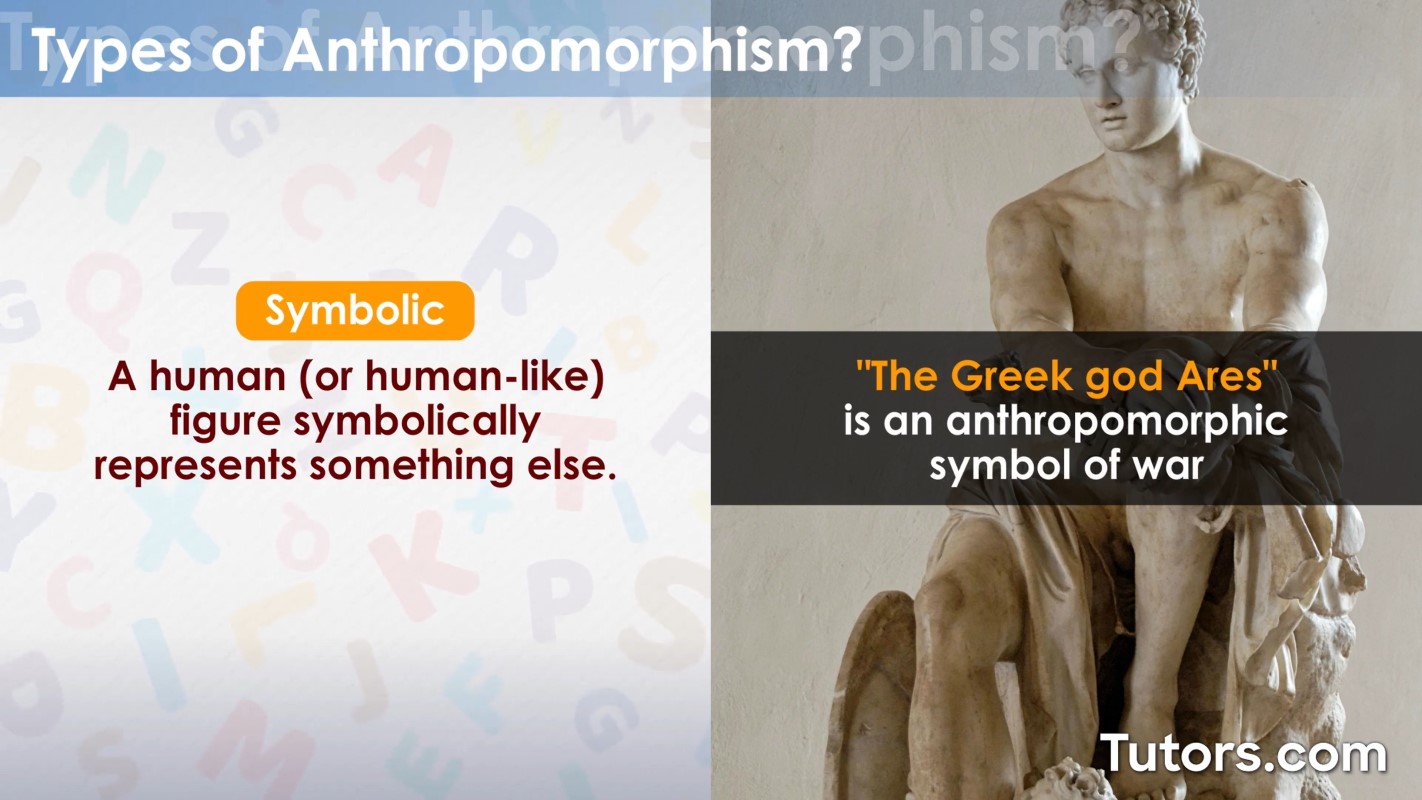
At its core, anthropomorphism serves as a bridge between the ineffable and the relatable. Religious texts have historically adopted this device, crafting deities infused with familiar human emotions and dilemmas. This incarnation of divine figures facilitated a nuanced form of intimacy and accessibility, enabling followers to conceptualize the sacred within the framework of lived experience. The anthropomorphic tendency is not merely decorative but intentional, a semiotic mechanism that ensures the transmission of spiritual tenets across generations. Within this symbolic lexicon, gods exhibit wrath, compassion, jealousy, and benevolence—characteristics that mirror the human condition, thereby fostering a reciprocal dialogue between worshiper and deity.
Anthropomorphism as a Vector for Devotional Engagement
This humanization of the divine has had tangible effects on religious practice. By embodying gods with human-like features, religions have invited adherents to engage in relational worship, moving beyond abstract reverence toward affective connection. Rituals and prayers become imbued with a conversational tone, where believers address their deities as sentient interlocutors. This shift transforms the religious experience from a structured formality into a dynamic interpersonal exchange. Consequently, communal gatherings and liturgical events become arenas wherein the sacred and human intersect vividly, reinforcing social bonds and spiritual commitments with unprecedented intimacy.
The Role of Media and Visual Anthropomorphism in Modern Religious Movements
With the advent of mass media, the anthropomorphic depiction of divine entities has undergone significant evolution. Visual representation—through iconography, artworks, and digital media—has amplified the reach and impact of anthropomorphic imagery. Contemporary religious movements harness this power to cultivate familiarity and emotional resonance within a digital-first society. Graphic portrayals of gods, saints, and spiritual figures often exhibit exaggerated human features or expressions, tailored to evoke empathy and inspire devotion. Furthermore, the deployment of role-playing AI chatbots that personify spiritual guides reflects the convergence of technology and anthropology, enhancing media dependency and engagement within faith communities. This fusion of ancient anthropomorphic tradition with cutting-edge communication platforms promises not only to sustain but to revolutionize religious adherence in the 21st century.
Transformative Implications for Theology and Belief Systems
The infusion of anthropomorphic elements into a religious movement precipitates significant theological reflection and reinterpretation. Where once divinity was ascribed an aloof, inscrutable nature, anthropomorphism invites a reconsideration of divine immanence—the presence of the sacred within the material and interpersonal realms. This paradigmatic shift encourages believers to reconceptualize the nature of God or gods, not as distant arbiters, but as entities who share and understand suffering, joy, and moral complexity. The resultant theology is more dialogical and relational, opening avenues for inclusive spiritual practices and ethical engagement that resonate profoundly in diverse and pluralistic societies.
Case Study Analysis: A Contemporary Religious Movement’s Embrace of Anthropomorphism
Consider a modern religious movement that explicitly integrates anthropomorphic principles into its doctrinal and practical framework. Its foundational texts depict divine figures with expressive emotional states, and its liturgies employ interactive elements that encourage believers to “converse” and “relate” to spiritual beings as living personalities. This movement also embraces multimedia platforms, using graphic storytelling and AI-driven agents to personify spiritual guides, thereby enhancing accessibility and narrative immersion. The resultant community is marked by heightened media dependency yet paradoxically experiences deeper, more personalized forms of worship. This case exemplifies how anthropomorphism can serve as a strategic tool—not only to attract adherents—but also to foster profound spiritual intimacy and participatory faith.
Cultural and Psychological Dimensions of Religious Anthropomorphism
The appeal of anthropomorphism in religion transcends theology; it taps into entrenched psychological predispositions and cultural narratives. Humans possess an innate tendency toward agency detection and pattern recognition, which primes the mind to ascribe intentionality and personality to ambiguous stimuli. Religious anthropomorphism harnesses this cognitive inclination, offering a structured and culturally validated framework to project hopes, fears, and moral ideals onto transcendent figures. Moreover, such portrayals satisfy a profound existential yearning for connection and meaning, situating individuals within a cosmic narrative that acknowledges their emotional and ethical realities. Thus, anthropology, psychology, and spirituality intertwine, producing a multifaceted tapestry of belief shaped by the human need to “know” and “relate” to the divine.
Future Trajectories: Anthropomorphism and Spiritual Innovation
Looking forward, the trajectory of religious anthropomorphism seems poised for continued evolution, particularly under the influence of emerging technologies and shifting cultural norms. Virtual reality, augmented reality, and artificial intelligence promise immersive environments where believers can “encounter” anthropomorphic divine avatars in unprecedented ways. These technologies could deepen experiential faith, offering personalized spiritual guidance and community-building tools tailored to individual needs. Yet, this progress also invites critical reflection on authenticity, commodification, and the integrity of spiritual traditions. As religious movements navigate this uncharted landscape, anthropomorphism remains both a beacon and a challenge—highlighting the enduring human quest to comprehend and commune with the mysteries beyond ourselves.