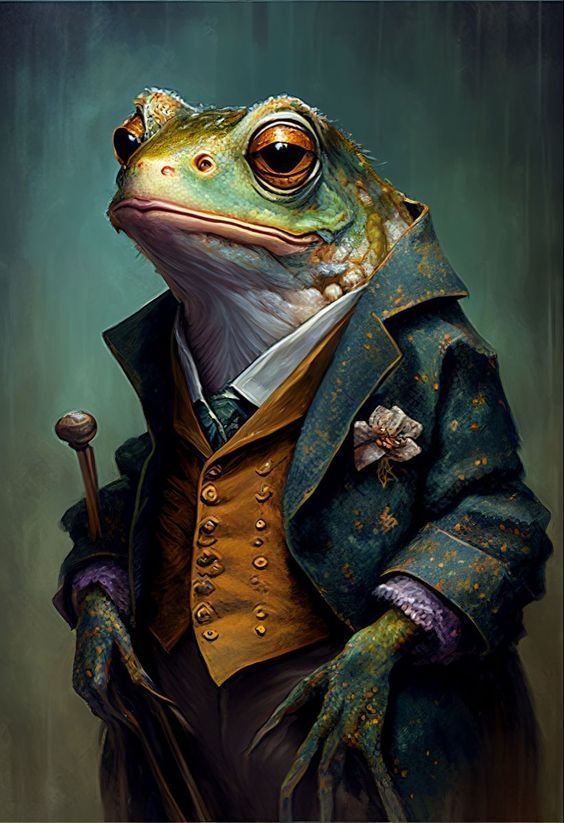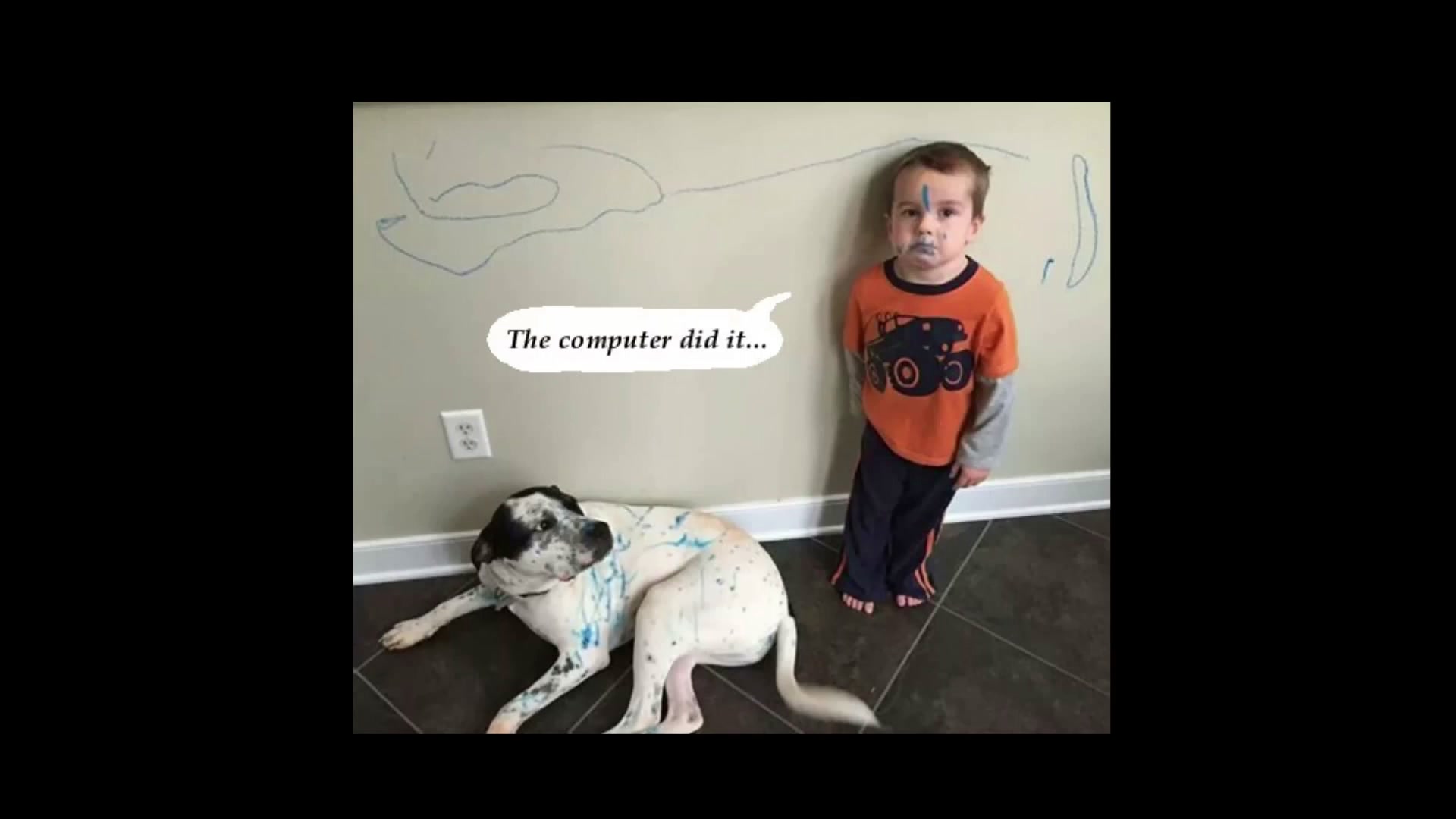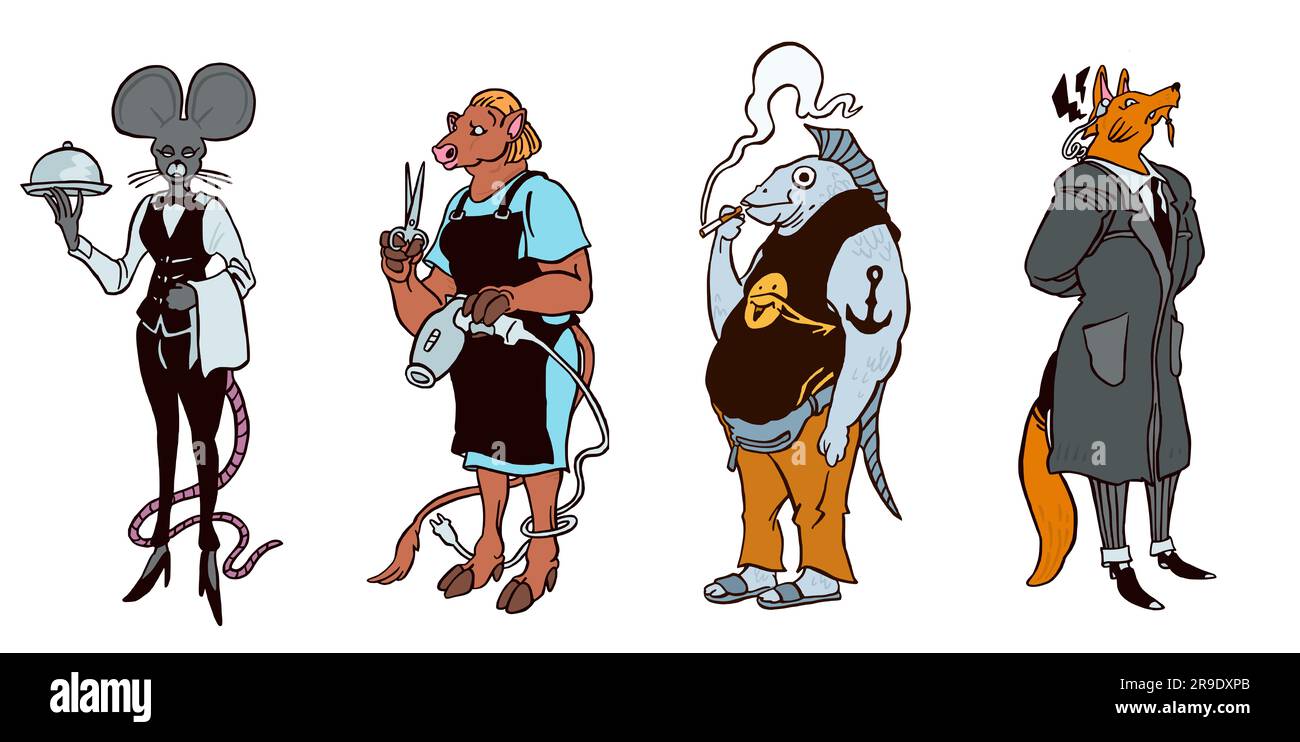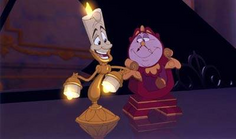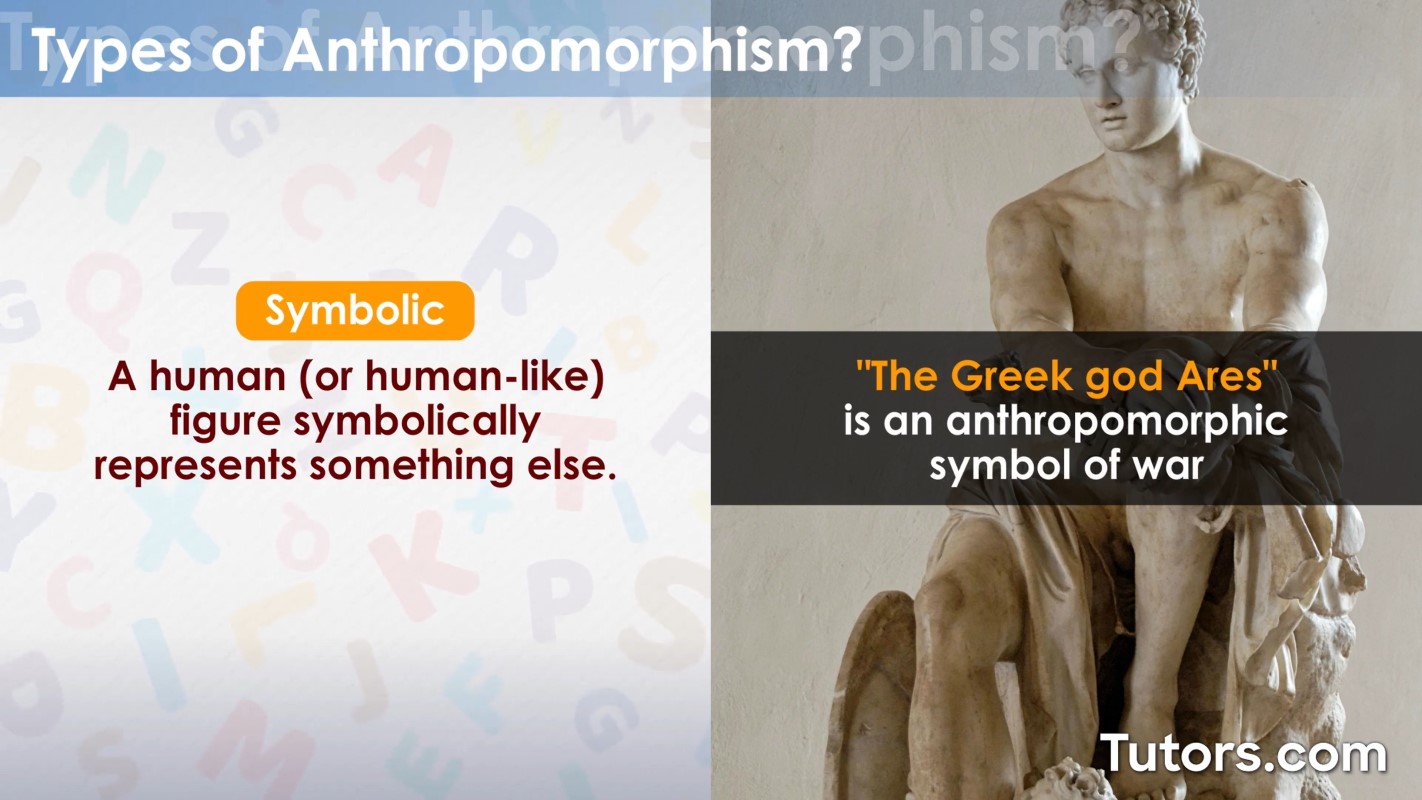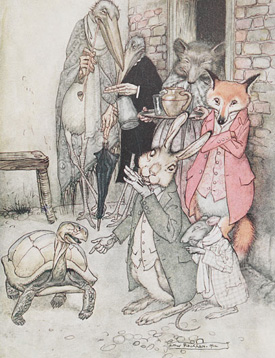
What if the next time you picked up a graphic novel, the characters staring back at you weren’t just ink on paper—but beings with thoughts, emotions, and personalities so vivid they felt like real people? This isn’t just the magic of storytelling; it’s the subtle art of anthropomorphism, a psychological phenomenon that transforms inanimate figures into relatable entities. Graphic novels, with their dynamic visuals and narrative depth, are a playground for this cognitive dance. They don’t just depict characters; they invite readers to see the world through their eyes, to laugh with their quirks, and to empathize with their struggles. But how does this alchemy of form and psychology work, and what challenges does it pose to both creators and audiences?
The Allure of the Humanized: Why We See Ourselves in Everything
Anthropomorphism is as old as human cognition itself. From the earliest cave paintings to modern memes, we’ve projected human traits onto the non-human world. This isn’t mere whimsy; it’s a survival mechanism. Our brains are wired to detect agency—whether it’s a predator lurking in the shadows or a mischievous fox in a fable. When we encounter a character in a graphic novel, our minds instinctively ask: *What would I do in their shoes?* This cognitive shortcut, known as the “intentional stance,” allows us to navigate complex social landscapes by attributing human-like motives to anything that moves or interacts.
Graphic novels amplify this effect by blending visual cues with narrative context. A character’s exaggerated facial expressions, dynamic poses, or even their choice of clothing become shorthand for personality. A villain with a jagged silhouette and piercing eyes doesn’t just *look* threatening; we *feel* the threat. This visceral response is no accident—it’s the result of millennia of evolutionary wiring, repurposed for the page. But here’s the twist: while anthropomorphism makes stories more engaging, it also risks oversimplifying the non-human. Are we projecting humanity onto these characters, or are we seeing fragments of their true, alien nature?

The Graphic Novel as a Psychological Mirror: Empathy and the Uncanny Valley
Graphic novels are uniquely positioned to exploit the tension between familiarity and strangeness. Consider the “uncanny valley” effect, where a character that’s almost—but not quite—human triggers discomfort. A graphic novel’s stylized art can skirt this pitfall by embracing abstraction. Think of the fluid, rubbery limbs of a cartoon character or the geometric precision of a manga protagonist. These visual choices create a safe distance, allowing readers to engage without the cognitive dissonance of near-human replicas.
Yet, this distance is a double-edged sword. The more a character resembles a human, the more we expect their behavior to align with human norms. A graphic novel that pushes its anthropomorphism too far—say, a talking animal with a fully realized inner monologue—risks breaking immersion. The reader’s brain stumbles, caught between the character’s animal instincts and their human-like dialogue. This is where the challenge lies: balancing anthropomorphic charm with narrative coherence. Too little humanization, and the character feels like a prop. Too much, and the illusion shatters.
Empathy, too, plays a starring role. Graphic novels often use anthropomorphism to explore marginalized perspectives. A non-human character might symbolize a social outcast, their struggles mirroring real-world biases. This narrative device can be powerful, but it also demands sensitivity. Are we using anthropomorphism to illuminate human experiences, or are we reducing complex issues to simplistic allegories? The line between insight and exploitation is thin, and graphic novelists must tread carefully.
The Art of the Pose: How Body Language Speaks Volumes
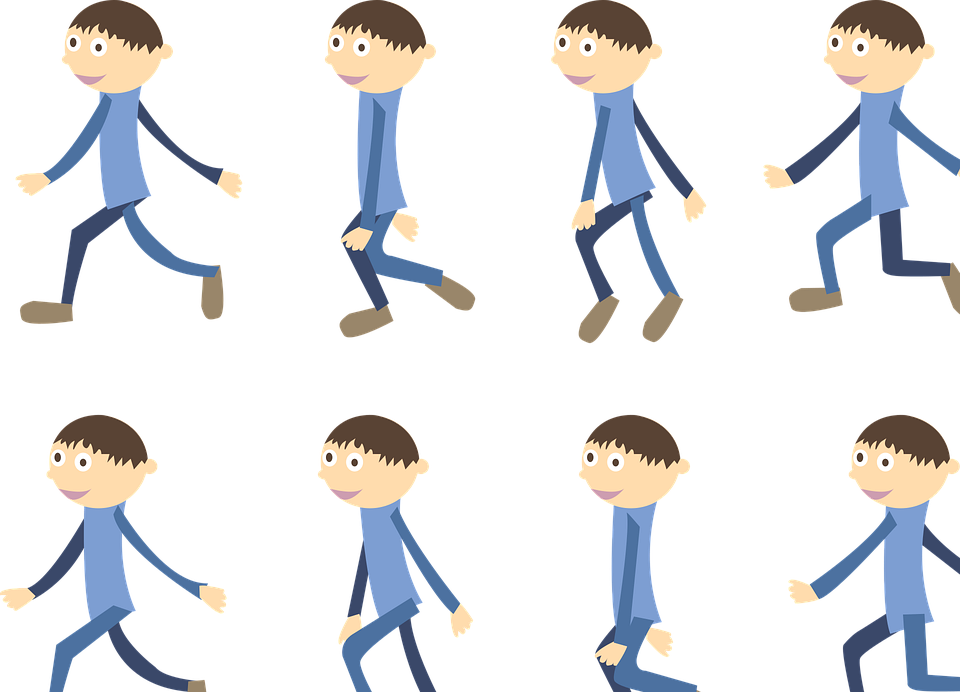
In graphic novels, every line and curve is a whisper to the reader’s subconscious. A character’s posture can convey confidence, vulnerability, or defiance without a single word. Consider the slouched shoulders of a defeated hero or the wide stance of a triumphant sidekick. These visual cues are a form of anthropomorphic shorthand, translating emotions into universally recognizable gestures.
But poses aren’t just about emotion—they’re about power dynamics. A character who looms over the frame commands authority, while one who shrinks into the background feels overlooked. Graphic novelists manipulate these spatial relationships to guide the reader’s perception. A villain who occupies the top half of a panel isn’t just taller; they’re *superior*, their dominance baked into the composition. This psychological leverage is subtle but potent, turning static images into dynamic social interactions.
Yet, poses can also be a trap. Over-reliance on clichéd stances—think the “angry eyebrows” trope or the “hand-on-hip sass”—can flatten a character’s depth. The challenge for artists is to innovate, to use body language not as a crutch but as a storytelling tool. A character’s gait, their fidgeting, even the way they tilt their head can reveal more about their psyche than pages of dialogue ever could.

Challenges and Pitfalls: When Anthropomorphism Backfires
Anthropomorphism isn’t a one-way street. While it can deepen engagement, it can also distort reality. A graphic novel that anthropomorphizes a natural disaster—say, a hurricane with a face and a grudge—might make the threat feel more tangible, but it also risks trivializing its impact. The same goes for cultural or historical figures. Reducing a complex individual to a caricature, no matter how charming, can strip them of their nuance.
There’s also the risk of over-explaining. When a non-human character’s motivations are too human, the narrative can feel forced. Why does a talking tree care about human politics? Why does a robot weep over lost love? These questions aren’t just philosophical—they’re practical. A graphic novel must justify its anthropomorphic choices, or risk feeling like a gimmick. The solution? Ground the fantastical in the relatable. A robot’s “emotions” might stem from a malfunction, or a tree’s wisdom could be a metaphor for environmental stewardship. The key is to make the human-like traits feel earned, not arbitrary.
Finally, there’s the challenge of audience expectations. Not all readers respond to anthropomorphism in the same way. Some may find it endearing; others may find it jarring. Graphic novelists must consider their audience’s cognitive flexibility. A children’s book can afford to lean into whimsy, while a mature graphic novel might use anthropomorphism to explore darker themes, like identity or existentialism. The challenge is to strike the right balance—enough humanization to connect, but enough strangeness to intrigue.
The Future of Anthropomorphism in Graphic Novels: Trends and Innovations
As graphic novels evolve, so too does their use of anthropomorphism. Digital tools are pushing boundaries, allowing artists to create characters with unprecedented fluidity and detail. Motion comics, where static images come to life with subtle animations, are blurring the line between page and screen. This new medium could redefine how we perceive anthropomorphic characters, making their movements feel even more lifelike—and thus, more human.
There’s also a growing trend toward *deanthropomorphism*—the deliberate stripping away of human traits to explore alien perspectives. A graphic novel might feature a protagonist who experiences the world through non-visual senses, or a society where communication relies on color shifts rather than speech. These innovations challenge readers to reconsider their own anthropocentrism, offering a fresh lens through which to view the world.
Yet, the core appeal of anthropomorphism remains unchanged. It’s a bridge between the known and the unknown, the human and the inhuman. As long as stories are told, characters will continue to step off the page and into our hearts—whether they’re wearing capes, fur, or nothing at all.