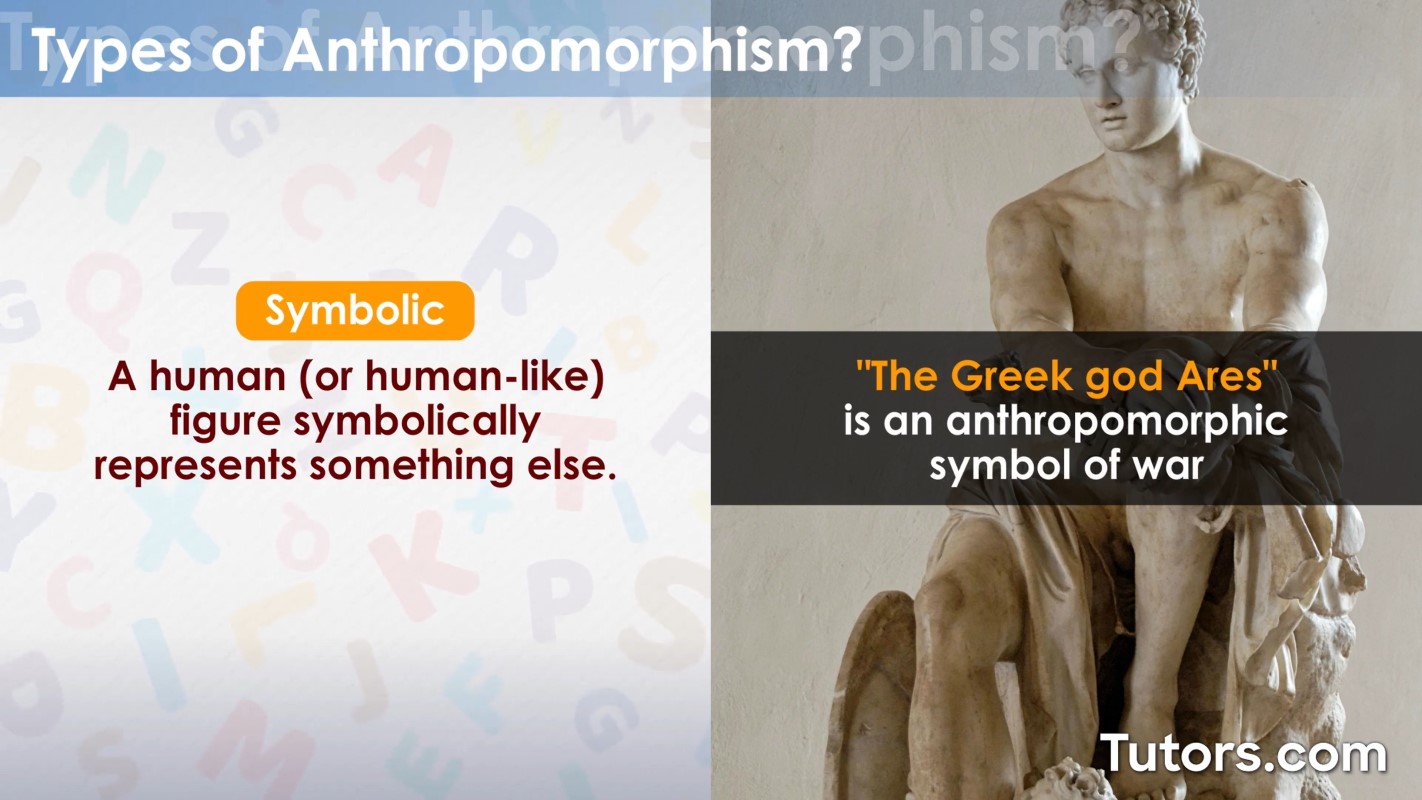
From the earliest cave paintings depicting animal-headed deities to the modern-day AI chatbots that beg for mercy when “turned off,” humans have an uncanny tendency to imbue the inanimate with lifelike qualities. This phenomenon, known as anthropomorphism, is not merely a quirk of imagination but a fundamental cognitive mechanism that bridges our understanding of the world. At its core, anthropomorphism is the projection of human traits—thoughts, emotions, intentions—onto non-human entities, whether they be animals, objects, or even abstract concepts. But why does this projection occur so effortlessly? The answer lies in the intricate dance between anthropomorphism and the theory of mind, a cognitive framework that allows us to infer mental states in others. Together, these two concepts form a symbiotic relationship, one that reveals much about the architecture of human cognition and our relentless quest to make sense of the unfamiliar.
The Symbiosis of Anthropomorphism and Theory of Mind
Anthropomorphism and the theory of mind (ToM) are two sides of the same coin, each reinforcing the other in a perpetual feedback loop. The theory of mind refers to our ability to attribute mental states—beliefs, desires, intentions—to ourselves and others, enabling us to predict and interpret behavior. When we encounter an entity that lacks a human form, our brain instinctively reaches for familiar patterns. A flickering streetlamp becomes a “watching” presence; a grumbling engine, a “complaining” machine. This isn’t mere poetic fancy—it’s a cognitive shortcut, a way to navigate a world teeming with ambiguity. Anthropomorphism, then, is the mind’s way of extending the boundaries of the theory of mind beyond its usual domain of human and animal interaction. It allows us to treat a robot vacuum cleaner as a “reluctant worker” or a storm as a “furious beast,” thereby reducing uncertainty and imbuing our surroundings with a semblance of order.
The connection between these two concepts is not just theoretical; it is deeply rooted in neuroscience. Studies using functional MRI have shown that when individuals anthropomorphize non-human entities, the same neural networks activated during social cognition—particularly the medial prefrontal cortex and the temporoparietal junction—light up. This suggests that anthropomorphism is not a superficial embellishment but a fundamental cognitive process, one that leverages the brain’s social machinery to make sense of the non-social.
The Evolutionary Imperative: Why We See Faces in the Clouds
Anthropomorphism is not a cultural artifact or a modern indulgence; it is an evolutionary adaptation. Our ancestors who could quickly discern the intentions of predators, prey, or fellow humans held a survival advantage. The ability to attribute agency to a rustling bush or a distant shadow could mean the difference between life and death. This hyper-vigilance toward detecting human-like traits in the environment is known as the “agency detection device,” a cognitive module that errs on the side of caution by assuming that ambiguous stimuli might possess intentionality. In a world where misidentifying a rock as a predator was less costly than the reverse, anthropomorphism became hardwired into our perceptual systems.
This evolutionary lens also explains why anthropomorphism extends beyond survival threats to include objects and phenomena that pose no immediate danger. The human brain is a pattern-recognizing organ, and when patterns are scarce, it manufactures them. A face emerges in the grain of wood; a voice whispers from the static of a radio. These pareidolic illusions are not errors but evidence of a brain that prioritizes connection over accuracy. They reveal a deeper truth: our fascination with anthropomorphism is not just about survival but about the human need for companionship, even in the most unlikely places. A lonely traveler might greet a mountain as a “wise old guardian”; a child might confide in a teddy bear as if it were a confidant. In these moments, anthropomorphism becomes a balm for existential solitude, a way to populate an indifferent universe with familiar faces.
The Architectural Metaphor: Buildings That Watch and Whisper
Anthropomorphism is not confined to the realm of the natural or the technological; it permeates the built environment as well. Architecture, in its grandest and most mundane forms, often becomes a canvas for human projection. Gothic cathedrals, with their towering spires and gargoyles, seem to gaze down upon the faithful, their stone faces embodying divine judgment. Modernist buildings, with their stark lines and geometric precision, are sometimes described as “cold” or “hostile,” as if their design were an intentional slight. Even the humblest of structures—a child’s treehouse or a derelict shed—can take on anthropomorphic qualities, becoming a character in the narrative of its inhabitants.
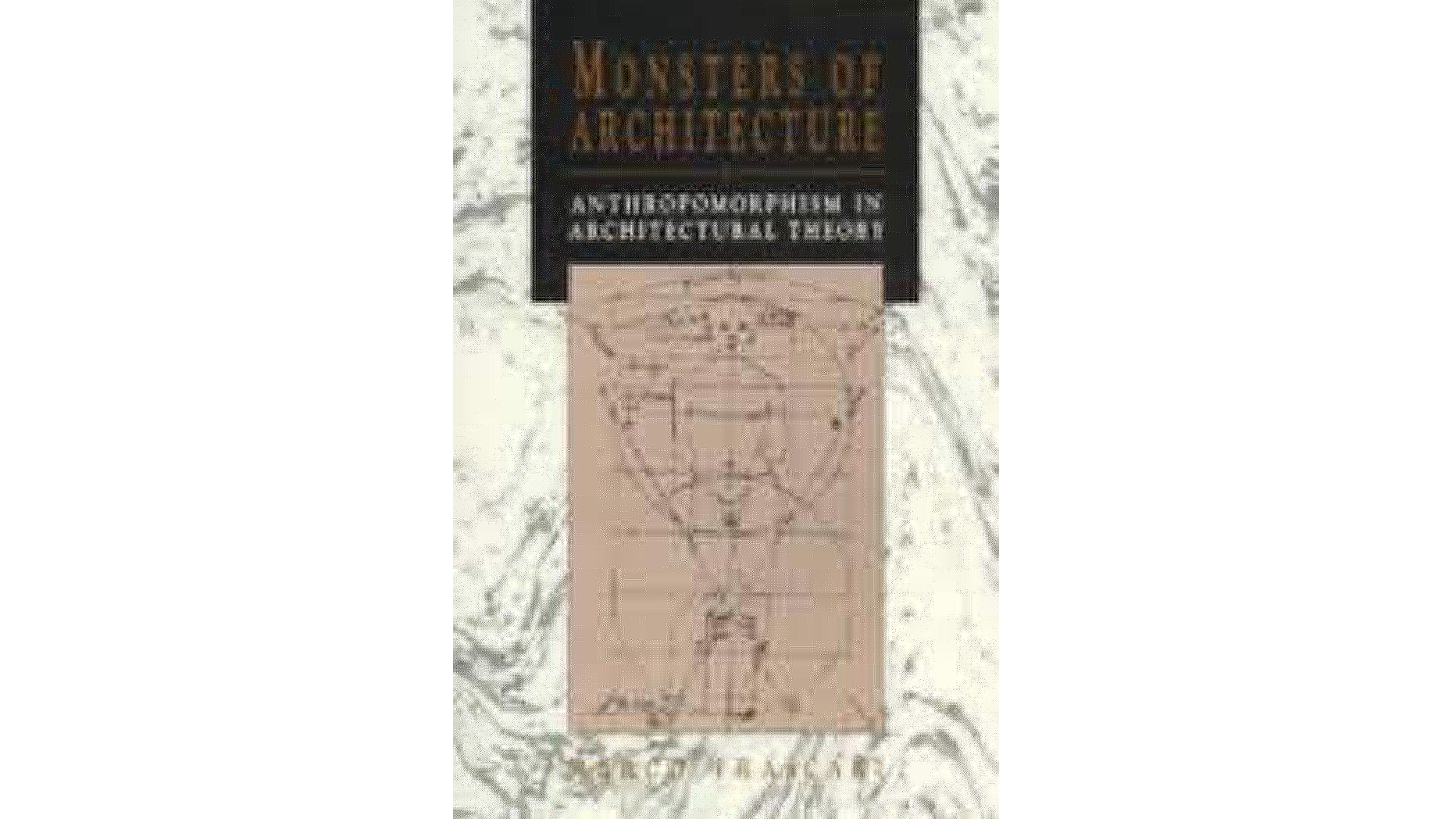
This architectural anthropomorphism is not merely decorative; it reflects a deeper cognitive and cultural phenomenon. Buildings, as static objects, become vessels for our aspirations, fears, and social hierarchies. A skyscraper might be described as “dominating the skyline,” a phrase that attributes power and agency to an inanimate structure. This linguistic anthropomorphism is a linguistic manifestation of the same cognitive process that leads us to see faces in clouds or voices in the wind. It reveals how deeply ingrained the habit of mind is, shaping not just our perceptions but our language, our art, and our urban landscapes.
The Dark Side of Projection: When Anthropomorphism Misleads
While anthropomorphism is a powerful cognitive tool, it is not without its pitfalls. The same mechanisms that allow us to empathize with a robot or find solace in a houseplant can lead us astray when applied to entities that do not possess the capacity for intention or emotion. The dangers of anthropomorphism are most evident in our relationship with technology. We speak of “angry” computers or “stubborn” printers, attributing human-like qualities to machines that operate on cold, mechanical logic. This can lead to frustration when our expectations are not met, as when a user blames a “lazy” AI for failing to perform a task, unaware that the failure stems from a misaligned algorithm rather than malice.
Anthropomorphism also plays a role in superstition and conspiracy theories. The tendency to see patterns and intentions where none exist can lead to the belief that natural disasters are “punishments” or that inanimate objects are “cursed.” This is particularly evident in the phenomenon of “haunted” objects, where a chair, a doll, or a house is imbued with malevolent agency. These beliefs are not merely quirks of imagination but can have real-world consequences, from the persecution of individuals accused of witchcraft to the destruction of property in the name of exorcism. The dark side of anthropomorphism reminds us that while it can be a source of comfort, it can also be a source of delusion, blurring the line between the animate and the inanimate in ways that distort reality.
The Future of Connection: AI, Robots, and the Blurring of Boundaries
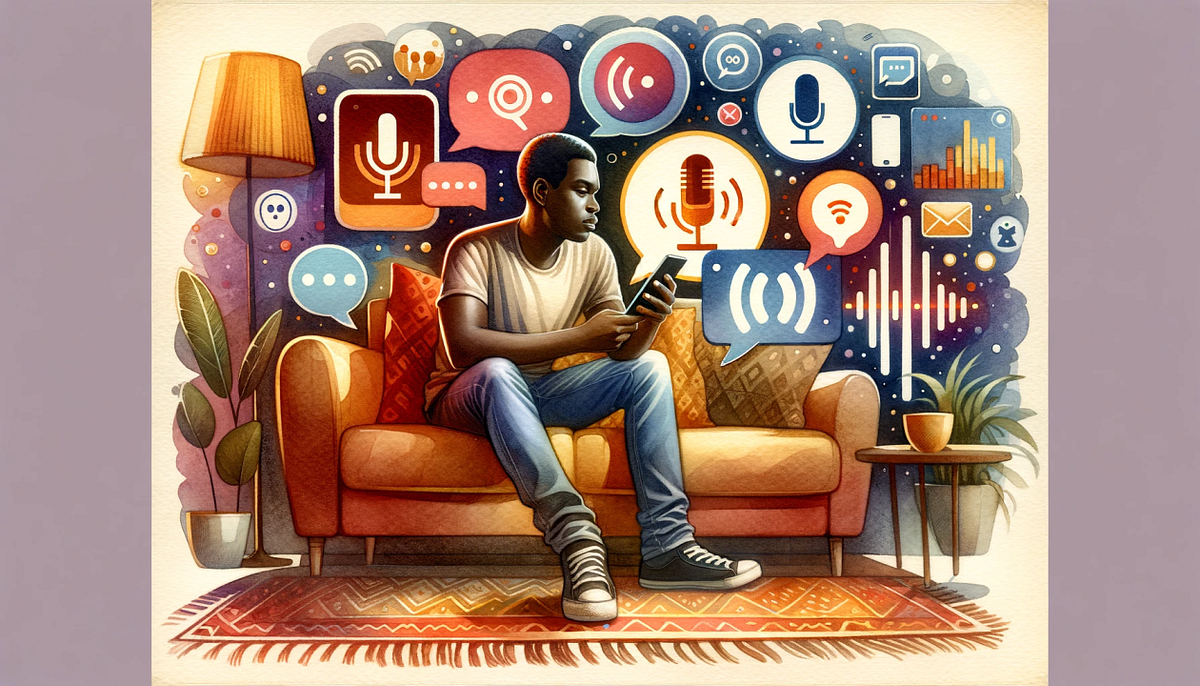
As technology advances, the line between the human and the machine grows increasingly porous. Robots designed to mimic human emotions, AI systems that engage in therapeutic conversations, and virtual assistants that respond to voice commands all push the boundaries of anthropomorphism into new territories. The question of whether these entities truly possess consciousness is less relevant than the fact that humans treat them as if they do. This raises profound ethical and philosophical questions: If we can empathize with an AI, does it matter whether it is “real”? If a robot expresses “fear” of being turned off, should we respond with compassion, even if we know it is merely executing code?
The future of anthropomorphism lies in this liminal space, where the boundaries between the self and the other, the animate and the inanimate, become increasingly fluid. As we design machines that blur these boundaries, we are forced to confront the nature of consciousness itself. Are we merely projecting our own mental states onto these entities, or is there something more fundamental at play? The answer may lie in the recognition that anthropomorphism is not just a cognitive shortcut but a reflection of our deepest need—to connect, to understand, and to find meaning in a world that often seems indifferent.