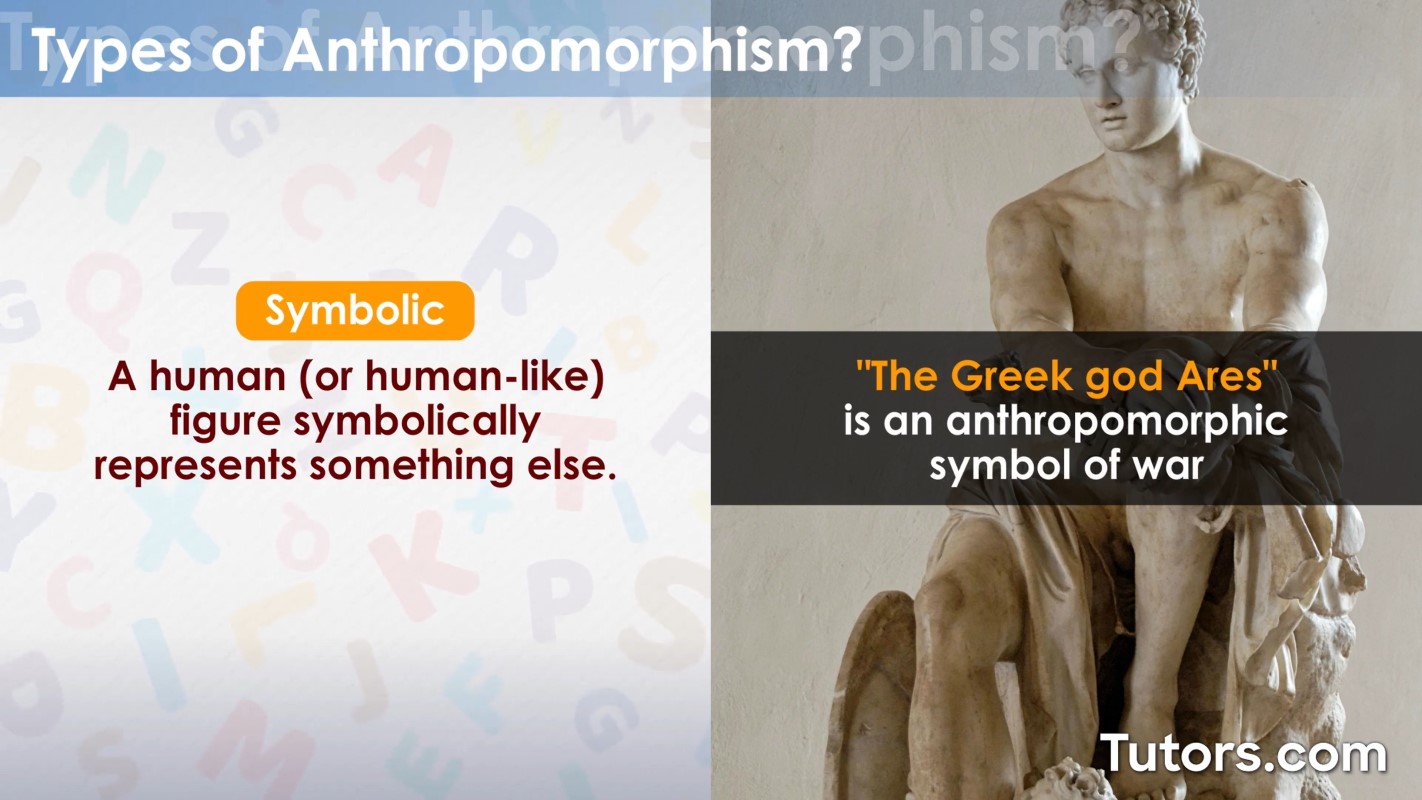
Anthropomorphism—the attribution of human traits, emotions, or intentions to non-human entities—has long been a fascinating and pervasive phenomenon in human culture. It subtly infiltrates everything from storytelling and art to religious and spiritual beliefs. When examining spiritual traditions, the impact of anthropomorphism emerges as a profound confluence of psychological, cultural, and existential dimensions that shape how individuals and communities conceptualize the divine. This inclination towards humanizing the sacred illuminates not only a universal cognitive disposition but also a deeper, almost intrinsic yearning to bridge the abyss between the finite human experience and the infinite mysteries of existence.
The Universal Impulse to Humanize the Divine
Throughout history and across disparate cultures, spiritual systems frequently depict deities and supernatural forces with distinctly human characteristics: emotions, intentions, and even corporeal forms. This universal impulse to anthropomorphize the divine serves several pivotal functions. Primarily, it renders the ineffable more accessible and comprehensible. Faced with the enormity of existence and the enigma of the transcendent, humans instinctively impose familiar frameworks to make sense of the unknown. By attributing human-like desires, vulnerabilities, and relationships to gods, spiritual narratives become tangible stories that resonate with lived human experience.
Moreover, this tendency addresses a fundamental cognitive need. Humans possess an evolved heuristic to interpret agents in their environment—recognizing intentionality is crucial for navigating social landscapes. Extending this heuristic to spiritual beings provides a scaffold for interaction and understanding. The divine, anthropomorphized, is no longer a distant abstraction but a social agent whose actions can be interpreted, predicted, and related to, enhancing the individual’s sense of connection to the cosmos.
Anthropomorphism as a Psychological Anchor
Beyond mere conceptual convenience, anthropomorphism serves as a psychological anchor within spiritual frameworks. Wrestling with existential questions often engenders anxiety, uncertainty, and a profound sense of vulnerability. When divinity is envisioned in human terms—capable of compassion, wrath, forgiveness, or love—it offers emotional moorings amidst uncertainty. These human attributes imbue spiritual belief with affective significance, enabling adherents to emotionally engage with the divine in profoundly personal ways.
An anthropomorphic god or spirit acts as a figure of both reverence and consolation. This perception permits the sacred to become an interactive presence that can respond to human actions and prayers. Consequently, spiritual practice transcends ritualistic behavior and transforms into relational dialogue. The deity’s human-like traits foster trust and psychological intimacy, which are essential for sustaining religious commitment and personal faith.
Implications for Doctrinal Narratives and Rituals
Anthropomorphic depictions of spiritual beings significantly influence doctrinal narratives and ritualistic expressions. Sacred texts and oral traditions frequently embed divine characters with vivid human attributes to articulate moral lessons, cosmological principles, or eschatological visions. These personified portrayals stimulate imagination and ethical reflection, allowing adherents to grapple with complex theological ideas through narrative embodiment.
For example, stories of gods experiencing jealousy, anger, or love mirror human dilemmas, offering paradigms for behavior and ethical contemplation. Rituals often mimic these divine characteristics or re-enact mythic dramas, fostering communal participation in sacred mysteries. The embodied portrayal of divinity infuses rituals with dramatic tension and symbolic poignancy. This dramatization enhances the experiential dimension of spirituality, where emotional and cognitive elements intertwine, thereby solidifying communal bonds and reinforcing doctrinal consistency.
Cultural Variability and the Spectrum of Anthropomorphism
It is crucial to recognize that anthropomorphism in spirituality is neither monolithic nor uniformly emphasized across all religious traditions. The spectrum ranges from highly anthropomorphic deities—complete with physical forms and psychological traits—to abstract or formless conceptions of the divine that eschew human likeness entirely. Understanding this variability reveals how cultural contexts shape and modulate the human propensity for anthropomorphism, influenced by philosophical, theological, and historical contingencies.
Eastern philosophies, such as certain strands of Buddhism and Hinduism, often depict divinity in more abstract or symbolic terms; nevertheless, anthropomorphic gods persist alongside abstract principles in many traditions. Conversely, the Abrahamic faiths have historically balanced anthropomorphic depictions with transcendental attributes, occasionally cautioning against over-literal humanization of God to preserve divine otherness. These dynamic tensions reflect an ongoing negotiation between the desire for intimacy and the dread of trivializing the sacred.
The Fascination with Anthropomorphism: Deeper Psychological and Existential Roots
The enduring fascination with anthropomorphism in spirituality reveals deeper psychological and existential currents. It channels a profound human quest for meaning, identity, and connection within an often indifferent universe. By mapping human qualities onto the divine, individuals and communities craft ontological bridges that mitigate existential isolation.
This fascination may also be rooted in the human need for narrative coherence. Anthropomorphic figures occupy liminal spaces between the known and the unknown, offering coherent stories that integrate divine action with human destiny. These narratives fulfill a psychological drive not only to understand existence but also to feel embedded within a cosmically significant framework.
In essence, anthropomorphism serves as a creative and cognitive conduit through which spirituality becomes a living, breathing discourse—imbued with relational depth and existential reassurance. It is a testament to the immeasurable complexity of human consciousness, intertwining the tangible and the transcendent in an eternal dance of meaning-making.
Conclusion: The Enduring Legacy of Anthropomorphism in Spiritual Thought
The influence of anthropomorphism on spiritual beliefs is both profound and multifaceted. It acts as a bridge between human cognition and the ineffable, a psychological anchor amid uncertainty, and a rich substrate for narrative and ritual. By humanizing the divine, spirituality transforms into a dynamic and intimate realm where abstract doctrines become relatable realities.
Far from a simplistic projection, anthropomorphism reveals the nuanced ways in which humans pursue connection—in meaning, community, and transcendence. The fascination with humanized divinities points toward an essential truth: that spirituality, at its core, is a deeply human endeavor to understand ourselves in relation to the vast and mysterious cosmos. This enduring motif in spiritual thought invites continual exploration, reminding us that the human face of the divine is as much a mirror of ourselves as it is a window to the beyond.