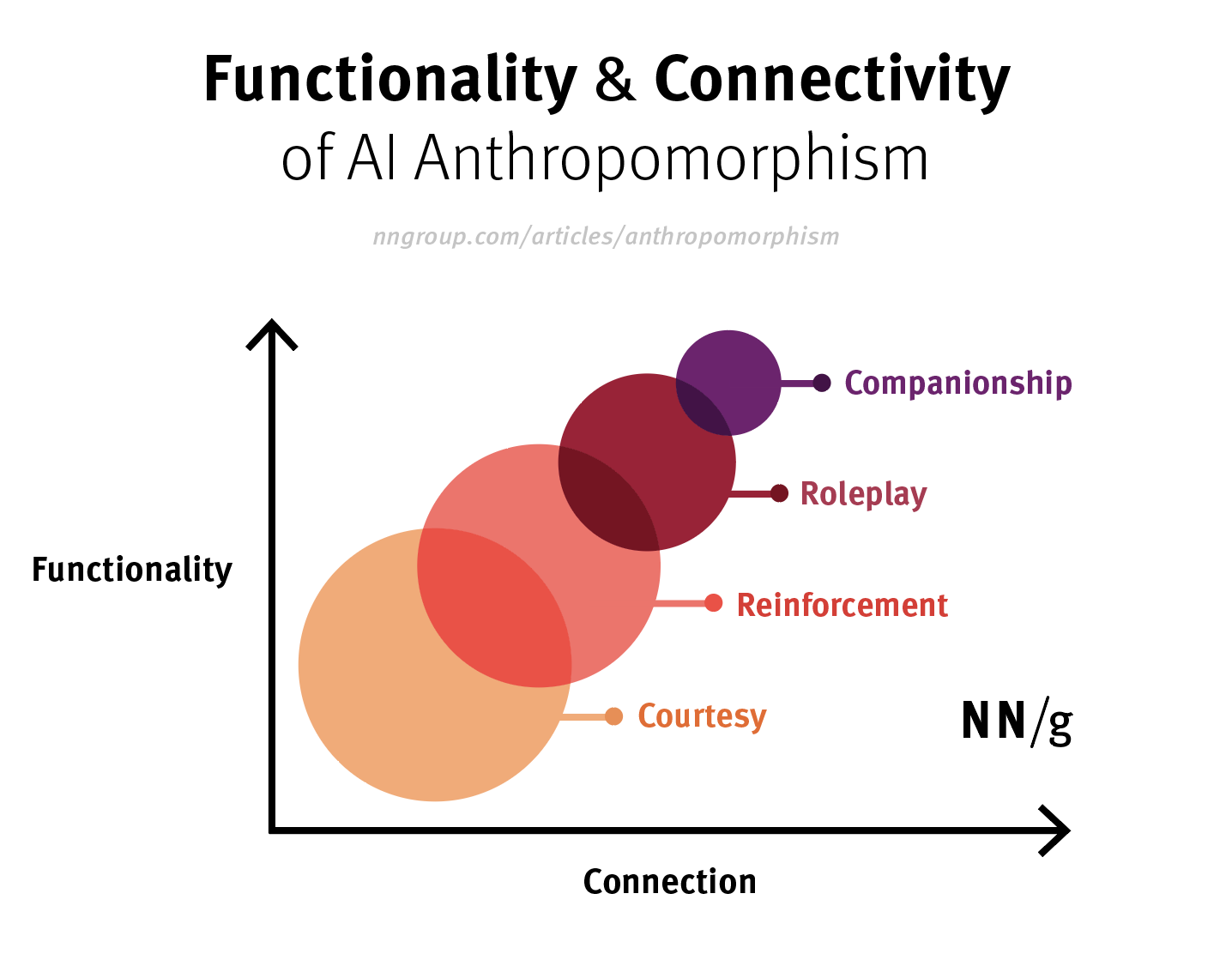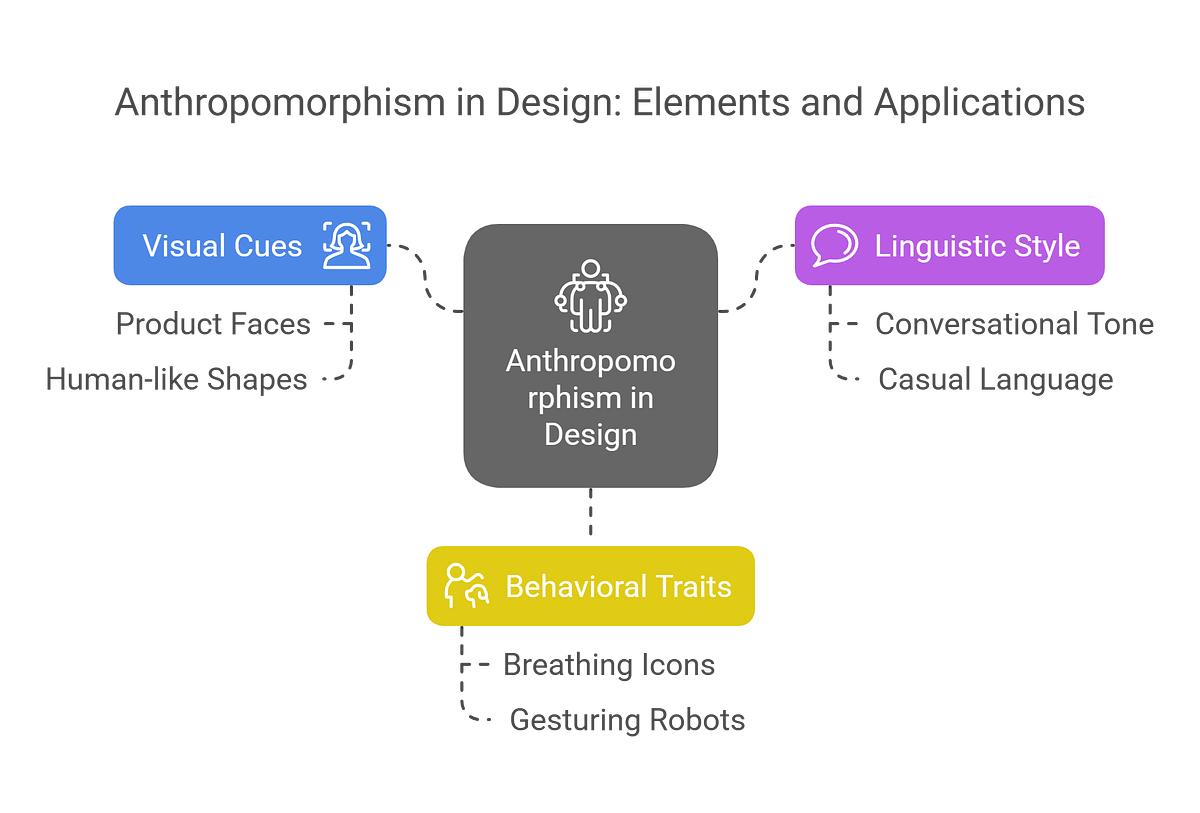
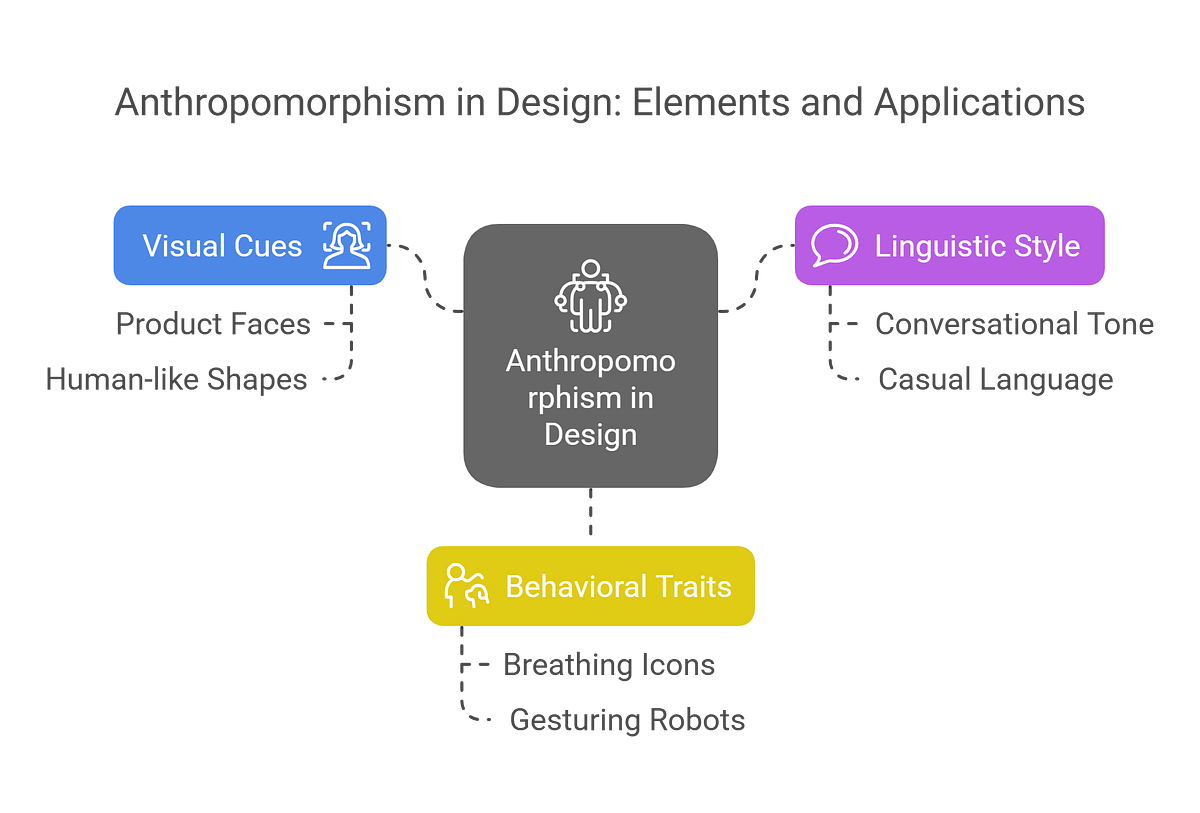
In the vast landscape of visual communication, logos stand as silent ambassadors of identity, distilling the essence of a brand into a single, memorable mark. Yet, beyond their functional role, many logos possess an almost uncanny ability to evoke human-like qualities—smiles, eyes, or even entire figures—transforming them from mere symbols into entities that feel eerily familiar. This phenomenon, known as anthropomorphism, is not a modern invention but a deeply rooted psychological tendency that bridges the gap between abstraction and human connection. Why do we instinctively ascribe human traits to inanimate designs? The answer lies in the intricate dance between perception, emotion, and the subconscious mind, where logos become more than identifiers; they become companions in our daily lives.
The Allure of the Human Face in Logo Design
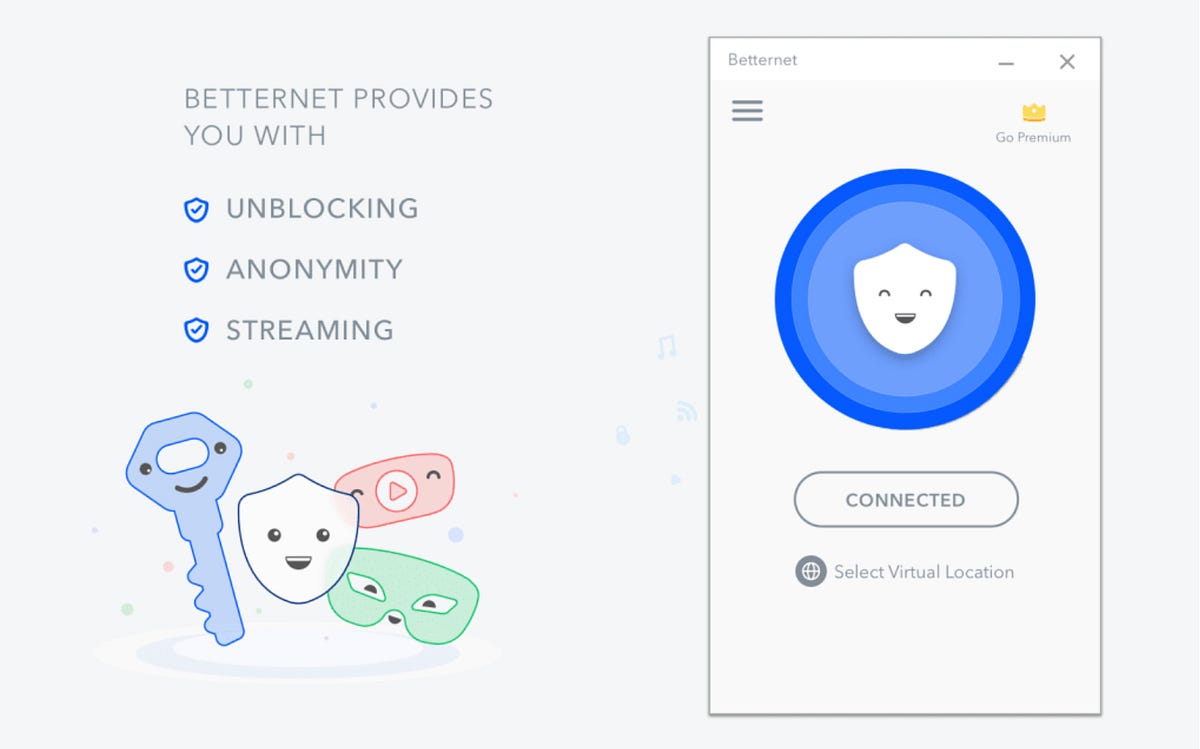
Few visual elements command attention as swiftly as the human face. Evolutionary psychology suggests that our brains are hardwired to prioritize facial recognition, a survival mechanism honed over millennia. When a logo incorporates facial features—whether subtly, like the upward curve of a smile in the Amazon arrow, or overtly, like the Twitter bird’s beady eyes—it triggers an immediate emotional response. This is not mere coincidence but a deliberate exploitation of our innate wiring. The human face is a canvas of emotion, and by embedding it into a logo, designers tap into a universal language of expression. A logo that smiles, winks, or gazes directly at the viewer doesn’t just represent a brand; it invites interaction, fosters trust, and creates a sense of intimacy.
Consider the FedEx logo, where the negative space between the “E” and “x” forms an arrow—a subtle yet powerful nod to forward motion. While not overtly anthropomorphic, the arrow’s implied dynamism mimics the energy of a human stride, subtly endowing the design with life. This interplay between form and function demonstrates how even abstract anthropomorphism can evoke human-like qualities without resorting to literal representation. The key lies in the viewer’s ability to project meaning onto the design, a cognitive process known as pareidolia, where the brain interprets random patterns as familiar shapes.
Anthropomorphism as a Bridge to Emotional Resonance
Brands are not static entities; they are living, breathing organisms in the eyes of their consumers. Anthropomorphism transforms logos from cold, corporate symbols into entities with personalities, values, and even flaws. This transformation is particularly potent in industries where trust and relatability are paramount, such as healthcare or hospitality. Take the logo of a children’s hospital, for instance, where a stylized child’s face might be incorporated into the design. The logo doesn’t just represent the institution; it embodies care, warmth, and a commitment to healing—qualities that resonate deeply with patients and families.
The psychological underpinnings of this phenomenon are rooted in the theory of mind, the human capacity to attribute mental states to others. When we see a logo with human-like features, we subconsciously assume it possesses intentions, emotions, and agency. This assumption fosters empathy, making the brand feel more approachable and trustworthy. For example, the Michelin Man, with his plump, friendly figure, doesn’t just advertise tires; he embodies reliability, strength, and a touch of whimsy. His anthropomorphic form turns a utilitarian product into a character, one that consumers can root for and remember.
Yet, anthropomorphism is not without its pitfalls. Overindulgence in human-like traits can lead to unintended consequences, such as the uncanny valley effect, where designs become so lifelike that they evoke discomfort rather than connection. A logo that attempts to mimic human features too closely—think of a cartoonish face with exaggerated proportions—may come across as jarring or even unsettling. The challenge for designers, therefore, is to strike a balance between relatability and abstraction, using anthropomorphism as a tool to enhance emotional engagement without crossing into the realm of the grotesque.
The Cultural and Historical Roots of Anthropomorphic Logos
The practice of imbuing symbols with human-like qualities is as old as human civilization itself. Ancient cultures frequently depicted gods, animals, and objects with human traits, believing that such representations would make the divine more accessible and relatable. The Egyptians, for instance, merged human and animal forms in their deities, such as the jackal-headed Anubis, to convey specific attributes like protection and guidance. This tradition of anthropomorphism persisted through the ages, evolving into the heraldic crests of medieval Europe, where animals and mythical creatures were used to symbolize noble virtues.
In the modern era, anthropomorphism in logo design has been shaped by the rise of consumer culture and the need for brands to differentiate themselves in crowded markets. The 20th century saw the emergence of mascots—human-like characters that embodied brand values—such as the Pillsbury Doughboy or the Quaker Oats man. These characters didn’t just adorn packaging; they became the face of the brand, lending it a personality and a story. Today, digital platforms and social media have amplified the reach of anthropomorphic logos, allowing them to interact with consumers in real-time, whether through animated versions of static designs or interactive campaigns that play on the logo’s human-like qualities.
Cultural context plays a pivotal role in how anthropomorphic logos are perceived. In Western societies, where individualism and personalization are highly valued, logos that feature human traits often emphasize uniqueness and charisma. In contrast, collectivist cultures may prefer logos that reflect harmony and unity, using anthropomorphic elements to evoke a sense of community. For example, a logo for a family-owned business in Japan might incorporate a stylized family crest, blending tradition with modernity to convey heritage and trust.
The Science Behind Our Fascination with Anthropomorphic Logos
The human brain is a master of pattern recognition, constantly seeking meaning in the world around us. Anthropomorphic logos exploit this tendency by presenting designs that resemble, but do not fully replicate, human forms. This partial resemblance triggers a cognitive process known as cognitive dissonance, where the brain grapples with the discrepancy between the familiar (human traits) and the unfamiliar (a logo). To resolve this dissonance, the brain fills in the gaps, imbuing the logo with intention and emotion. This phenomenon explains why we might feel as though a logo is “watching” us or “smiling” at us, even when we know it’s merely a static image.
Neuroscientific research supports this idea, showing that the brain’s fusiform face area—a region responsible for facial recognition—lights up when viewing anthropomorphic designs. This activation is not just a passive response but an active engagement, where the brain interprets the logo as a social entity. The emotional centers of the brain, such as the amygdala and the insula, are also stimulated, creating a sense of connection and empathy. This neurological response is why anthropomorphic logos are so effective in advertising; they bypass the rational mind and speak directly to the emotional core of the consumer.
Moreover, anthropomorphism taps into our innate desire for social interaction. Humans are social creatures, and our brains are wired to seek out relationships, even with non-human entities. This is why we anthropomorphize pets, cars, and even household objects. When a logo takes on human-like qualities, it becomes a social actor in the consumer’s mind, one that can be trusted, admired, or even criticized. This dynamic is particularly evident in the rise of brand personalities, where companies deliberately craft logos and messaging to evoke specific human traits—think of Apple’s minimalist, innovative persona or Coca-Cola’s friendly, nostalgic charm.
Practical Applications and Future Trends in Anthropomorphic Logo Design
For designers and brands looking to leverage anthropomorphism, the key is subtlety. A logo doesn’t need to feature a full-fledged character to be effective; sometimes, the most powerful anthropomorphic elements are the smallest. The Nike swoosh, for instance, is a simple curve, yet its dynamic form suggests motion and energy, qualities associated with human athleticism. Similarly, the Apple logo’s bite mark, while not overtly human, evokes the idea of taking a bite out of knowledge, a metaphor that resonates with the brand’s innovative spirit.
Interactive and animated logos are emerging as the next frontier in anthropomorphic design. With advancements in technology, logos can now “come to life” through micro-animations, responding to user interactions with subtle gestures or expressions. For example, a logo might “blink” when a user hovers over it or “smile” when a purchase is completed. These dynamic elements enhance engagement, making the brand feel more responsive and alive. The rise of augmented reality (AR) and virtual reality (VR) further expands the possibilities, allowing logos to exist in three-dimensional spaces where they can interact with users in real-time.
As we move forward, the challenge for designers will be to balance innovation with authenticity. Anthropomorphism must feel organic, not forced. A logo that tries too hard to be human may come across as gimmicky or insincere. The most successful anthropomorphic designs are those that align with the brand’s core values and resonate with the target audience’s emotions. Whether through minimalist abstraction or overt character design, the goal remains the same: to create a logo that feels like more than just a symbol—one that feels like a friend.