Anthropomorphism, the attribution of human traits, emotions, or intentions to non-human entities, permeates various facets of human interaction. While often linked to literature, art, and media, its implications extend deeply into group dynamics, shaping perceptions, behaviors, and social cohesion. This phenomenon subtly influences how groups function, how cohesion is forged, and how conflicts are managed. Exploring the multifaceted effects of anthropomorphism within collective settings reveals compelling insights into human psychology and social interaction.
Anthropomorphism as a Catalyst for Social Cohesion
In group settings, anthropomorphism often serves as a powerful unifying force. When non-human elements—such as mascots, symbols, or organizational artifacts—are endowed with human characteristics, they become focal points around which collective identity coalesces. This anthropomorphic projection fosters feelings of familiarity and emotional connection, facilitating stronger bonds among group members. It taps into innate social cognition mechanisms that prioritize human-like entities, making abstract concepts or complex organizational goals more relatable and emotionally resonant.
For example, mascots representing sports teams or corporate identities often possess personified attributes, providing a narrative that unites varied individuals under a shared emblem. The attribution of motivations or emotions to these representations heightens group loyalty and encourages collaboration, as members internalize the mascot’s supposed values and spirit. This increased sense of connection not only elevates morale but also enhances cooperative behaviors within the group.
Enhancing Communication through Anthropomorphic Metaphors
Communication within groups can become convoluted, especially when dealing with abstract ideas or complex processes. Anthropomorphism introduces an accessible heuristic by framing these intangible elements in human terms. This technique allows group members to navigate ambiguity with greater ease and fosters mutual understanding.
For instance, referring to an organization as a “living organism” with a “heartbeat” and “nervous system” anthropomorphizes the entity, making its internal dynamics easier to conceptualize. Such figurative language imbues the organization with agency, enabling participants to discuss problems and solutions with greater empathy and clarity. Anthropomorphic metaphors simplify cognitive processing of intricate systems and stimulate imaginative engagement, which can be pivotal in brainstorming sessions or conflict resolution scenarios.
Influence on Leadership Perceptions and Group Hierarchy
Anthropomorphism also plays a critical role in shaping perceptions of leadership within group dynamics. Leaders who are anthropomorphized—either through narratives or symbolic representation—often become more relatable and approachable to their followers. This humanization process can amplify trust and emotional investment, fostering a more cohesive and motivated cohort.
Conversely, when leadership or authority figures are stripped of humanizing qualities and perceived as impersonal or mechanistic, group members may experience disengagement or alienation. Anthropomorphism, therefore, acts as a double-edged sword. It can galvanize group alignment when leaders are portrayed with human warmth and fallibility, but may also perpetuate unrealistic expectations or dependence if idealization becomes excessive.
Impact on Conflict Resolution and Empathy Development
Conflict is an inherent aspect of group interactions, challenging cohesion and productivity. Anthropomorphism facilitates empathy within these turbulent moments by humanizing opposing viewpoints or abstract entities involved in disputes. By attributing human emotions or intentions to otherwise inanimate factors, group members find it easier to comprehend diverse perspectives and emotions, paving the way for reconciliation.
For example, in negotiations involving procedural rules or organizational policies, characterizing these elements as “trusted advisors” or “guardians of fairness” encourages members to perceive them positively rather than as faceless impediments. This shift in perception softens adversarial attitudes and promotes open-minded dialogue. Consequently, anthropomorphic framing becomes a strategic tool in conflict management, fostering emotional intelligence and collaborative problem-solving.
Risks of Over-Anthropomorphizing and Potential Misinterpretations
Despite its advantages, excessive or inappropriate anthropomorphism within groups can engender misunderstanding or unrealistic assumptions. Imbuing non-human elements with human-like intentionality may lead to erroneous attributions of accountability or moral judgment, complicating group processes. For instance, blaming a “stubborn” software system or a “lazy” department obscures objective analysis and hinders constructive criticism.
Moreover, over-anthropomorphizing can contribute to scapegoating or distorted group narratives, where non-human agents are unfairly demonized or idealized. This deviation from rational appraisal may escalate conflicts or entrench bias, ultimately undermining cohesion and effectiveness. Awareness of these pitfalls is essential to maintaining a balanced application of anthropomorphism within group dynamics.
Applications in Virtual Teams and Digital Collaboration
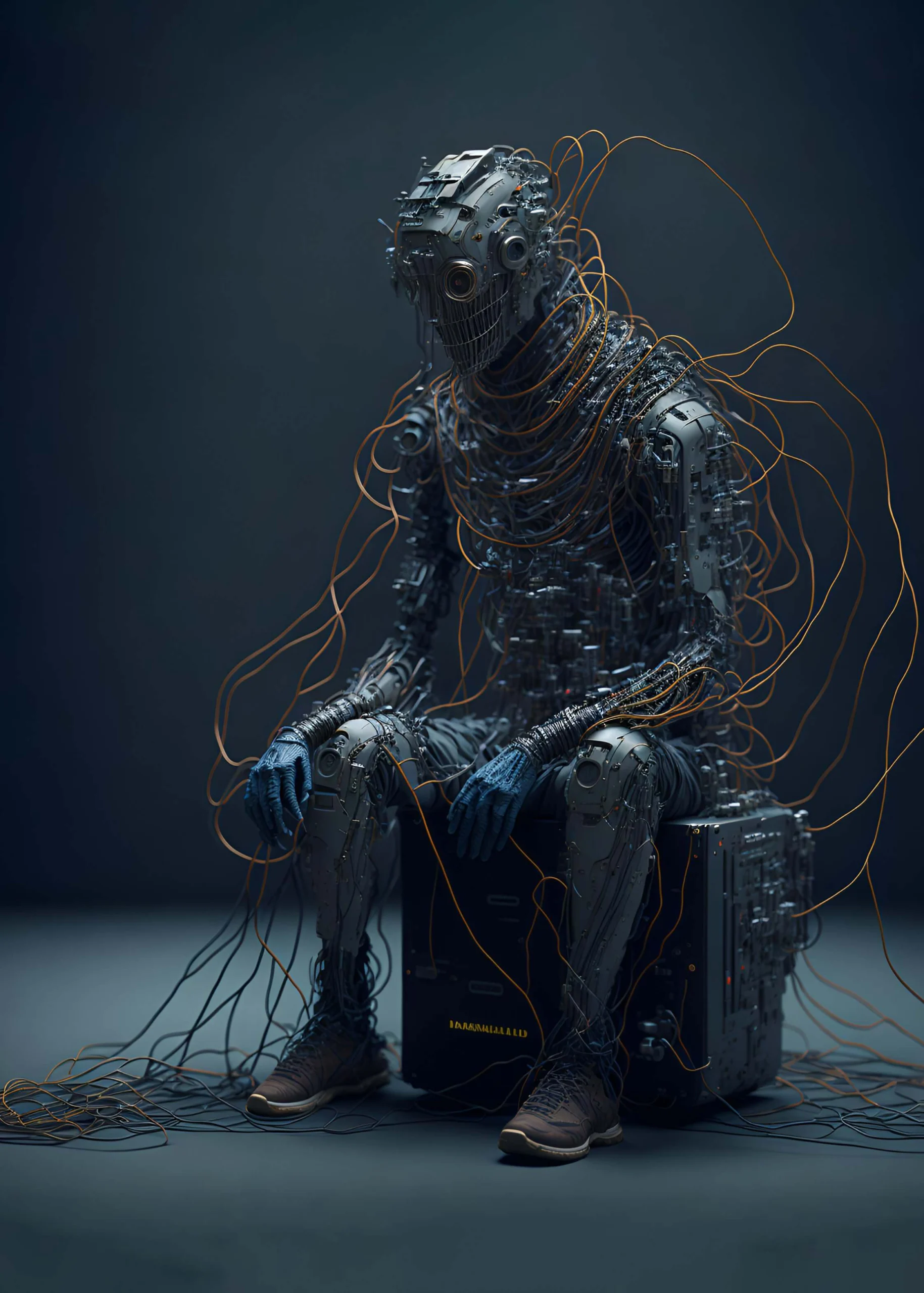
In modern contexts, particularly within virtual teams and remote collaboration, anthropomorphism assumes novel forms and functions. Avatars, chatbots, and digital assistants endowed with human-like traits provide a semblance of social presence, bridging physical gaps and cultivating rapport among dispersed team members. These anthropomorphic technologies enhance engagement and facilitate interpersonal connection, which are otherwise challenged by digital interfaces.
By assigning personalities and emotional responsiveness to digital tools, groups experience more natural, fluent interactions, reducing feelings of isolation or impersonality. However, reliance on such personifications also necessitates critical evaluation to ensure that technology augments rather than replaces genuine human bonds. The interplay between anthropomorphism and emerging communication modalities is reshaping group dynamics in profound and unpredictable ways.
Conclusion: The Subtle Artistry of Anthropomorphism in Group Dynamics
Anthropomorphism subtly weaves into the fabric of group dynamics, influencing how individuals connect, communicate, and collaborate. By humanizing non-human elements, it fosters social cohesion, clarifies communication, and shapes leadership perceptions, while also promoting empathy in conflict resolution. Nonetheless, judicious application is imperative to avoid misinterpretations that could destabilize group harmony.
Whether through symbolic mascots, metaphorical language, or digital personifications, anthropomorphism remains a potent yet nuanced mechanism in the orchestration of group behavior. Understanding its multifarious effects equips groups to harness its benefits and mitigate its drawbacks, ultimately enhancing collective functioning in an ever-evolving social landscape.