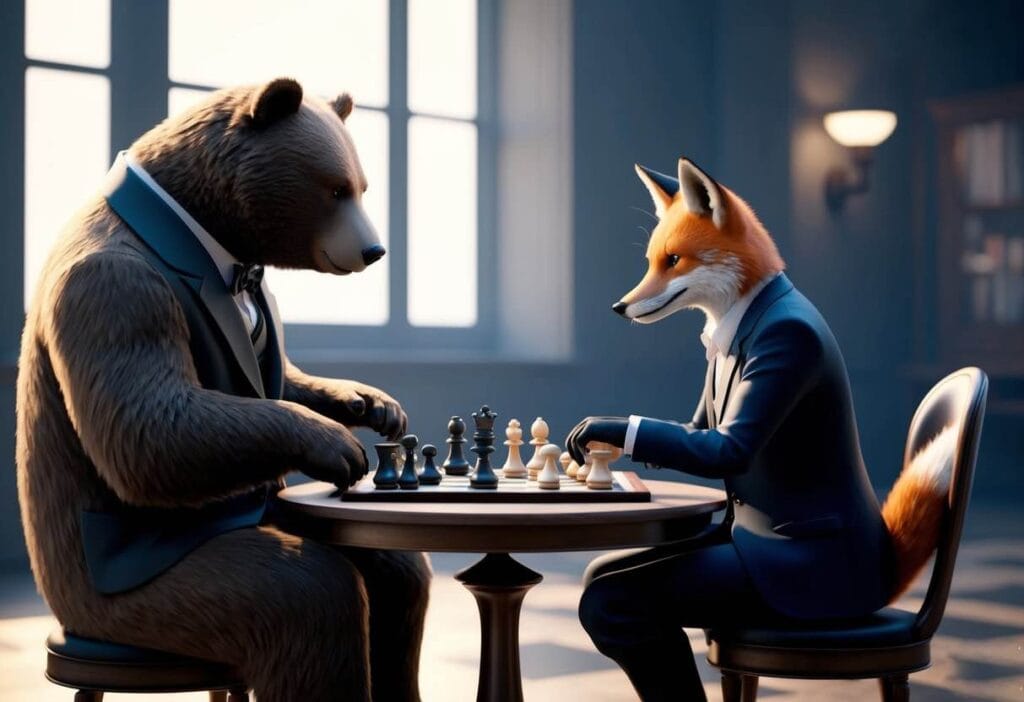
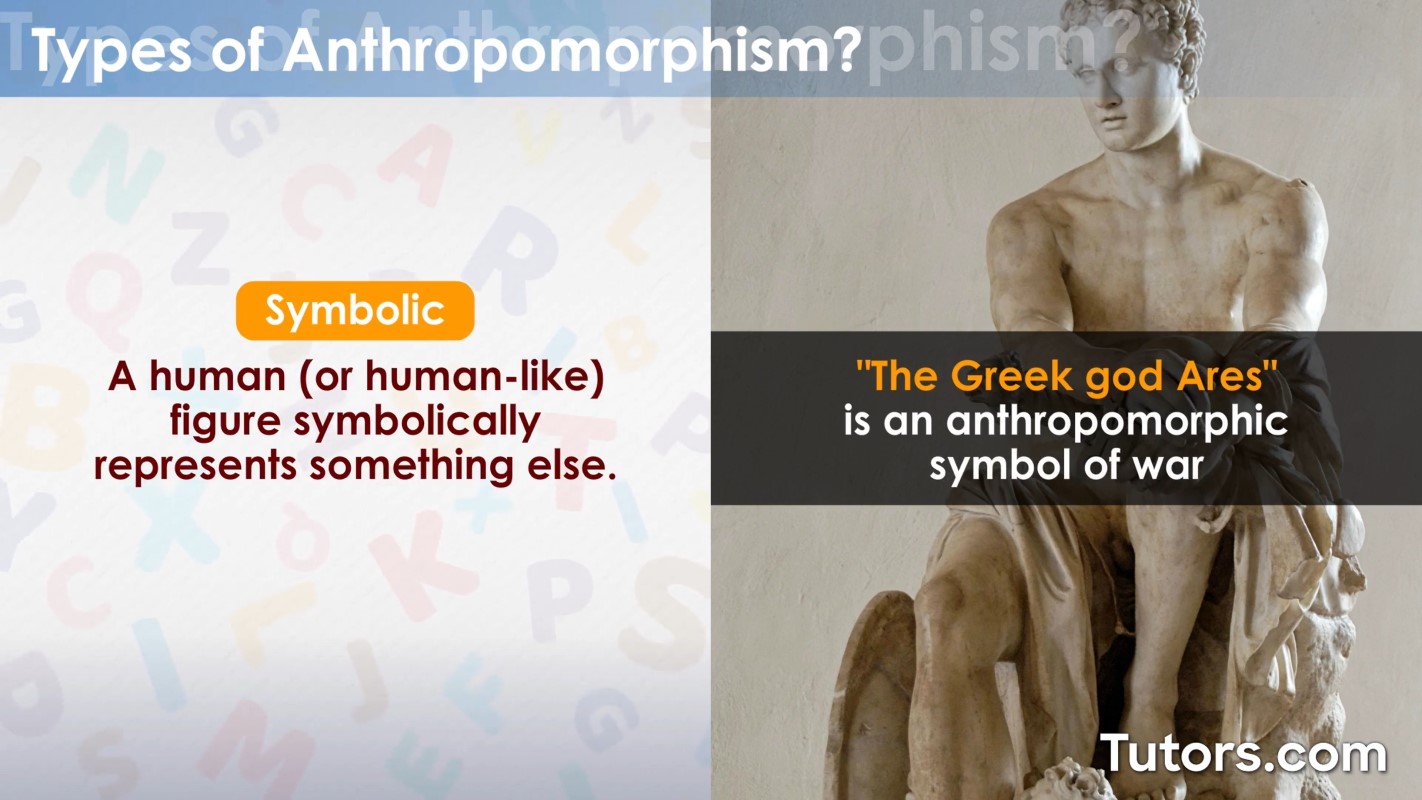
Have you ever paused to wonder what it would be like if animals wore human expressions or wielded human intentions? Anthropomorphism, the attribution of human traits, emotions, or intentions to non-human entities, is a whimsical concept often reserved for children’s stories and films. But what happens when this playful notion infiltrates the realm of law, a domain defined by precision and objectivity? This case study unravels how anthropomorphism—once considered merely fanciful—posed a formidable challenge in the courtroom, ultimately shaping a landmark legal case with far-reaching implications.
Anthropomorphism: Beyond Innocence into Legal Complexity
At first blush, anthropomorphism might seem innocuous—an imaginative lens through which people interpret animal behavior or even inanimate objects. Yet, within legal disputes, this lens can distort critical facts and influence judicial outcomes. The challenge lies in the inherent tension between humanizing non-human subjects to foster empathy or understanding, and the necessity for strict evidence-based adjudication. When courts encounter testimonies or arguments laden with human projections, they risk veering away from objectivity and toward a nebulous realm where feelings overwhelm facts.
The Case Emerges: When Animal Behavior Meets Human Intention
In this landmark legal confrontation, the core issue revolved around interpreting a non-human’s actions within a framework traditionally reserved for human actors. The central question posed was deceptively simple yet profoundly intricate: Should courts evaluate the conduct of an animal based on observed behavior alone, or could inferred emotions and intentions—derived from anthropomorphic interpretations—play a decisive role? This challenge thrust the judiciary into uncharted waters where scientific inquiry, legal principles, and societal values collided.
Interpreting Evidence: The Peril of Human Projections
Judicial systems predicate decisions on tangible evidence and credible witness testimony. However, when witnesses attribute complex human motives to an animal’s actions—such as spite, malice, or calculated revenge—a precarious line is crossed. Such projections risk anthropomorphic distortion, relegating the objective truth to mere conjecture. The case spotlighted how these subjective interpretations could confuse culpability assessments, blurring the boundary between animal instinct and intentional wrongdoing. Courts had to navigate this labyrinth carefully to prevent miscarriages of justice rooted in anthropomorphic misinterpretations.
Scientific Perspectives: Disentangling Fact from Fancy
Integrating veterinary science and animal behavior studies was pivotal to clarifying the facts. Experts provided insights into species-specific instincts, neurological responses, and behavior patterns—emphasizing that animals, while capable of complex reactions, do not operate under human social constructs that govern intent and morality. This scientific testimony was essential to temper the emotional texture of the case with empirical rigor. It underscored that while animals may exhibit behaviors reminiscent of humans, attributing legal responsibility based on human psychological frameworks is fundamentally flawed.
Legal Precedents and the Evolving Jurisprudence
The case did not occur in a vacuum but built upon a foundation of prior rulings grappling with the role of non-human actors in the eyes of the law. The judiciary’s evolving stance highlighted an increasing sophistication in differentiating between anthropomorphic interpretation and objective legal analysis. This case became a crucible for refining doctrines related to animal liability, negligence, and personhood, challenging courts to articulate clearer standards that resist the seductive allure of human projection. The resultant verdict established new jurisprudential parameters, safeguarding the integrity of legal interpretation against anthropomorphic bias.
Implications for Future Litigation and Legal Thought
The ripple effects of the case have been profound. It compelled legal professionals to rethink evidentiary criteria when animals or other non-human agents are involved. Moreover, it inspired a broader discourse on the intersection of empathy, justice, and legal objectivity. The case serves as a reminder that while compassion and imaginative understanding enrich human experience, the administration of justice demands a disciplined adherence to factual reality. Future litigation now carefully weighs the balance between recognizing animal welfare and avoiding the pitfalls of anthropomorphic overreach.
The Playful Question Revisited: Can We Trust Our Human Instinct to Judge the Non-Human?
This case leaves us contemplating a nuanced paradox—how does one engage meaningfully with beings that defy our linguistic and cultural categories without distorting them through anthropomorphic lenses? While empathy requires a degree of imaginative projection, judicial prudence mandates restraint. The ultimate challenge is to harness our human instinct for understanding and compassion without compromising the impartiality that defines legal inquiry. In other words, can the law embrace a certain playfulness in considering non-human actors without sacrificing its gravitas? This case illuminates that dance, forcing us to rethink the boundaries of justice itself.
Conclusion: Toward a More Nuanced Legal Understanding
In scrutinizing how anthropomorphism shaped this landmark legal case, it becomes evident that the law must tread carefully when human emotions and traits are ascribed to non-human actors. The judicial system’s response, integrating scientific evidence and evolving jurisprudence, reflects an adaptive institution attuned to the complexities of an increasingly interconnected world. This case stands as a testament to the ongoing negotiation between imagination and objectivity—a negotiation that will undoubtedly continue to shape the contours of justice in the years to come.