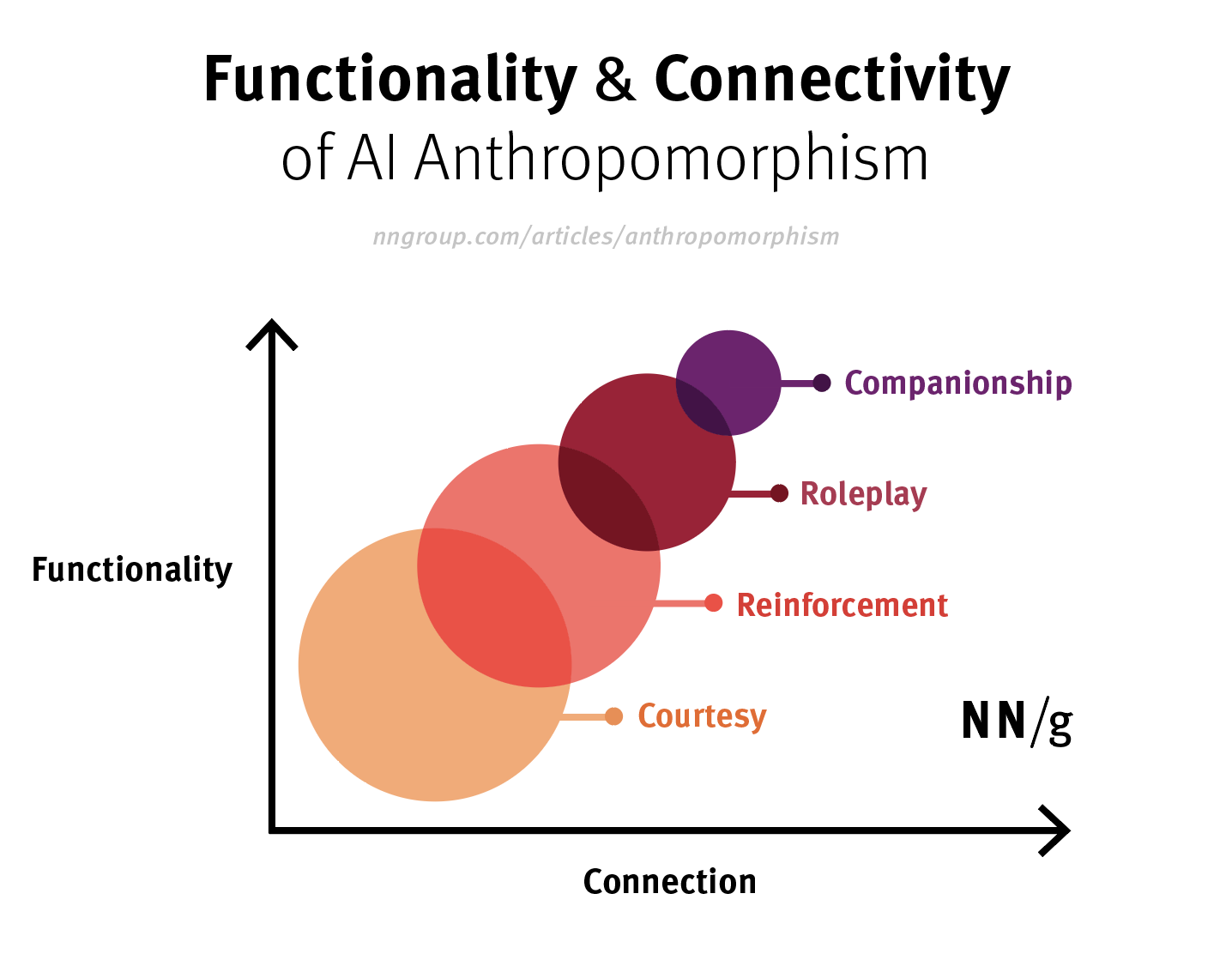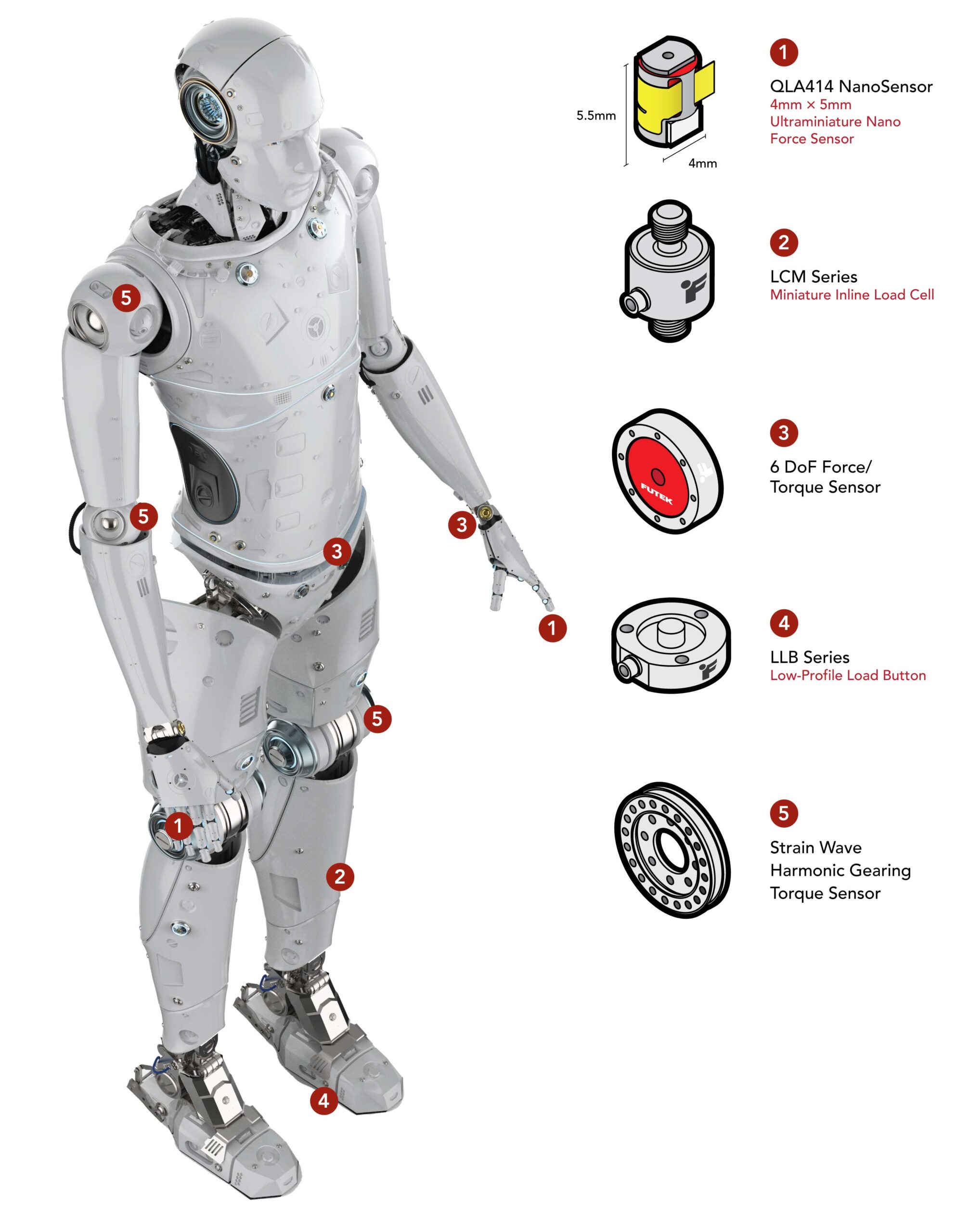
In the grand tapestry of technological evolution, few threads are as tantalizing—or as contentious—as the rise of humanoid robots. These machines, designed to mirror the human form with eerie precision, are no longer confined to the realm of science fiction. They stride into boardrooms, laboratories, and even our living rooms, their presence a testament to humanity’s relentless pursuit of innovation. But why humanoid? Why not a sleek, efficient, non-human design? The answer lies not in mere aesthetics, but in the profound psychological and functional implications of anthropomorphism—the art and science of making the inanimate appear eerily alive.
The Allure of the Familiar: Why Human-Like Designs Captivate Us
Humans are hardwired to recognize and respond to faces, gestures, and expressions. This phenomenon, known as pareidolia, compels us to see patterns where none exist—clouds forming faces, shadows resembling figures. When applied to robotics, this cognitive bias transforms machines into entities that feel almost sentient. A humanoid robot doesn’t just perform tasks; it invites interaction. Its upright stance, articulated limbs, and facial features trigger an instinctive rapport, blurring the line between tool and companion. This isn’t mere whimsy; it’s a strategic design choice rooted in neuroscience. Studies in human-robot interaction reveal that people are more likely to trust, cooperate with, and even anthropomorphize robots that resemble humans. The result? A seamless integration of technology into daily life, where machines don’t just assist but collaborate.
Consider the subtle artistry of a robot’s gait. A bipedal design isn’t just about stability—it’s about rhythm, about the cadence of movement that echoes our own. When a humanoid robot walks, it doesn’t just traverse space; it occupies it, claiming a presence that feels intentional. This kinematic familiarity reduces the cognitive load required to interact with it, making complex tasks feel intuitive. Whether it’s a caregiver robot assisting an elderly patient or a factory automaton assembling machinery, the human-like form ensures that the transition from human labor to robotic aid is less jarring, more organic.
Functionality Meets Form: The Practical Advantages of Humanoid Robots
Beyond the psychological pull, humanoid robots offer tangible functional benefits. Their design allows them to navigate environments built for humans—doorways, staircases, tools, and interfaces designed for two arms and two legs. A robot with a single manipulator might struggle to open a jar, but a humanoid counterpart can wield a screwdriver, turn a doorknob, or even shake a hand with disarming precision. This versatility is invaluable in sectors where adaptability is paramount: healthcare, where robots assist in surgeries or physical therapy; disaster response, where they navigate rubble-strewn landscapes; and even space exploration, where their dexterity could one day repair satellites or construct habitats on Mars.
Moreover, humanoid robots excel in tasks that require collaboration with humans. Unlike industrial arms that operate in isolation, a humanoid can work alongside a human coworker, sharing tools, communicating through gestures, and adapting to unstructured environments. In warehouses, for instance, a humanoid robot could pick items from shelves, pack boxes, and even interact with human staff without the need for specialized infrastructure. The efficiency gains are staggering—productivity soars when machines and humans operate in symbiosis, each leveraging the other’s strengths.
The Ethical Tightrope: When Does Anthropomorphism Cross the Line?
Yet, for all their promise, humanoid robots raise thorny ethical questions. If a machine mimics human behavior so convincingly that it elicits empathy, does it risk manipulating our emotions? Could a child, for example, become emotionally attached to a robot caregiver, only to face abandonment when the machine is upgraded or decommissioned? The phenomenon of uncanny valley—where near-human likeness induces discomfort rather than comfort—further complicates the issue. A robot that’s almost, but not quite, human can evoke revulsion, undermining its intended purpose. Designers must tread carefully, balancing realism with restraint to avoid unintended psychological consequences.
There’s also the matter of agency. As robots grow more sophisticated, the line between tool and autonomous entity blurs. If a humanoid robot makes a decision—say, prioritizing one patient’s care over another’s—who bears responsibility? The manufacturer? The programmer? The end user? These questions aren’t hypothetical; they’re already surfacing in fields like autonomous vehicles and AI-driven diagnostics. The humanoid form, with its human-like decision-making cues, amplifies these dilemmas, forcing society to confront the moral implications of creating machines that feel, in some ways, alive.
The Future Unfolds: Humanoid Robots as Catalysts for Societal Change
The rise of humanoid robots isn’t just a technological milestone—it’s a cultural reckoning. These machines challenge our definitions of labor, companionship, and even humanity itself. In Japan, robots like Honda’s ASIMO and SoftBank’s Pepper have already entered homes and care facilities, serving as companions for the elderly and educational tools for children. In the West, companies like Tesla and Figure AI are pushing the boundaries of bipedal mobility, envisioning robots that could one day perform household chores or assist in construction. The implications are vast: a future where robots don’t just replace human labor but augment it, freeing us to pursue creativity, innovation, and connection.
Yet, this future isn’t without its shadows. The displacement of human workers by automation is a well-documented concern, particularly in manufacturing and service industries. Humanoid robots, with their human-like interactions, could exacerbate this trend, making job loss feel more personal, more visceral. Policymakers and technologists must collaborate to ensure that the benefits of robotic assistance are distributed equitably, lest we create a world where only the privileged interact with these marvels of engineering.
Conclusion: A Mirror to Our Ambitions
Humanoid robots are more than machines; they are reflections of our deepest aspirations and fears. They promise to revolutionize industries, redefine human-machine collaboration, and even reshape our understanding of what it means to be human. Yet, they also force us to confront uncomfortable truths about ethics, agency, and the cost of progress. As these robots evolve from clunky prototypes to graceful collaborators, one thing is clear: the future won’t be built by humans alone. It will be co-created, step by step, gesture by gesture, by the silent partners we’ve only begun to imagine.
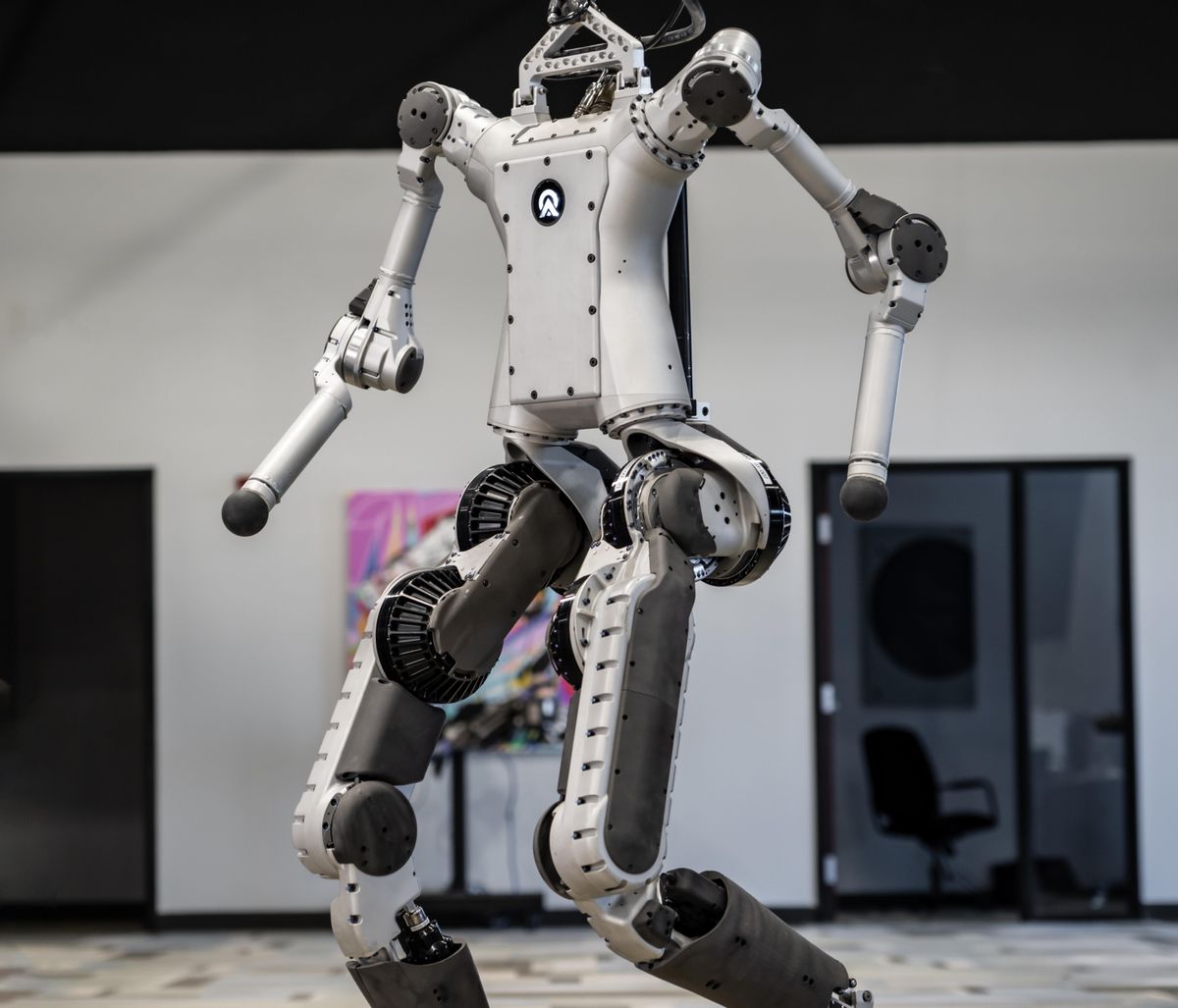
The humanoid robot stands as a silent sentinel at the intersection of art and engineering, embodying the duality of our technological dreams and ethical dilemmas.