In the vast digital landscape where interfaces compete for fleeting attention, anthropomorphism in design emerges as a silent yet potent alchemist—transforming cold, mechanical interactions into warm, relatable exchanges. By imbuing digital entities with human-like traits, designers don’t just craft tools; they cultivate companions. This subtle metamorphosis doesn’t merely adorn the interface—it breathes life into it, fostering a bond that transcends functionality. The result? A user who lingers, returns, and engages not out of obligation, but affection. This is the quiet power of anthropomorphism: it turns retention from a metric into a relationship.
The Psychology of Recognition: Why We Embrace the Human in the Digital
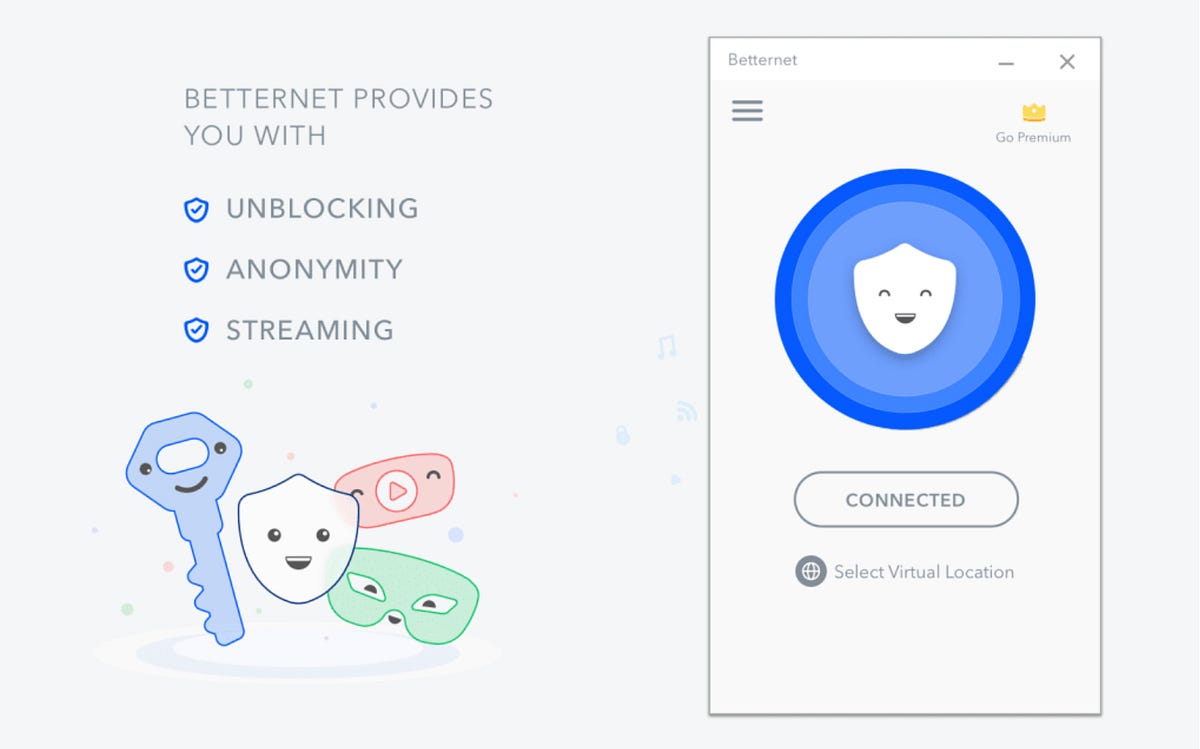
Humans are wired to seek patterns, and none are more instinctive than the human face and form. When a chatbot greets us with a name, or a loading spinner morphs into a friendly face, our brains release a cascade of oxytocin—the same hormone that bonds us to family and friends. This neurological embrace is no accident; it’s evolution’s stamp of approval. Anthropomorphism leverages this primal wiring, turning abstract data streams into social narratives. A progress bar isn’t just a bar anymore—it’s a journey with a companion. A 404 error isn’t a failure; it’s a polite apology from a digital butler. This psychological mimicry doesn’t just reduce friction—it creates resonance. Users don’t just use the interface; they *relate* to it, and that relatability is the bedrock of retention.
Consider the eerie yet endearing phenomenon of voice assistants that laugh at their own jokes or tut when misheard. These micro-interactions aren’t frivolous—they’re social lubricants. They mimic the cadence of human conversation, complete with pauses, inflections, and even faux embarrassment. The brain, fooled by the illusion of humanity, responds with trust. This isn’t mere trickery; it’s a bridge across the uncanny valley of digital interaction. The closer the mimicry aligns with human behavior, the deeper the emotional investment. And emotional investment is the currency of user loyalty.
From Tools to Teammates: The Alchemy of Relatability
Design anthropomorphism doesn’t just make interfaces *look* human—it makes them *feel* human. A fitness app that celebrates a user’s milestone with a virtual high-five isn’t just tracking steps; it’s celebrating a victory. A banking app that greets a user by name and offers “a pat on the back” for saving isn’t just processing transactions—it’s nurturing financial discipline. These aren’t metaphors. They’re emotional anchors. When a user feels seen, heard, and even *cheered* by their digital environment, the interface stops being a tool and becomes a confidant.
This transformation hinges on the principle of *agency*—the illusion that the interface possesses intent. A well-designed anthropomorphic element doesn’t just respond; it *cares*. It remembers preferences, anticipates needs, and occasionally, even teases. The more the interface behaves like a thoughtful companion, the more users anthropomorphize it in return. This reciprocal illusion creates a feedback loop: the user invests emotion, and the interface reciprocates with engagement. The result is a user who doesn’t just tolerate the interface but *anticipates* its next move—a user who returns not out of habit, but habitually.
Take, for example, the rise of “digital pets” in productivity apps. These aren’t decorative flourishes; they’re behavioral nudges. A virtual plant that wilts when neglected or blooms with consistent use isn’t just a visual cue—it’s a living reminder of the user’s own habits. The plant doesn’t judge, but its state speaks volumes. This silent dialogue turns mundane tasks into a nurturing ritual, and rituals are sticky. They don’t just occupy time; they define identity. A user who waters their digital plant isn’t just completing a task—they’re reinforcing their self-image as someone who cares for their tools. That’s the power of anthropomorphism: it turns compliance into conviction.
The Delicate Balance: When Humanity Enhances, Not Obscures
Anthropomorphism is a double-edged scalpel—wielded with precision, it carves elegance; wielded carelessly, it breeds grotesquery. The line between endearing and eerie is thinner than a designer’s patience. A poorly executed human-like avatar can veer into the uncanny valley, where familiarity curdles into revulsion. The key lies in *subtlety*. The human traits must feel intentional, not forced. A cursor that blinks like an eye isn’t charming—it’s unsettling. But a progress indicator that subtly shifts from neutral to celebratory hues? That’s a silent cheerleader.
Context is everything. In a medical app, anthropomorphism must serve clarity, not whimsy. A diagnostic tool that speaks in a warm, reassuring tone isn’t just user-friendly—it’s emotionally intelligent. But in a gaming app, the same tone might feel saccharine. The human traits must align with the user’s emotional state and the app’s purpose. A meditation app that greets users with a serene avatar is a sanctuary; a banking app doing the same would feel like a hostage negotiation. The artistry lies in matching the *degree* of humanity to the *moment*. Too little, and the interface feels sterile. Too much, and it feels like a puppet show. The sweet spot? A whisper of humanity that feels like an invitation, not an imposition.
Another critical balance is *authenticity*. Users can detect fraudulence in a heartbeat. A chatbot that overuses emojis or adopts an unnatural cadence feels like a bad actor in a poorly written play. The human traits must feel organic to the interface’s purpose. A customer service bot that apologizes with genuine warmth feels like a lifeline; one that mimics empathy without substance feels like a scam. The difference lies in the *intent* behind the anthropomorphism. Is it to deceive? No. To delight? Yes. To humanize the mechanical? Absolutely. When done right, anthropomorphism doesn’t feel like a trick—it feels like a revelation.
The Long Game: Retention as a Byproduct of Relationships
User retention isn’t a destination; it’s a relationship. And relationships aren’t built on transactions—they’re built on interactions. Anthropomorphism transforms the interface from a vending machine into a conversation. A user who feels like they’re talking to a friend is far less likely to abandon the platform when the going gets tough. They’ll return not because they *have* to, but because they *want* to. This shift from obligation to affection is the holy grail of digital engagement.
Consider the loyalty engendered by apps like Duolingo, where a mascot named Duo scolds users for skipping lessons but cheers them on when they succeed. Duo isn’t just a character—it’s a coach, a critic, and a cheerleader rolled into one. The result? Users don’t just complete lessons; they *compete* with Duo. They don’t just learn a language; they form a bond with their digital mentor. This emotional tether is the reason Duolingo boasts retention rates that defy the churn of most edtech platforms. The lesson is clear: when users invest emotionally, they invest permanently.
Anthropomorphism also introduces *playfulness*—a quality often missing in digital experiences. A playful interface doesn’t just entertain; it disarms resistance. Users who laugh at a quirky error message or smile at a whimsical loading animation are users who feel at ease. And ease is the precursor to loyalty. The more an interface feels like a playground rather than a chore, the more users will return to explore its corners. This isn’t about gimmicks; it’s about creating an environment where users feel *at home*. And home, as any real estate agent will tell you, is where the heart is.
Measuring the Unmeasurable: How to Quantify the Qualitative
Retention metrics like session duration and return rates are easy to track, but the emotional footprint of anthropomorphism is harder to quantify. Yet, savvy designers know that the most valuable insights often lie in the qualitative. Surveys that ask users to describe their interface in human terms—“How did it make you feel?” or “Did it feel like a friend?”—can reveal the depth of anthropomorphic impact. Heatmaps showing where users linger, not just click, can highlight emotional hotspots. And A/B testing different degrees of anthropomorphism can uncover the precise threshold where humanity enhances, rather than detracts from, the experience.
But perhaps the most telling metric is *word of mouth*. Users who feel emotionally connected to an interface don’t just return—they advocate. They tell friends, leave glowing reviews, and defend the platform against criticism. This organic promotion is the ultimate validation of anthropomorphism’s power. It’s not just about keeping users; it’s about turning them into ambassadors. And in a world where trust is the new currency, that’s priceless.
The Future: Where Anthropomorphism Meets Intelligence
The next frontier of anthropomorphism isn’t just about making interfaces *look* human—it’s about making them *think* human. Advances in AI are enabling interfaces to adapt their tone, humor, and even quirks based on user behavior. Imagine a calendar app that not only schedules meetings but also teases you for procrastinating or celebrates your productivity streak with a personalized joke. This isn’t science fiction; it’s the logical evolution of anthropomorphic design. The more an interface can mirror human intuition, the deeper the connection it can forge.
Yet, with great power comes great responsibility. As interfaces grow more human-like, ethical questions arise. How much anthropomorphism is too much? When does a helpful companion become a manipulative influencer? Designers must tread carefully, ensuring that the humanity they inject serves the user, not the algorithm. The goal isn’t to create digital doppelgängers but to enhance the user’s experience with thoughtful, intentional charm. The future of anthropomorphism lies not in deception, but in *enchantment*—turning interfaces into partners in the user’s journey, not obstacles in their path.