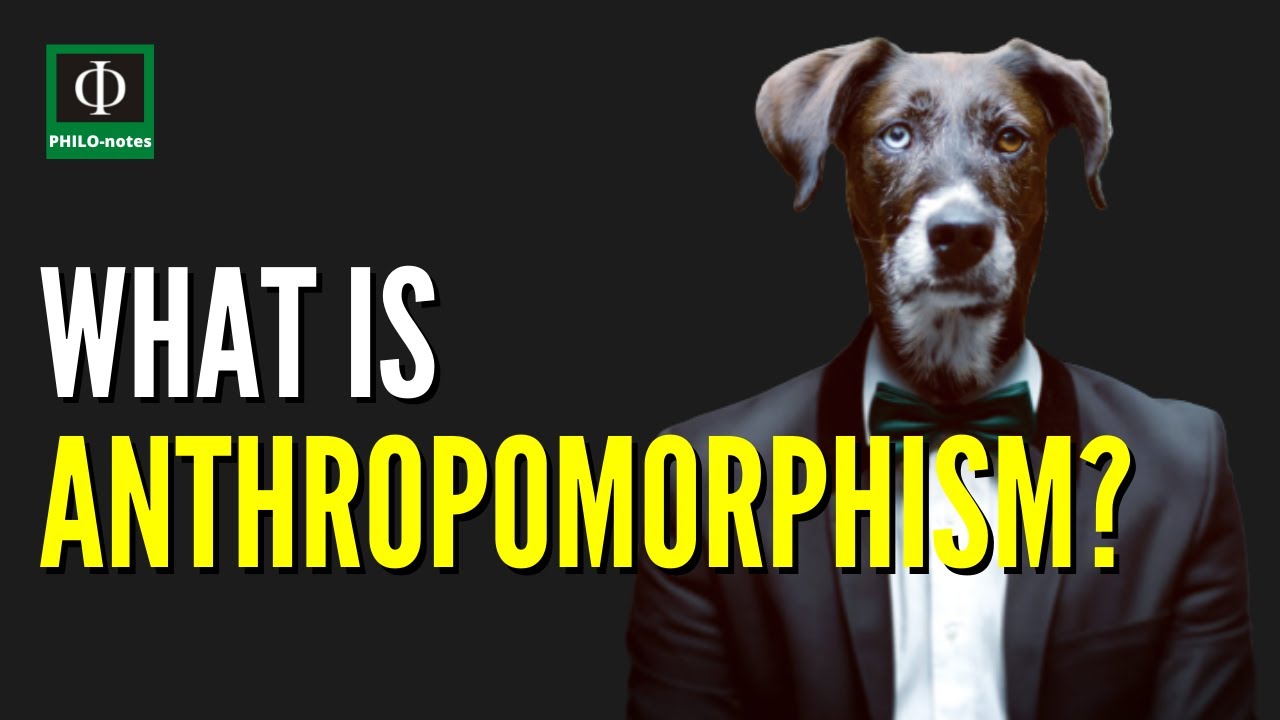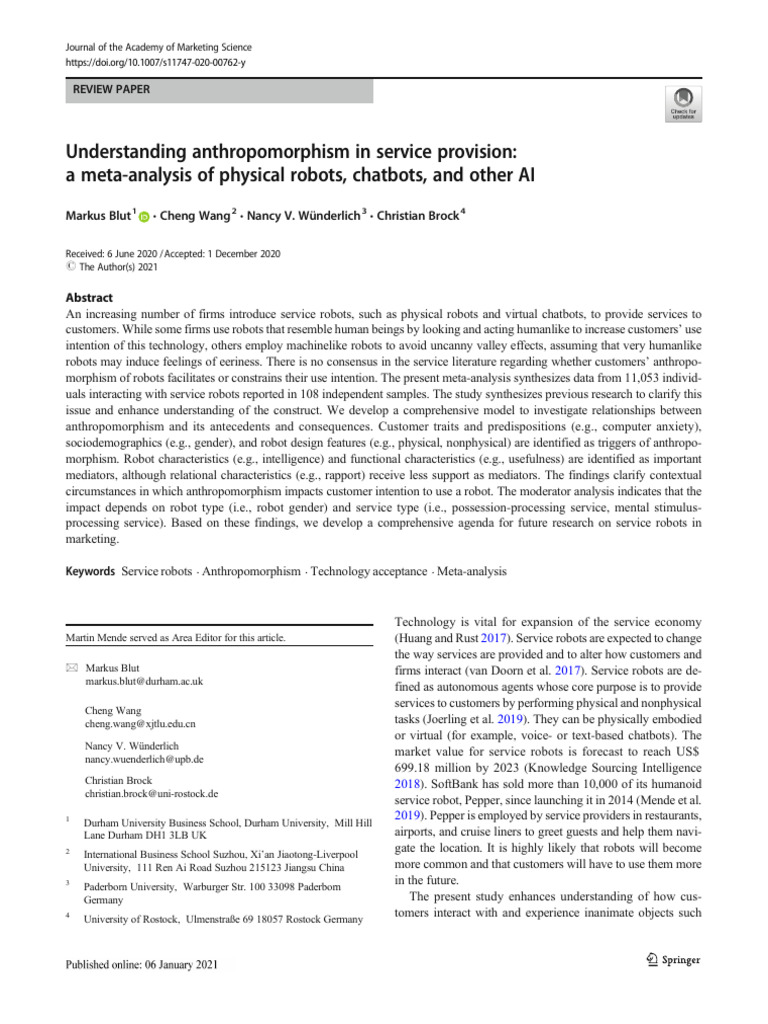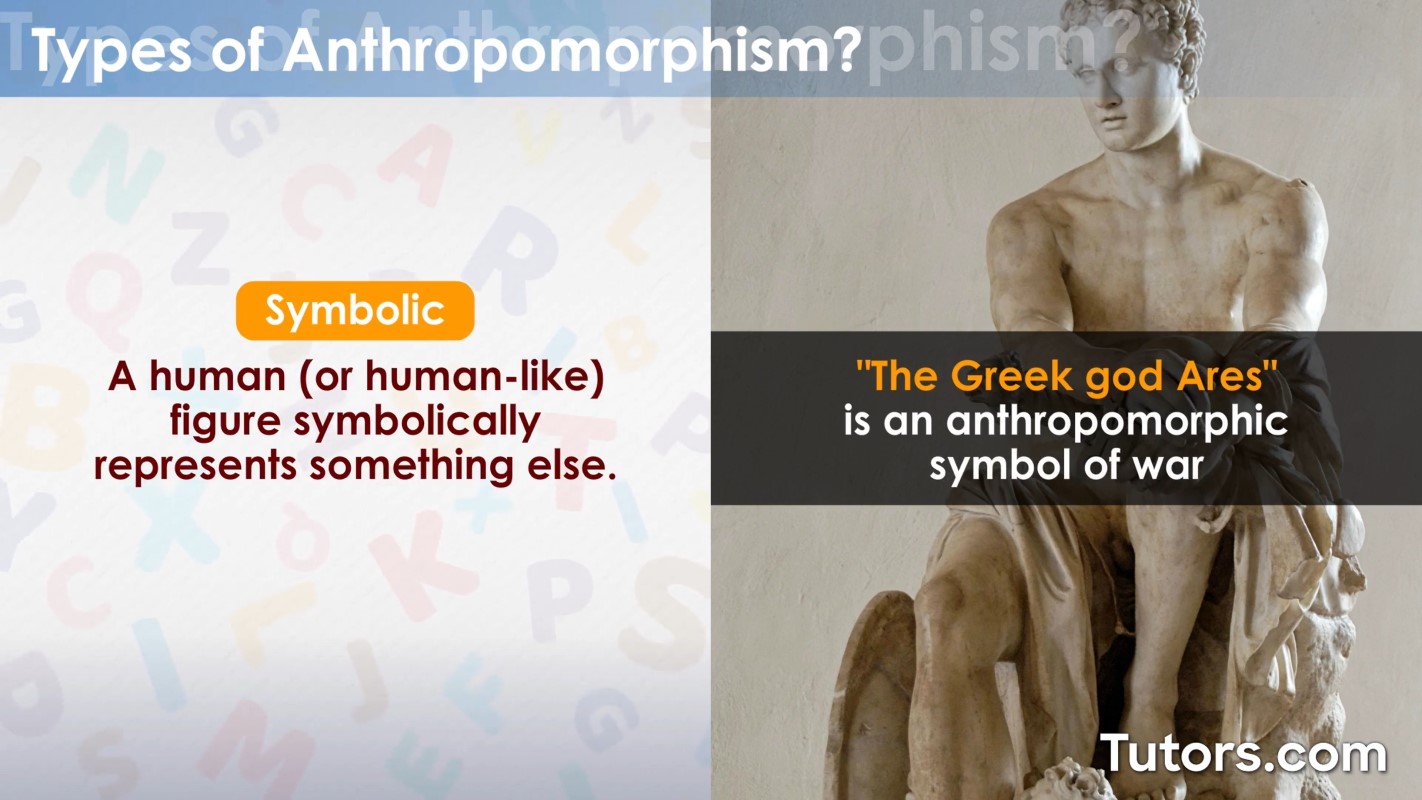
Anthropomorphism—the attribution of human traits, emotions, or intentions to non-human entities—has long fascinated scholars and practitioners alike. In contemporary workplaces, this phenomenon is no longer confined to casual conversations; it permeates technology, management practices, and even organizational culture. From virtual assistants that greet employees by name to humanoid robots collaborating on assembly lines, anthropomorphism reshapes how individuals interact with their environments. This article delves into the multifaceted impact of anthropomorphism on workplace productivity, dissecting its psychological underpinnings, practical applications, and potential pitfalls.
The Psychological Mechanisms Behind Anthropomorphism
Understanding why humans anthropomorphize is pivotal to grasping its workplace ramifications. Cognitive predispositions drive individuals to infer human-like qualities onto objects or systems, especially those that exhibit autonomous behavior or social cues. This tendency arises from a fundamental need to make sense of complex environments, fostering feelings of predictability and control. In the workplace, such tendencies amplify when interacting with artificial intelligence or automated systems that simulate human communication or decision-making. These interactions trigger empathy and social cognition pathways, subtly influencing employee engagement and trust.
Moreover, anthropomorphism mitigates the cognitive load associated with novel technologies. By framing a complex algorithm as a “colleague” rather than an inscrutable tool, workers find it easier to integrate new platforms into their routines. This assimilation effect is crucial in environments undergoing digital transformation, where resistance to change is common. As such, anthropomorphic design elements serve as cognitive anchors, enhancing the assimilation and acceptance of advanced technologies.
Enhancing Collaboration Through Human-Like Interfaces
Interface design imbued with anthropomorphic qualities revolutionizes workplace dynamics. Virtual assistants and chatbots exemplify this trend, often equipped with names, voices, and conversational nuances that emulate human interaction. These attributes foster a more approachable and responsive environment, reducing frustration typically associated with technology use. Consequently, employee productivity improves as queries are resolved swiftly, and repetitive tasks are automated with a semblance of empathetic interaction.
Robotic collaborators with humanoid aesthetics also impact operational efficiency. For instance, robots designed to interpret social cues or exhibit facial expressions elicit more natural and fluid cooperation from human coworkers. The smoother coordination reduces miscommunication and downtime, allowing for seamless task delegation where humans and machines complement each other’s strengths. This anthropomorphic approach engenders a cooperative spirit, blurring traditional boundaries between human labor and machine functionality.
The Influence on Motivation and Job Satisfaction
Anthropomorphic elements affect motivation and job satisfaction in profound ways. Employees interacting with systems perceived as “alive” or “intentional” often report heightened morale. This effect is partly attributable to the psychological comfort derived from perceived companionship, which alleviates feelings of isolation prevalent in remote or solitary work settings. When employees feel supported, even by non-human agents, their motivation to persist through challenging tasks strengthens, bolstering overall productivity.
Furthermore, anthropomorphism facilitates a culture of responsiveness and personalization. Systems that remember preferences, adapt responses, or simulate emotional expressions mirror positive social feedback loops found in human relationships. This dynamic creates an environment where workers feel valued and understood, even in interactions with technology, contributing to sustained engagement over time. Enhanced job satisfaction translates into reduced turnover rates and higher organizational commitment.
Challenges and Risks Associated with Anthropomorphism
Despite its advantages, anthropomorphism carries inherent risks that can hinder workplace productivity if unaddressed. One critical challenge is over-reliance or misplaced trust in anthropomorphic systems. When technology is perceived as more capable or understanding than it truly is, users might neglect necessary oversight or critical analysis, leading to errors and operational setbacks. This “automation complacency” undermines the safety and accuracy required in high-stakes environments.
Additionally, anthropomorphism may engender unrealistic expectations. Assigning human emotions or intentions to machines can result in frustration when these entities fail to reciprocate or understand complex human needs fully. Such disconnects can exacerbate user dissatisfaction and diminish the perceived reliability of technological tools.
There is also a nuanced ethical dimension to contemplations of anthropomorphism in the workplace. The subtle manipulation of human emotions through anthropomorphic design raises concerns about autonomy and informed consent. Overuse of social cues in artificial agents might inadvertently exploit psychological vulnerabilities, prompting workers to form attachments to non-sentient systems.
Strategic Implementation: Balancing Humanization and Functionality
Effective incorporation of anthropomorphism into workplace technologies necessitates a balance between human-like traits and practical functionality. Successful strategies often commence with in-depth user research, discerning which human attributes foster trust and engagement without engendering unrealistic expectations. Companies can then embed selective anthropomorphic features—such as natural language processing, expressive avatars, or empathetic responses—that align with employee needs and organizational goals.
Training programs also play a vital role, equipping employees to interact with anthropomorphic systems critically and judiciously. By fostering digital literacy and clarifying system limitations, organizations safeguard against over-reliance and bolster healthy collaboration between humans and machines.
Additionally, ongoing evaluation and iteration ensure anthropomorphic elements remain effective and contextually appropriate. User feedback loops and performance metrics guide refinements that preserve engagement while enhancing efficiency, creating a dynamic synergy between technology and workforce.
Future Perspectives: The Evolution of Anthropomorphism in Workspaces
Looking forward, the trajectory of anthropomorphism in workplaces forecasts a deepening integration of human-like qualities into emerging technologies. Advances in artificial intelligence, affective computing, and robotics will facilitate increasingly sophisticated interactions, with systems capable of nuanced emotional intelligence and adaptive learning. This evolution promises to further dissolve barriers between humans and machines, enabling more intuitive and productive environments.
However, this future also calls for vigilant ethical stewardship and thoughtful design paradigms. As anthropomorphism deepens, workplaces must navigate complexities related to identity, privacy, and psychological well-being. Integrating interdisciplinary insights from psychology, human-computer interaction, and organizational behavior will be paramount in shaping tools that enhance productivity without compromising human dignity.
In sum, anthropomorphism’s impact on workplace productivity is profound and multifaceted. When harnessed thoughtfully, it catalyzes engagement, collaboration, and satisfaction, driving superior organizational outcomes. Yet, mindful implementation remains essential to mitigate risks and align humanization with authentic functionality in evolving work environments.