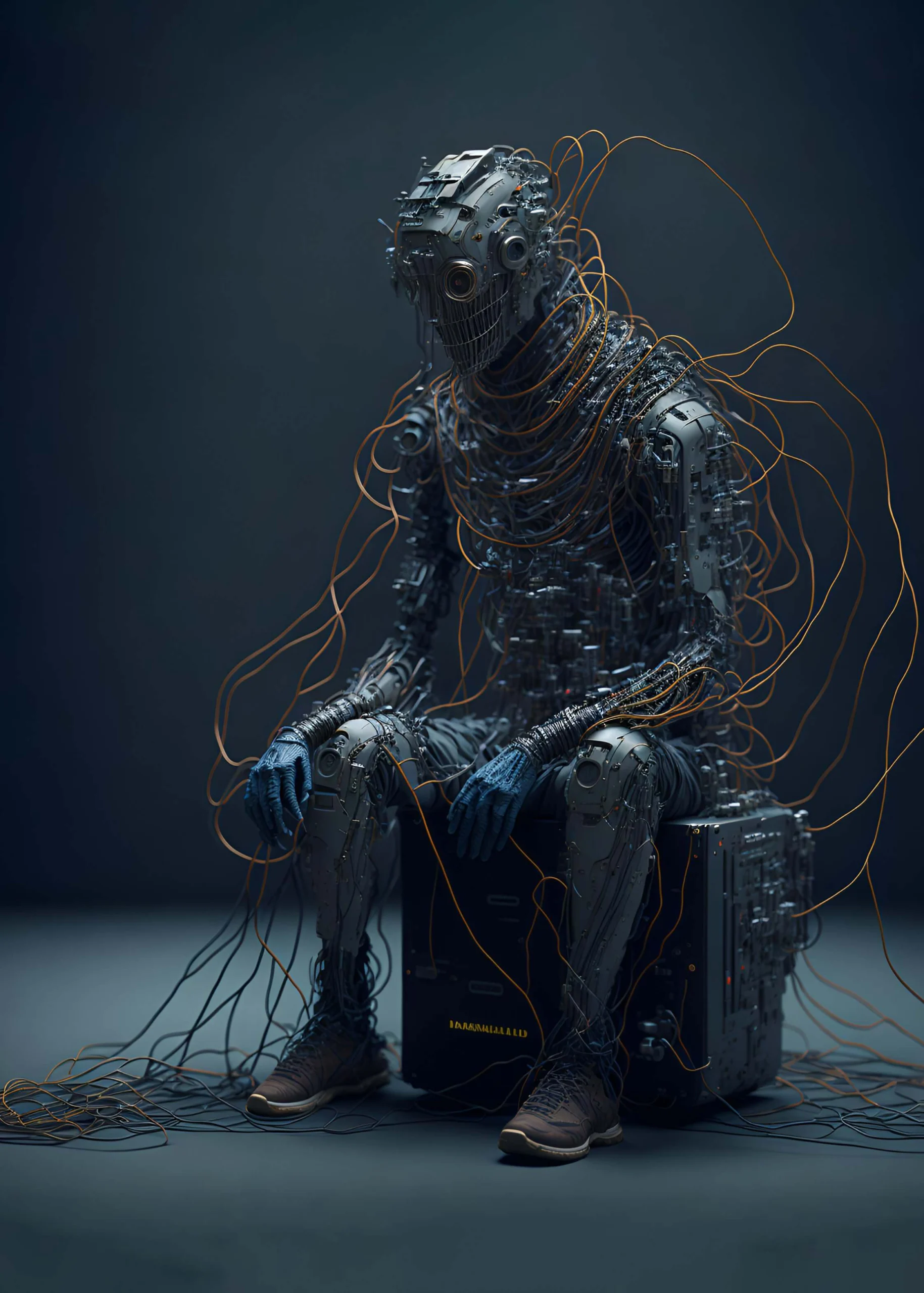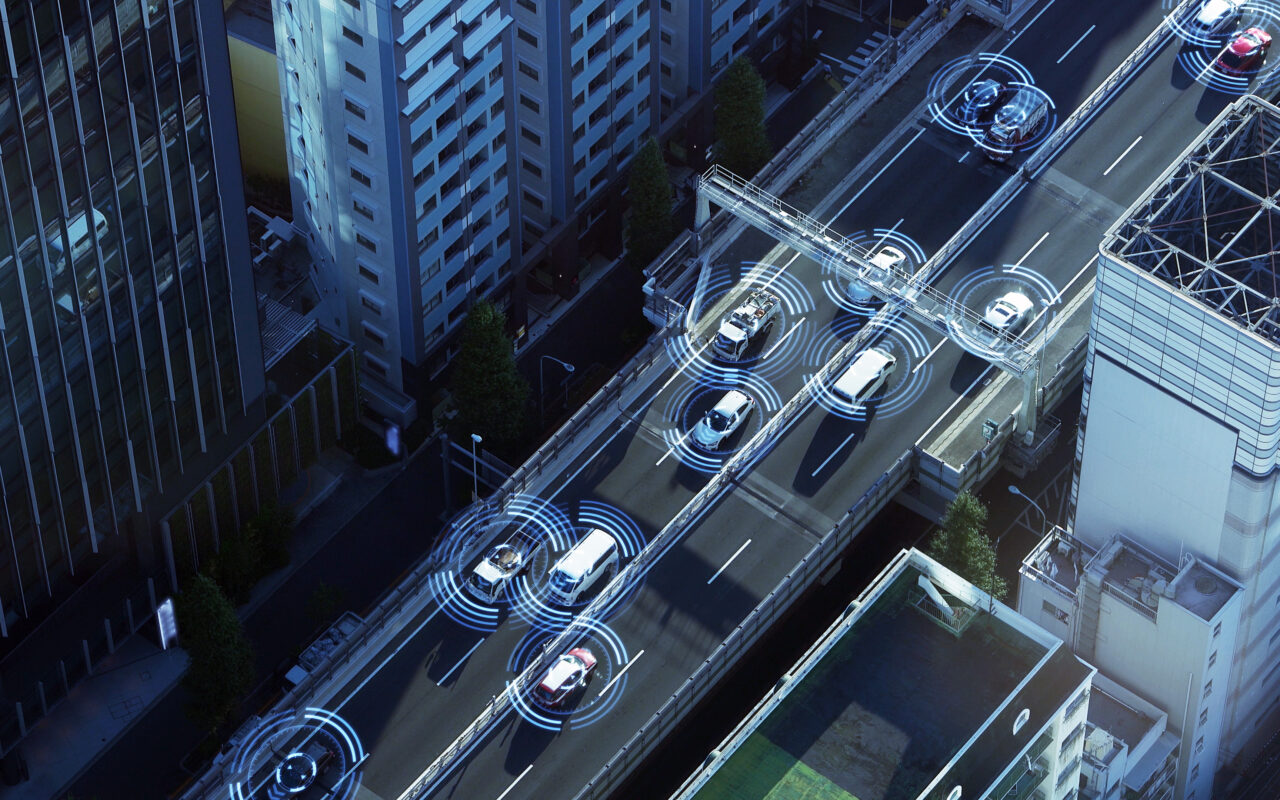
In recent years, the development of autonomous vehicles has revolutionized the way humans perceive transportation. Yet, amid sophisticated algorithms and cutting-edge sensors, there emerges a curious phenomenon: the anthropomorphizing of these machines. People instinctively attribute human traits, emotions, and intentions to driverless cars, creating a psychological bridge between man and machine. This observation, while seemingly trivial, unveils profound insights into human psychology and the future trajectory of autonomous vehicle design and interaction.
The Allure of Humanizing Machines
From antiquity, humans have demonstrated a persistent proclivity to imbue inanimate objects with human-like qualities. Anthropomorphism serves as a cognitive shortcut, rendering complex systems more comprehensible and relatable. In the context of autonomous vehicles, this propensity becomes palpable as users assign personalities to cars that navigate without a human at the wheel. This behavior reduces the innate anxiety associated with relinquishing control to algorithms. Seeing a vehicle’s “face” or interpreting its movements as intentional gestures instills a sense of trust and predictability, thereby smoothing the interaction between human and machine.
Moreover, this fascination with human-like attributes in technology hints at a deeper yearning for connection. Autonomous vehicles, though devoid of consciousness, symbolize a new frontier in cohabitation between artificial agents and humans. They challenge our understanding of agency, responsibility, and companionship. When an autonomous car “communicates” through lights or movement, it’s not merely an engineering feat; it’s a dialogue seeking to emulate the subtleties of human social interaction.
Psychological Underpinnings of Anthropomorphism in Autonomous Vehicles
Delving into the psychological substratum reveals why anthropomorphism flourishes particularly in autonomous technology. Humans naturally seek patterns and familiar signals to decode the environment. When presented with autonomous vehicles operating independently, the brain compensates by projecting familiar social cues onto them. This anthropocentric bias stems from evolutionary imperatives—our brains are finely tuned to read emotional states and intentions in others, from facial expressions to body language.
Autonomous vehicles often feature subtle design elements that trigger these instincts: headlights resembling eyes, subtle “facial” contours on the front grille, and even “expressive” tail lights. These cues facilitate personification, giving the impression that the vehicle “sees,” “thinks,” or “feels.” As a consequence, users experience less cognitive dissonance when interacting with an unknown entity in an environment traditionally dominated by human drivers.
Design Innovations and the Role of Affective Computing
The future of anthropomorphism in autonomous vehicles lies at the intersection of design innovation and affective computing. Engineers and designers now harness emotional intelligence in machines to create seamless and empathetic interactions. This is not mere cosmetic superficiality; affective cues can be strategically implemented to enhance safety, comfort, and user confidence.
For example, autonomous vehicles are beginning to incorporate external communication systems—LED displays that “express” the car’s intent, auditory signals that replicate human-like caution, and even subtle movements designed to mimic nods or hand gestures. These features signify the birth of a pseudo-language, rooted in empathetic signaling, which bridges the gulf between human intuition and machine logic.
Such advances also suggest a future where vehicles may adapt dynamically to the emotional state of their occupants, detecting stress or anxiety and responding with comforting visual or auditory feedback. This syncretism of human emotion and artificial intelligence pushes the envelope of anthropomorphism—transforming vehicles from mere transportation devices to perceived social actors.
Ethical and Societal Implications
With increasing anthropomorphism comes profound ethical considerations. The emotional bond forged between humans and autonomous vehicles could lead to misplaced trust or overreliance on technology. If a car is perceived as a “thoughtful companion” rather than a machine governed by algorithms and data, accountability becomes blurred, complicating user expectations and legal ramifications.
Additionally, societal norms may morph in response to these changing dynamics. How will human behavior evolve when sharing roads with entities that mimic human gestures and communication? Will pedestrians develop emotional relationships with vehicles, treating them with generosity or blame traditionally reserved for fellow humans? These questions highlight the necessity for carefully calibrated design choices and robust public education to align user perceptions with technological realities.
The Future Trajectory: Towards Symbiotic Interactions
Looking ahead, the future of anthropomorphism in autonomous vehicles is not limited to superficial mimicry. Instead, it will likely evolve into intricate symbiosis where machine behavior and human social cognition intertwine fluidly. Designers may leverage biometric data, environmental context, and deep learning to create vehicles that anticipate human needs and respond with nuanced social cues.
Such symbiotic interactions could recalibrate the very definition of mobility, making it a shared experience rather than unilateral operation. Autonomous vehicles could become extensions of human will, not only navigating physical spaces but also navigating the subtleties of human emotion and social context. This evolution will necessitate interdisciplinary collaboration across engineering, psychology, ethics, and design—highlighting that the future of transportation is as much about understanding humanity as it is about mastering technology.
Conclusion
The allure of anthropomorphism in autonomous vehicles reflects an enduring human drive to relate and understand the unknown through familiar frameworks. This phenomenon, far from being a simple quirk, illuminates the nuanced interplay between technology and human psychology. As autonomous vehicles continue to integrate into daily life, their ability to embody human-like traits—both in form and function—will shape not only technological adoption but also societal perceptions and behaviors. The challenge ahead is to harness this fascination responsibly, crafting empathetic machines that inspire trust without compromising clarity, safety, or ethical accountability.