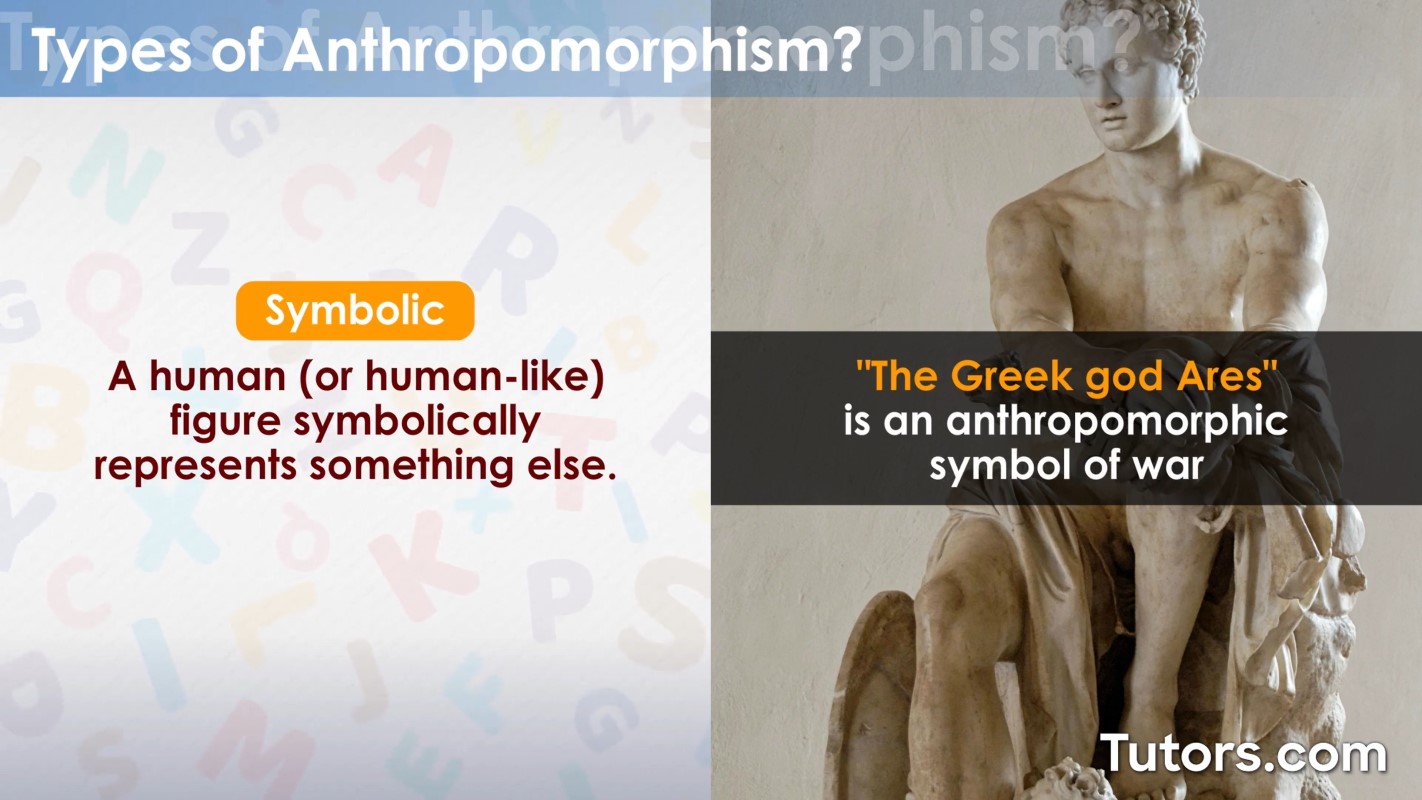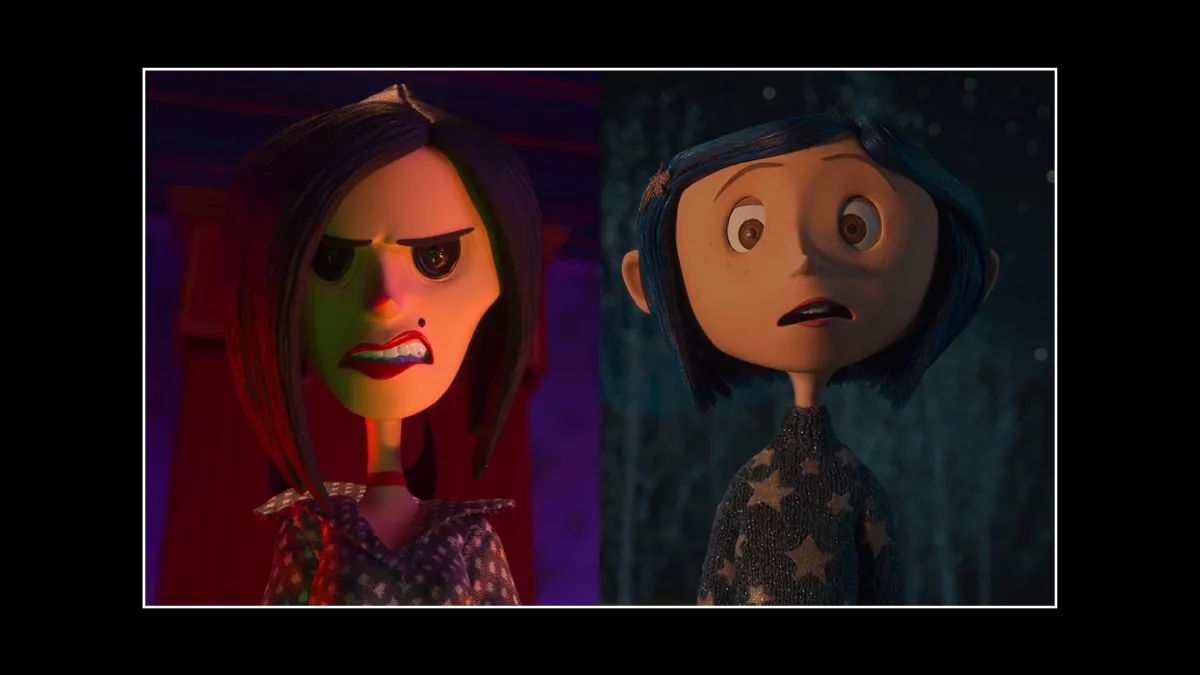
In the grand tapestry of nature, where survival is a daily odyssey, endangered species often find themselves cast as tragic protagonists in a human-written script. We anthropomorphize them—infusing their struggles with our emotions, their battles with our moral dilemmas, and their existence with our narratives. This act of ascribing human traits to non-human life is not merely a literary device; it is a mirror held up to our own psyche, reflecting our deepest fears, hopes, and ethical contradictions. But what happens when we blur the line between human and animal so thoroughly that the endangered species becomes a character in our collective story? The ethics of this practice are as complex as they are compelling, weaving together conservation, empathy, and the very essence of what it means to share this planet.
The Allure of the Anthropomorphic Lens
Anthropomorphism is an ancient instinct, a cognitive shortcut that allows us to navigate a world teeming with life by interpreting it through the familiar lens of human experience. When we see a panda cradling a bamboo shoot like a child with a beloved toy, or a sea turtle mistaking plastic for jellyfish, we don’t just observe—we *feel*. This emotional resonance is the siren call of anthropomorphism, a tool that conservationists wield with precision to galvanize public support. Yet, it is also a double-edged sword, capable of both illuminating and distorting the raw reality of endangered species.
Consider the case of the vaquita, the world’s most endangered marine mammal. Its plight is often framed in terms of familial loss—mother and calf swimming through a silent, suffocating net. The metaphor is heartrending, but it risks reducing the vaquita’s existence to a narrative of human tragedy rather than a unique ecological crisis. The danger lies in the seduction of the anthropomorphic story: it makes the unfamiliar familiar, but in doing so, it may oversimplify the intricate web of life that sustains these species. The vaquita is not a victim of human negligence in the way a child is; it is a creature evolved over millennia to thrive in a specific niche, now obliterated by human activity. The ethical dilemma arises when our empathy, though well-intentioned, flattens the nuance of their existence into a story that serves our emotional needs more than their biological reality.
The Ethical Tightrope: Empathy vs. Exploitation
Anthropomorphism walks a fine line between fostering empathy and veering into exploitation. When we personify endangered species, we risk turning their suffering into a spectacle—a form of emotional voyeurism that prioritizes our catharsis over their survival. The viral campaigns featuring “sad” polar bears or “lonely” rhinos are case in point. These images are designed to provoke outrage and action, but they also commodify suffering, reducing complex ecological issues to a single, shareable emotion. The ethical tightrope here is precarious: how do we harness the power of anthropomorphism to inspire conservation without reducing these species to mere props in our moral dramas?
There is a term for this phenomenon: *emotional anthropocentrism*—the tendency to judge the value of non-human life based on its proximity to human experiences. It is the reason why a charismatic species like the giant panda garners more funding and attention than the humble, uncharismatic vaquita. The panda’s round face and “smiling” expression make it an easy vessel for our anthropomorphic projections, while the vaquita’s elusive nature and lack of “human-like” features render it less relatable. The ethical imperative, then, is to recognize this bias and strive for a more equitable representation of all endangered species, regardless of their photogenic appeal.
The Metaphorical Trap: When Stories Overshadow Science
Stories have the power to move mountains, but they also have the power to obscure truth. When we anthropomorphize endangered species, we risk replacing scientific rigor with narrative convenience. The story of the “courageous” wolf leading its pack to safety, or the “wise” elephant guiding its herd through drought, while evocative, may not align with the complex realities of animal behavior. Wolves are not noble leaders; they are opportunistic survivors. Elephants are not sages; they are highly social animals navigating a landscape altered by human hands. The metaphorical trap snaps shut when our stories begin to dictate our understanding of these species, rather than the other way around.
This is not to say that metaphors have no place in conservation. On the contrary, they are indispensable tools for communication. The challenge lies in balancing metaphor with fact, ensuring that our narratives do not become cages of our own making. Conservation biologists often grapple with this dilemma, crafting messages that resonate emotionally while remaining rooted in scientific accuracy. The key is to use anthropomorphism as a bridge to understanding, not a barrier to knowledge.
The Moral Weight of Responsibility
Anthropomorphizing endangered species is not merely an aesthetic choice; it is a moral act. When we ascribe human traits to non-human life, we implicitly accept a burden of responsibility. If a species is “brave” or “innocent,” then its suffering becomes a moral stain on humanity. This responsibility is both a gift and a curse. It compels us to act, to protect, to advocate—but it also risks infantilizing these species, treating them as children in need of our guidance rather than autonomous beings with their own agency.
Consider the case of the kakapo, a flightless parrot native to New Zealand. Often described as “clumsy” or “playful,” the kakapo’s unique biology and behavior are reduced to human-like qualities that make it endearing. Yet, this anthropomorphism also highlights the kakapo’s vulnerability, making its conservation a matter of moral urgency. The ethical question here is not whether we should anthropomorphize the kakapo, but how we do so responsibly. Do we focus on its quirks to elicit sympathy, or do we emphasize its ecological role to foster a deeper understanding of its importance? The answer lies in the delicate balance between emotional appeal and ecological integrity.
Beyond Anthropomorphism: The Path to Ethical Conservation
The ultimate goal of conservation is not to turn endangered species into characters in our stories, but to ensure their survival in the wild, on their own terms. This requires a shift from anthropomorphic narratives to a more nuanced approach—one that respects the intrinsic value of these species without reducing them to human-like caricatures. It means celebrating their uniqueness, their adaptations, and their ecological roles, rather than their perceived similarities to us.
One way to achieve this is through *ecocentrism*—a philosophy that places the well-being of entire ecosystems at the forefront, rather than focusing on individual species or human-centric values. By adopting an ecocentric perspective, we can appreciate endangered species for what they are: vital cogs in the machinery of life, not protagonists in a human drama. This approach does not preclude empathy; rather, it broadens our moral circle to include the entire web of life, from the microscopic to the majestic.
Another strategy is to use anthropomorphism sparingly and intentionally. Instead of framing endangered species as “heroes” or “victims,” we can highlight their ecological significance—the way a beaver’s dam shapes entire landscapes, or how a tiger’s presence regulates prey populations. These stories are no less compelling, and they avoid the pitfalls of reducing complex ecological relationships to simplistic human narratives.
The Unseen Consequences of Our Stories
Every time we anthropomorphize an endangered species, we leave an indelible mark on the collective consciousness. These stories shape public perception, influence policy, and determine which species receive attention and resources. The consequences of these narratives are not always visible, but they are profound. A species that is “cute” or “relatable” may receive more funding, while one that is “ugly” or “alien” may be overlooked. The ethical imperative is to recognize the power of our stories and wield it responsibly, ensuring that our narratives serve the species, not the other way around.
In the end, the ethics of anthropomorphizing endangered species is not a question of whether we should do it, but how we do it. It is a call to tread carefully, to balance empathy with accuracy, and to remember that these species are not characters in our stories—they are the authors of their own lives. Our role is not to write their narratives, but to ensure that they have the space to write their own.