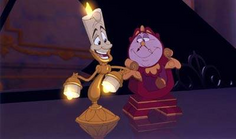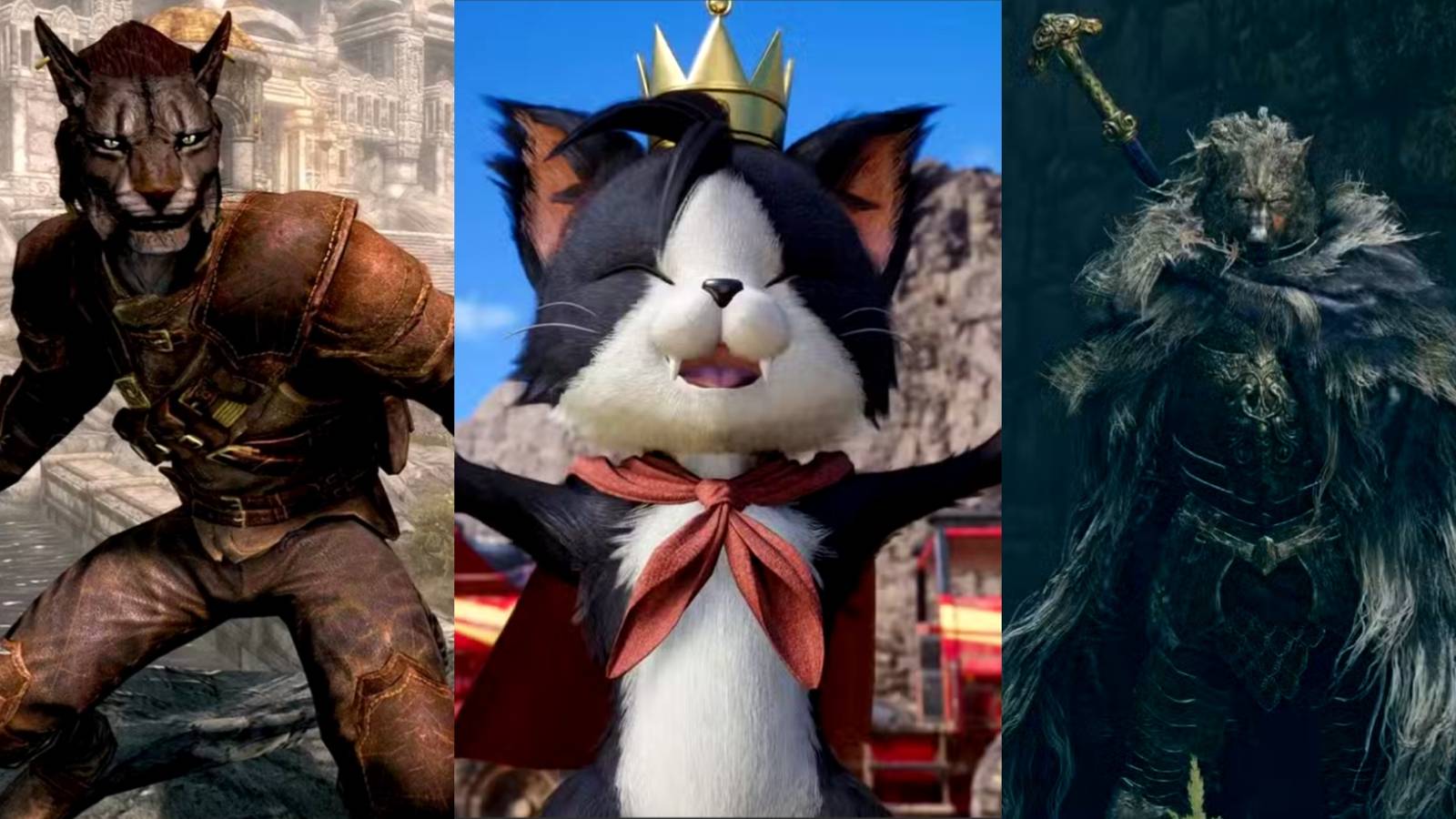
In the vast and variegated tapestry of fantasy literature, anthropomorphic characters—beings that blend human traits with animalistic qualities—serve as more than mere narrative devices. They are living metaphors, walking embodiments of duality, embodying the tension between instinct and intellect, wildness and civilization. These characters transcend the boundaries of mere representation; they become mirrors reflecting our own complexities, our primal urges cloaked in the veneer of humanity. From the cunning fox who outwits gods to the noble lion who rules with quiet strength, anthropomorphic figures in fantasy novels are not just protagonists or antagonists—they are archetypes that resonate with timeless truths.
The Allure of the Hybrid: Why Anthropomorphism Captivates Readers
Anthropomorphism is not merely a literary trick; it is a psychological and philosophical bridge. By endowing animals with human consciousness, fantasy writers invite readers to explore the liminal space between the known and the unknown. Consider the fox, a creature often associated with cunning and adaptability. When a fox speaks, when it plots and schemes like a human, it forces us to question: what does it mean to be clever? Is intelligence a product of language, or can it exist in silence, in the flick of an ear or the twitch of a tail? These characters compel us to see the world through eyes that are both familiar and alien, creating a cognitive dissonance that is as unsettling as it is enchanting.
Moreover, anthropomorphic characters often embody cultural and mythological significance. The wolf, for instance, is a symbol of both destruction and loyalty in various traditions. When a wolf becomes a guardian or a warrior in a fantasy novel, it carries the weight of centuries of storytelling. This layering of meaning adds depth to the narrative, transforming a simple tale into a meditation on heritage and identity. The appeal lies not just in the strangeness of seeing a beast behave like a person, but in the way it makes us reconsider what it means to be human.
Wisdom in Fur: The Sage and the Oracle
Among the most compelling anthropomorphic characters are those who serve as guides or seers, their animal forms amplifying their wisdom. Take, for example, the owl who perches atop the ancient library, its eyes gleaming with knowledge that predates kingdoms. Owls, in myth, are often associated with Athena, goddess of wisdom, but in fantasy, they become something more—a living archive of forgotten lore. Their feathers are not just plumage; they are pages of a book that has never been written, their hoots a language of secrets.
Then there is the tortoise, a creature whose very slowness belies its profound understanding of time. In a world where heroes rush toward destiny, the tortoise moves at its own pace, carrying the weight of the world on its back. Its wisdom is not in speed or strength, but in patience and endurance. When such a character speaks, it is not with the urgency of a prophet, but with the quiet certainty of a truth that has always existed. These figures remind us that wisdom is not always loud or immediate; sometimes, it is found in the stillness between breaths.
Consider also the raven, a bird that has been both omen and oracle in countless tales. Ravens are scavengers, yet they are also keepers of secrets, their black feathers a canvas for the shadows of the world. A raven character might deliver prophecies in riddles, its voice a whisper from the edge of the known. The allure of such a character lies in their duality—they are both bringers of doom and bearers of revelation, their words as inscrutable as the night sky.
Ferocity and Fidelity: The Warrior and the Protector
Anthropomorphic characters often embody the ideals of strength and loyalty, their animal forms amplifying these traits in ways that resonate with readers. The lion, for instance, is a symbol of regal power, its mane a crown of authority. When a lion leads an army or stands as a sentinel, it is not just a beast in armor—it is the embodiment of justice, a force that commands respect without uttering a word. Its roar is not a sound, but a declaration: this is my domain, and I will defend it.
Yet, not all warriors are solitary figures. The wolf pack, with its intricate social hierarchy, offers a different kind of strength—one rooted in unity. A lone wolf might be a tragic figure, but a pack is a force of nature, its members bound by loyalty and instinct. When such a group appears in a fantasy novel, it is not just a band of allies; it is a microcosm of society, a reflection of how communities thrive through cooperation and shared purpose. The appeal of these characters lies in their ability to show that strength is not just in the individual, but in the collective.
Then there is the bear, a creature of raw power and surprising gentleness. A bear character might be a guardian of sacred groves, its massive form a shield against those who would desecrate the natural world. Its strength is not just in its claws, but in its nurturing nature, its ability to cradle a cub with the same tenderness it would show a wounded traveler. This duality—ferocity and tenderness—makes the bear a compelling figure, one that challenges our notions of what it means to be powerful.
Deception and Duality: The Trickster and the Shapeshifter
No exploration of anthropomorphic characters would be complete without delving into the realm of tricksters and shapeshifters, figures who blur the lines between ally and adversary. The fox, as mentioned earlier, is a classic trickster, its cunning a dance between chaos and order. But what makes these characters so intriguing is their refusal to be pinned down. They are neither wholly good nor evil; they exist in the gray areas, their motives as slippery as their forms. When a fox offers help, is it out of kindness or self-interest? The answer is never clear, and that ambiguity is what makes them so compelling.
Shapeshifters take this duality to another level. A character who can become a bird in flight or a wolf in the hunt is not just a shape-shifter; they are a living paradox, a being who exists in multiple states at once. Their appeal lies in their fluidity, their ability to navigate the boundaries between worlds. They might be messengers between the human and the divine, or spies who move unseen through enemy lines. Their very existence challenges our perception of identity—if a character can change form, what does it mean to be “themselves”?
Consider the serpent, a creature often associated with deception and transformation. In fantasy, a serpent character might be a sorcerer who sheds its skin to reveal a new form, or a guardian of hidden knowledge whose coils hide treasures and traps alike. The serpent’s duality—both venomous and healing, both feared and revered—makes it a perfect embodiment of the trickster archetype. Its hiss is a warning, its silence a mystery, and its presence a reminder that truth is often hidden beneath layers of illusion.
The Outcast and the Exile: Outsiders in a Human World
Anthropomorphic characters often serve as outsiders, their animal forms marking them as different in a world that values humanity above all else. The deer, for instance, is a creature of grace and gentleness, but in a society that prizes strength and dominance, it is often seen as weak. When a deer character appears in a fantasy novel, it is not just a symbol of innocence; it is a critique of a world that fails to recognize beauty in vulnerability. Its antlers might be a burden, its speed a curse in a world that rewards brute force. Yet, it is precisely this difference that makes it a hero, its kindness a rebellion against cruelty.
Then there is the crow, a bird often associated with death and misfortune. In a world that fears the unknown, the crow is an outcast, its black feathers a mark of its otherness. Yet, crows are also incredibly intelligent, their ability to solve problems and remember faces a testament to their resilience. A crow character might be a scavenger, surviving on the fringes of society, but it is also a survivor, its wit a shield against those who would see it destroyed. Its presence in a story is a reminder that even the most reviled creatures have value, that their differences are not flaws but strengths.
The appeal of these outcast characters lies in their ability to challenge our prejudices. They force us to ask: who are the true monsters in our world? Is it the beast who is feared, or the humans who fear it without understanding? These characters are not just stories; they are mirrors, reflecting back to us the injustices and biases of the societies we create.
Conclusion: The Timeless Dance of Beast and Man
Anthropomorphic characters in fantasy novels are more than just imaginative constructs; they are vessels for exploring the deepest questions of identity, morality, and existence. They challenge us to see the world through new eyes, to question the boundaries between human and animal, between instinct and intellect. Whether they are sages, warriors, tricksters, or outcasts, these characters invite us to reflect on our own nature, to recognize the wildness within us and the humanity in the creatures around us.
In the end, the appeal of anthropomorphism lies in its ability to bridge the gap between the familiar and the unknown. It allows us to confront our fears and desires in a form that is both alien and intimate. These characters are not just figments of imagination; they are living metaphors, reminders that the line between beast and man is not as clear as we might think. And in that ambiguity, we find the true magic of fantasy storytelling.