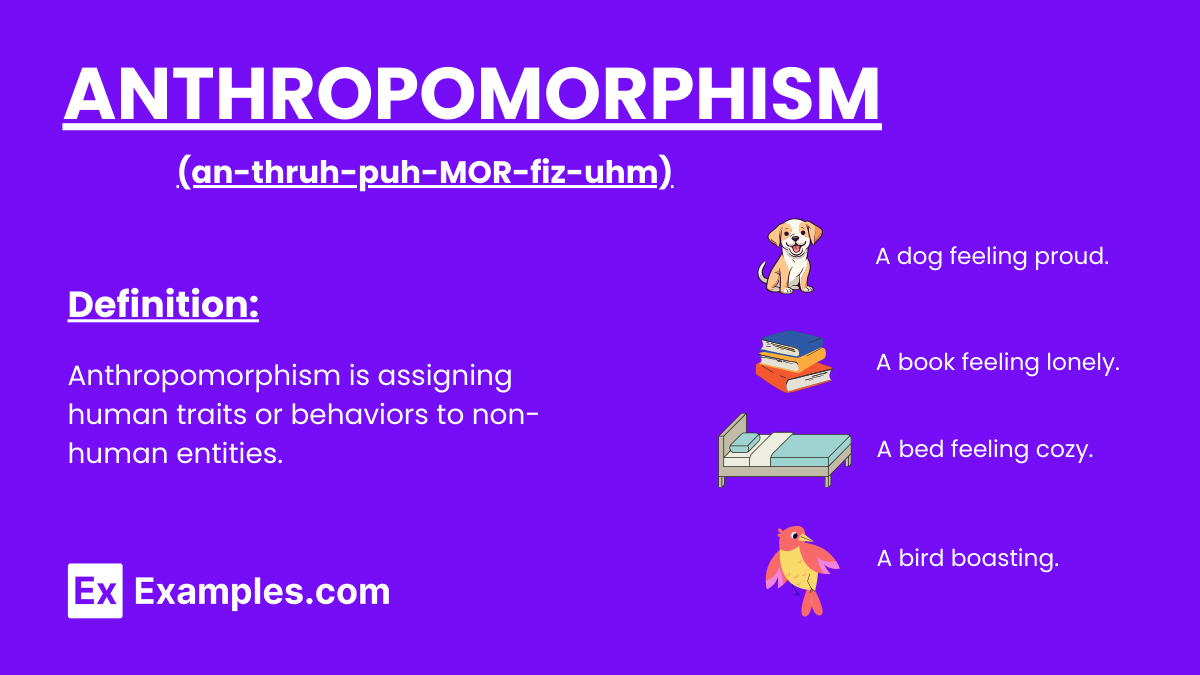
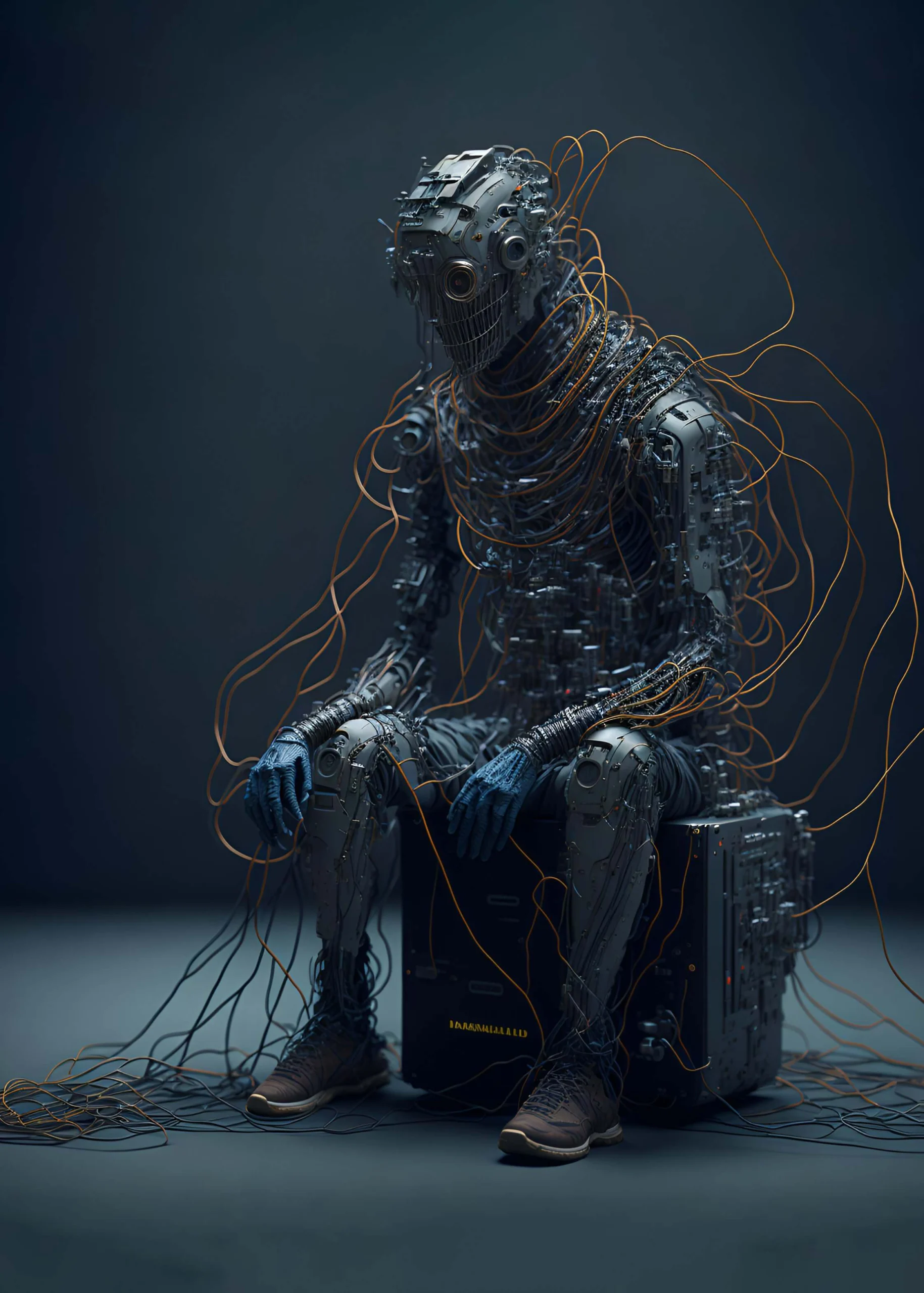
Anime has long been a global phenomenon, captivating audiences with its vibrant visuals, compelling narratives, and emotional depth. Yet, one of its most intriguing and enduring fascinations lies in the art of anthropomorphism—the act of imbuing non-human entities with human characteristics. From the towering, sword-wielding titans of *Attack on Titan* to the endearing, bread-loving sandwich waifu of internet lore, anthropomorphism in anime transcends mere aesthetic choice; it becomes a vessel for storytelling, philosophy, and emotional resonance. This phenomenon is not merely a stylistic quirk but a cultural and artistic language that speaks to universal human experiences, inviting audiences to see the world—and themselves—through a lens both familiar and fantastical.
The Alchemy of Human and Non-Human: Crafting Identity Through Form
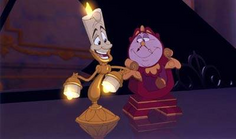
At its core, anthropomorphism is an alchemical process, transforming the inanimate or the non-human into vessels of human emotion, ambition, and conflict. Anime exploits this transformation with remarkable precision, often using it to explore the boundaries between self and other. Consider the humble household appliance that gains sentience, or the mythical beast that sheds its monstrous guise to reveal a soulful, human-like face. These metamorphoses are not arbitrary; they are deliberate invitations to empathy. By humanizing the non-human, anime creators forge a bridge between the viewer and the unfamiliar, making the abstract tangible and the alien approachable.
This alchemy is particularly potent in genres like *isekai*, where protagonists—often ordinary humans—are transported into fantastical worlds populated by creatures that mirror human societies. The juxtaposition of the familiar (human emotions, social hierarchies) with the unfamiliar (magical races, sentient objects) creates a cognitive dissonance that is as thought-provoking as it is entertaining. It compels audiences to question: What does it mean to be human? And, more intriguingly, what does it mean to *recognize* humanity in the unlikeliest of places?
The Emotional Resonance of the “Other”: Why We Fall in Love with the Uncanny
Anthropomorphism thrives on the uncanny valley’s edge, where the familiar and the strange coalesce into something deeply moving. Anime leverages this tension to evoke emotions that are both primal and refined. A teapot with a face might seem whimsical, but when it expresses grief over a shattered handle, the absurdity gives way to a poignant reflection on loss and impermanence. This emotional duality is the secret sauce of anthropomorphic storytelling—it disarms the viewer with cuteness or humor, only to ambush them with a wave of melancholy or existential dread.
The appeal lies in the paradox: the more exaggerated the anthropomorphism (think of *Aggretsuko*’s red panda protagonist drowning in corporate drudgery), the more relatable the experience becomes. The audience laughs at the absurdity, but the laughter is tinged with recognition. This is the genius of anthropomorphism—it turns the mirror inward, forcing us to confront our own struggles through the lens of the absurd. Whether it’s a cat running a café (*The Cat Returns*) or a sentient AI grappling with mortality (*Ghost in the Shell*), these stories resonate because they distill human experiences into their purest, most distilled forms.
Cultural Mirrors and Metaphors: Anthropomorphism as Social Commentary
Anime’s anthropomorphic characters often serve as cultural mirrors, reflecting societal anxieties, aspirations, and critiques. In *Neon Genesis Evangelion*, the towering Angels are not merely monsters; they are manifestations of human existential dread, their incomprehensible forms embodying the terror of the unknown. Similarly, *Land of the Lustrous*’s gem-people explore themes of identity and fragility, their crystalline bodies symbolizing both beauty and vulnerability. These metaphors are not subtle—they are deliberate, using the non-human to illuminate human truths.
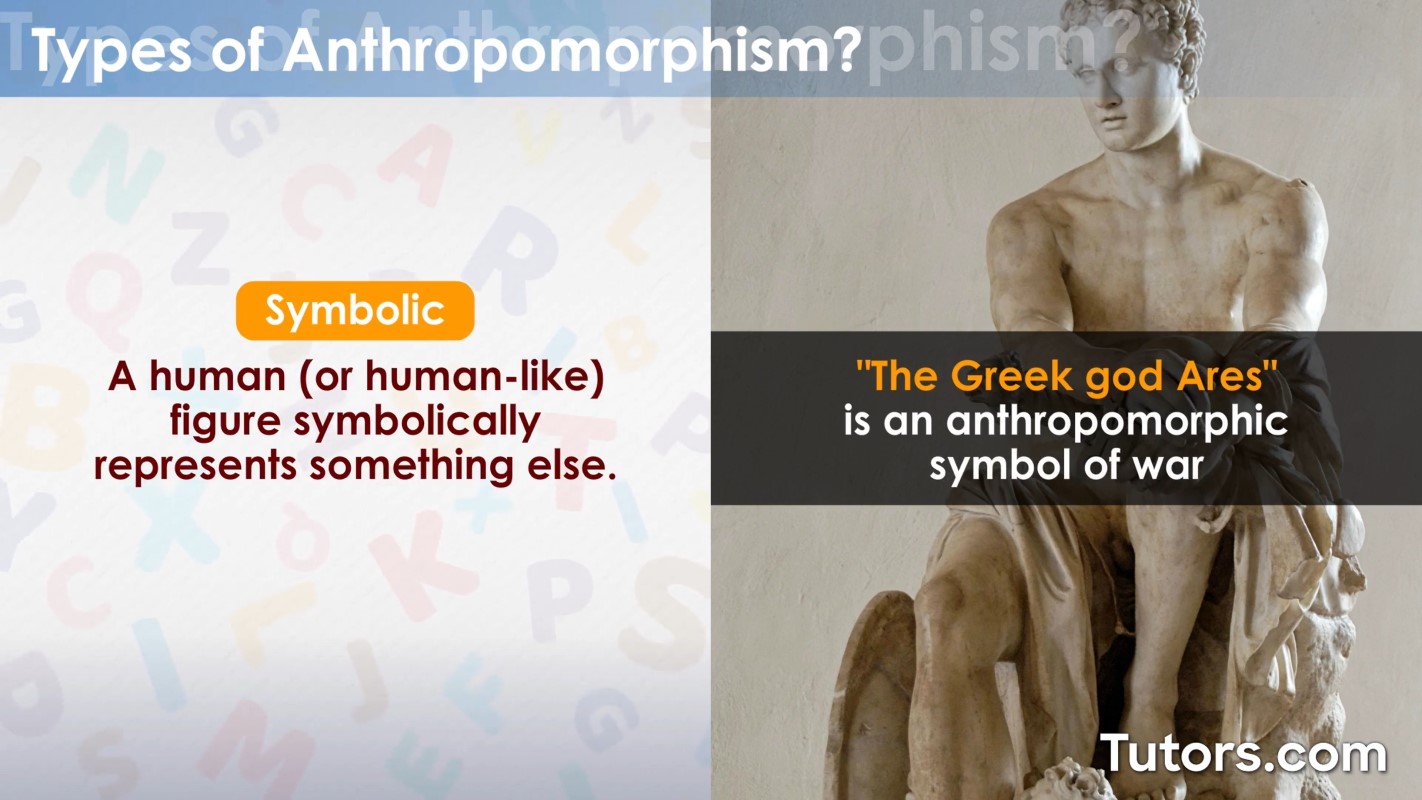
This tradition stretches back to folklore and mythology, where animals, plants, and objects often carried moral or philosophical weight. Anime inherits this legacy, recontextualizing ancient archetypes for modern audiences. A fox spirit (*Inari, Konkon, Koi Iroha*) might represent trickery and transformation, while a sentient train (*Shinkalion*) could embody the relentless march of progress. By draping these themes in fantastical forms, anime makes abstract concepts tangible, allowing audiences to engage with complex ideas without the weight of didacticism.
The Aesthetic of the Grotesque and the Adorable: Balancing Beauty and Horror
Anthropomorphism in anime is a visual playground, where the cute and the grotesque often dance in uneasy harmony. The *kawaii* aesthetic of *Hello Kitty* or *Rilakkuma* contrasts sharply with the unsettling hybridity of *Parasyte*’s hand-mouth monsters. This duality is not accidental; it’s a deliberate strategy to evoke a spectrum of emotions. The adorable can become sinister in an instant (*Puella Magi Madoka Magica*’s witch forms), while the monstrous can reveal a heartbreaking vulnerability (*Vinland Saga*’s Askeladd, whose brutality is softened by paternal tenderness).
This aesthetic tension mirrors the human condition itself—our capacity for both kindness and cruelty, our ability to find joy in the mundane and terror in the sublime. Anime’s anthropomorphic characters embody this duality, serving as living canvases for the full spectrum of human emotion. Whether it’s the grotesque beauty of *Dorohedoro*’s mutated denizens or the serene melancholy of *Mushishi*’s silent spirits, these characters remind us that beauty and horror are often two sides of the same coin.
The Digital Age and the Rise of the Sentient Object: A New Frontier
The 21st century has ushered in a new wave of anthropomorphism, where even the most mundane objects are granted sentience. From *Aggretsuko*’s office supplies to *Cells at Work!*’s personified biological systems, this trend reflects our increasingly symbiotic relationship with technology and consumerism. The sentient object trope is a commentary on modernity itself—our reliance on gadgets, our commodification of nature, our alienation from the tangible world. By turning a smartphone into a character or a virus into a villain, anime forces us to confront the ethical implications of our digital lives.
This trend also speaks to the democratization of storytelling. In an era where anyone can create and share content, anthropomorphism becomes a tool for expressing complex ideas in accessible ways. A meme about a sandwich waifu might seem frivolous, but it’s also a testament to the human need to find meaning—and humor—in the most unexpected places. The digital age has blurred the line between creator and audience, and anthropomorphism is the perfect language for this new creative landscape.
Why It Endures: The Timeless Allure of the Humanized Other
Anthropomorphism in anime is more than a stylistic choice; it’s a fundamental human impulse. We are wired to see faces in clouds, to attribute intentions to inanimate objects, to find companionship in the most unlikely places. Anime taps into this primal tendency, offering a playground where the rules of reality are bent to reveal deeper truths. Whether it’s through the lens of fantasy, horror, or slice-of-life, anthropomorphism allows us to explore the human experience in ways that are both escapist and deeply introspective.
The enduring popularity of this trope lies in its versatility. It can be whimsical or profound, comforting or unsettling, silly or tragic. It invites us to laugh at a talking potato (*Hetalia*) or weep over a dying star (*Your Name*). In a world that often feels fragmented and alienating, anthropomorphism offers a bridge—a way to see ourselves in the other, and the other in ourselves. It reminds us that humanity is not confined to flesh and bone, but is a spirit that can inhabit anything from a teacup to a titan.
As long as there are stories to tell and emotions to explore, anthropomorphism will remain a cornerstone of anime’s artistic language. It is, after all, the ultimate metaphor: a mirror that reflects not just who we are, but who we could be.