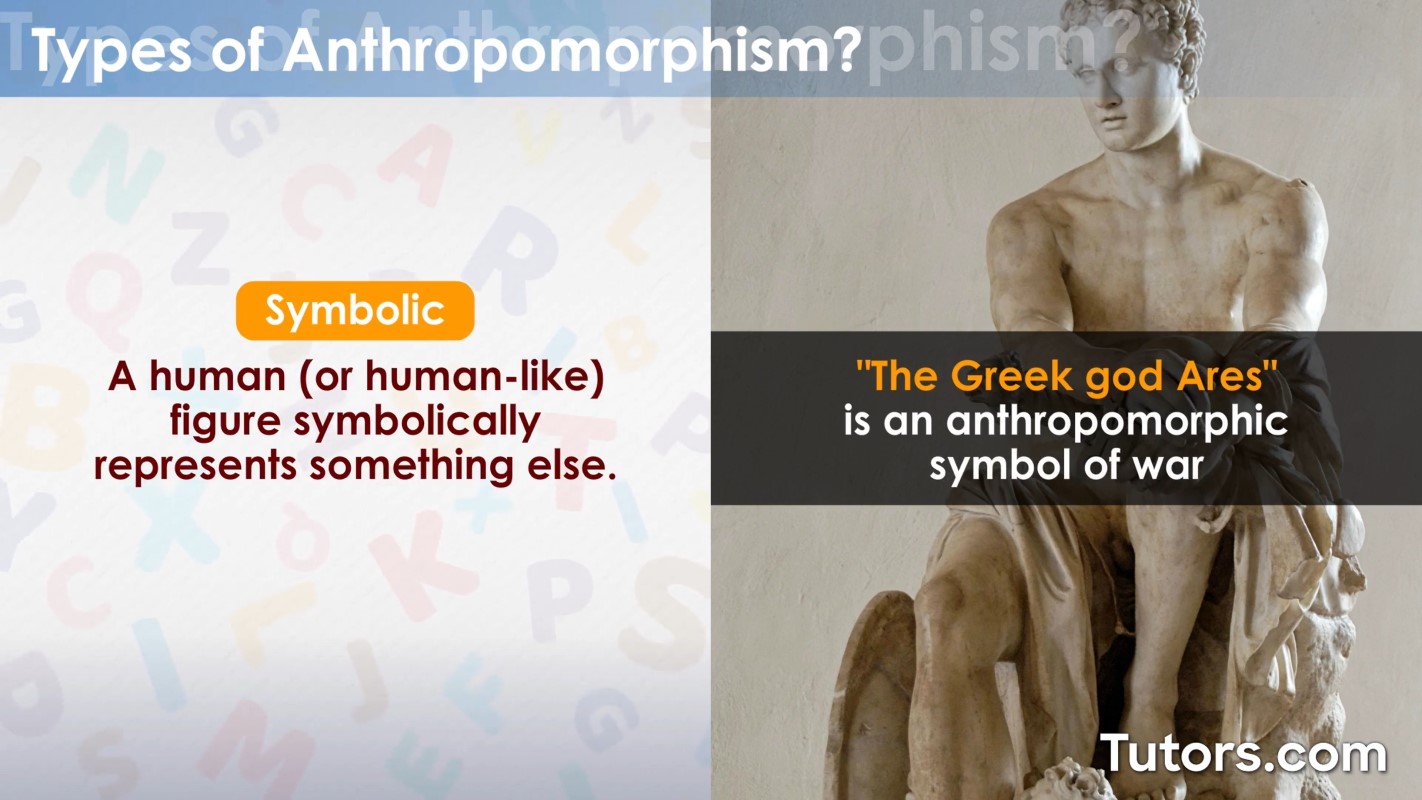
In the vast expanse of media, where stories unfold in pixels and narratives pulse through screens, a curious phenomenon persists: the human tendency to imbue non-human entities with human-like qualities. This practice, known as anthropomorphism, is not merely a stylistic choice but a mirror reflecting the deepest values and anxieties of society. From the earliest cave paintings to the latest CGI-driven blockbusters, the act of attributing human traits to animals, objects, or even abstract concepts reveals as much about us as it does about the subjects we animate.
The Ubiquity of Anthropomorphism: A Cultural Constant
Anthropomorphism is not a modern invention; it is woven into the fabric of human cognition. Ancient civilizations worshipped deities in animal forms, while folklore teemed with talking beasts and enchanted objects. Today, this tendency thrives in advertising, where brands adopt personalities, and in animation, where inanimate characters like Pixar’s Wall-E or Disney’s Olaf become emotional anchors. The persistence of this trope suggests a fundamental human need—to simplify complexity, to find companionship in the inanimate, and to project our own struggles onto externalized forms.
Consider the rise of virtual influencers, digital avatars that interact with audiences as if they were flesh-and-blood personalities. These entities, devoid of biological constraints, embody the societal obsession with perfection and control. Their human-like traits—flaws, quirks, even vulnerabilities—serve as a paradoxical reminder of our own imperfections, yet they exist in a curated space where every interaction is meticulously designed. This duality underscores a deeper truth: anthropomorphism allows us to confront our fears and desires in a controlled environment, where the stakes feel both real and distant.
Anthropomorphism as a Lens for Societal Values
Every era has its anthropomorphic icons, each embodying the zeitgeist of its time. The 19th-century literary fascination with talking animals, such as in Rudyard Kipling’s *Jungle Book*, reflected a society grappling with colonialism and the blurred lines between nature and civilization. In contrast, modern media often anthropomorphizes technology, personifying AI assistants like Siri or Alexa as helpful, almost nurturing figures. This shift mirrors our evolving relationship with innovation—where tools once feared as cold and mechanical are now framed as benevolent companions.
The commercial realm offers another striking example. Brands increasingly adopt human-like personas to forge emotional connections. Think of the M&M’s characters, each a distinct personality designed to resonate with different consumer segments. This strategy exploits our innate preference for narratives with clear moral arcs, where protagonists and antagonists are easily identifiable. By humanizing products, companies tap into a primal desire for storytelling, where every purchase becomes a chapter in a larger, relatable saga.
The Psychological Underpinnings: Why We Personify the World
Anthropomorphism is not merely a cultural artifact; it is a cognitive shortcut. Psychologists argue that our brains are wired to detect agency—even where none exists—because survival once depended on quickly identifying threats or allies. This evolutionary quirk explains why we perceive faces in clouds or hear whispers in the wind. In media, this translates to a preference for characters that feel familiar, even when they are not human. A talking teapot or a grumpy cloud becomes a vessel for our own emotions, making abstract concepts tangible.
Yet, this tendency also reveals a darker truth: our discomfort with the non-human. In a world increasingly dominated by artificial intelligence and automation, anthropomorphism serves as a coping mechanism. By endowing machines with human traits, we alleviate the existential dread of obsolescence. The rise of “AI companions” like Replika or the viral popularity of virtual pets like Tamagotchi reflects a society seeking connection in an era of isolation. These interactions, however superficial, provide the illusion of reciprocity, a balm for the loneliness that pervades modern life.
Anthropomorphism in the Digital Age: A Double-Edged Sword
The digital revolution has amplified anthropomorphism, blurring the lines between human and machine. Social media platforms thrive on this phenomenon, where users project personalities onto their avatars or even their pets, who become “influencers” with thousands of followers. This virtual anthropomorphism extends to memes, where inanimate objects or abstract ideas are imbued with human drama—think of the “Distracted Boyfriend” meme, where a simple stock photo becomes a narrative about infidelity and regret.
However, this digital personification is not without consequence. The same tools that allow us to create empathetic virtual beings can also distort reality. Deepfake technology, for instance, leverages our anthropomorphic instincts to manipulate audiences, making fabricated events feel eerily plausible. The danger lies in the erosion of trust—when even the most mundane interactions (a news anchor’s smile, a celebrity’s endorsement) can be algorithmically generated, the line between authentic and artificial blurs. This raises a critical question: as we increasingly anthropomorphize the digital world, do we risk losing sight of what it means to be human?
The Ethical Implications: Ownership and Exploitation
Anthropomorphism is not a neutral act. When corporations or creators assign human traits to non-human entities, they often do so to serve a narrative—one that may not align with the entity’s “true” nature. Consider the ethical dilemmas posed by anthropomorphizing animals in media. A cartoon lion may be a lovable king, but this portrayal obscures the real suffering of captive animals in circuses or zoos. Similarly, the anthropomorphism of brands can lead to the exploitation of labor or resources, where a “friendly” mascot masks unethical practices.
This ethical dimension extends to virtual beings as well. As AI-generated characters become more sophisticated, questions arise about their autonomy and the rights we afford them. If a digital entity can express emotions or desires, does it deserve consideration? The debate is not purely theoretical; it touches on broader issues of agency and representation. When we project humanity onto non-human forms, we must ask: who benefits from this projection, and at what cost?
The Future of Anthropomorphism: Between Empathy and Illusion
As technology advances, anthropomorphism will continue to evolve. Virtual reality and augmented reality promise even more immersive experiences, where users interact with hyper-realistic human-like avatars or environments. The potential for empathy is vast—imagine a VR experience that allows users to “walk in the shoes” of a refugee or a person with a disability. Yet, the risk of manipulation looms large. Will these technologies deepen our understanding of one another, or will they become tools for manipulation, where empathy is commodified and sold?
The answer may lie in our ability to recognize anthropomorphism for what it is: a reflection of our own values, fears, and desires. By acknowledging this, we can harness its power to foster connection without losing sight of reality. The next time you find yourself charmed by a talking teapot or moved by a virtual influencer’s story, pause to consider what this says about *you*—and the society that shaped this fascination.
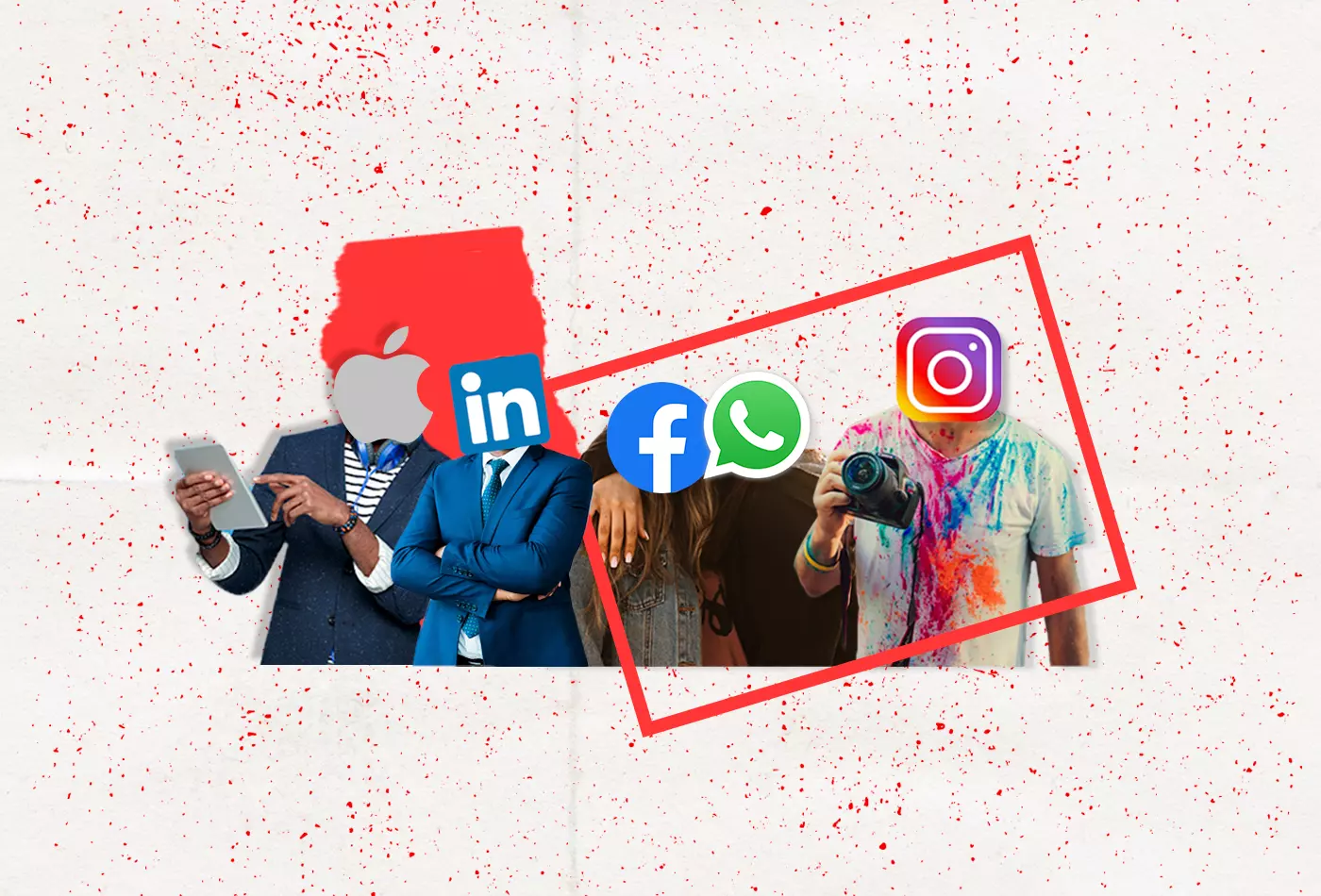
The image above encapsulates the essence of anthropomorphism in media—a brand mascot, stripped of its corporate origins, becomes a relatable figure. This transformation is not merely aesthetic; it is a testament to our enduring need to see ourselves in the world around us, even when that world is artificial.