The Symbolism of Anthropomorphism in Classic Literature
Oct. 23, 2026
Classic literature has long served as a mirror to human nature, reflecting our deepest fears, aspirations, and moral dilemmas. Among its most enduring techniques is
Today

Oct. 23, 2026
Classic literature has long served as a mirror to human nature, reflecting our deepest fears, aspirations, and moral dilemmas. Among its most enduring techniques is
Oct. 20, 2026
Anthropomorphism—the attribution of human traits, emotions, or intentions to non-human entities—has long fascinated psychologists, philosophers, and even marketers. But is it merely a quirk of

Oct. 19, 2026
Anthropomorphism—the act of attributing human characteristics to non-human entities—is a linguistic and artistic device as old as storytelling itself. From the chattering trees of ancient

Oct. 18, 2026
There is a quiet dialogue humming between our hands and the objects we touch—a silent conversation where form whispers to function, and familiarity becomes a
Oct. 18, 2026
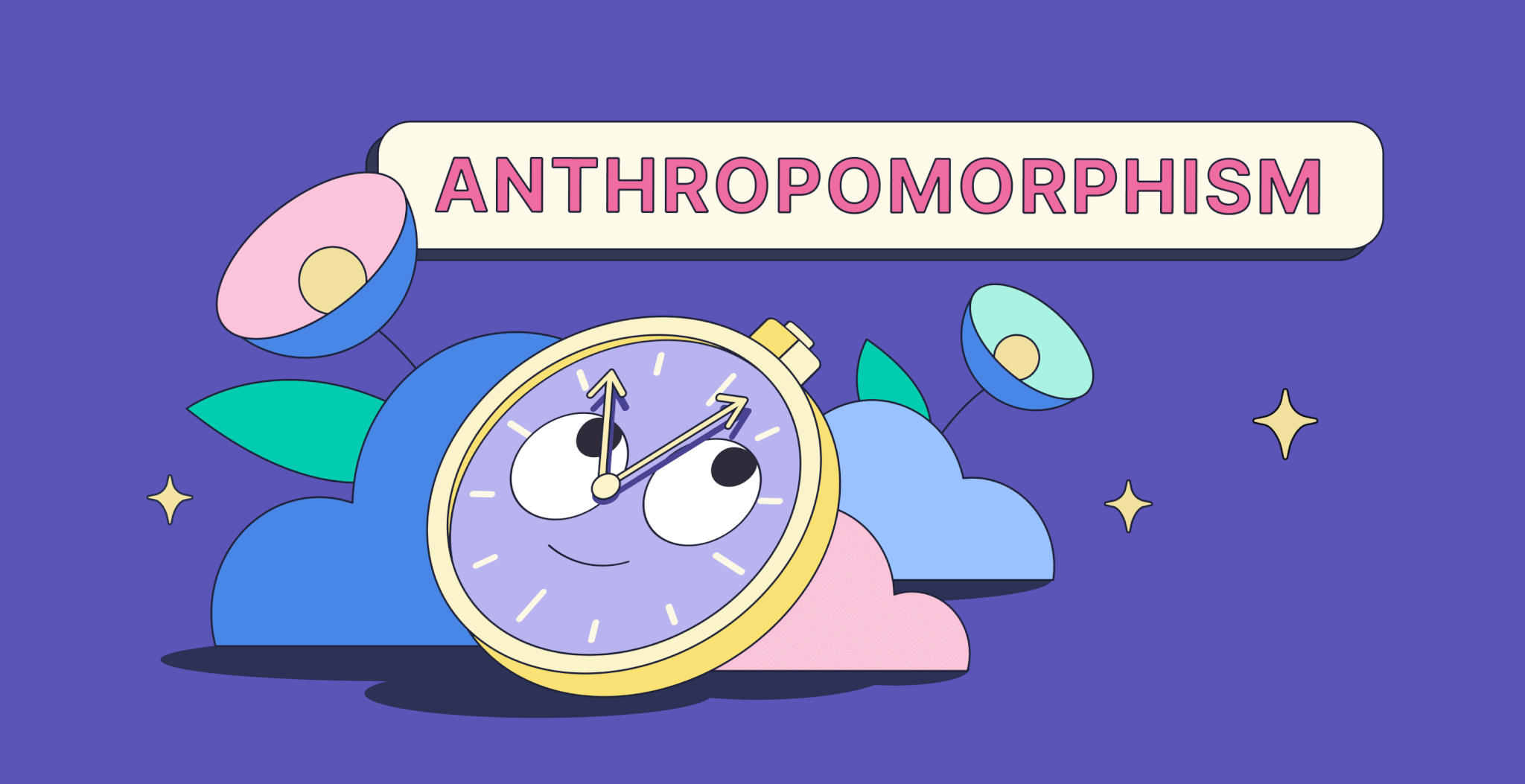
Have you ever chuckled at a cartoon squirrel donning a tiny top hat, or felt a pang of sympathy for a teapot that just wanted
Oct. 17, 2026
The way consumers perceive prices isn’t merely a matter of numbers on a tag—it’s a psychological dance between cognition and emotion, where the design of
Oct. 13, 2026
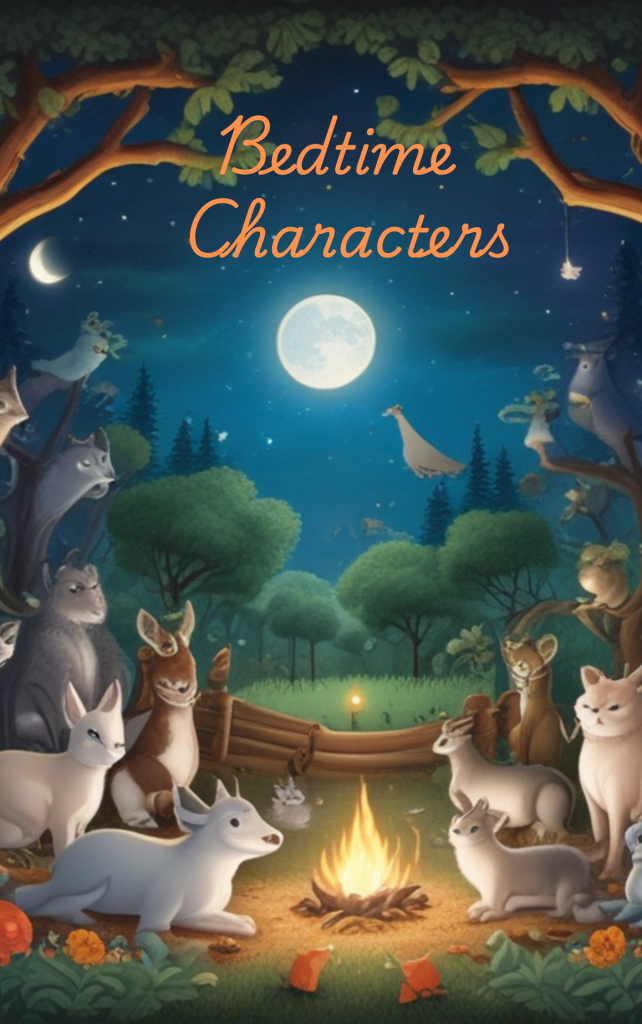
In the hushed glow of a child’s bedroom, where shadows stretch like silent sentinels and the night air hums with the quiet rhythm of breath,
Oct. 12, 2026
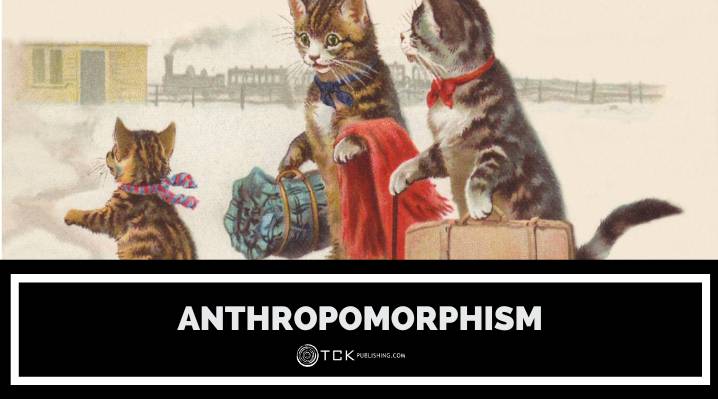
As the boundaries between human cognition and artificial intelligence blur, anthropomorphism—the attribution of human traits to non-human entities—emerges as a pivotal lens through which we
Oct. 12, 2026
Anthropomorphism—the attribution of human traits, emotions, or intentions to non-human entities—is far more than a literary device or cultural quirk. It is a cognitive bridge

Oct. 9, 2026
Classic novels often weave intricate layers of meaning into their narratives, and one of the most compelling techniques is the use of anthropomorphic characters—beings that
In the liminal space where light bends to mimic life, a quiet revolution is unfolding. Holograms, once mere spectacles of ...

In the vast theater of political communication, advertisements act as the playwrights, sculpting narratives that influence public perception and voter ...
In the evolving landscape of artificial intelligence, anthropomorphism—the attribution of human traits and qualities to AI systems—is more than a ...
In the labyrinthine corridors of corporate communication, where data often speaks in cold, impersonal numbers, a curious phenomenon has begun ...