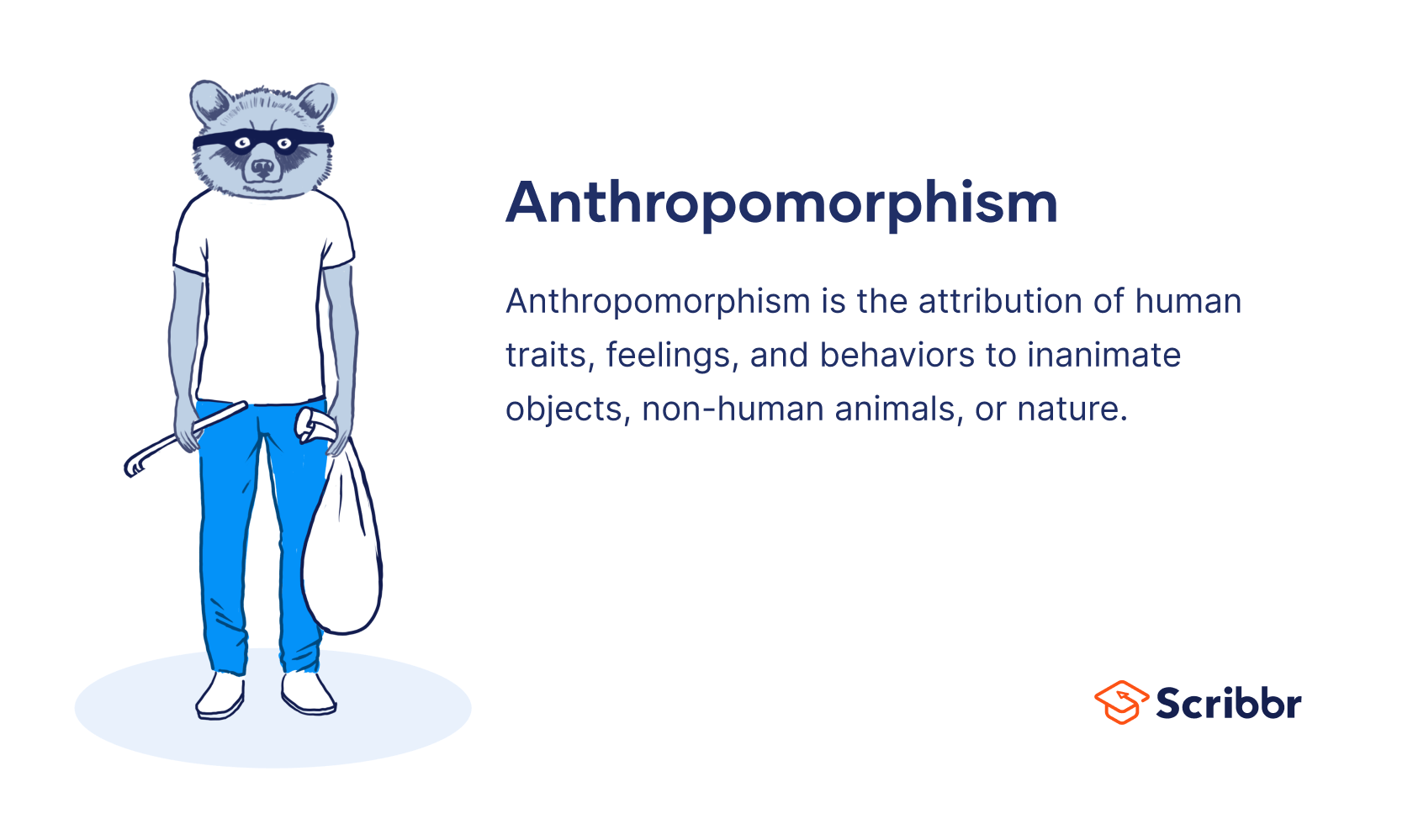
In the labyrinth of digital consumerism, where pixels replace handshakes and reviews stand in for human judgment, a curious phenomenon unfolds. Reviews are no longer mere words on a screen—they are living entities, breathing with the warmth of human emotion, the quirks of personality, and the subtle art of persuasion. This transformation is the work of anthropomorphism, the ancient trick of the mind that blurs the line between the inanimate and the human. When reviews wear the mask of humanity, they don’t just inform—they enchant, they persuade, and most crucially, they build trust in ways that cold, faceless testimonials never could.
The Alchemy of Human-Like Reviews: Turning Data into Trust
Imagine a review not as a static block of text, but as a character in a silent play, performing on the stage of your screen. It laughs, it sighs, it hesitates—just like a person. This is the magic of anthropomorphism in reviews: it turns dry data into a vivid, relatable experience. When a review says, “I was blown away by how quickly this product arrived,” it doesn’t just state a fact; it channels the enthusiasm of a friend who just unboxed a surprise gift. The brain, wired to seek patterns and meaning, latches onto this human-like narrative, interpreting it as a genuine interaction rather than a transactional exchange.
The alchemy lies in the details. A review that says, “I’ve been using this for weeks, and it’s still going strong,” feels like a whispered confession from a loyal companion. The use of first-person pronouns (“I,” “me,” “my”) and conversational tone (“blown away,” “going strong”) creates an illusion of intimacy, as if the reviewer is confiding in you over coffee. This isn’t just marketing—it’s the art of making the abstract feel tangible, the impersonal feel personal.
The Uncanny Valley of Trust: When Reviews Feel Too Human
Yet, like a robot venturing too close to human likeness, reviews that anthropomorphize too aggressively risk stumbling into the uncanny valley—a psychological chasm where trust curdles into unease. When a review reads like a scripted sales pitch, laden with exaggerated praise and robotic enthusiasm, the spell breaks. The brain, ever vigilant, detects the artifice and recoils. The result? A loss of credibility that feels like a betrayal.
Consider the review that gushes, “This product is the absolute pinnacle of human ingenuity, a masterpiece of engineering that transcends all boundaries!” The language is so over-the-top that it rings hollow, like a politician’s empty rhetoric. The brain, sensing the disconnect between the hyperbolic claim and the lack of nuance, flags it as untrustworthy. The key to avoiding this pitfall lies in subtlety—anthropomorphism should feel organic, not forced. A review that says, “I was skeptical at first, but after a week, I’m hooked,” carries more weight because it acknowledges doubt, mirroring the hesitations of a real person.
The Social Proof Paradox: Why We Trust Reviews That Trust Us
Anthropomorphism in reviews doesn’t just make them feel human—it makes them feel like they’re talking to us. This is the social proof paradox: when a review seems to address us directly, we’re more likely to trust it. A review that says, “You’ll love this,” doesn’t just state a fact; it invites us into a shared experience. The use of “you” creates a sense of dialogue, as if the reviewer is speaking to us personally, not broadcasting to an anonymous crowd.
This phenomenon taps into the brain’s mirror neurons, which fire not just when we act, but when we imagine acting. When a review describes a product as “perfect for your next adventure,” the brain lights up with the anticipation of that adventure, forging a subconscious bond between the reviewer and the reader. The trust isn’t just in the product—it’s in the relationship the review implies we’re about to have with it.
The Dark Side of Anthropomorphism: When Reviews Manipulate
But anthropomorphism isn’t always a force for good. When wielded carelessly or maliciously, it can become a tool of manipulation, preying on our emotional vulnerabilities. A review that says, “I cried when I opened the box—it was that beautiful,” doesn’t just describe a product; it hijacks our emotions, using sentiment as a Trojan horse to smuggle in trust. The line between genuine enthusiasm and calculated persuasion blurs, leaving us questioning our own judgment.
This is where skepticism becomes a shield. The savvy consumer learns to spot the telltale signs of manipulative anthropomorphism: reviews that use overly emotional language without concrete details, or those that address the reader in a way that feels scripted rather than spontaneous. The antidote lies in seeking out reviews that balance humanity with authenticity—those that acknowledge flaws as readily as they celebrate virtues.
The Future of Trust: Where Anthropomorphism Meets AI
As artificial intelligence grows more sophisticated, the line between human and machine-generated reviews will continue to blur. Already, AI can craft reviews that mimic human speech patterns with eerie precision, raising questions about the future of trust in digital spaces. Will we trust a review more if it’s written by a human, or if it’s generated by an algorithm that understands our deepest desires? The answer may lie in transparency—the more we know about the source of a review, the more we can calibrate our trust accordingly.
Yet, even in this brave new world, the power of anthropomorphism remains undiminished. Whether crafted by human hands or algorithmic minds, reviews that feel personal, that speak to us as individuals rather than faceless consumers, will always hold a unique appeal. The challenge for the future is to harness this power responsibly, ensuring that anthropomorphism enhances trust rather than exploits it.
The Art of the Review: Crafting Trust Through Humanity
So, how can reviewers and platforms harness the power of anthropomorphism without falling into the traps of manipulation or the uncanny valley? The answer lies in authenticity. A review that feels human isn’t one that performs humanity—it’s one that embodies it. It acknowledges imperfections, uses language that feels spontaneous, and speaks to the reader as a peer rather than a customer.
Consider the review that says, “I wasn’t sure about this at first, but after a few uses, I’m sold. It’s not perfect, but it’s close.” The honesty disarms skepticism, while the first-person perspective invites trust. This is the essence of anthropomorphism done right—it doesn’t just make reviews feel human; it makes them worthy of trust.
The next time you read a review, ask yourself: Does it feel like a conversation, or a monologue? Does it acknowledge doubt, or only certainty? The answers will tell you whether the review is a bridge to trust—or a bridge too far.