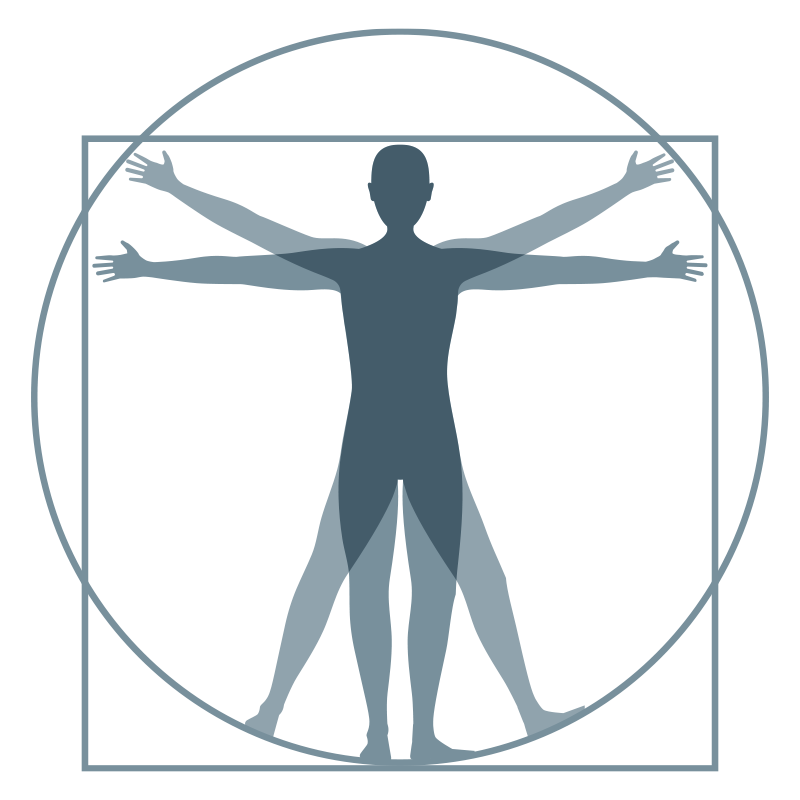
In the intricate dance of medical care, trust serves as the invisible thread binding doctor and patient. Yet, what if this trust could be subtly influenced by something as intangible as anthropomorphism? This phenomenon—the attribution of human traits, emotions, or intentions to non-human entities—not only shapes how patients perceive their physicians but also promises to revolutionize our understanding of empathy and connection in healthcare. Exploring the nuances of anthropomorphism opens a new vista into how patient trust is cultivated, altered, and at times, challenged in the clinical setting.
The Subtle Art of Anthropomorphism in Medical Contexts
Anthropomorphism, traditionally studied within the realm of human-computer interaction and robotics, has stealthily woven itself into the fabric of healthcare. Patients instinctively endow doctors with qualities beyond mere expertise—benevolence, understanding, even emotional warmth—often amplifying these perceptions through subtle cues such as facial expressions, tone of voice, and mannerisms. This cognitive phenomenon transcends simple observation; it is a psychological mechanism that humanizes the clinical experience, rendering physicians not just as healers but as empathetic allies. Consequently, anthropomorphic projections can dramatically influence the degree of patient engagement and openness.
Empathy Amplified: Anthropomorphism as a Catalyst for Emotional Connection
Empathy lies at the heart of patient trust, serving as a bridge over the often intimidating gulf of medical uncertainty. When patients perceive doctors as empathetic beings, they are more likely to divulge critical health information, adhere to prescribed treatments, and maintain continuity of care. Anthropomorphism acts as a catalyst that amplifies this empathy—not only are physicians seen as clinical experts but also as compassionate individuals who genuinely understand patients’ fears and hopes. This emotional connection, partly fueled by anthropomorphic attribution, fosters an environment where patients feel valued and heard, ultimately strengthening trust.
The Double-Edged Sword: When Anthropomorphism Breeds Unrealistic Expectations
However, the humanization of doctors via anthropomorphism is not without its pitfalls. Patients may develop unrealistic expectations about the physician’s omniscience, emotional availability, and infallibility. Such idealization can lead to profound disillusionment when clinical realities—diagnostic uncertainties, treatment failures, or the doctor’s own emotional limitations—surface. This cognitive dissonance can erode trust and complicate the therapeutic alliance. Thus, while anthropomorphism enriches the interpersonal dimension of care, it must be navigated carefully to avoid the inadvertent cultivation of misplaced confidence.
Nonverbal Cues and the Projection of Human Qualities
Beyond spoken communication, nonverbal cues serve as powerful conduits through which anthropomorphic perceptions are shaped. A reassuring smile, a steady gaze, and patient body language all signal warmth and attentiveness, encouraging patients to project human qualities onto their physicians. These subtle gestures enhance the perception of the doctor as a sentient, caring being rather than a detached professional. Interestingly, these gestures may not always be consciously detected yet exert a profound subconscious influence, sculpting patient trust through an almost primal recognition of empathy and authenticity.
Technology and the Anthropomorphism Effect in Modern Medicine
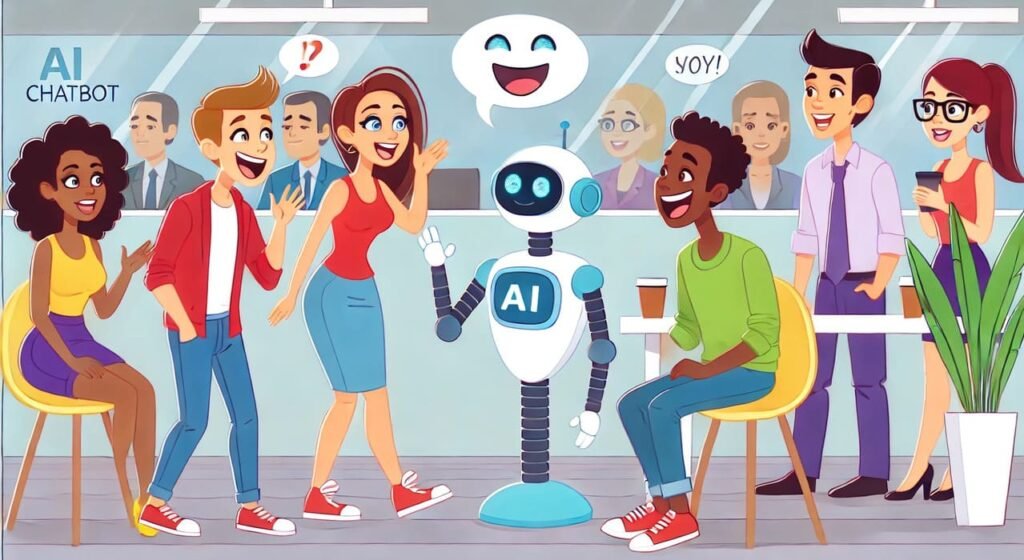
In an era increasingly dominated by artificial intelligence and telemedicine, anthropomorphism takes on new dimensions within patient-doctor interactions. Virtual consultations and AI-based diagnostic tools challenge traditional notions of trust by introducing intermediaries that lack tangible human presence. To compensate, medical technologies often incorporate anthropomorphic design elements—human-like avatars, empathetic language programming, or personalized communication features—that evoke familiarity and comfort. This “humanization” of technology strives to replicate the trust-building function historically fulfilled by face-to-face encounters, highlighting how deeply anthropomorphic tendencies are ingrained in patient psychology.
Cultural and Individual Variabilities in Anthropomorphic Interpretation
Anthropomorphism is not a uniform experience; rather, it is filtered through cultural lenses and individual psychological frameworks. Some cultures emphasize relational harmony and may be more predisposed to imbuing doctors with emotional attributes, while others may prioritize clinical objectivity, expressing trust in more pragmatic terms. Likewise, personality traits such as openness, empathy, and prior healthcare experiences modulate the extent to which patients anthropomorphize their caregivers. Appreciating these differences is crucial for tailoring communication strategies that optimize trust and minimize misinterpretation or alienation.
Implications for Medical Training and Patient-Centered Care
Recognizing the role of anthropomorphism in patient trust has profound implications for medical education and practice. Physicians who cultivate self-awareness regarding their own nonverbal communication and emotional expressiveness can harness anthropomorphic tendencies to foster stronger therapeutic bonds. Training programs emphasizing empathic presence, active listening, and emotional intelligence equip doctors to navigate and ethically leverage these humanizing projections. Ultimately, embracing the subtle interplay between anthropomorphism and trust promotes a holistic approach to patient-centered care, enhancing satisfaction and clinical outcomes.
The Future Horizon: Reframing Patient Trust Through Anthropomorphism
The intersection of anthropomorphism and patient trust forces a reevaluation of traditional paradigms in medicine. Trust is no longer purely a function of expertise or status but an intricate emotional construct shaped by human tendencies to seek connection and meaning. As healthcare continues to evolve amidst technological innovation and shifting societal expectations, anthropomorphism offers a compelling lens for understanding and cultivating trust. This emerging perspective invites curiosity and introspection, challenging providers and patients alike to navigate the delicate balance between human empathy and medical science with renewed awareness and intentionality.