At first glance, anthropomorphic plush toys might seem just another variety of cuddly companions, indistinguishable from their ordinary stuffed counterparts. Yet, dig a little deeper, and the ubiquitous presence of these endearing characters reveals a complex tapestry woven from psychological, developmental, and cultural threads. Why do kids consistently reach for plush toys that possess human traits—those wide eyes that seem to understand, those subtle smiles that promise comfort? The answer lies in an intriguing exploration of childhood imagination, emotional needs, and the unique potency of anthropomorphism in fostering connection. This exploration promises a fresh vantage point, inviting readers to reconsider what it truly means for a toy to become a beloved friend.
The Magnetic Allure of Anthropomorphism
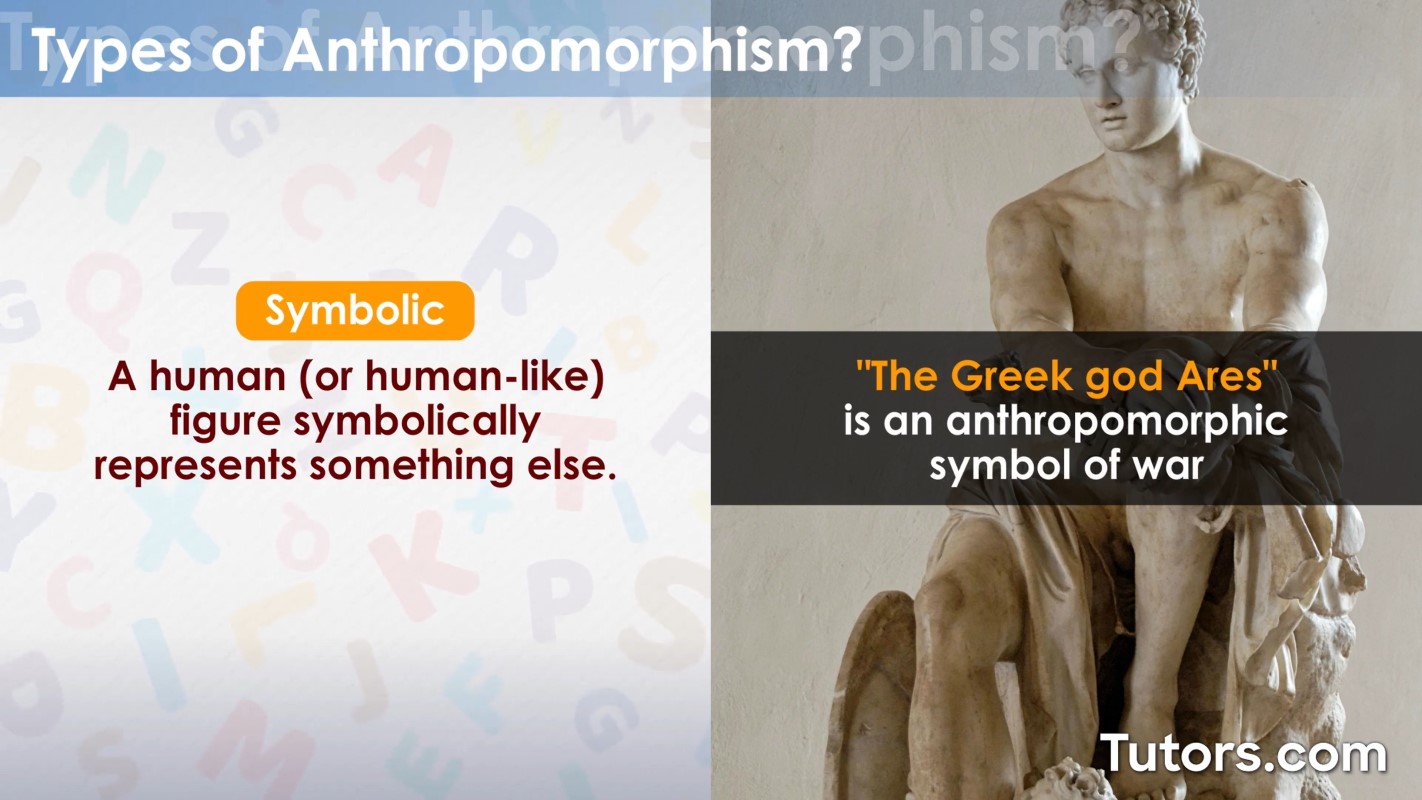
Anthropomorphism, the attribution of human qualities to non-human entities, taps into an ancient cognitive propensity. Children, with their burgeoning intellects, are naturally inclined to interpret the world through a human-centric lens. When a plush toy sports a whimsical face or a gentle smile, it transcends mere fabric and fluff; it becomes a being imbued with intention and personality. This humanization sparks a compelling interplay between imagination and emotional recognition. Kids do not merely see a toy—they perceive a companion who listens, understands, and responds in an unspoken dialogue of childhood companionship.
This psychological magnetism is heightened by subtle design elements: oversized eyes echoing those of infants, warm, approachable colors, and soft contours that invite tactile exploration. These features heighten the toy’s perceived sentience, making the plush not just an object but a potential confidant. It’s as though these anthropomorphic figures become living, breathing characters within a child’s private universe, capable of fostering empathy and nurturing social understanding.
Emotional Safety and the Promise of Companionship
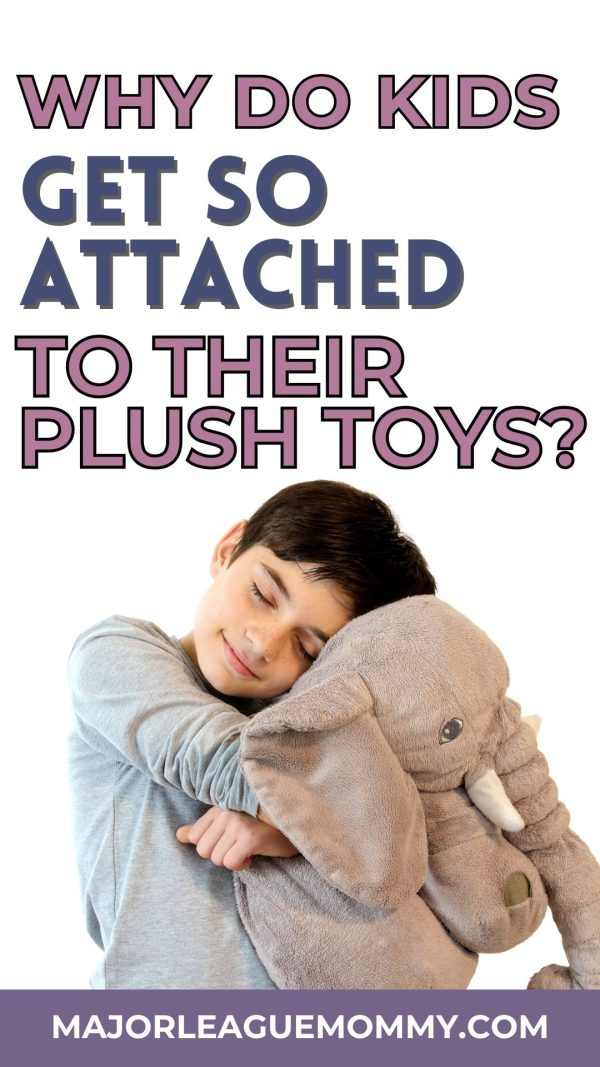
In early development, children encounter a world brimming with stimuli—some exhilarating, others overwhelming. Anthropomorphic plush toys serve as emotional anchors amid this flux. Their familiar, humanlike expressions promise unwavering acceptance and nonjudgmental companionship. Unlike people, these toys are silent listeners, offering solace without the complexities of social negotiation.
This emotional safety net fosters a unique psychological environment where kids can safely express fears, hopes, and desires. It offers a tangible outlet for emotional regulation and self-soothing. For instance, a child facing separation anxiety can find reassurance in a plush toy that feels alive, almost like a small guardian. The bond formed transcends play; it becomes an emotional scaffold supporting the child’s developing resilience and security.
Facilitating Social and Cognitive Development
Beyond comfort, anthropomorphic plush toys subtly nurture essential social skills. By attributing feelings and intentions to their toys, children engage in pretense play—a critical developmental stage. This imaginative rehearsal allows kids to experiment with social roles, emotions, and conflict resolution in a safe, controlled environment.
Moreover, these toys become proxies for storytelling, language acquisition, and narrative creation. The human characteristics of the plush toys ignite creativity by providing a recognizable framework for role-playing scenarios that mimic real-life interactions. This activity not only enhances verbal skills but cultivates empathy, as children navigate diverse emotions through the eyes of their plush companions.
Cultural Symbolism and Shared Narratives
Anthropomorphic plush toys also resonate deeply because they embody cultural archetypes and shared narratives. Animals with human traits have long been fixtures in mythology, folklore, and children’s literature. Whether it’s a talking bear or a wise rabbit, these characters carry symbolic meanings that enrich the play experience.
Children absorb these cultural echoes, inventing stories that bridge personal experience with inherited collective consciousness. The familiar tropes embedded within anthropomorphic forms provide a springboard for children to connect with broader themes such as friendship, bravery, and kindness. These toys thus serve as conduits linking individual imagination with the larger social fabric.
The Neuroscience Behind Plush Toy Attachment
Recent insights from neuroscience shed light on why anthropomorphic plush toys hold such magnetic appeal. The human brain is predisposed to recognize faces and emotional expressions—a phenomenon known as pareidolia. When children observe these cues on plush toys, neural circuits associated with social cognition, attachment, and reward are activated.
This neurological engagement triggers the release of oxytocin, often labeled the “bonding hormone,” enhancing feelings of trust and emotional closeness toward the toy. The plush thus metamorphoses from inert to cherished “other,” deeply embedded within the child’s emotional ecosystem. Understanding this biological substrate disrupts assumptions that toys are merely insentient objects, revealing instead a profound interaction between brain, heart, and tactile experience.
Conclusion: Reframing Our Understanding of Childhood Companions
Anthropomorphic plush toys are far more than simple children’s playthings. They inhabit a liminal space where imagination, emotion, and cultural storytelling converge, offering young minds an extraordinary reservoir of comfort, creativity, and social learning. Viewed through this prism, these toys emerge not as passive objects but as active participants in the formative processes that shape identity and empathy.
By appreciating the multifaceted reasons behind kids’ affection for anthropomorphic plush toys, we gain a glimpse into the subtle complexity of childhood itself—a time when the boundary between reality and fantasy blurs, and the simplest of companions can hold an extraordinary power to nurture and transform.