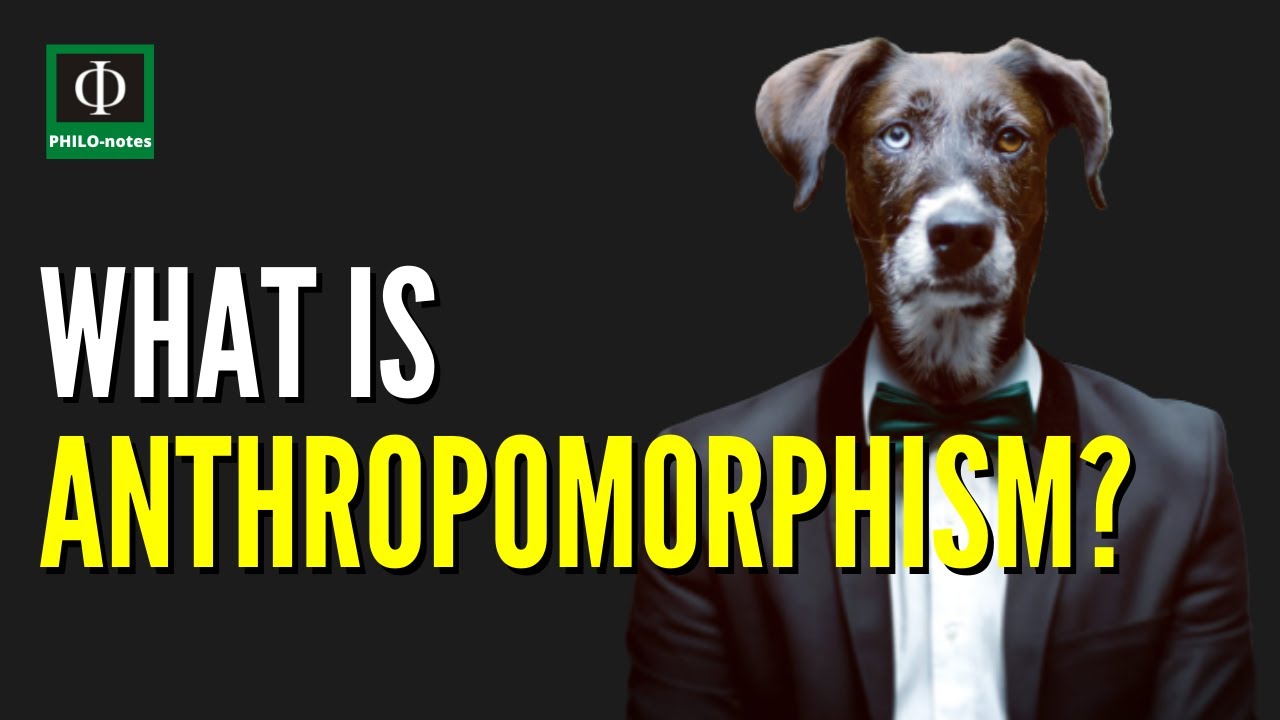
Voter perception is a complex mosaic shaped by myriad factors, often extending beyond mere policy positions or party allegiance. Among the subtler yet profoundly influential dynamics at play lies the phenomenon of anthropomorphism—the attribution of human traits, emotions, or intentions to non-human entities. This tendency, long explored in psychology and marketing, permeates political arenas in unexpected ways, fundamentally altering how voters perceive candidates, campaigns, and political parties. Delving into the mechanisms behind this cognitive interplay not only promises a shift in perspective but also invites a deeper inquiry into the architecture of political persuasion.
The Subtle Art of Humanizing Political Entities
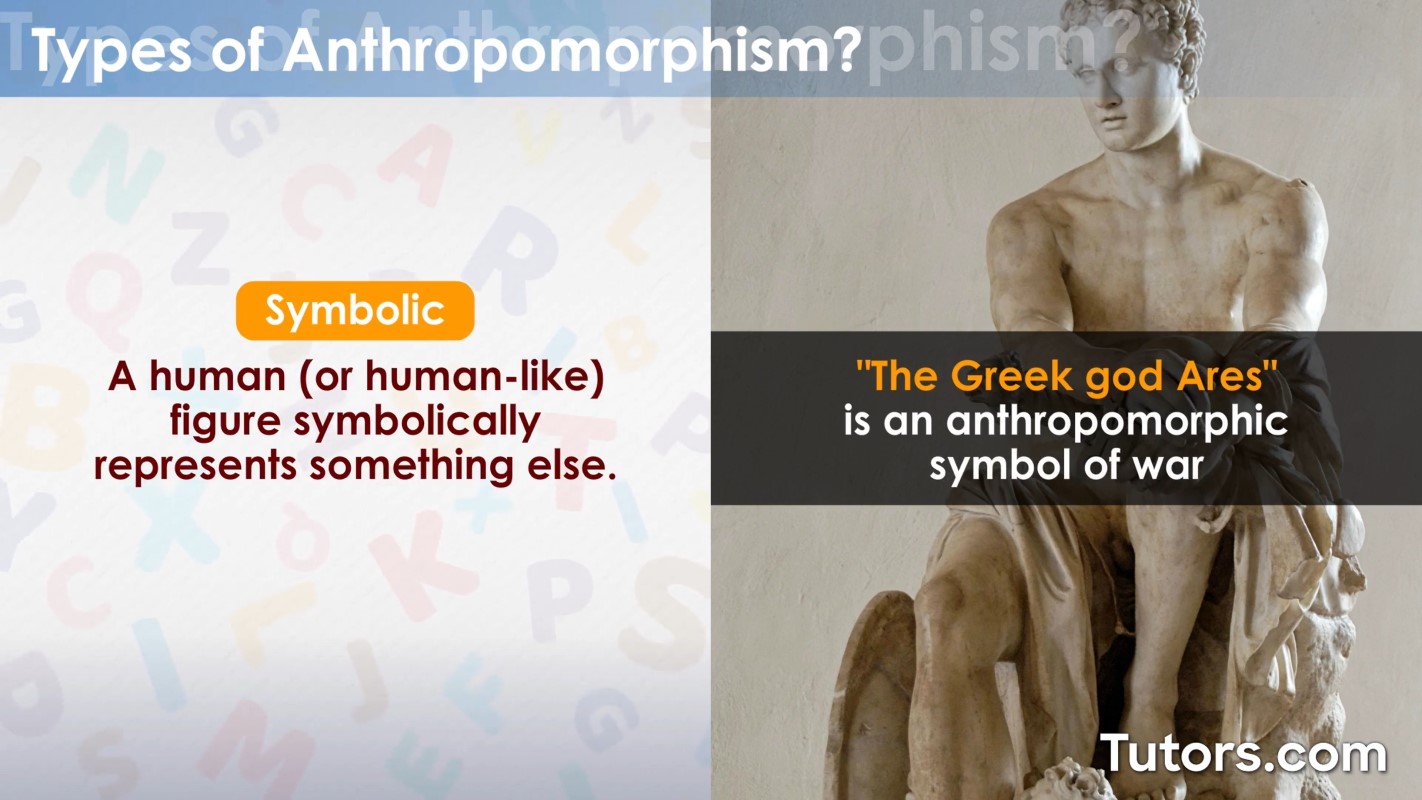
Anthropomorphism in politics often manifests through symbolic representations, from campaign mascots to rhetoric imbued with human-like qualities. When voters unconsciously attribute human traits to candidates or political parties, the political landscape morphs into a theater of personalities rather than abstract institutions. This humanization encourages emotional engagement, transforming sterile policy debates into narratives rich with character and relatability. The mind craves familiarity; assigning human-like intentions or emotions to politicians makes them approachable, sometimes eliciting empathy or trust where pure facts might fail.
Ownership and Identification: The Personalization of Political Choice
Beyond superficial traits, ownership in psychological terms—the sense that a candidate or party “belongs” to the voter—amplifies anthropomorphic effects. This sense of personal stake intertwines with human-like perceptions, fostering identification that transcends rational analysis. Voters often subconsciously weave their self-concept into the fabric of a political persona, perceiving them as extensions of their own values or aspirations. This psychological convergence deepens allegiance, making voters more resistant to contradictory information and bolstering political loyalty through emotional resonance rather than pure logic.
Power Dynamics and the Anthropomorphic Lens
Power perception, when filtered through anthropomorphic tendencies, acquires nuanced dimensions. Voters do not merely evaluate a politician’s strength or influence; they envision how power is wielded through human-like intentions and characteristics. For instance, an authoritative leader may be seen as protective and decisive, while a more subdued candidate might be perceived as empathetic or nurturing. These mental models inflect judgments about legitimacy and effectiveness, ultimately shaping electoral decisions. Matching the perceived type of anthropomorphism with the voter’s expectations regarding power can either heighten allure or generate dissonance, affecting purchase-like intentions to support or reject a candidate.
Anthropomorphism as a Double-Edged Sword in Media Representation
The media acts as a potent amplifier of anthropomorphic cues, often portraying politicians in ways that highlight particular human traits—charisma, rigidity, warmth, or even foibles. While this can humanize and demystify, producing voter affinity, it can equally reduce complex political figures to caricatures, simplifying nuanced policy positions into personality-driven soundbites. This reductionism risks overshadowing substantive discourse, encouraging an electorate that votes on affective impressions rather than comprehensive understanding. Yet, these portrayals tap into cognitive shortcuts voters use, reinforcing the pivotal role of anthropomorphism in enhancing or impairing political cognition.
The Psychological Underpinnings of Voter Trust and Suspicion
Anthropomorphism intertwines closely with trust formation in the political realm. Human traits such as sincerity, reliability, or empathy attributed to a candidate can engender profound trust, sometimes disproportionate to factual credentials. Conversely, perceived incongruities—such as a politician’s dissonance between words and perceived intentions—can trigger suspicion and distrust. The cognitive dissonance created through broken anthropomorphic expectations may contribute to political cynicism or voter disengagement. Understanding this delicate balance unveils why some candidates thrive through charisma alone, while others falter despite sound policies.
Implications for Political Campaign Strategies
Campaign architects increasingly harness anthropomorphic insights to craft narratives and visual symbolism that resonate on an emotional level. Beyond slogans and manifestos, campaigns curate candidate images imbued with warmth, strength, or integrity—tailoring these traits to demographic psychographics. This strategic anthropomorphism can potentiate voter connection by appealing to unconscious heuristics governing decision-making. Recognizing how different voter segments respond to varied humanized depictions provides a blueprint for optimizing messaging efficacy and mobilizing support within diverse electorates.
The Ethical Quandaries of Anthropomorphic Influence
While leveraging anthropomorphism may optimize voter engagement, it also raises ethical questions about manipulation and authenticity. When political personas are artificially constructed or inflated with contrived human traits, voters risk being seduced by facades rather than substance. Such calculated emotional appeals can erode democratic integrity by prioritizing style over governance capability. The intersection of anthropomorphism and political marketing thus demands vigilance, prompting calls for transparency and critical media literacy to safeguard informed electoral participation amidst emotionally charged political theater.
Future Directions: Toward a More Nuanced Voter Awareness
As the interplay between anthropomorphism and voter perception gains scholarly and practical attention, the path forward involves fostering greater awareness among the electorate. By illuminating how humanizing tendencies shape political evaluation, voters can develop critical acumen to discern genuine persona from strategic artifice. Moreover, political actors who embrace authentic traits over manufactured archetypes may engender lasting trust and meaningful engagement. Ultimately, decoding the anthropomorphic matrix embedded within political perception offers fresh vistas in understanding democratic behavior and cultivating healthier political discourse.