In the vast, pixelated landscapes of digital realms, gamers often find themselves forming profound emotional connections with characters who exist only as lines of code and vibrant sprites. These bonds transcend the screen, weaving narratives that resonate deeply within the human psyche. But why do gamers forge such attachments to virtual beings? The answer lies in the intricate interplay of psychology, storytelling, and the immersive nature of gaming itself. This exploration delves into the multifaceted reasons behind these emotional ties, examining the types of content that foster these connections and the mechanisms that make them so potent.
The Allure of Relatable Protagonists
At the heart of emotional bonding in gaming lies the protagonist—a digital avatar through which players experience the game’s world. These characters often embody traits that players recognize in themselves or aspire to possess. Whether it’s the reluctant hero’s journey of a silent protagonist or the flawed, complex arc of a morally ambiguous antihero, relatability is key. Games like The Last of Us or Red Dead Redemption 2 craft protagonists with depth, flaws, and growth arcs that mirror real-life struggles. Players don’t just control these characters; they become them, investing emotionally in their triumphs and tragedies as if they were their own.
Moreover, the design of these characters plays a crucial role. Expressive animations, nuanced voice acting, and lifelike facial expressions blur the line between fiction and reality. When a character’s eyes well up with tears or their voice cracks under pressure, players feel it too. This phenomenon, known as emotional contagion, occurs when players subconsciously mirror the emotions displayed by their digital counterparts, creating a feedback loop of empathy and investment.
The Power of Narrative Immersion
Storytelling in games is no longer confined to static cutscenes or text boxes. Modern titles employ dynamic narratives that adapt to player choices, making every decision feel consequential. Games like Mass Effect or The Witcher 3 present branching paths where relationships with NPCs (non-player characters) evolve based on player actions. These interactions foster a sense of agency, making players feel responsible for the fates of the characters they encounter.
Beyond choice-driven narratives, environmental storytelling immerses players in richly detailed worlds where lore and character backstories are woven into the scenery. A crumbling letter in a derelict house or a flickering hologram in a futuristic city can evoke curiosity and attachment to the unseen figures behind these fragments. This technique, borrowed from literature and film, leverages the player’s imagination to fill in gaps, making virtual characters feel more tangible and real.
Additionally, episodic storytelling—where a game unfolds in installments—mirrors the binge-watching culture of modern media. Players eagerly await updates, forming parasocial relationships with characters they see regularly, much like fans of a TV series. The anticipation of seeing a beloved character again strengthens emotional bonds, turning fleeting interactions into lasting memories.
The Role of Aesthetic and Atmosphere
Visual and auditory design are silent architects of emotional connection. The art style of a game sets the tone for how players perceive its characters. A painterly aesthetic, like in Ori and the Blind Forest, can evoke warmth and nostalgia, while a gritty, photorealistic approach, as seen in The Last of Us Part II, grounds characters in a stark, believable reality. These choices influence how deeply players engage with a character’s appearance and demeanor.
Sound design amplifies this effect. A character’s theme music, ambient noises in their environment, or even the subtle inflection in their voice lines can trigger emotional responses. Consider the haunting melody of Tears of the Kingdom’s Korok characters or the eerie silence of Silent Hill’s monsters. These auditory cues become inseparable from the characters themselves, etching them into the player’s memory.
Lighting and color palettes also play a pivotal role. Warm hues might make a character feel inviting and trustworthy, while cool tones can evoke melancholy or mystery. Games like Journey use minimalist visuals and a sun-drenched palette to create a sense of wonder, while Limbo’s monochrome shadows amplify tension and dread. These aesthetic choices shape how players emotionally categorize characters, whether as allies, adversaries, or something in between.
Gameplay Mechanics That Foster Connection
Beyond narrative and aesthetics, gameplay mechanics can deepen emotional bonds with virtual characters. Companion systems, where players guide AI-controlled allies through perilous worlds, create a sense of camaraderie. Titles like Dragon Age: Inquisition or Fire Emblem allow players to develop relationships with party members, complete with dialogue trees, gifts, and shared battles. These mechanics mimic real-life friendships, where trust and mutual reliance are built through shared experiences.
Another powerful mechanic is the permadeath system, where characters can die permanently, forcing players to confront loss and consequence. Games like Dark Souls or XCOM use this trope to make every ally feel irreplaceable. The emotional weight of losing a character—whether through a player’s mistake or an unavoidable narrative twist—can be as profound as real-life grief, reinforcing the bond between player and character.
Even mundane gameplay elements, like character customization, can foster attachment. When players invest time in designing a protagonist’s appearance, backstory, or abilities, they imbue that character with personal significance. This phenomenon, known as the IKEA effect, suggests that people place higher value on things they’ve helped create. In gaming, this translates to players feeling a proprietary pride in their virtual avatars, further solidifying emotional connections.
The Psychological Underpinnings of Virtual Attachment
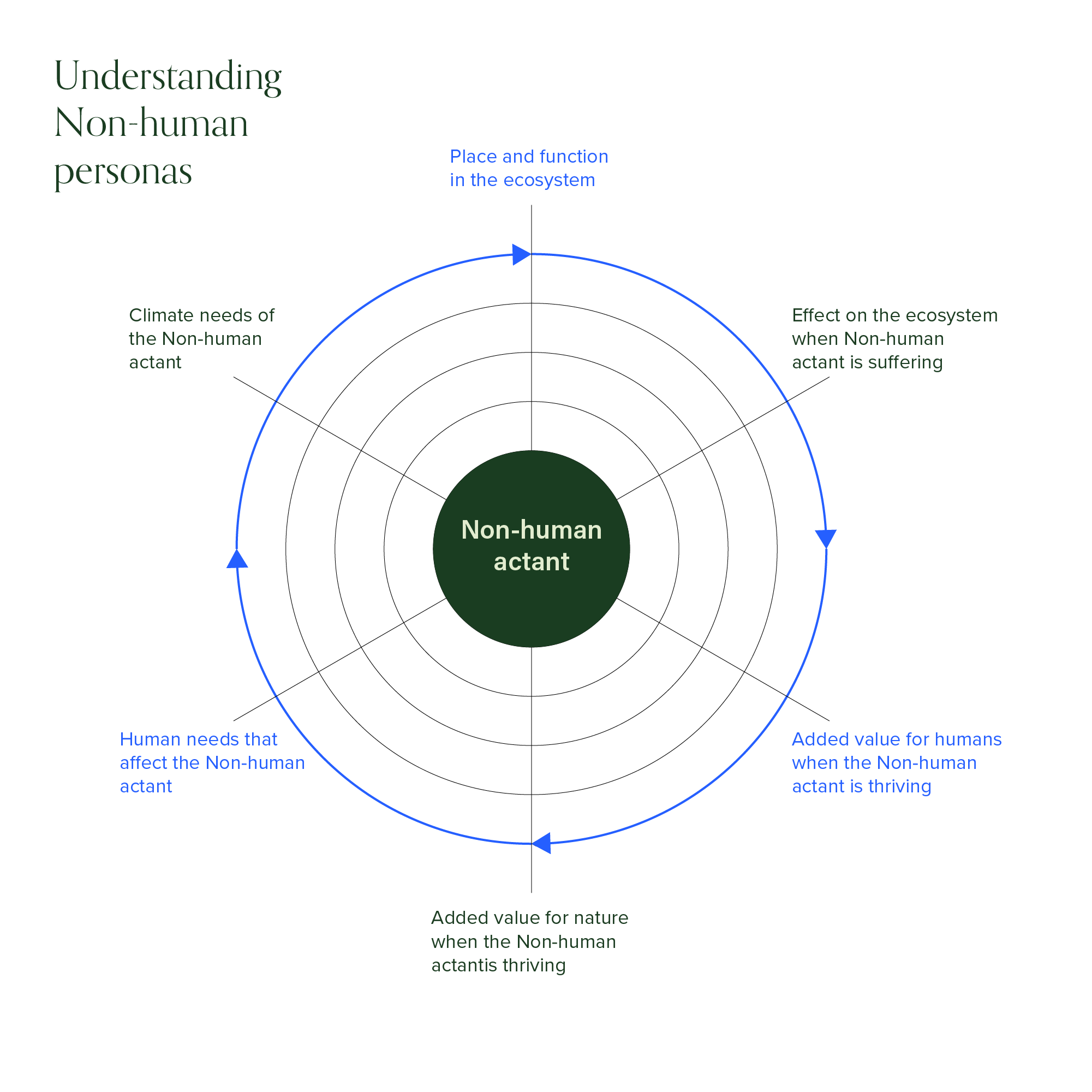
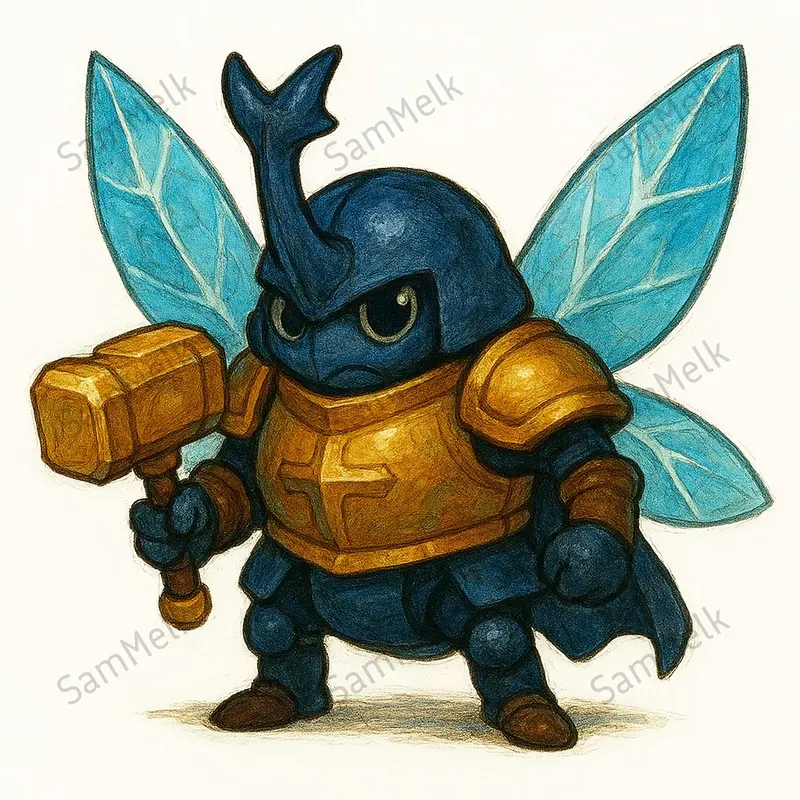
From a psychological standpoint, emotional bonds with virtual characters stem from the brain’s innate tendency to anthropomorphize—assigning human traits to non-human entities. This cognitive bias is rooted in our evolutionary history, where recognizing faces and emotions in ambiguous stimuli could mean the difference between survival and peril. Games exploit this tendency by presenting characters with human-like expressions, behaviors, and social cues.
The concept of parasocial relationships—one-sided emotional connections where one party (the player) feels deeply invested in another (the character)—also plays a significant role. Unlike real-life relationships, these bonds are low-risk; players can engage with characters without fear of rejection or betrayal. This safety net allows for deeper emotional exploration, as seen in games like Persona 5, where players form bonds with demons and humans alike, blurring the line between fantasy and reality.
Neuroscientific research suggests that virtual interactions activate the same brain regions as real-life social experiences. When players empathize with a character’s pain or celebrate their victories, the brain’s reward system lights up, releasing dopamine and reinforcing the emotional connection. This neurological response explains why players often describe their favorite game characters as “friends” or “family,” despite knowing they’re fictional.
Conclusion: The Enduring Legacy of Virtual Bonds
Emotional connections with virtual characters are a testament to gaming’s unique ability to blend art, technology, and psychology into an immersive experience. Whether through relatable protagonists, dynamic narratives, or gameplay mechanics that foster trust and loss, these bonds transcend the screen, leaving indelible marks on players’ hearts. As gaming continues to evolve, so too will the depth and complexity of these relationships, ensuring that the digital and emotional realms remain forever intertwined.