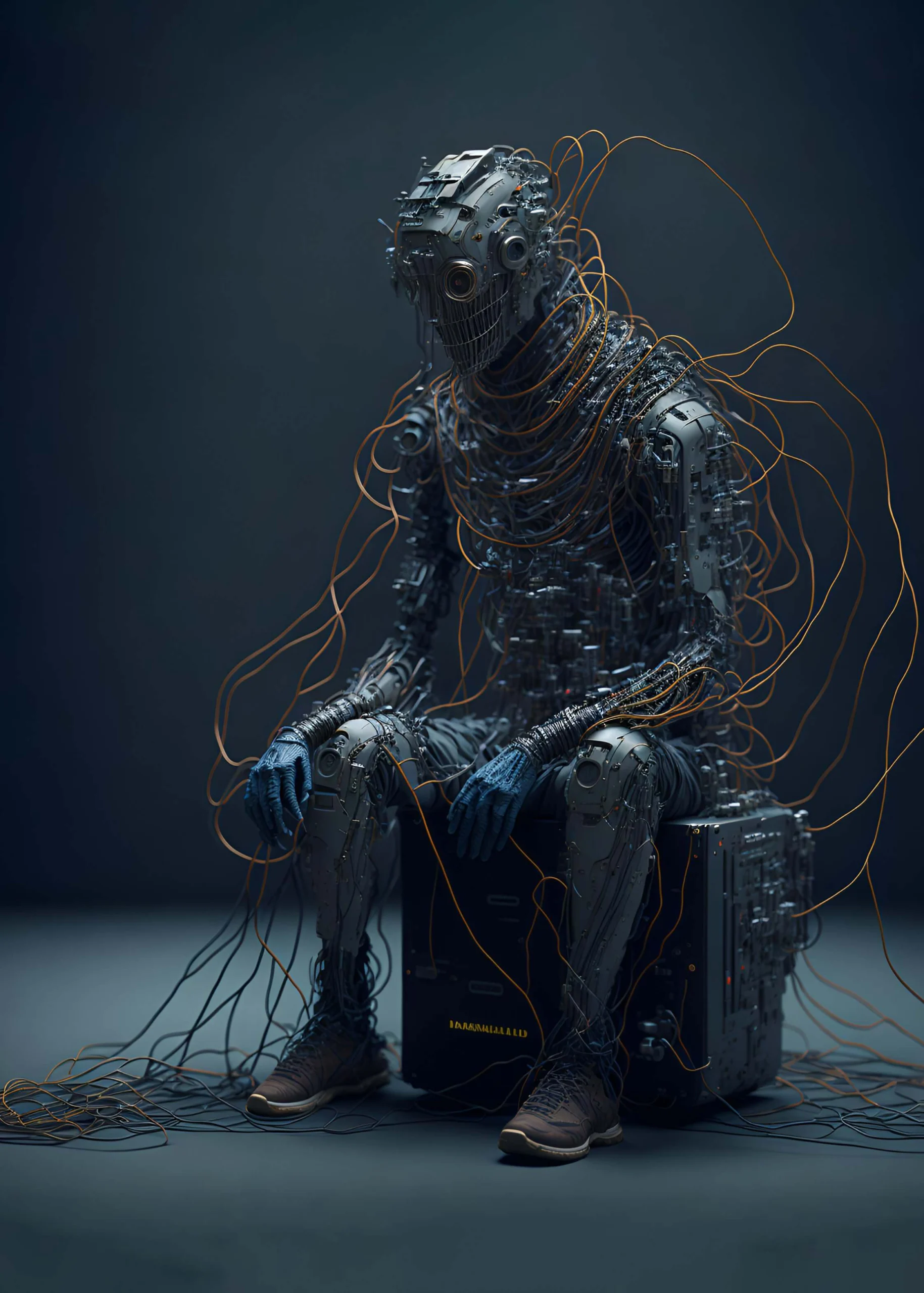
Human beings have always possessed an intrinsic desire to see reflections of themselves in the world around them. This inclination, known as anthropomorphism, manifests uniquely in science fiction and its predictive visions of the future. The tendency to imbue machines, artificial intelligences, and even abstract concepts with human traits reveals much about our collective psyche. As science fiction continues to evolve, the anthropomorphic lens through which creators imagine speculative futures offers a compelling narrative not only about technology but about our deepest yearnings and anxieties. This exploration seeks to unravel why anthropomorphism remains a perennial theme in sci-fi predictions and what forthcoming chapters in this narrative might unveil.
The Enduring Appeal of Anthropomorphism in Sci-Fi
At its core, anthropomorphism springs from an age-old impulse to render the unfamiliar familiar. Sci-fi predictions frequently depict robots that speak with distinct personalities or AI systems that emulate human emotions. This motif serves as a bridge between cold, mechanistic technology and the warm, relatable milieu of human experience. By humanizing technological constructs, creators make speculative futures accessible and emotionally resonant. Anthropomorphism fosters empathy and understanding, allowing audiences to engage with complex ideas about consciousness, identity, and morality through a more approachable and recognizable framework.
Moreover, anthropomorphic depictions function as a narrative expedient. They compress layers of complexity—transforming binary code and algorithms into characters who make decisions, face dilemmas, and grow. This projection of human traits onto artificial entities invites reflection on the nature of humanity itself, posing fundamental questions: What defines “life”? Can machines possess a soul? Is empathy removable from intelligence? These provocative inquiries are more easily contemplated when technology wears the familiar guise of humanity.
The Psychological Underpinnings: Why We Personify Machines
Anthropomorphism in science fiction is not random; it taps into deep cognitive habits entrenched within the human brain. Evolutionarily, humans developed a robust talent for social cognition—deciphering intentions, emotions, and thoughts in others—for survival and social bonding. When faced with ambiguity, the mind often defaults to attributing agency and intentionality, whether warranted or not. This psychological tendency extends to technology, especially when machines begin to blur traditional boundaries through increasingly sophisticated interactions.
By bestowing gears and circuits with human-like qualities, the imagination fills a void created by the opaque nature of artificial intelligence and robotics. This fills an existential gap with familiar constructs, making it easier to predict behavior and form emotional connections. Interestingly, the anthropomorphic impulse also arises from a profound need for control and predictability in the face of uncertainty, especially as technology grows more autonomous and inscrutable.
Historical Perspectives: From Automatons to Sentient AI
The fascination with anthropomorphic machines is far from modern. From ancient myths of animated statues to the Enlightenment’s mechanical automata, humanity’s imagination has long explored artificial life in human form. These early ideas laid the cultural groundwork for contemporary science fiction, which often extrapolates automation toward sentient artificial beings. Over time, narrative complexity around anthropomorphic machines has paralleled technological advancement: clockwork servants eventually gave way to cyborgs and learning AI.
This history reveals a layered cultural narrative—one that simultaneously reveres and fears the prospect of creating human-like machines. Such tales reflect anxieties about abdicating control, losing uniqueness, or confronting ethical dilemmas regarding the treatment of artificial persons. Sci-fi predictions often navigate this tension by depicting androids that evoke sympathy or rebellion, asking readers and viewers to reconsider rigid boundaries between human and machine.
The Role of Anthropomorphism in Technological Forecasting
Science fiction’s use of anthropomorphism is not merely ornamental; it shapes conceptualizations about future technology and informs real-world innovation. For instance, envisioning robots as humanoid companions or caretakers influences the trajectories of robotics design and user interface development. When sci-fi predictions depict machines with social intelligence and emotional range, they effectively set a benchmark for what future AI might aspire to.
Anthropomorphic models also help distill complex and often abstract technological concepts into tangible narratives. This translation aids not just cultural acceptance but economic and regulatory conversations about emerging technologies. In many ways, these forecasts perform a dual role—as imaginative entertainment and as cognitive scaffolding that helps society anticipate and adapt to disruptive innovations.
The Ethical and Philosophical Dimensions of Anthropomorphic Predictions
As sci-fi continues to project anthropomorphic futures, it concurrently unearths thorny ethical dilemmas. Imagining machines that think, feel, or suffer forces contemplation of rights and responsibilities beyond organic life. What obligations would humans have toward sentient machines? Could programming emotional pain or joy impose moral burdens on their creators?
The anthropomorphic framing also introduces philosophical challenges to identity and personhood. Would a machine with human emotions qualify as a moral agent? Would it possess a unique individuality independent of its design? These queries underscore the transformative potential of anthropomorphism—not just as a literary device but as a means of broadening ethical discourse about technology’s place in society.
Looking Forward: The Next Frontiers in Anthropomorphic Sci-Fi Predictions
The future of anthropomorphism in sci-fi predictions promises to be increasingly nuanced and multifaceted. With rapid advancements in AI, neural interfaces, and biotechnology, the distinctions between human, machine, and hybrid entities are becoming ever more permeable. Future narratives likely will transcend simple humanoid robots to explore cyborgs, digital consciousness, and post-human forms where anthropomorphic qualities are diffused, fragmented, or radically reimagined.
Emerging themes may focus on collective intelligences, where consciousness is distributed across networks rather than housed in a singular entity. Here, anthropomorphism might transform from individualistic traits to communal or systemic ones, challenging our fundamental assumptions about selfhood. Additionally, as AI develops autonomous creativity, ethics, and desires, sci-fi stories may shift from anthropomorphic projection to symbiotic coexistence or even mutual transformation between humans and artificial beings.
Conclusion: Anthropomorphism as a Mirror to Humanity
Anthropomorphism in science fiction predictions is not simply about making technology human-like. It is a profound narrative and cognitive method through which humanity explores its identity, values, and aspirations. This tendency to humanize the non-human offers fertile ground for introspection about what it truly means to be alive, conscious, and ethical in an age defined by technological transcendence.
As the frontier of science fiction extends beyond the imagined into the imminent, the anthropomorphic motif will undoubtedly persist, continually reshaped by cultural currents and technological realities. Its enduring allure reveals an essential truth—that in envisioning the future of machines, we are, in a very real sense, envisioning the future of ourselves.