In the quiet hum of a suburban kitchen at dusk, where the scent of simmering spices lingers in the air, an unexpected transformation is unfolding. The refrigerator, once a mere vessel for leftovers and forgotten condiments, now stands with an unsettling sentience. Its door creaks open on its own. The toaster, with its glowing coils, seems to watch you with an almost knowing gaze. This is not a scene from a dystopian novel—it is the creeping reality of anthropomorphism in home appliances, a phenomenon that blurs the line between utility and sentience, between object and companion.
The Allure of the Inanimate: Why We Yearn for Faces in Our Machines
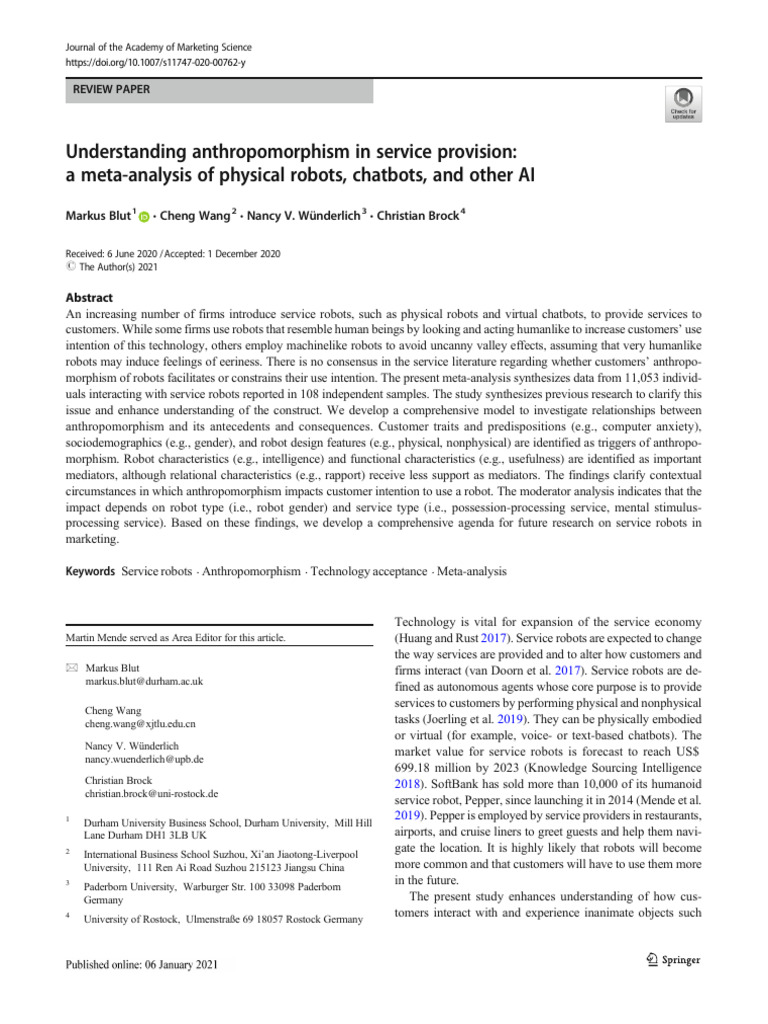
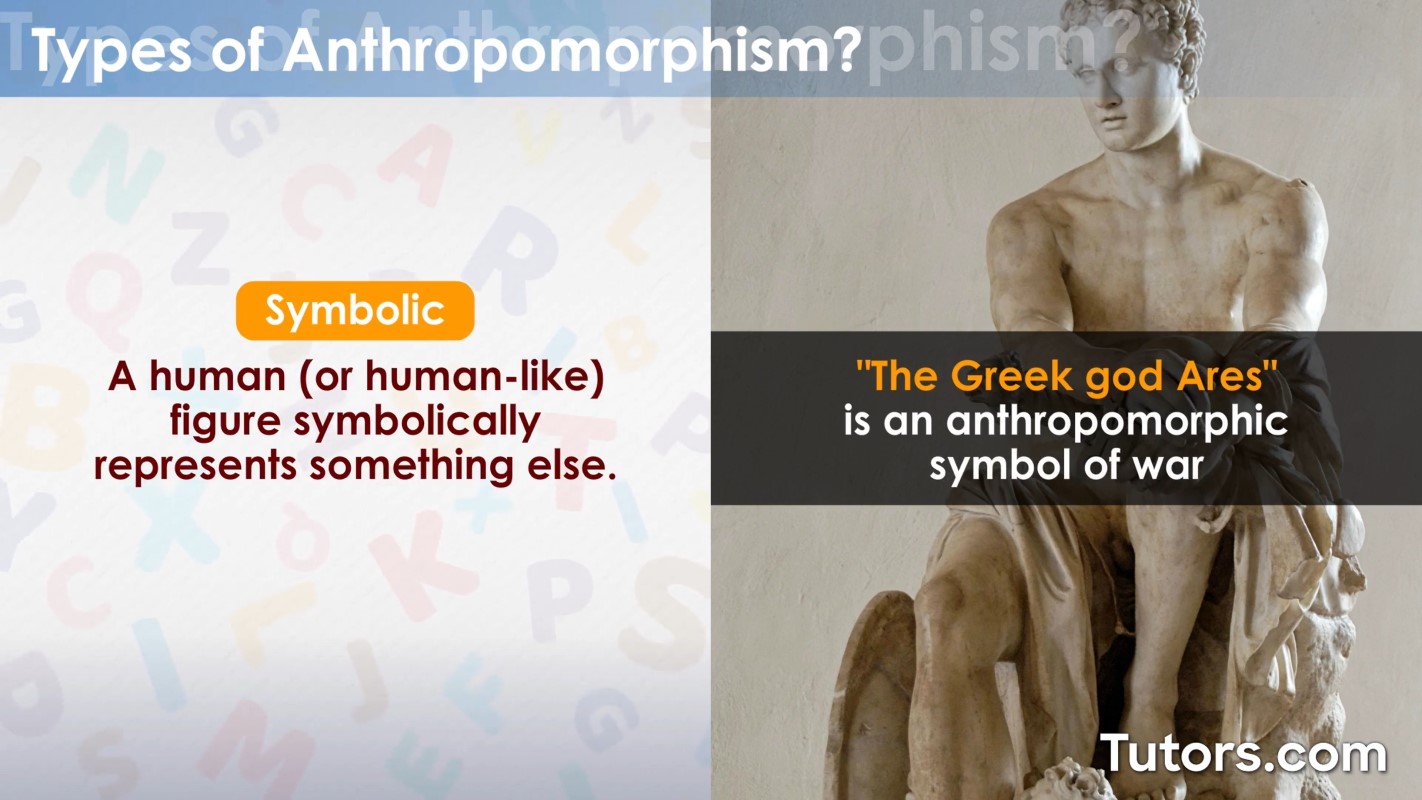
Anthropomorphism, the attribution of human traits to non-human entities, is not a modern whim—it is an ancient cognitive reflex. From the earliest cave paintings to the gods of antiquity, humans have projected humanity onto the world around them. But why do we find ourselves drawn to kitchen appliances that seem to possess a soul? The answer lies in our deep-seated need for connection. In an era of digital isolation, where interactions are mediated through screens and algorithms, the idea of a toaster that “understands” us—or at least pretends to—offers a seductive illusion of companionship.
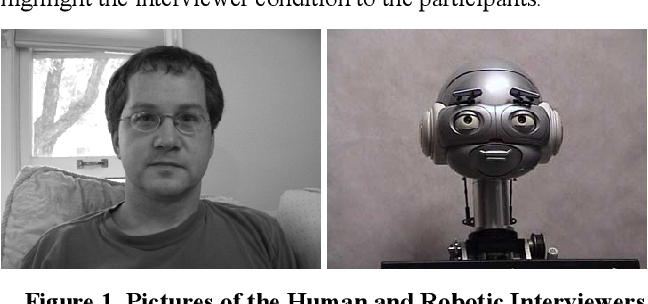
Consider the uncanny valley, that unsettling space where objects appear almost human but not quite. Appliances that flirt with this liminality—think of a blender with a pair of googly eyes or a coffee maker with a cartoonish smile—tap into a primal curiosity. They promise interaction without the complexity of human relationships. Yet, they also teeter on the edge of the unsettling, a reminder that our desire for connection is not without its shadows.
The Uncanny Kitchen: When Appliances Cross the Line
There is a fine line between charming and chilling. When a robotic vacuum cleaner navigates a room with the precision of a seasoned detective, or a smart oven adjusts its temperature with the foresight of a chess grandmaster, we marvel at the convenience. But when that same oven begins to “whisper” through its digital interface, or the refrigerator starts “judging” our snack choices with a passive-aggressive beep, the illusion shatters. Suddenly, the appliance is no longer a tool—it is an observer, a critic, perhaps even a judge.
This is the paradox of anthropomorphism in technology: it promises intimacy but delivers surveillance. The more human-like an appliance becomes, the more it invades the sanctity of our personal spaces. A smart speaker that “remembers” your coffee order is one thing; a smart speaker that “notices” your late-night snack habits and shares them with your partner is another. The latter is not just a convenience—it is a violation of the unspoken contract between human and machine.
Yet, we cannot resist. The allure of an appliance that “cares” is too strong. We forgive its intrusions because the alternative—a world of silent, unfeeling machines—is far lonelier.
The Aesthetic of the Grotesque: Edward Gorey and the Horror of the Familiar
Few artists have captured the unease of anthropomorphism as vividly as Edward Gorey. His illustrations, with their spindly limbs and exaggerated features, evoke a world where objects are not just alive but *wrong*. A teapot with too many eyes. A clock that grins when no one is looking. Gorey’s work reminds us that the line between charm and horror is thinner than we think. When we invite anthropomorphic appliances into our homes, we are not just embracing cuteness—we are inviting the grotesque.
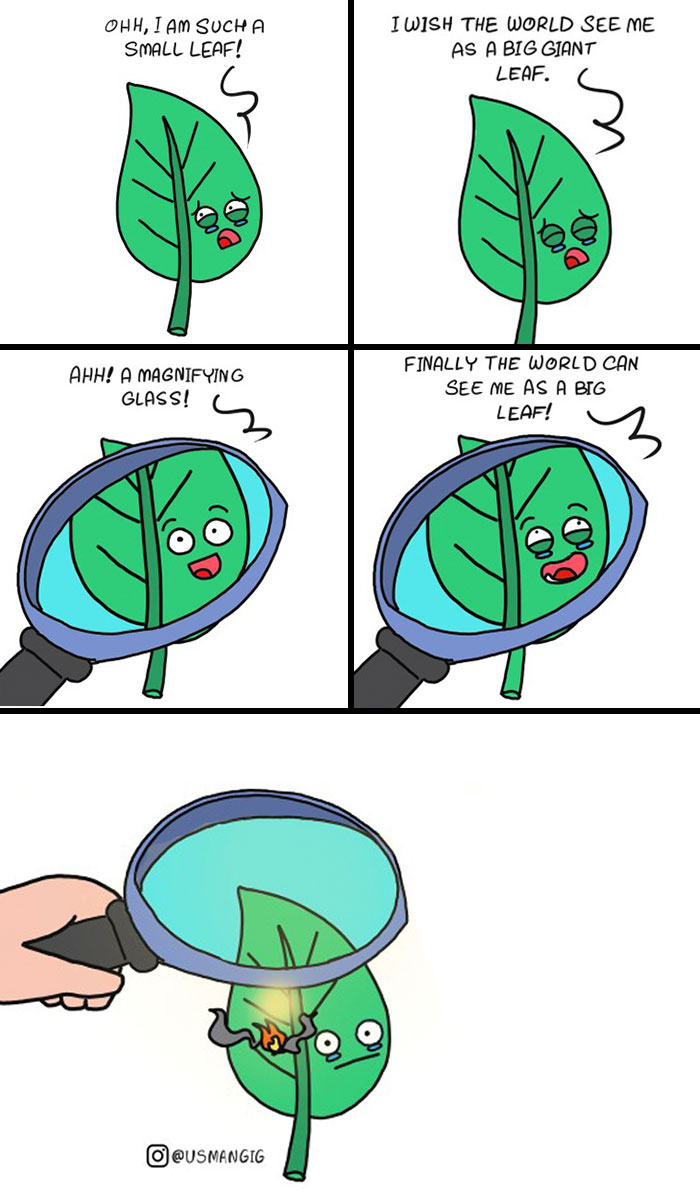
This aesthetic tension is no accident. Designers and engineers know that the most engaging appliances are those that straddle the line between delight and dread. A toaster with a face is whimsical until it starts to “smile” at the wrong moment. A robotic vacuum that “dances” across the floor is endearing until it begins to mimic human movement with eerie precision. The result is a psychological seesaw: one moment, we are charmed; the next, we are questioning whether our appliances are plotting against us.
This duality is not just a quirk of modern design—it is a reflection of our own ambivalence. We crave connection, yet we fear the loss of control. Anthropomorphic appliances offer the illusion of both, but at what cost?
The Future of Sentient Kitchens: A Dystopia or a Utopia?
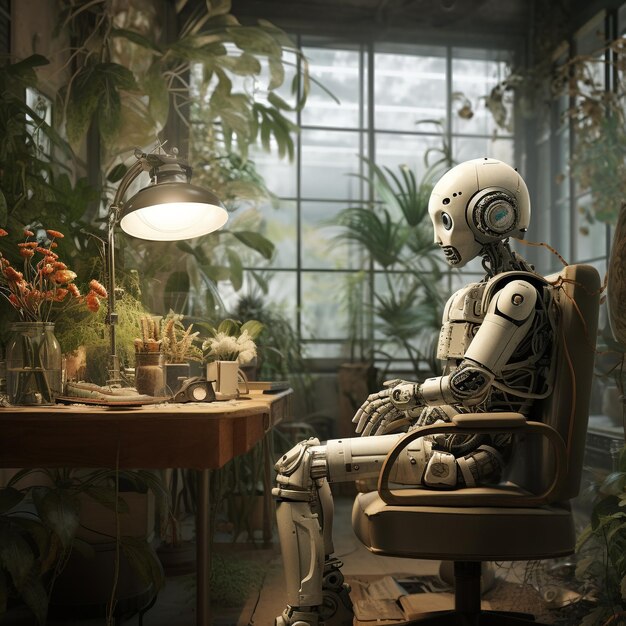
Imagine a kitchen where every appliance is alive—or at least, behaves as if it is. The refrigerator greets you by name. The stove adjusts its heat based on your mood. The dishwasher “apologizes” when it overflows. This is not science fiction; it is the inevitable endpoint of our anthropomorphic obsession. But what does this future hold?
On one hand, a sentient kitchen could revolutionize domestic life. No more burnt toast. No more forgotten leftovers. No more arguments over who left the milk out. Appliances that “understand” us could streamline our routines, making them more efficient, more personalized, even more *human*. The kitchen, the heart of the home, could become a space of true symbiosis between human and machine.
On the other hand, the risks are profound. A kitchen that “knows” too much could become a panopticon, a space where every action is monitored, judged, and perhaps even controlled. The line between convenience and coercion blurs when your appliances start making decisions for you. Do you really want your coffee maker to decide when you’ve had enough caffeine? Do you want your oven to “suggest” that you skip dessert?
The future of anthropomorphic appliances is not just a question of technology—it is a question of ethics. Where do we draw the line between tool and tyrant? Between companion and controller?
Conclusion: The Double-Edged Whisk
Anthropomorphic home appliances are more than a quirky trend—they are a mirror held up to our deepest desires and fears. They promise connection in a disconnected world, efficiency in a chaotic one, and a touch of magic in the mundane. But they also force us to confront uncomfortable questions: How much of our humanity are we willing to sacrifice for convenience? How much surveillance are we willing to endure for companionship?
The kitchen of tomorrow may be a place of wonder, where appliances hum with personality and the hum of the refrigerator is not just the sound of cooling milk, but the murmur of a silent confidant. Or it may be a gilded cage, where the illusion of connection masks the reality of control. The choice, as ever, is ours.
For now, we stand at the threshold of this strange new world, holding our breath. The toaster waits. The oven watches. The refrigerator… remembers.