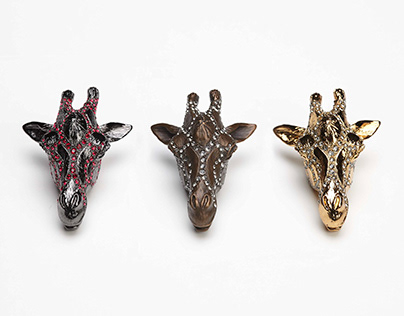
In the quiet hum of a café, a child reaches for a teddy bear-shaped cookie, its soft contours and gentle smile evoking an immediate sense of comfort. Across the aisle, a smartphone rests in a palm, its sleek, rounded edges mimicking the curve of a human shoulder. These are not mere objects—they are silent storytellers, whispering narratives of familiarity and trust. This is the subtle yet profound power of anthropomorphism in product design: the art of imbuing inanimate things with human-like qualities to elevate their perceived value. It’s a phenomenon that transcends aesthetics, tapping into deep psychological undercurrents to forge emotional connections and redefine how we value the world around us.
The Psychology of Seeing Ourselves in Objects
At its core, anthropomorphism is the cognitive bridge between the human and the non-human. When a product’s design echoes human features—whether through facial expressions, body language, or even the suggestion of movement—it triggers an innate recognition. Our brains, wired to detect faces and emotions, interpret these cues as signals of intent, personality, or even companionship. A kettle with a cheerful, upturned spout feels less like a tool and more like a cheerful companion. A vacuum cleaner with a “smiling” front panel transforms from a menial chore into a collaborative effort. This psychological sleight of hand doesn’t just make products more approachable; it reshapes our expectations of their utility and worth.
Consider the phenomenon of “brand mascots”—those whimsical characters that adorn packaging or advertisements. They don’t just sell a product; they sell a relationship. The M&M’s characters, for instance, aren’t just candy; they’re playful, relatable personalities that invite consumers into a shared narrative. This isn’t accidental. Studies in consumer behavior reveal that anthropomorphized products often enjoy a 20-30% increase in perceived value, as they tap into the human desire for connection and meaning. When a product feels like it “cares” about us, we, in turn, care more about it.
The Illusion of Personality: How Design Breathes Life into Objects
Designers wield anthropomorphism like a sculptor chisels marble—each curve and contour is deliberate, each detail a whisper of humanity. Take the automotive industry, where the “face” of a car is meticulously crafted to evoke emotion. A sharp, angular grille might convey aggression, while a rounded, soft-lit front end suggests approachability. These choices aren’t arbitrary; they’re calculated to align with our subconscious biases. A luxury car with a “smile” in its headlights feels more premium, more worthy of admiration, than one with a stern, impassive facade.
Even the most mundane products benefit from this alchemy. A coffee maker with a “winking” steam spout transforms the act of brewing into a ritual of warmth and intimacy. A toothbrush with a handle shaped like a hand, fingers gently curled around the grip, feels less like a tool and more like an extension of the body. This isn’t just about aesthetics—it’s about creating a sense of agency. When a product appears to “move” or “react,” it invites interaction, making the user feel like an active participant rather than a passive consumer. The result? A product that feels indispensable, even if its functional superiority is negligible.
The Paradox of Simplicity: When Less Becomes More
Anthropomorphism thrives in simplicity. The most effective designs often rely on minimalist cues—a single line to suggest a smile, a pair of dots to imply eyes—to evoke humanity. This paradox—where complexity in design leads to simplicity in perception—is where the magic lies. A smart speaker with a glowing, crescent-moon “eye” feels almost sentient, its soft light a silent nod to its “awareness.” Yet, the mechanism behind this illusion is deceptively straightforward: a single LED and a thoughtfully placed cutout.
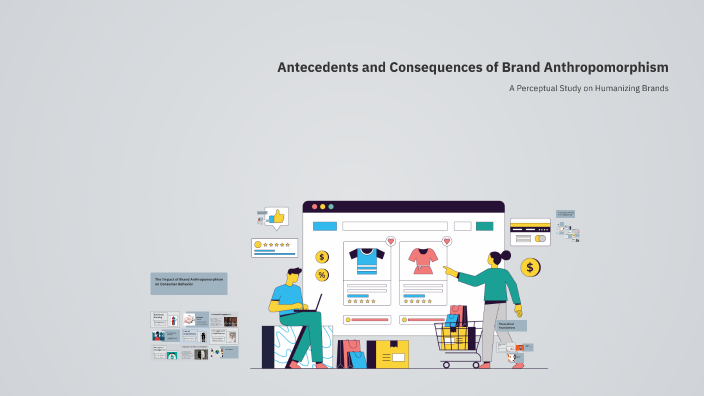
This principle extends to digital interfaces as well. Apps and websites that employ anthropomorphic elements—such as a loading spinner shaped like a spinning top or a 404 error page with a sad, drooping robot—transform user frustration into empathy. The product isn’t just a tool; it’s a participant in the user’s experience. This shift in perception can turn a moment of inconvenience into a memorable interaction, fostering brand loyalty and increasing perceived value.
The Dark Side of Anthropomorphism: When Trust Becomes Deception
Yet, for all its benefits, anthropomorphism is a double-edged sword. When wielded carelessly, it can erode trust as swiftly as it builds it. Consider the rise of “smart” devices that feign emotions—thermostats that “apologize” for temperature fluctuations or vacuum cleaners that “complain” when their dustbins are full. While these interactions can feel endearing, they also risk crossing into the uncanny valley, where the illusion of humanity becomes unsettling. A product that feels “too human” can feel manipulative, eroding the very trust it seeks to establish.
Moreover, anthropomorphism can inadvertently reinforce stereotypes. A cleaning product designed with exaggerated feminine features might subtly suggest that cleaning is a “woman’s work,” while a rugged, masculine tool could alienate users who don’t fit that mold. Designers must tread carefully, ensuring that anthropomorphic elements serve to enhance value without perpetuating harmful biases. The goal isn’t to trick consumers into valuing a product more; it’s to create genuine connections that elevate the user’s experience.
From Products to Partners: The Future of Anthropomorphic Design
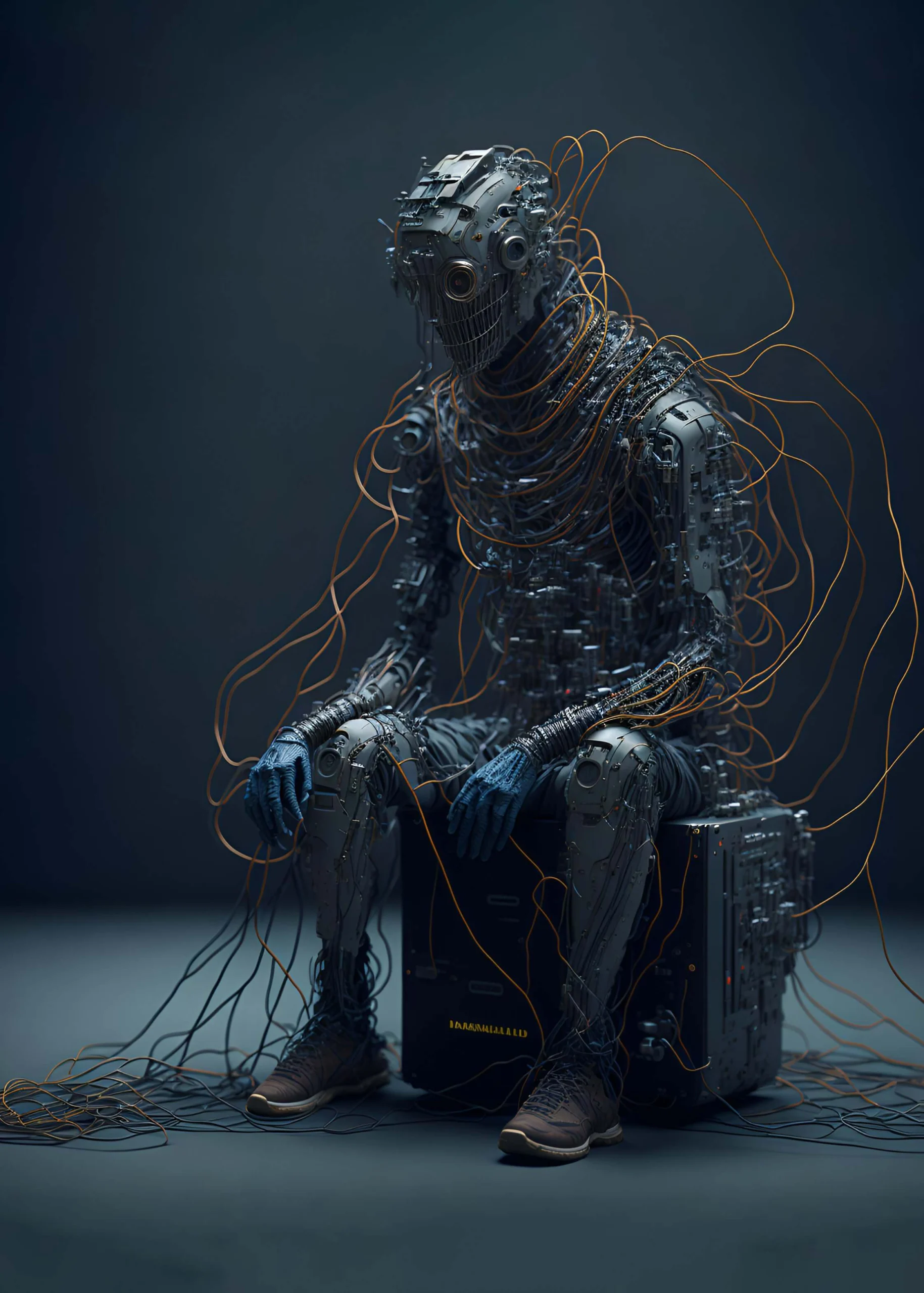
The next frontier of anthropomorphism lies in interactivity. Advances in AI and robotics are blurring the line between product and companion. Imagine a kitchen scale that not only measures ingredients but also “cheers” you on as you bake, its digital display flashing encouraging emojis. Or a fitness tracker that “high-fives” you after a workout, its vibrations mimicking the sensation of human contact. These aren’t distant fantasies; they’re the logical evolution of a design philosophy that prioritizes emotional resonance over mere functionality.
Yet, the future also demands responsibility. As products become more anthropomorphized, so too must our ethical frameworks. How much humanity should we ascribe to objects? Where do we draw the line between helpful design and manipulative trickery? These questions will shape the next generation of consumer products, where the perceived value of an item may soon be measured not just in dollars, but in the depth of the emotional bond it forges.
In a world saturated with choices, anthropomorphism offers a rare commodity: meaning. It transforms the transactional into the relational, the functional into the emotional. Whether through a teddy bear-shaped cookie or a smart speaker with a “watching” eye, these designs remind us that value isn’t just about what a product does—it’s about how it makes us feel. And in that feeling, we find not just a product, but a partner in the grand narrative of our lives.