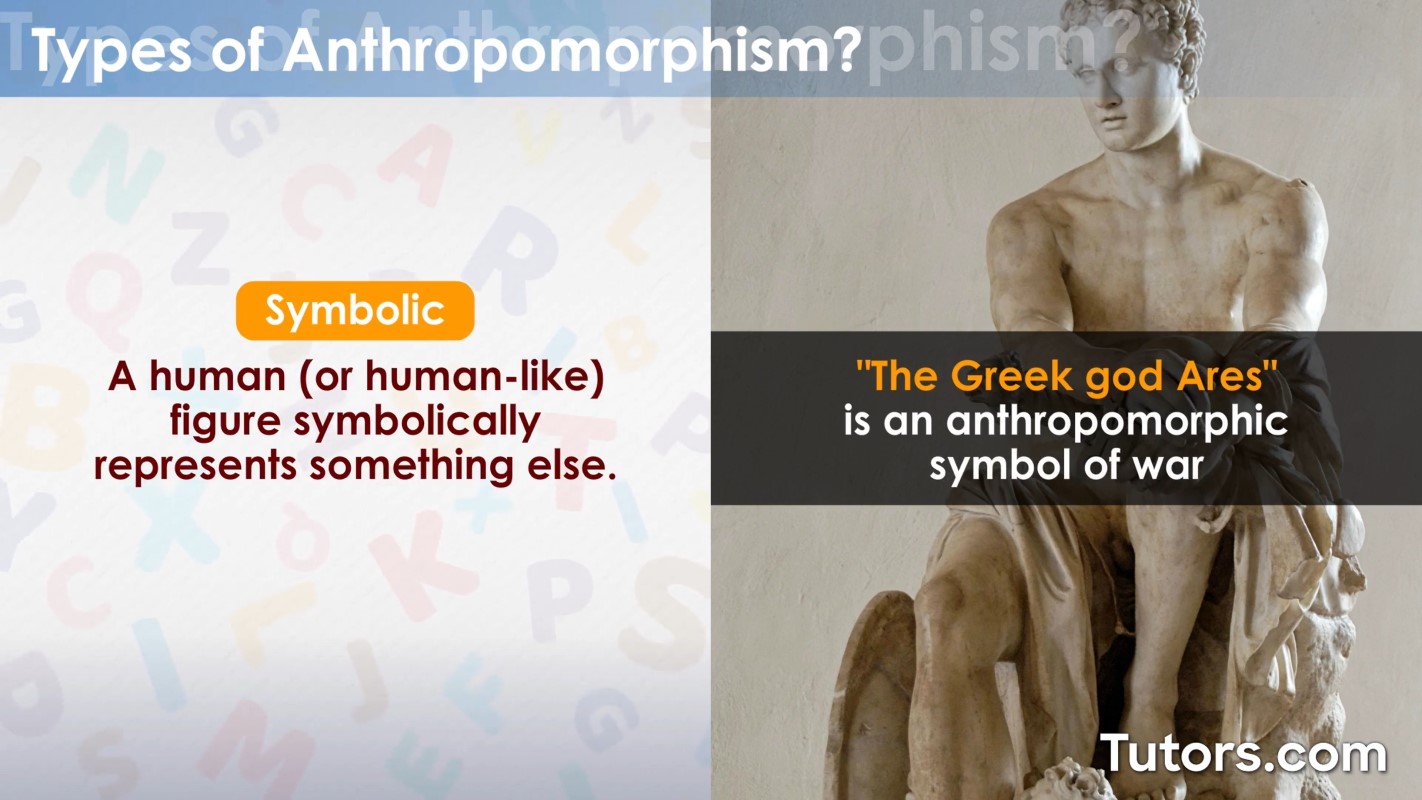
In the fiercely competitive landscape of startup funding, differentiation is paramount. One startup’s innovative use of anthropomorphism—a technique of imbuing non-human elements with human traits—proved to be a game changer in securing essential capital. This case study delves into the strategies employed, dissecting the types of content utilized to captivate and convince investors, while illuminating how anthropomorphic storytelling can transform abstract concepts into relatable narratives and foster an emotional connection between the startup and its stakeholders.
Understanding Anthropomorphism in Startup Narratives
Anthropomorphism, although traditionally associated with literature and marketing, holds significant strategic value in investor communications. By humanizing the startup’s product, mission, or even market challenges, the narrative transcends dry data points and technical jargon. Instead, it presents a compelling, almost tangible entity investors can empathize with. This startup harnessed the concept by personifying its core technology as a dynamic character with goals and struggles, mirroring the journey of the company itself. Investors were invited on a vivid journey rather than merely reviewing passive statistics.
Crafting Engaging Visual Content: The Power of Character-Driven Imagery
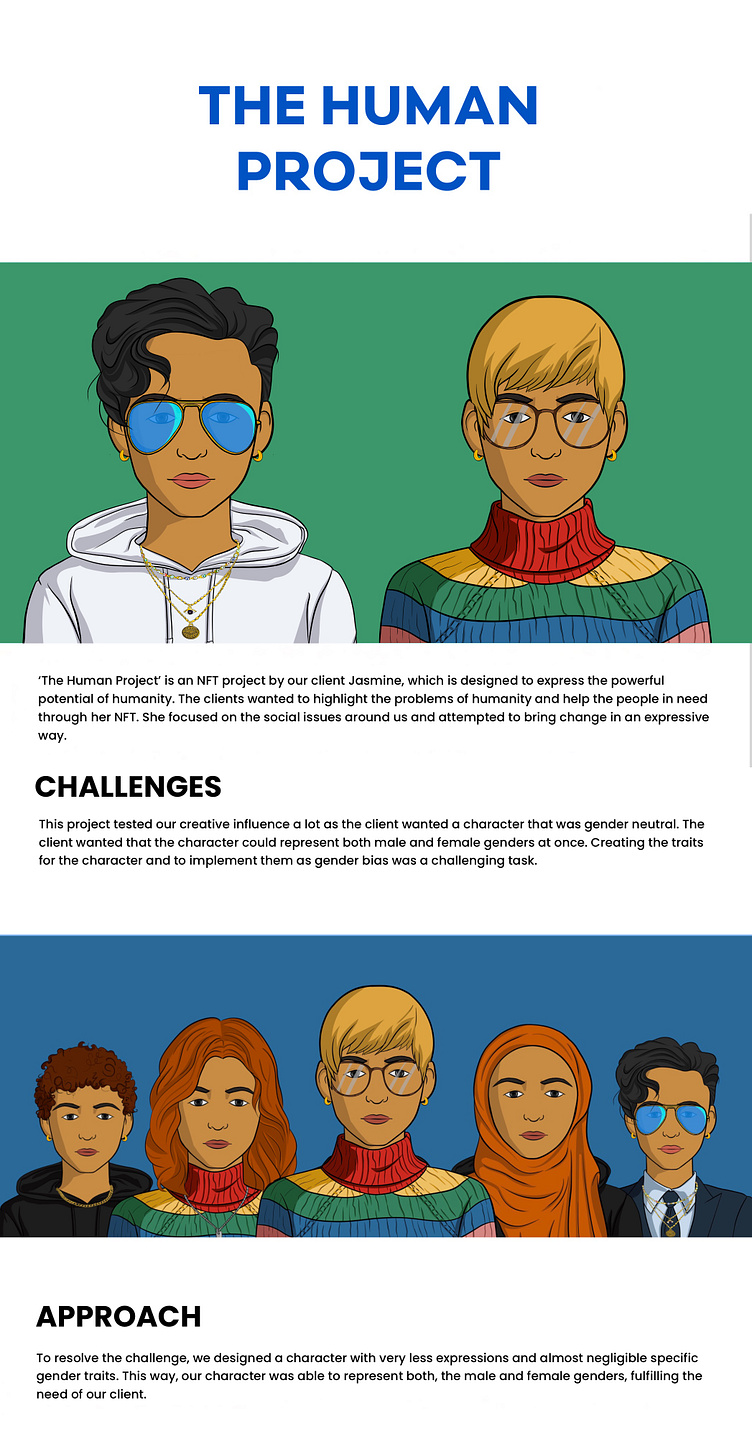
Visual storytelling was a cornerstone of their approach. The startup developed a series of animated infographics and illustrations personifying their product—a sophisticated AI tool—as a conscientious and tireless assistant, tasked with solving complex problems. This technique transformed technical features like machine learning algorithms into relatable actions performed by ‘characters’ within the narrative. This strategic anthropomorphism provided viewers with immediate comprehension and empathy, bridging the often-daunting gap between technology and investment potential.
Video Storytelling: Weaving Emotional Connections Through Narrative
Beyond static images, video content played an instrumental role. The startup produced short, cinematic clips that portrayed their technology as an evolving entity learning and adapting—a metaphor for growth and innovation. These videos incorporated user testimonials voiced as conversations between the product-character and end-users, heightening relatability and emotional appeal. The anthropomorphic narrative evoked a sense of companionship and reliability, qualities coveted by investors seeking both innovation and sustainability in their portfolios.
Written Content: Humanizing Data with Storytelling
In written materials, the startup deliberately infused personification into whitepapers, pitch decks, and executive summaries. Instead of presenting facts and figures in isolation, the technology was anthropomorphized to narrate its own development milestones and market challenges. For example, revenue projections were framed as goals ‘striving toward’ growth, while competitive obstacles were depicted as rival characters in a story arc. This not only rendered the documents more engaging but also fostered a narrative continuity that made complex financial data approachable and compelling.
Interactive Elements: Enabling Investors to ‘Engage’ with the Product Character
The use of interactive online content further distinguished their campaign. Potential investors could navigate a virtual environment where the anthropomorphized product demonstrated features and benefits through guided storytelling. This immersive digital experience transformed passive viewing into active engagement. By allowing investors to interact with the product-character and witness its problem-solving capabilities firsthand, the startup cultivated deeper understanding and interest. This multidimensional content approach reinforced investor confidence in the startup’s innovation.
Social Media and Community Building: Cultivating an Anthropomorphic Brand Persona
Extending the anthropomorphic strategy to social media, the startup adopted a brand persona that communicated as if it were the product itself. Social channels featured posts and stories written in first-person from the product’s perspective, sharing updates, challenges, and milestones with a warm, approachable voice. This created an intimate bond with the audience, humanizing the startup on a platform saturated with generic corporate communications. The community that emerged around this persona became a vital network of advocates, amplifying the startup’s visibility and credibility among potential investors.
Investor Presentation: Seamlessly Integrating Anthropomorphic Themes
During live pitches, the startup’s founders embraced the anthropomorphic theme by incorporating storytelling elements that animated their product as a protagonist in the startup’s narrative. They used analogies, metaphors, and even a bespoke mascot to illustrate the product’s functionality and market relevance. This creative presentation style broke away from monolithic pitch formats, fostering dynamic interaction and memorability. The rhetoric, laced with anthropomorphic allusions, forged a psychologically compelling atmosphere, pivotal in securing funding commitments.
Outcomes: Impact of Anthropomorphism on Funding Success
The evidential results of employing anthropomorphism were manifest in accelerated investor engagement and favorable funding rounds. The narrative techniques amplified empathy and trust, qualities that are notoriously difficult to quantify but deeply influential in funding decisions. By converting artificial intelligence and complex technology into relatable entities, the startup demystified its value proposition, mitigated investment risk perceptions, and ultimately catalyzed capital acquisition. This case illuminates how unconventional storytelling mechanisms can materially influence startup trajectories.
Lessons and Implications for Future Startups
This case study underscores the transformative potential of anthropomorphism beyond mere marketing gimmicks. The strategic application of this technique across multiple content types—visual, written, interactive, and social—demonstrates how startups can craft holistic, emotionally resonant narratives to attract and retain investor interest. Startups seeking to replicate this success should focus on authenticity and alignment between product identity and anthropomorphic representation to avoid superficial or dissonant storytelling that could undermine credibility.
Conclusion: The Human Element in Startup Funding
At its core, securing funding is an exercise in communication and connection. The startup’s innovative use of anthropomorphism channeled the timeless human penchant for stories and relatable characters to transcend conventional fundraising approaches. This case exemplifies the convergence of creativity, psychology, and strategy in capital acquisition, offering a compelling blueprint for startups aiming to distinguish themselves in crowded investment arenas. Anthropomorphism, when executed with finesse, becomes not just a storytelling device, but a strategic linchpin in the art of securing venture capital.