Long before the first written word, humanity wove stories that breathed life into the inanimate, the distant, and the unknown. From the thunderous wrath of Zeus to the cunning whispers of Loki, myths and legends teem with beings that blur the line between the human and the divine, the animal and the celestial. This is the realm of anthropomorphism—the art of endowing non-human entities with human traits, intentions, and emotions. But why does this phenomenon resonate so deeply across cultures and millennia? The answer lies not merely in storytelling tradition, but in the very architecture of the human psyche.
The Innate Tendency: Why We See Faces in the Fire
Anthropomorphism is not a learned behavior; it is an instinctive cognitive shortcut. Evolutionary psychologists posit that our ancestors who could quickly interpret the intentions of predators, allies, or even the wind rustling through the trees held a survival advantage. This “hyperactive agency detection device” (HADD) predisposes us to see agency—intentional action—where none may exist. A shadow becomes a lurking foe; a rustling bush, a stalking beast. This same mechanism explains why we perceive faces in clouds or attribute emotions to a storm’s howling winds.
Neuroscientific studies reveal that the brain’s fusiform face area, responsible for facial recognition, activates even when presented with abstract patterns resembling eyes and mouths. This “pareidolia” phenomenon underscores our deep-seated need to humanize the world around us. In myths, this translates to rivers with voices, mountains with moods, and stars with destinies. The universe, in its vast indifference, becomes a stage for our own dramas.

Anthropomorphic characters often serve as mirrors, reflecting human virtues and vices in a form that feels both familiar and fantastical.
The Social Contract with the Divine: When Gods Walk Among Us
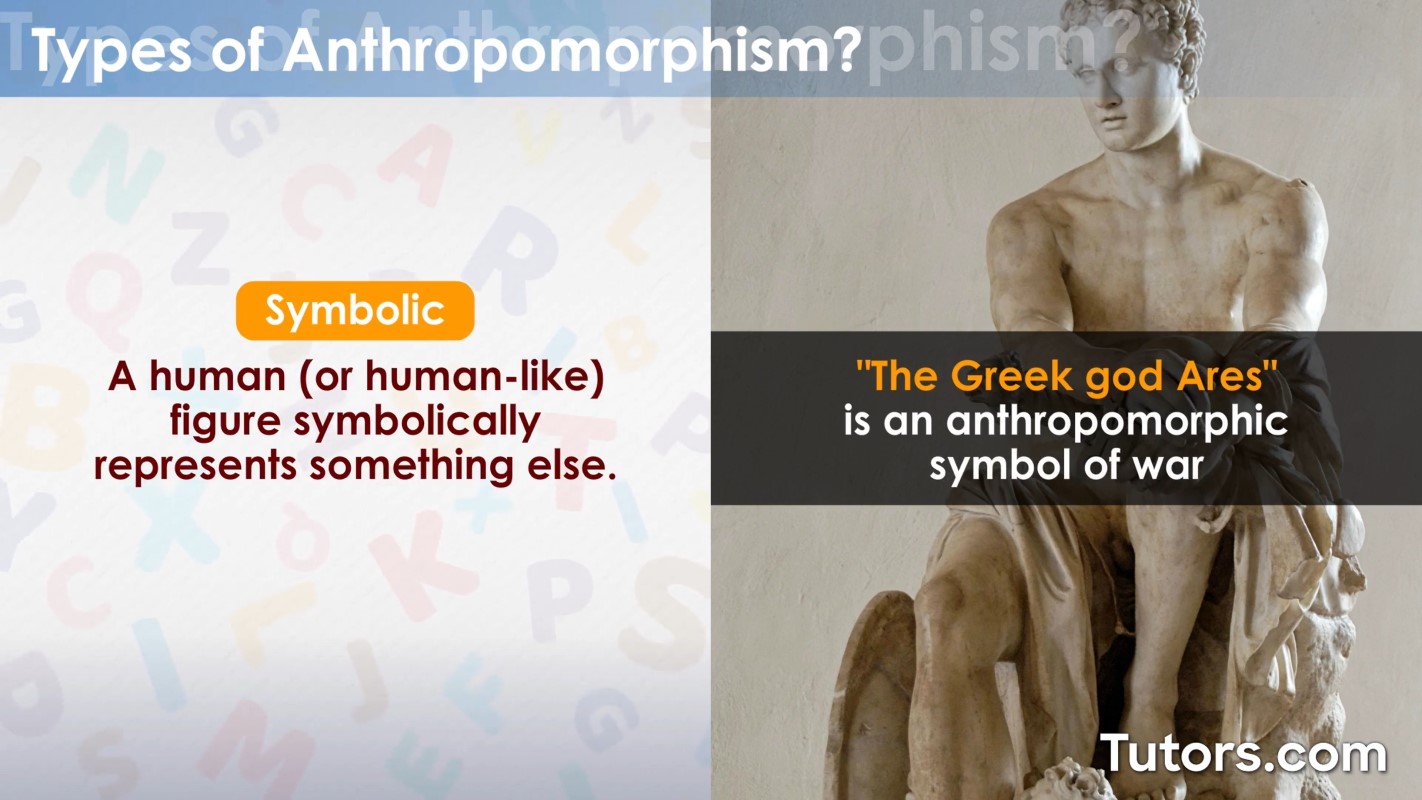
Anthropomorphism transforms the abstract into the tangible. Gods cease to be distant forces of nature and become relatable figures—capricious, vengeful, or benevolent. The Greek pantheon, with its Olympian squabbles and mortal passions, reflects a world where divinity is not an unreachable ideal but a magnified version of human experience. This “divine anthropomorphism” serves a crucial psychological function: it makes the incomprehensible comprehensible. A storm is no longer a random act of nature but the wrath of Thor, a figure whose emotions we can intuit.
Yet this humanization of the divine is a double-edged sword. It allows for intimacy with the sacred but also risks reducing the transcendent to the mundane. When Zeus seduces Leda as a swan, the line between myth and morality blurs. Anthropomorphism, in this context, becomes a tool for both veneration and critique—revealing the gods as flawed reflections of humanity’s highest aspirations and lowest impulses.
The Animal Within: Totems, Tricksters, and the Beastly Soul
Animals occupy a unique space in anthropomorphic lore. Unlike gods, they are not elevated beings but fellow creatures, yet myths imbue them with human traits to explore the boundaries of identity. The Native American trickster Coyote, the Norse Loki, or the Hindu Hanuman—each embodies a paradox: they are animal in form, human in spirit. These figures serve as psychological avatars, allowing us to confront our own animalistic instincts—greed, cunning, survival—without the weight of direct self-reproach.
Totemic traditions take this further, suggesting that humans and animals share a spiritual kinship. The Celtic warrior who identifies with the stag or the Egyptian pharaoh linked to the falcon does not merely adopt an emblem; they internalize the animal’s perceived qualities. This “zoomorphic anthropomorphism” becomes a bridge between the self and the other, a way to integrate disparate aspects of existence into a cohesive identity.

The anthropomorphized wolf often represents both the untamed wild and the noble leader, embodying dualities central to human nature.
The Shadow and the Light: Anthropomorphism as Psychological Mirror
Carl Jung’s concept of the shadow—the repressed, unconscious aspects of the self—finds a vivid expression in anthropomorphic myths. Figures like the Greek Fates, who weave the threads of destiny, or the Slavic Baba Yaga, who dwells in the liminal space between life and death, personify forces that operate beyond human control. By externalizing these forces as characters, myths allow us to engage with them indirectly, to negotiate with the unknown.
Anthropomorphism also serves as a cathartic outlet. The Greek hero Heracles, with his superhuman strength and human frailties, embodies the struggle between aspiration and limitation. His labors are not just feats of strength but metaphors for the trials of existence. In this way, myths become a form of psychological alchemy, transforming abstract struggles into tangible narratives that we can confront and, perhaps, conquer.
From Myth to Modernity: The Legacy of Humanized Archetypes
The impulse to anthropomorphize persists in contemporary culture, from animated films to corporate mascots. Consider the Pixar lamp that “feels” emotions or the Michelin Man who “judges” tire quality. These characters leverage the same cognitive mechanisms that once populated the ancient world with gods and monsters. Even artificial intelligence, with its chatbots designed to mimic empathy, taps into our deep-seated need for human connection, however illusory.
Yet modern anthropomorphism is not merely a relic of superstition. It is a testament to humanity’s enduring quest to find meaning in a chaotic universe. By endowing the inanimate with life, we assert our place within the cosmos—not as passive observers, but as co-creators of narrative. The thunder god may no longer rule the skies, but the storm remains a canvas for our projections, a reminder that the line between the human and the other is thinner than we imagine.
As we peel back the layers of anthropomorphism, we uncover not just the stories we tell, but the stories that tell us—about fear, desire, and the unquenchable thirst to see ourselves reflected in the world. The next time you gaze at the moon and swear it smiles, remember: you are not merely projecting. You are participating in a tradition as old as consciousness itself.