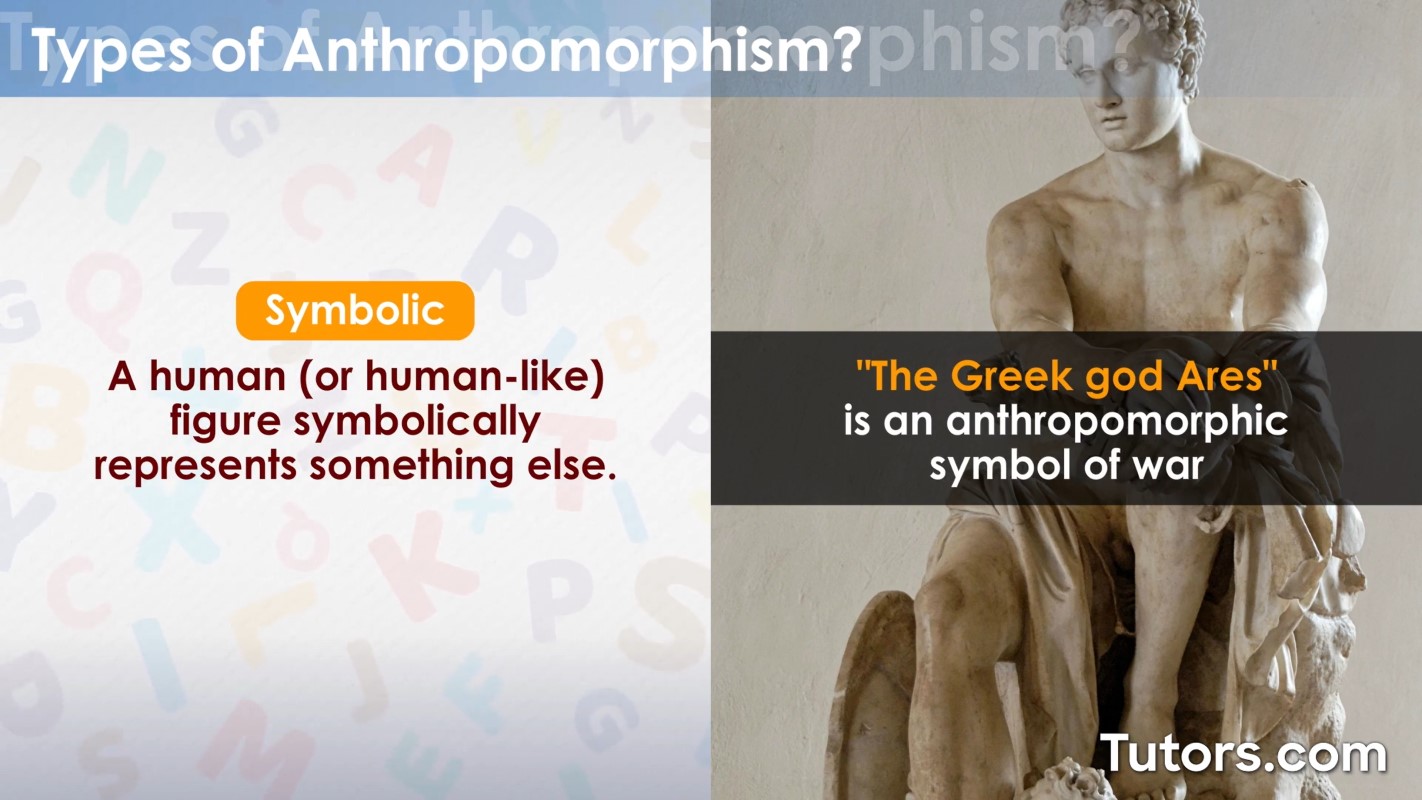
In the vast tapestry of human storytelling, few threads are as enduring or as instructive as anthropomorphism—the art of endowing animals, objects, or natural forces with human traits. From the cunning fox of Aesop’s fables to the benevolent forest spirits of indigenous lore, anthropomorphism has long served as a bridge between the tangible and the intangible, the mundane and the mythic. Nowhere is its power more evident than in folklore, where animals speak, rivers grieve, and winds whisper warnings. These narratives do more than entertain; they distill complex moral truths into vivid, memorable metaphors, teaching generations the difference between right and wrong through the lens of the extraordinary.
The Moral Alchemy of Animal Protagonists
Folklore often casts animals as protagonists, not merely as characters but as allegorical mirrors reflecting human virtues and vices. The fox, a recurring figure in global folklore, is a masterclass in moral duality. In European tales, Reynard the Fox is a trickster, a cunning manipulator who outwits stronger foes through deception—a cautionary tale about the perils of unchecked ambition. Yet in Japanese folklore, the kitsune is a shape-shifting entity whose motives range from mischievous to benevolent, embodying the fluidity of morality itself. These narratives transform animals into living parables, where a single tale can explore the spectrum of human nature.
Consider the tortoise in West African and Native American stories. Unlike the hare, whose speed is his downfall, the tortoise’s perseverance becomes a metaphor for the power of consistency over fleeting talent. His slow, deliberate pace is not a flaw but a strategy, teaching listeners that endurance often outlasts reckless brilliance. The animal kingdom, in folklore, becomes a moral laboratory where traits like greed, humility, or courage are tested in ways that resonate deeply with human experience.
Nature as a Living Moral Compass
Folklore frequently personifies natural elements—rivers, storms, mountains—as sentient beings with emotions and intentions. The Maori legend of the taniwha, a water spirit that guards or punishes, transforms a river into a moral arbiter. To pollute its waters is not just an environmental act but a transgression against a living entity, a violation of communal trust. Similarly, the Slavic tales of the Rusalka, a vengeful water nymph, warn against the exploitation of nature’s gifts, framing ecological harm as a personal betrayal.
These stories elevate nature from a backdrop to an active participant in moral education. A forest that “watches” with ancient eyes or a mountain that “judges” with silent grandeur becomes a tangible reminder of humanity’s place within a larger, interconnected world. The lesson is clear: to harm nature is to harm oneself, a principle that resonates in an era of climate crisis. Folklore, in this way, preempts modern environmental ethics, embedding ecological responsibility into the cultural subconscious.
The Trickster’s Dual Role: Disruptor and Teacher
No figure in folklore embodies the paradox of moral instruction quite like the trickster. Coyote in Native American lore, Loki in Norse mythology, or Anansi in West African tales—these characters are neither wholly good nor evil but exist in the liminal space between order and chaos. Their antics disrupt the status quo, forcing both characters and audiences to question norms and hierarchies. Yet, their mischief is rarely without purpose. Coyote’s pranks often expose hypocrisy, while Anansi’s cunning outsmarts tyrants, revealing the folly of unchecked power.
The trickster’s genius lies in his ability to teach through subversion. By breaking rules, he highlights their absurdity or injustice. A tale where the trickster outwits a greedy king or a vain god becomes a subtle critique of authority, teaching listeners to question blind obedience. The trickster does not preach; he performs, and in doing so, invites the audience to draw their own conclusions. This indirect method of moral instruction is uniquely powerful, as it engages the intellect and emotions simultaneously.
Objects and Artifacts as Moral Mirrors
Folklore extends anthropomorphism beyond living beings to inanimate objects, imbuing them with agency and moral weight. The mirror in Snow White’s tale is not merely a reflective surface but a judge of vanity, punishing the queen’s obsession with beauty. The magic lamp in Middle Eastern folklore is a vessel of generosity, rewarding Aladdin’s kindness while punishing his initial greed. These objects become metaphors for the consequences of human actions, turning material things into moral teachers.
Even everyday items take on symbolic roles. A spinning wheel in Grimm’s *Rumpelstiltskin* becomes a symbol of exploitation, while the glass slipper in *Cinderella* represents the fragility of social mobility. These objects are not passive; they react, they judge, they teach. Their anthropomorphized agency turns abstract concepts like justice or fate into tangible, memorable lessons. A child who hears these tales learns that actions have repercussions, and that even the smallest object can hold the weight of moral truth.
The Role of Folklore in Cultural Memory
Anthropomorphism in folklore is more than a narrative device; it is a cultural memory bank, preserving moral lessons across generations. These stories are not static but evolve, adapting to new contexts while retaining their core messages. The fox of Aesop’s fables, for instance, has been reinterpreted in everything from medieval beast epics to modern political satire, yet his essence as a symbol of cunning remains intact. This adaptability ensures that moral lessons endure, even as societies change.
Moreover, folklore serves as a communal language, a shared vocabulary of symbols that transcends literacy and education. A child in a rural village and a scholar in a metropolitan library can both understand the moral of a tale about a greedy wolf or a wise old owl, because these stories tap into a universal human experience. The anthropomorphic elements—whether talking animals or sentient rivers—make these lessons accessible, turning abstract ethics into vivid, emotional narratives.
The Psychological Underpinnings of Anthropomorphic Morality
From a psychological perspective, anthropomorphism in folklore serves a dual function: it simplifies complex moral concepts and makes them emotionally resonant. The human brain is wired to recognize faces and emotions, a phenomenon known as pareidolia. When a storm is described as “angry” or a tree as “sad,” the brain processes these emotions as if they were human, creating a deeper empathetic connection. This emotional engagement is crucial for moral learning, as it transforms abstract principles into personal experiences.
Additionally, anthropomorphism allows listeners to project their own struggles onto external figures. A child who fears the dark might find solace in tales where shadows are personified as guardians rather than threats. By externalizing inner conflicts, folklore provides a safe space to explore and resolve them. The moral lessons embedded in these stories become tools for self-reflection, helping individuals navigate their own ethical dilemmas.
The Timeless Appeal of Folklore’s Lessons
What makes anthropomorphism in folklore so enduring is its ability to balance simplicity with depth. A tale about a talking rabbit stealing carrots can be enjoyed as a child’s fable, yet it also contains layers of meaning about resourcefulness and consequence. This duality ensures that folklore remains relevant across ages and cultures. Whether it’s the cautionary tale of the Big Bad Wolf or the uplifting story of a kind-hearted giant, these narratives continue to shape moral frameworks because they speak to universal truths in a language that is both accessible and profound.
The magic of anthropomorphism lies in its power to make the intangible tangible, the abstract concrete. In a world where moral dilemmas are increasingly complex, folklore offers a return to basics—stories where the consequences of greed, kindness, or deceit are as clear as day. By turning animals into teachers, rivers into judges, and objects into moral compasses, folklore ensures that the lessons of the past remain vivid guides for the future.