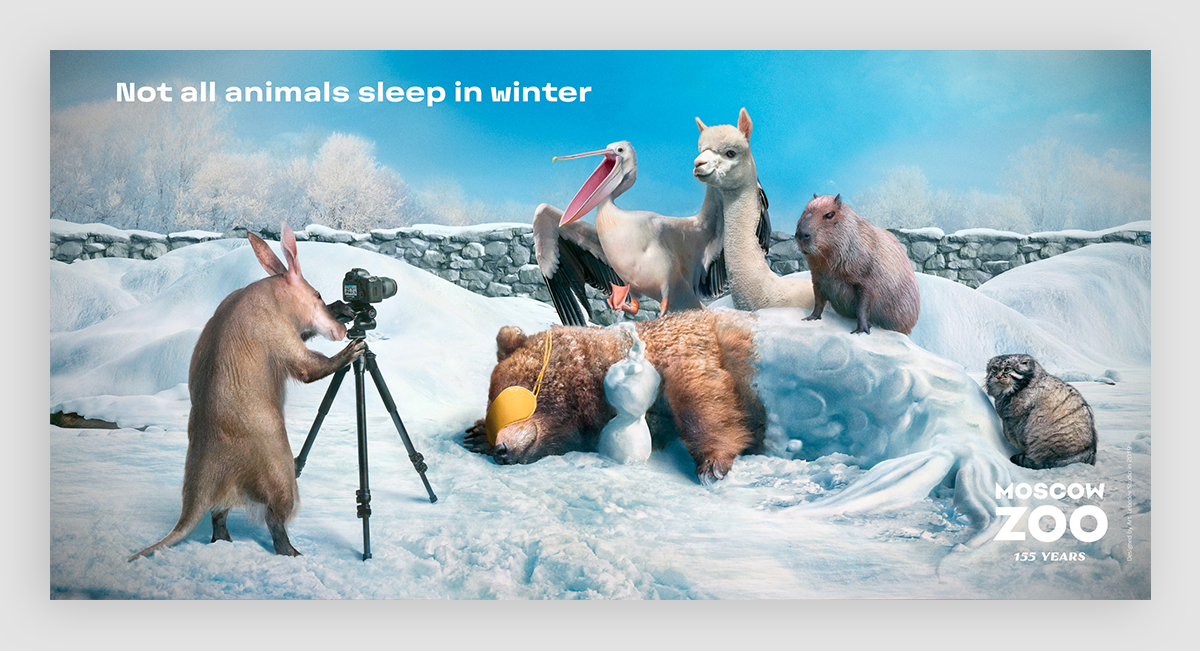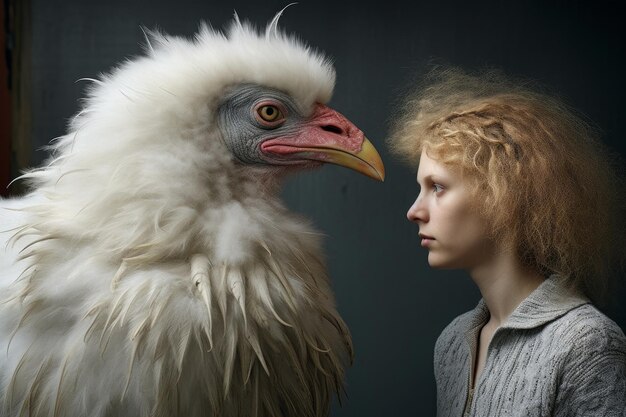
In the vast, pixelated savannah of social media, where attention is the rarest currency, posts that wear the mask of anthropomorphism—human traits projected onto inanimate objects, animals, or abstract concepts—emerge as the most cunning predators. These posts do not merely inform; they seduce. They do not just communicate; they converse. By cloaking data in the familiar flesh of personality, they bypass the cold scrutiny of logic and lodge themselves directly into the emotional limbic system. This is not accidental. It is the result of millennia-old cognitive wiring, repurposed for the digital age. Anthropomorphic social media content is not just a trend—it is a psychological phenomenon, a bridge between the human and the non-human, built on the ancient scaffolding of empathy and imagination.
The Allure of the Familiar Face in an Unfamiliar Feed
Every scroll is a journey through a forest of sameness—endless streams of text, static images, and recycled memes. Yet, when a post materializes with a face—even one stitched onto a teapot or a cloud—something shifts. The brain, wired to detect faces like a radar tuned to life, latches on. This is the pareidolia effect, the tendency to perceive human-like patterns in randomness. But anthropomorphism transcends mere pattern recognition. It is the mind’s way of domesticating the alien. A brand logo with eyes becomes a companion. A grumpy cloud becomes a character. The unfamiliar is no longer intimidating; it is relatable.
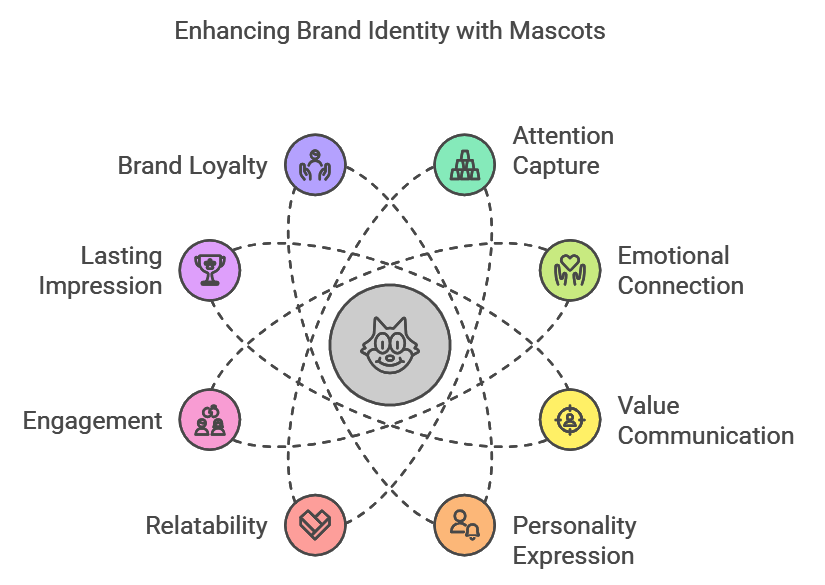
Consider the viral success of animated brand mascots. The M&M’s characters, once mere candy wrappers, now star in narratives, quip jokes, and even express emotions. Why? Because they perform humanity. They make us laugh, cringe, or sigh—emotions reserved for real people. This transference is not superficial. It is a cognitive shortcut, a way to process complex ideas—like corporate ethics or sustainability—through the lens of a relatable persona. The brain, ever the efficiency expert, prefers a story about a guilt-ridden soda can to a spreadsheet on carbon footprints.

Emotional Contagion: When Posts Infect the Heart
Anthropomorphic content does not just capture attention—it infects emotions. This is the power of emotional contagion, a phenomenon where one person’s feelings spread to others, often unconsciously. When a social media post adopts human traits, it becomes a vessel for emotional transmission. A sad-faced emoji on a customer service reply doesn’t just convey information; it transfers sorrow. A cheerful animated character in a health campaign doesn’t just educate; it spreads hope.
The mechanism is rooted in mirror neurons, those neurological mirrors that fire not only when we perform an action but when we observe someone else performing it. When we see a cartoon character frown, our brain mirrors that expression, subtly inducing a sense of empathy or concern. This is why anthropomorphic posts are so effective in advocacy campaigns. A climate change infographic featuring a melting ice cream cone doesn’t just illustrate data—it makes the viewer feel the loss. The post doesn’t just inform; it transforms.
But this emotional power cuts both ways. Just as joy can spread, so too can anger or fear. A poorly designed anthropomorphic mascot in a crisis response can amplify panic. A brand’s attempt at humor, if misjudged, can backfire into ridicule. The line between connection and manipulation is thin. Anthropomorphism is not a neutral tool—it is a loaded gun, and the trigger is pulled by the creator’s intent.
The Narrative Alchemy: Turning Data into Drama
At its core, anthropomorphism is a form of narrative alchemy—the transformation of raw data into compelling stories. Consider a financial report reduced to a tale of a struggling piggy bank, or a stock market graph reimagined as a rollercoaster ride. Suddenly, numbers are not just numbers. They are characters in a plot. The brain, a story-hungry organ, devours these narratives with ravenous efficiency. Why? Because stories are how we make sense of the world. They provide structure, causality, and meaning.
This alchemy is not new. Ancient myths personified natural forces—Zeus as the thunder, Gaia as the earth. Modern marketers simply repurposed the tactic. But social media accelerates the process. A single post can become a micro-narrative, complete with protagonists, conflicts, and resolutions. A viral tweet about a “lonely Wi-Fi symbol” becomes a parable about modern isolation. A meme of a grumpy cat becomes a commentary on societal frustration. These are not just posts; they are cultural shorthand, distilled into digestible, shareable forms.
The most potent anthropomorphic content does more than tell a story—it invites the audience to participate in it. Interactive polls where users “vote” as a character, comment sections where people role-play as the mascot, or challenges to “help” a fictional entity—all these turn passive viewers into active players. The brain, wired for engagement, rewards this participation with dopamine hits. The post is no longer a one-way transmission; it is a collaborative fantasy.
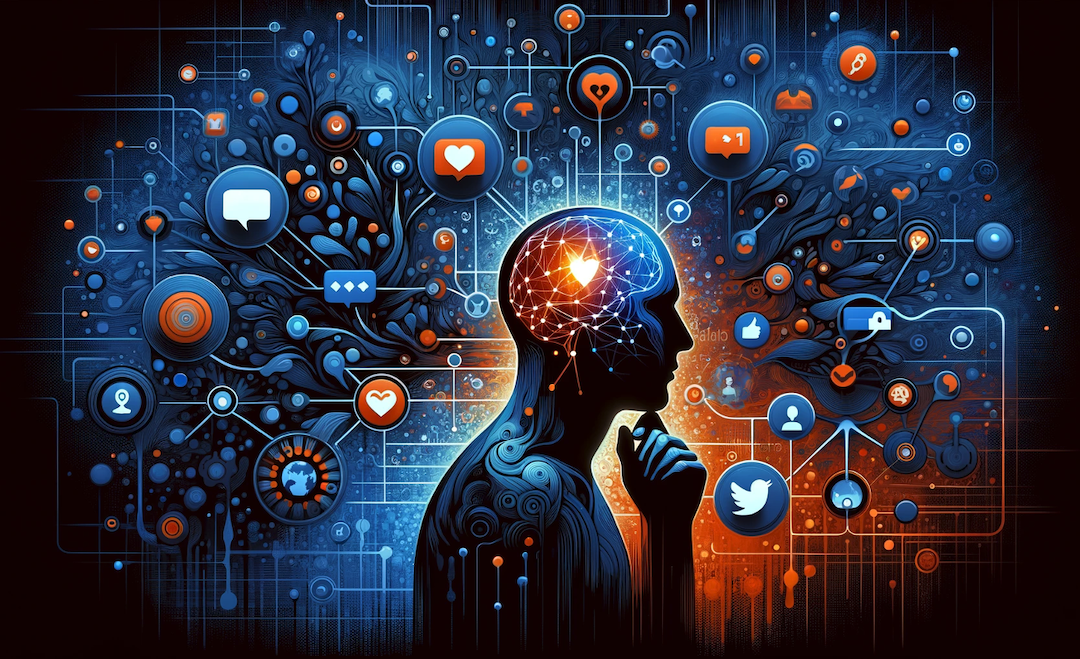
Ethical Shadows: The Dark Side of Digital Personification
Yet, for all its allure, anthropomorphism carries ethical shadows. When a brand personifies itself—whether as a friendly robot, a wise owl, or a rebellious teenager—it blurs the line between entity and avatar. Is the brand speaking, or is the mascot? Who is responsible when the mascot’s words cause offense? The legal and moral implications are murky. In 2023, a fast-food chain faced backlash when its anthropomorphic mascot, designed to appeal to children, was accused of promoting unhealthy eating habits. The outrage wasn’t directed at the product, but at the persona—the friendly face that made the harm feel personal.
There is also the risk of dehumanization. When we reduce complex issues—like poverty or climate change—to cartoonish characters, we risk trivializing them. A post about a “sad polar bear” might raise awareness, but it can also oversimplify the systemic causes of environmental destruction. The brain, satisfied with the emotional hit, may not dig deeper. Anthropomorphism, in this sense, can be a form of cognitive pacification—a way to feel good without doing good.
The most insidious risk, however, is manipulation. Social media platforms thrive on engagement, and anthropomorphism is a master key. A post that makes us laugh or cry is more likely to be shared, liked, and remembered. But what if the emotion is manufactured? What if the “friendly” chatbot is designed to extract personal data, or the “cute” character is a Trojan horse for advertising? The line between connection and exploitation is perilously thin. The brain, eager for connection, may not question the intent behind the smile.
The Future: Where Posts Wear Faces and Stories Wear Brains
The future of anthropomorphic social media is not just about more faces or more stories—it is about deeper integration. We are already seeing the rise of AI-generated personas, from virtual influencers to chatbots that adopt distinct personalities. These entities are not just tools; they are collaborators, co-creating narratives with their human audiences. Imagine a news feed where each article is narrated by a different character, or a fitness app where your virtual trainer evolves based on your progress. The possibilities are as limitless as the human imagination.
But with this evolution comes responsibility. As anthropomorphism becomes more sophisticated, so too must our critical thinking. We must ask: Who is behind the face? What is the agenda? Is this connection genuine, or is it a simulation? The brain, for all its plasticity, is not infallible. It can be fooled. It can be manipulated. The challenge, then, is to harness the power of anthropomorphism without surrendering to its illusions.
In the end, the most compelling anthropomorphic posts are not those that wear the mask of humanity most convincingly, but those that remind us of our own humanity. They are the posts that make us laugh, cry, or pause—because they reflect something true about ourselves. They are the digital equivalents of campfire tales, where the embers of our emotions are stoked into light. And in a world of noise, that light is precious indeed.