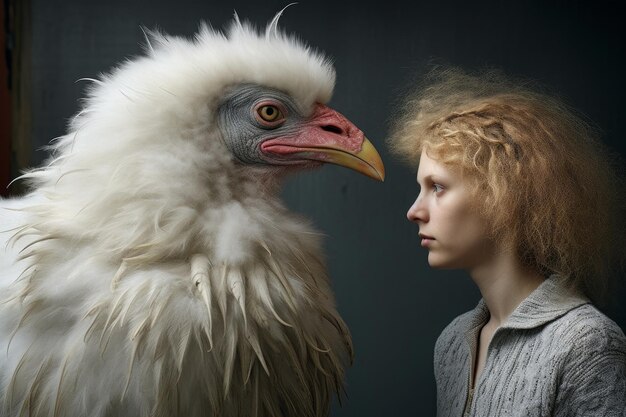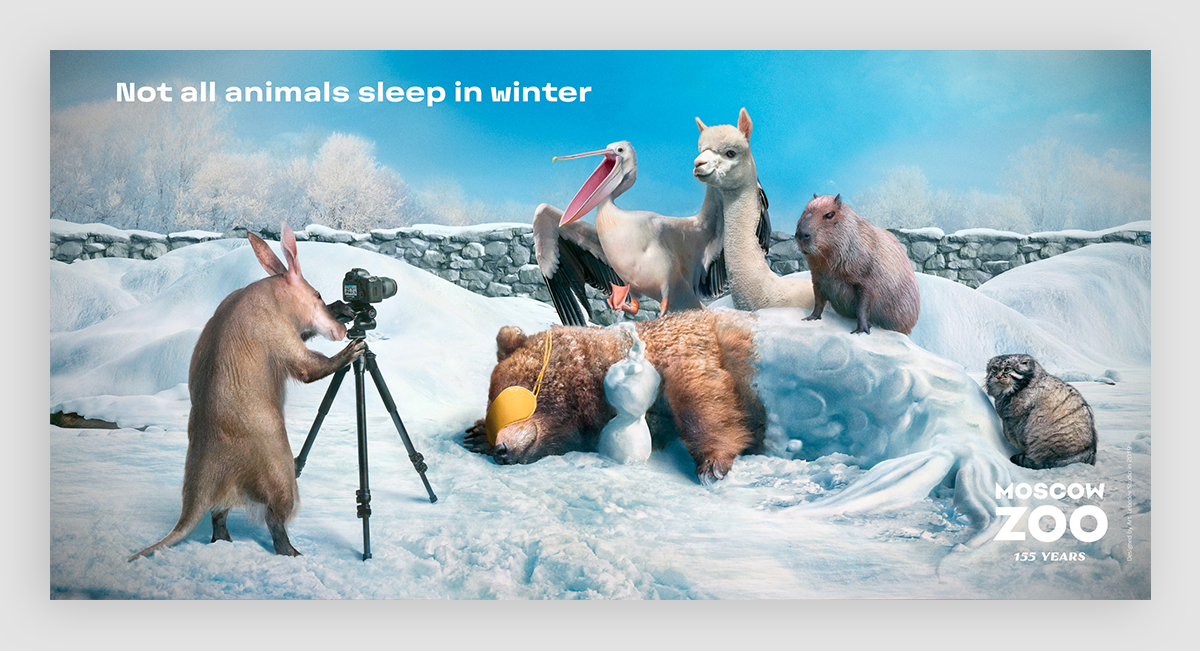
The human mind is an architect of meaning, constantly weaving patterns from the threads of perception to construct a coherent understanding of the world. Among its most intriguing creations is anthropomorphism—the cognitive act of imbuing non-human entities with human-like qualities. From ancient deities carved into stone to modern artificial intelligences flickering on smartphone screens, anthropomorphism has been both a bridge and a lens through which we interpret the unfamiliar. It is not merely a quirk of imagination but a fundamental cognitive mechanism, deeply rooted in our psychology and evolutionary history. By exploring the cognitive psychology of anthropomorphism, we uncover how this phenomenon shapes our interactions with technology, nature, and even abstract concepts, revealing the intricate dance between perception, emotion, and cognition.
The Genesis of Anthropomorphism: Evolutionary and Developmental Roots
Anthropomorphism is not a cultural artifact but a cognitive default—a tendency hardwired into the human brain through millennia of evolutionary pressure. Our ancestors, navigating a world teeming with unseen forces, benefited from assuming agency where none was certain. A rustling in the bushes? Better to interpret it as a predator than a gust of wind. This hyperactive agency detection system, while occasionally prone to false positives, conferred a survival advantage. Developmentally, children exhibit anthropomorphic tendencies almost instinctively, attributing intentions to inanimate objects or animals long before they grasp abstract causality. This early inclination reflects a broader cognitive strategy: to simplify complexity by humanizing it. The brain, in its relentless pursuit of pattern recognition, defaults to the familiar when confronted with the ambiguous, transforming shadows into shapes and silence into whispers.
The Dual Mechanisms: Intentional Stance and Social Cognition
At the heart of anthropomorphism lies the intentional stance—a cognitive posture that assumes entities act with purpose, even when their behavior is mechanistically driven. This stance is not a conscious choice but an automatic default, particularly when the entity in question exhibits movement, responsiveness, or apparent goals. Social cognition further amplifies this effect. Humans are wired to detect faces, emotions, and intentions, a suite of skills honed over millennia of social interaction. When these mechanisms are applied to non-human targets—be it a chatbot, a robot, or a storm—we inadvertently project our social frameworks onto them. The result is a seamless, if illusory, sense of connection. This dual mechanism explains why we feel empathy for a virtual assistant’s “frustration” or attribute malice to an algorithm’s “decisions.” It is not the entity that is human-like, but our perception of it that is irrevocably human.
Anthropomorphism in the Digital Age: AI, Avatars, and Algorithmic Agency
The digital revolution has transformed anthropomorphism from a survival heuristic into a design paradigm. Modern interfaces, from voice assistants to social robots, are engineered to exploit our cognitive biases, leveraging human-like voices, facial expressions, and conversational patterns to foster trust and engagement. Consider the uncanny valley—the eerie discomfort elicited when a humanoid robot’s appearance nears but does not achieve human realism. This phenomenon underscores the depth of our anthropomorphic impulses; even subtle mismatches between form and function can disrupt the illusion of humanity. Yet, when executed with finesse, anthropomorphism in AI can bridge the chasm between cold computation and warm interaction. Users are more likely to forgive a chatbot’s errors if it apologizes in a tone reminiscent of a human concierge, or to trust a recommendation engine that frames its suggestions as “advice” rather than data. The line between tool and companion blurs, revealing how deeply our cognitive habits shape our technological relationships.

The Ethical Paradox: Empathy Without Reciprocity
Anthropomorphism is a double-edged sword, capable of fostering empathy but also of distorting reality. When we imbue a corporation with “moral character” or a political system with “intentions,” we risk anthropomorphizing abstractions in ways that obscure their true nature. This phenomenon is particularly fraught in the realm of artificial intelligence, where users may develop emotional attachments to AI entities that lack consciousness or agency. The ethical paradox arises when our empathy outstrips the entity’s capacity to reciprocate. A user might confide in an AI therapist, believing it understands their pain, while the algorithm processes their words as mere data points. This asymmetry can lead to misplaced trust, exploitation, or even emotional harm. The challenge, then, is to harness the benefits of anthropomorphism—its ability to humanize and connect—without surrendering to its potential to mislead. It demands a nuanced literacy, one that recognizes the boundaries between projection and reality.
Cultural Variations: How Society Shapes Anthropomorphic Beliefs
While the cognitive mechanisms of anthropomorphism are universal, their expressions are profoundly shaped by culture. In animistic traditions, rivers, mountains, and storms are not merely natural phenomena but sentient beings with desires and intentions. In contrast, Western scientific paradigms often dismiss such beliefs as primitive, favoring mechanistic explanations. Yet even within scientific contexts, anthropomorphism persists—witness the tendency to describe genes as “selfish” or viruses as “deceptive.” These linguistic choices reveal how deeply cultural narratives infuse our understanding of the world. Some societies revere animals as spiritual guides, while others reduce them to functional components of an ecosystem. These variations highlight anthropomorphism as a cultural toolkit, one that adapts to societal values, religious beliefs, and technological advancements. It is both a mirror and a mold, reflecting the collective psyche while shaping how we perceive the non-human.
Anthropomorphism Beyond Humans: Animals, Objects, and the Natural World
The reach of anthropomorphism extends far beyond the digital and into the natural world. Pet owners often describe their animals as having “personalities,” “moods,” or even “sense of humor,” despite the lack of evidence for such traits in non-human cognition. Similarly, we personify hurricanes with names and genders, as if their destructive paths are guided by malice rather than physics. Even inanimate objects are not immune; a car that “refuses” to start or a computer that “hates” its user becomes a participant in a narrative of human struggle. This tendency to anthropomorphize the natural world serves multiple functions. It simplifies complex systems into relatable stories, fosters emotional connections with the environment, and even aids in conservation efforts by making abstract ecological concepts tangible. Yet, it also risks obscuring the true nature of these entities, reducing them to caricatures of human experience.

The Future of Anthropomorphism: From Cognitive Bias to Design Principle
As technology advances, anthropomorphism is poised to play an increasingly central role in human-computer interaction. The rise of generative AI, virtual reality, and social robots demands a deeper understanding of how to design interfaces that are not only functional but also emotionally resonant. Future systems may leverage anthropomorphic cues to enhance learning, therapy, and collaboration, creating environments where users feel understood and supported. Yet, this future also necessitates rigorous ethical frameworks to prevent manipulation, exploitation, or the erosion of critical thinking. The challenge lies in balancing anthropomorphism’s power to humanize with the need to preserve clarity and authenticity. As we stand on the precipice of a new era of interaction, the cognitive psychology of anthropomorphism offers both a toolkit and a cautionary tale—one that reminds us that our machines, no matter how lifelike, are reflections of our own minds.