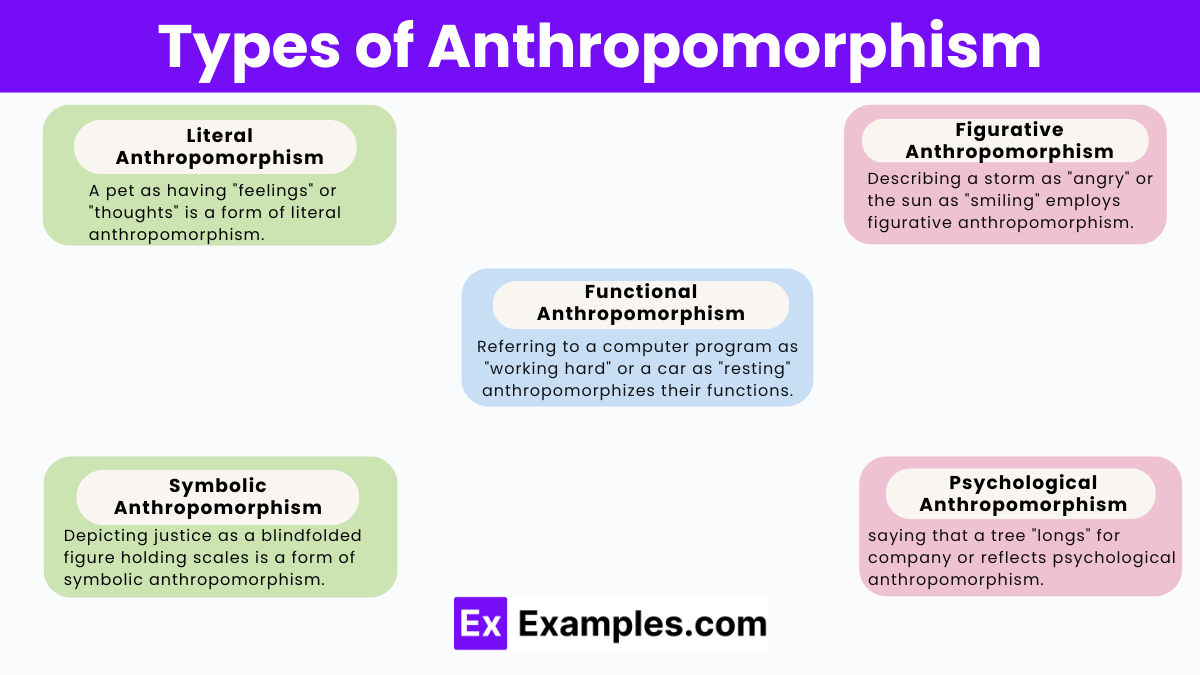
Anthropomorphism—the attribution of human traits, emotions, or intentions to non-human entities—is far more than a literary device or cultural quirk. It is a cognitive bridge that shapes how children perceive, interact with, and understand the world around them. From the earliest stages of infancy to the formative years of adolescence, anthropomorphism serves as a dynamic tool for learning, emotional regulation, and social development. By endowing animals, objects, and even abstract concepts with human-like qualities, children simplify complexity, navigate uncertainty, and cultivate empathy. This phenomenon is not merely a playful diversion; it is a developmental scaffold that influences language acquisition, moral reasoning, and even problem-solving skills. Understanding its multifaceted role can empower parents, educators, and caregivers to harness its potential while being mindful of its limitations.
The Cognitive Foundations: How Anthropomorphism Shapes Early Learning
In the first years of life, children’s brains are wired to seek patterns and make sense of their environment. Anthropomorphism emerges as a natural cognitive strategy, allowing them to categorize and interpret the unfamiliar by drawing parallels to their own experiences. Infants as young as six months old show a preference for faces and human-like features, a phenomenon rooted in the brain’s fusiform face area. As toddlers begin to speak, they often describe inanimate objects—such as a grumpy cloud or a cheerful sun—as if they possess emotions and intentions. This linguistic anthropomorphism is not mere imagination; it reflects a deeper cognitive process where children are actively constructing meaning. Research suggests that this tendency peaks between ages 3 and 5, a critical period for language development and symbolic thinking. By projecting human traits onto the world, children create a coherent narrative that helps them navigate the chaos of sensory input.
Moreover, anthropomorphism fosters theory of mind—the ability to attribute mental states to others. When a child believes a stuffed bear is “sad” because it’s been left alone, they are practicing perspective-taking, a skill essential for social interaction. This imaginative play is not frivolous; it is a laboratory for social cognition. Studies show that children who engage in anthropomorphic play demonstrate advanced narrative skills and a greater capacity for understanding others’ emotions. However, this cognitive shortcut is not without trade-offs. Over-reliance on anthropomorphism can sometimes lead to misconceptions, such as attributing human-like permanence to transient phenomena (e.g., believing the moon “follows” them at night). Caregivers can mitigate this by gently guiding children toward more accurate explanations while still validating their imaginative leaps.
Emotional Resonance: Anthropomorphism as a Tool for Empathy and Coping
Emotions are the currency of childhood, and anthropomorphism provides a unique medium for processing them. Children often turn to anthropomorphized figures—whether fictional characters, pets, or even weather patterns—to externalize and manage their feelings. This process, known as emotional scaffolding, allows them to distance themselves from overwhelming emotions by attributing them to an external entity. For instance, a child who fears the dark might personify the shadows as “shy monsters” who hide when the lights are on, thereby reclaiming a sense of control. This reframing can reduce anxiety and foster resilience, particularly in children who struggle with emotional regulation.
Anthropomorphism also plays a pivotal role in grief and loss. When a beloved pet passes away, children may cope by imagining the pet in a “better place,” where it is happy and playing forever. While this belief is not factually accurate, it serves a therapeutic purpose by softening the blow of mortality. Similarly, children might anthropomorphize deceased relatives as “guardian angels” or “stars watching over them,” transforming sorrow into a narrative of comfort. Educators and parents can leverage this tendency by introducing stories and rituals that honor these anthropomorphic narratives, provided they are balanced with age-appropriate discussions about reality. The key lies in recognizing when anthropomorphism is a stepping stone toward emotional understanding and when it may hinder the acceptance of difficult truths.
Literary and Media Influences: Anthropomorphism in Storytelling and Media
Stories have always been anthropomorphism’s most potent vessel, and children’s literature and media are teeming with examples. From Aesop’s fables to modern animated films, anthropomorphized characters—such as Winnie the Pooh’s melancholic honey obsession or the rebellious spirit of *Moana*’s ocean—serve as mirrors and windows. They reflect children’s own struggles while exposing them to diverse perspectives. Research indicates that children who engage with anthropomorphic stories develop stronger narrative comprehension skills and a broader emotional vocabulary. These characters become social referents, allowing children to explore complex themes like justice, friendship, and perseverance in a safe, fictional context.
However, not all anthropomorphic representations are created equal. The way characters are designed—whether as villains, heroes, or neutral figures—can shape children’s moral frameworks. For example, animals portrayed as cunning tricksters (e.g., foxes in folklore) might inadvertently reinforce stereotypes about certain species. Similarly, media that anthropomorphizes technology (e.g., AI assistants with human voices) can blur the lines between human and machine, raising questions about authenticity and ethics. Parents and educators should curate content thoughtfully, discussing the implications of anthropomorphism in media and encouraging critical thinking. Interactive media, such as video games where children control anthropomorphized avatars, further amplifies this effect by immersing them in first-person narratives where they actively embody human-like roles.

Cultural and Educational Implications: Anthropomorphism Across Contexts
Anthropomorphism is not a universal constant; its prevalence and interpretation vary across cultures. In some Indigenous traditions, animals are revered as kin with human-like agency, fostering a deep ecological ethos. In contrast, Western scientific education often discourages anthropomorphism to promote objectivity. This cultural dichotomy presents a challenge for educators aiming to balance cultural sensitivity with scientific literacy. For instance, a child raised in a culture where rivers are considered “living beings” may struggle to reconcile this view with the abstract concept of a river as a “system of water flow.” Multicultural classrooms can address this by acknowledging diverse perspectives while gradually introducing more formal scientific models.
In educational settings, anthropomorphism can be a double-edged sword. On one hand, it makes abstract concepts tangible. A history lesson about the “grievances” of the American Revolution becomes more relatable when framed as the “complaints” of the colonies. Similarly, math problems featuring a “hungry alligator” symbolizing the greater-than sign help young learners visualize abstract operations. On the other hand, over-anthropomorphizing can lead to oversimplification. Teaching children that “plants grow because they want to” neglects the biological processes of photosynthesis and nutrient absorption. Educators can strike a balance by using anthropomorphism as a temporary scaffold—an entry point into more complex ideas—before transitioning to precise terminology. This approach aligns with the scaffolding theory of Lev Vygotsky, where adult guidance helps children bridge the gap between imagination and reality.
Practical Applications: Fostering Healthy Anthropomorphic Engagement
For caregivers and educators, the goal is not to suppress anthropomorphism but to guide it toward productive outcomes. One strategy is to encourage metacognitive reflection—helping children recognize when they are using anthropomorphism and why. Simple prompts like, “Do you think the teddy bear *really* feels sad, or is it just pretend?” can prompt critical thinking without dampening creativity. Another approach is to model anthropomorphic thinking in a controlled way. For example, a parent might say, “The tree is *shivering* in the cold wind,” to describe a natural phenomenon, then follow up with, “But trees don’t actually shiver—what do you think is really happening?” This validates the child’s imaginative leap while gently steering them toward scientific accuracy.
Creative activities can also harness anthropomorphism’s potential. Role-playing games where children embody anthropomorphized objects (e.g., a talking teapot or a grumpy cloud) enhance language skills and perspective-taking. Art projects, such as drawing a “day in the life” of a household appliance, encourage children to think about function and design from a novel angle. Even digital tools, like coding games where children program anthropomorphized characters, blend creativity with computational thinking. The key is to create opportunities for children to explore anthropomorphism in ways that align with their developmental stage and interests, ensuring that it remains a tool for growth rather than a crutch for misunderstanding.
The Future of Anthropomorphism: Ethical Considerations and Evolving Perspectives
As technology advances, anthropomorphism is taking on new forms—from AI chatbots with human-like voices to robots designed to mimic emotional expressions. While these innovations offer exciting educational possibilities, they also raise ethical questions. Should children interact with AI companions that simulate empathy? Can anthropomorphized robots foster social skills, or do they risk creating dependency on artificial relationships? Research is still unfolding, but early studies suggest that children can distinguish between real and simulated emotions, though they may still form attachments to anthropomorphized technology. Caregivers should monitor these interactions closely, ensuring that screen time does not replace human connection.
Looking ahead, anthropomorphism will likely continue to evolve as a cultural and educational tool. As climate change and biodiversity loss dominate global discourse, anthropomorphic representations of ecosystems—such as “Mother Earth” or “angry forests”—may become more prevalent in advocacy and education. These narratives can galvanize action by making abstract concepts visceral and urgent. However, they must be wielded responsibly to avoid fostering guilt or helplessness in young minds. The challenge lies in using anthropomorphism as a catalyst for curiosity and stewardship, rather than a source of fear or misinformation. By staying attuned to these dynamics, we can ensure that anthropomorphism remains a force for wonder, learning, and connection in the lives of children.