In the grand theater of human cognition, where reason and emotion pirouette in an eternal waltz, anthropomorphism emerges as a silent choreographer—subtly guiding our steps, shaping our perceptions, and coloring our interactions with the world. It is the cognitive alchemy that transmutes the inanimate into the sentient, the abstract into the tangible, and the alien into the familiar. From the whisper of the wind through autumn leaves to the stern gaze of a thundercloud, we project intention, emotion, and agency onto the cosmos itself. This innate tendency, far from being a mere quirk of imagination, is a cornerstone of human behavior, a psychological lens through which we navigate reality. To understand anthropomorphism is to peer into the mirror of the human mind, where the boundaries between self and other blur, and the universe becomes a stage populated by actors of our own making.
The Genesis of Anthropomorphism: When the Mind Meets the Mirror
Anthropomorphism is not a modern contrivance but an ancient instinct, etched into the human psyche by millennia of survival and social evolution. Evolutionary psychologists posit that our ancestors’ ability to discern agency in their surroundings—whether a rustling bush or a distant predator—was a matter of life and death. This hyperactive agency detection, a cognitive shortcut honed by natural selection, predisposed us to see faces in clouds and voices in the static of a broken radio. It is the same instinct that compels us to apologize to a malfunctioning computer or curse at a stubborn jar lid.
Neuroscientifically, anthropomorphism is rooted in the brain’s propensity to recruit the same neural circuits used for social cognition when interpreting non-social stimuli. The fusiform face area, typically activated by human faces, springs to life when we encounter a cartoon smiley or a poorly designed emoticon. Meanwhile, the temporoparietal junction, a hub for theory of mind—the ability to attribute mental states to others—lights up when we anthropomorphize a robot or a virtual assistant. This neural hijacking is not a flaw but a feature of our adaptive intelligence, a testament to the brain’s relentless drive to find patterns, meaning, and connection in the chaos of existence.
The Social Glue: How Anthropomorphism Forges Bonds
Anthropomorphism is the invisible thread that weaves the fabric of human society. It is the reason we name our cars, confide in our pets, and anthropomorphize deities and fictional characters alike. By endowing non-human entities with human-like qualities, we create a shared language of emotion and intention, a lingua franca that transcends species and mediums. This phenomenon is not merely whimsical; it is a social lubricant, easing interactions and fostering empathy. When we project humanity onto a corporate logo or a national flag, we imbue it with the power to inspire loyalty, outrage, or even revolution.
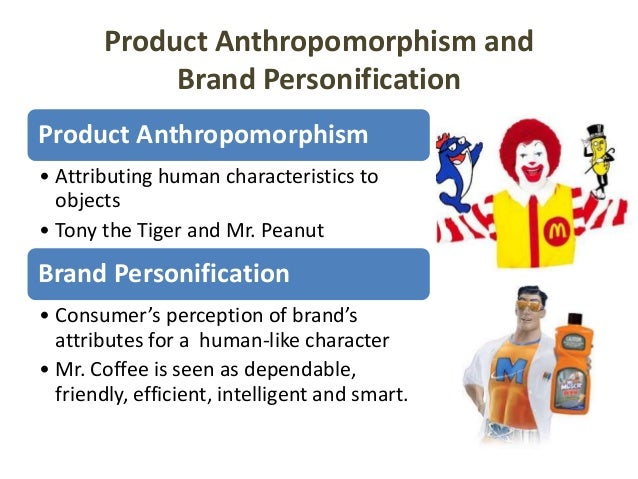
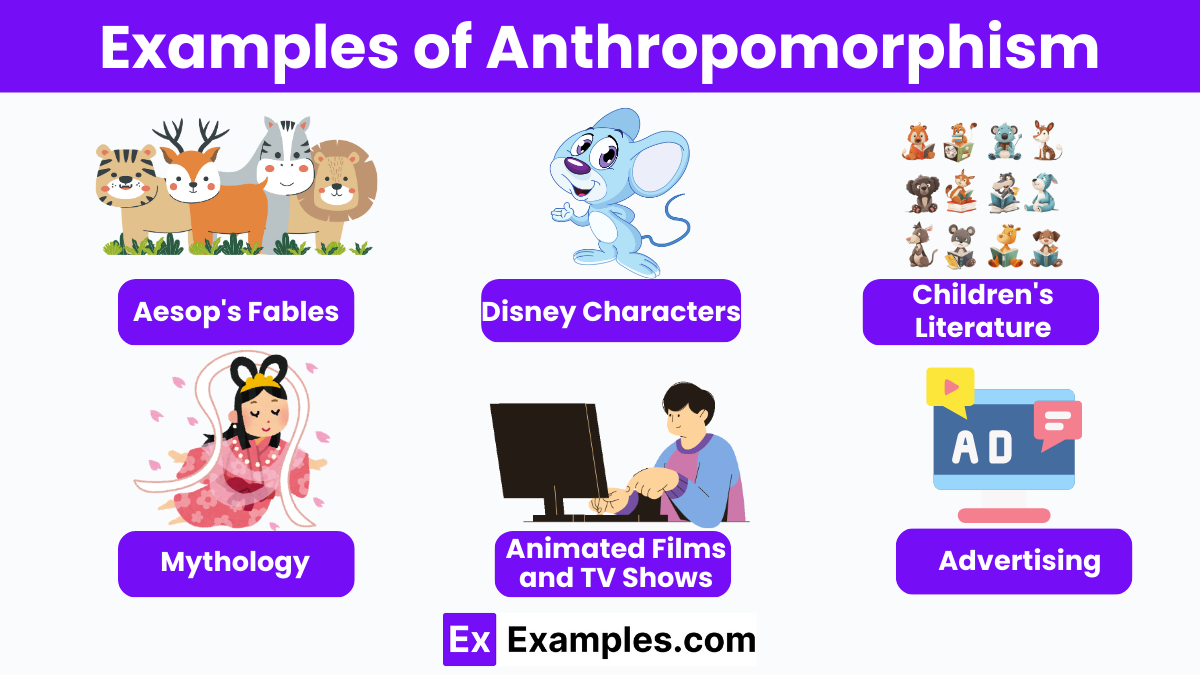
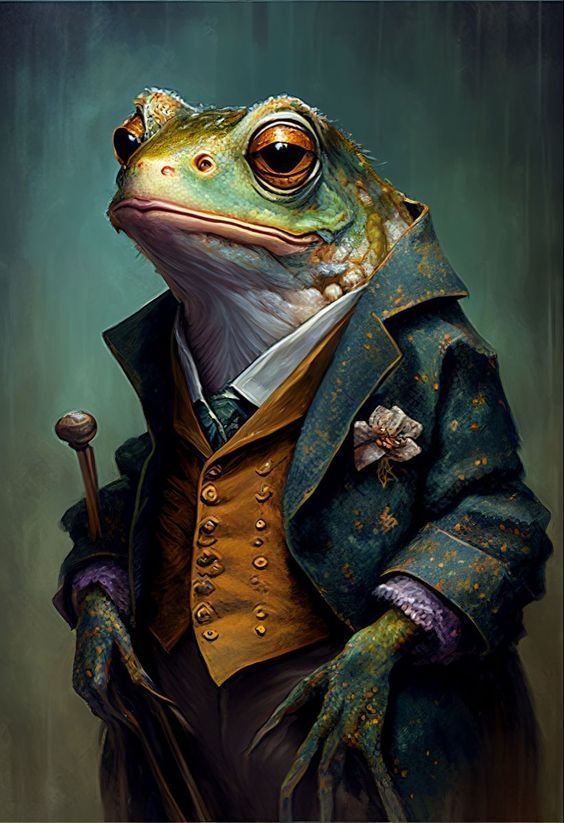
Consider the phenomenon of “brand anthropomorphism,” where companies leverage our innate tendencies to humanize their products. From the jovial face of the M&M’s characters to the stoic demeanor of the Michelin Man, these anthropomorphic avatars serve as ambassadors of personality, transforming inanimate objects into relatable entities. This strategy taps into our deep-seated desire for connection, turning consumers into participants in a narrative where the brand is not just a product but a companion. The same principle applies to the anthropomorphism of animals in children’s literature, where a fox in a waistcoat or a bear with a penchant for honey becomes a mirror for human virtues and vices, teaching empathy and moral lessons through the guise of fiction.
The Dark Side of the Mirror: When Anthropomorphism Misleads
Yet, like all cognitive shortcuts, anthropomorphism is a double-edged sword. Its seductive allure can lead us astray, blurring the line between metaphor and reality. The “pathetic fallacy,” a literary device where nature is imbued with human emotions, is a poetic indulgence—but when applied to climate change, it becomes a dangerous distortion. To anthropomorphize the Earth as a vengeful entity or a fragile patient is to oversimplify the complex interplay of geological and atmospheric forces, reducing a multifaceted crisis to a morality tale. Similarly, the anthropomorphism of artificial intelligence, while fostering user engagement, risks obscuring the ethical and technical limitations of machines, leading to misplaced trust in systems that lack true consciousness or intent.
In the realm of politics and economics, anthropomorphism can be weaponized. The “invisible hand” of the market, a metaphor coined by Adam Smith, has been reified into a quasi-mystical force, absolving policymakers of responsibility for systemic failures. When we speak of a “greedy” corporation or a “cruel” recession, we anthropomorphize abstract entities, imbuing them with agency and moral culpability. This rhetorical sleight of hand can obscure the human decisions and structural inequities that drive such phenomena, turning complex socio-economic issues into morality plays where villains and heroes are easily identified.
The Art of Seeing Ourselves: Anthropomorphism in Creativity and Culture
Anthropomorphism is not merely a cognitive quirk but a creative catalyst, a wellspring of artistic and cultural expression. From the cave paintings of Lascaux, where animals are rendered with almost human expressiveness, to the surreal landscapes of Hieronymus Bosch, where trees sprout faces and clouds weep, humanity has long projected its inner world onto the external. This tradition persists in modern media, where animated films like *Spirited Away* or *Zootopia* explore the boundaries of identity and society through anthropomorphic characters. These stories resonate because they reflect our own struggles, aspirations, and contradictions, draped in the guise of the fantastical.
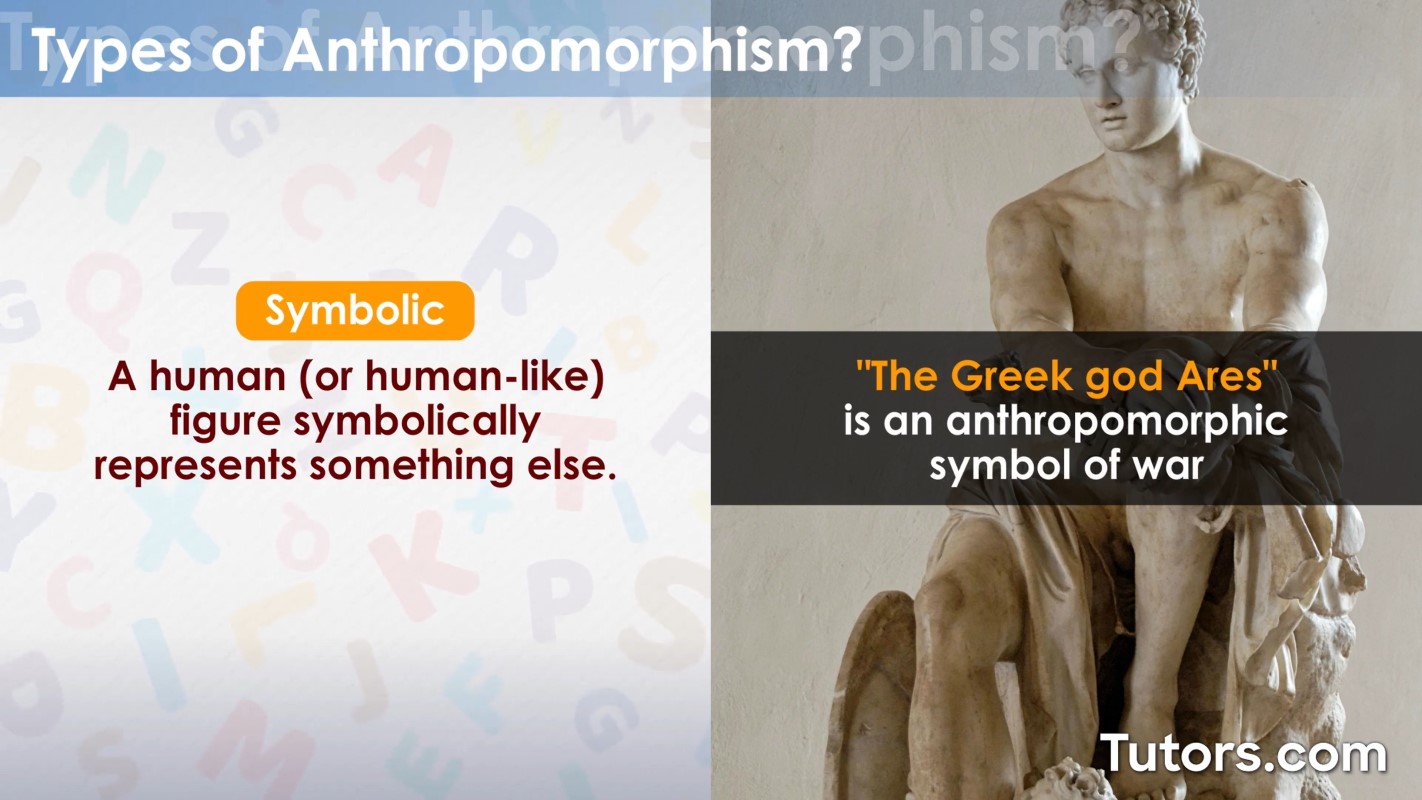
In literature, anthropomorphism serves as a vehicle for satire and social commentary. George Orwell’s *Animal Farm* is a masterclass in the genre, using animals to critique totalitarianism and human folly. The novel’s power lies in its ability to make abstract political concepts tangible, inviting readers to empathize with characters who are, at once, themselves and not themselves. Similarly, in the realm of mythology, gods and tricksters—from Loki to Anansi—embody the chaotic, unpredictable aspects of human nature, serving as cautionary tales or guides for navigating life’s ambiguities.
The Future of the Mirror: Anthropomorphism in the Age of AI
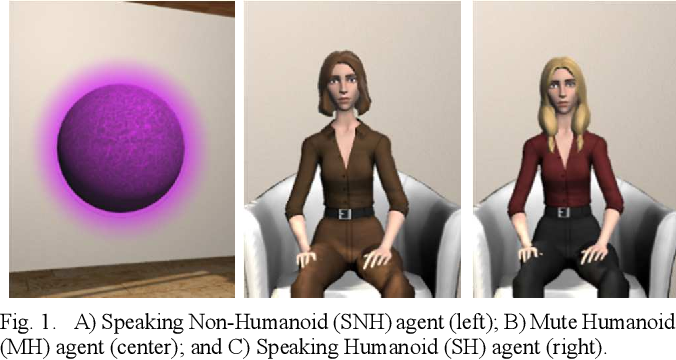
As we stand on the precipice of an era dominated by artificial intelligence and advanced robotics, anthropomorphism takes on new dimensions. The rise of conversational AI, from chatbots to virtual assistants, has accelerated our tendency to humanize machines. Studies show that people are more likely to trust and cooperate with robots that exhibit even rudimentary social cues, such as eye contact or a friendly tone. This phenomenon, known as the “uncanny valley” effect, reveals the fine line between comfort and discomfort when confronting entities that mimic humanity but lack true sentience.
Yet, this trend also raises profound ethical questions. If we anthropomorphize AI, are we abdicating responsibility for its actions? When a self-driving car makes a split-second decision that results in harm, do we blame the algorithm, the engineers, or the “robot” itself? The legal and moral frameworks of the future must grapple with these questions, ensuring that our cognitive biases do not blind us to the realities of machine intelligence. At the same time, anthropomorphism in AI presents an opportunity to design systems that are more intuitive, empathetic, and aligned with human values—provided we remain vigilant against the dangers of reification and misplaced trust.
Conclusion: The Mirror’s Paradox
Anthropomorphism is a paradox—a bridge between the known and the unknown, the human and the non-human, the self and the other. It is a testament to our capacity for imagination, empathy, and connection, but also a reminder of the cognitive pitfalls that accompany these gifts. To anthropomorphize is to see the world through a lens of meaning, but it is also to risk mistaking the reflection for the reality. In an age where technology blurs the boundaries between the animate and the inanimate, understanding this phenomenon is not just an academic exercise but a necessity. It challenges us to question our assumptions, to recognize the stories we tell ourselves, and to navigate the fine line between metaphor and delusion.
Ultimately, anthropomorphism is a mirror—not because it shows us what is, but because it reveals what we wish to see. It is the echo of our own voices in the canyons of the cosmos, the shadow we cast upon the walls of Plato’s cave. To engage with it is to engage with the essence of humanity itself: our desire to find ourselves in the world, even when the world is not, and never will be, like us.