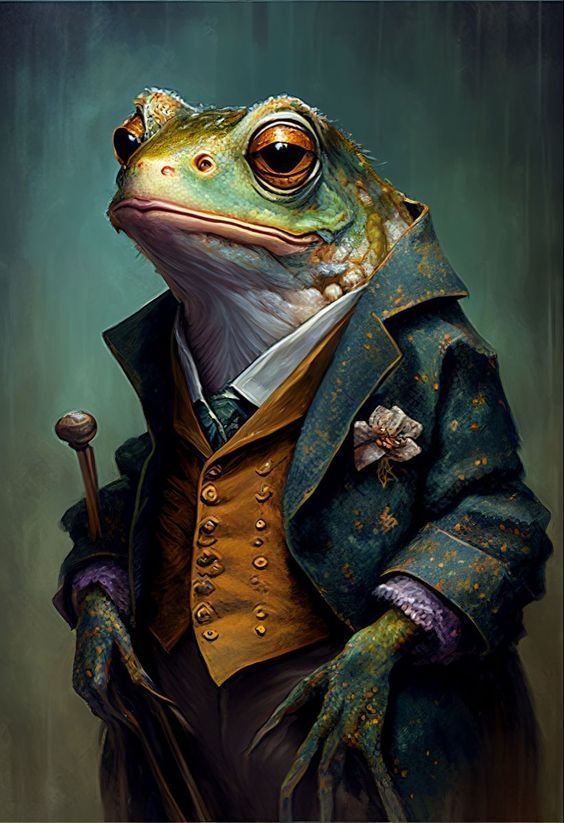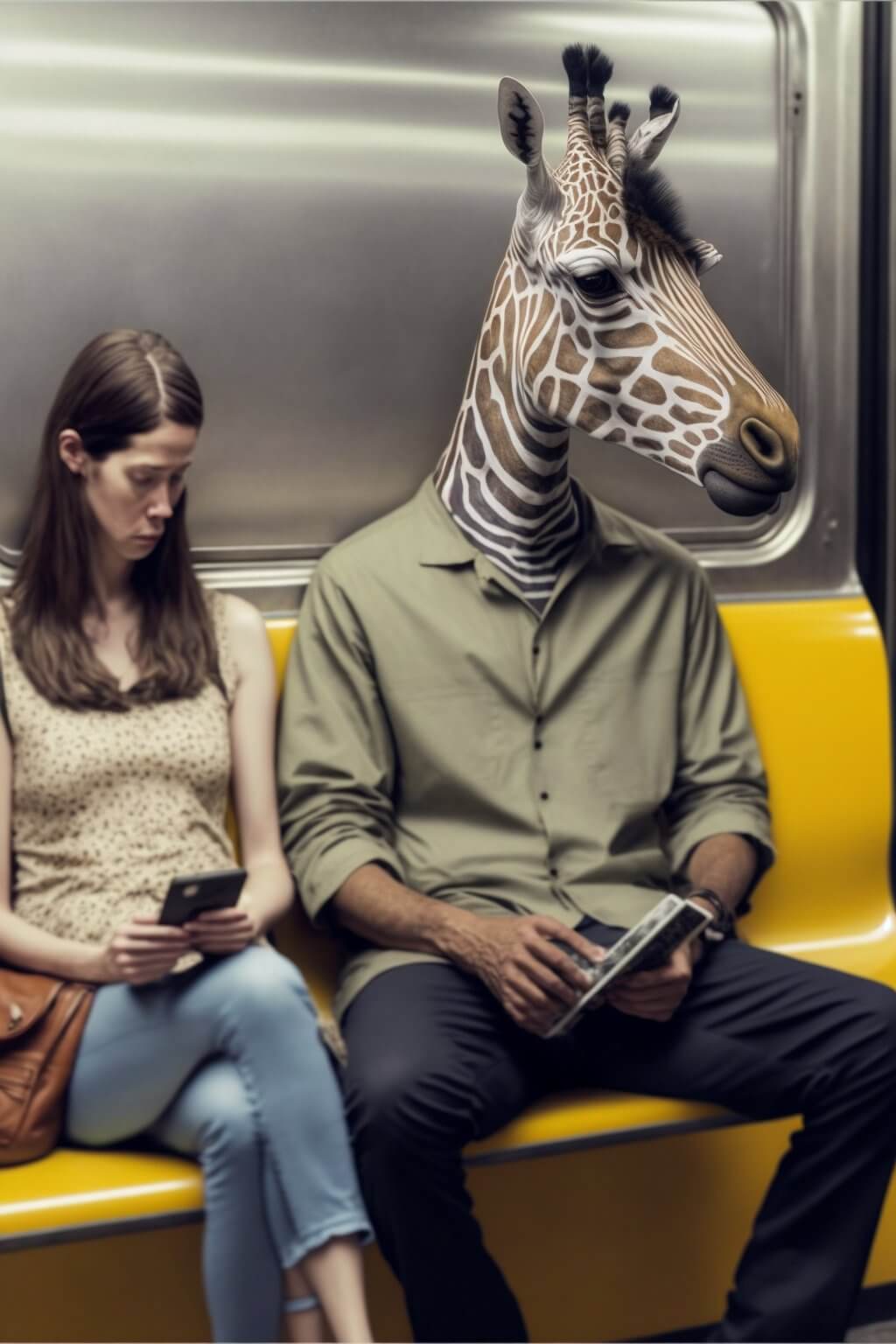
From ancient myths to modern animated films, anthropomorphism—the attribution of human traits to non-human entities—has long served as a bridge between our inner world and the natural realm. When we imbue trees with wisdom, rivers with emotions, or animals with personalities, we don’t merely simplify nature; we transform it into a mirror of our own consciousness. This phenomenon shapes not just how we perceive the environment, but how we interact with it, fostering empathy, ethical responsibility, and even a sense of companionship with the wild. Yet beneath this fascination lies a deeper psychological and cultural current: the need to reconcile the alien with the familiar, to find meaning in the vast, indifferent expanse of nature by humanizing its mysteries.
The Comfort of Familiar Faces in an Unfathomable World
Nature is vast, ancient, and fundamentally indifferent to human existence. A thunderstorm does not rage with malice; a mountain does not stand in defiance of climbers. Yet our minds recoil from such neutrality. Anthropomorphism offers a palliative: by endowing storms with tempers, forests with secrets, and animals with intentions, we domesticate the wild. This is not mere whimsy—it is a cognitive survival strategy. Evolutionary psychologists suggest that our brains are wired to detect agency, even where none exists, because mistaking a predator’s intent for a rock’s indifference could be fatal. In this light, anthropomorphism is less about deception and more about pattern recognition, a mental shortcut that turns chaos into narrative.
Consider the way we speak of the wind. We say it “whispers,” “howls,” or “sighs,” as if it breathes with purpose. Such language transforms an impersonal force into a character in our internal dramas. It allows us to negotiate with the environment rather than merely endure it. A farmer praying to the rain god is not delusional; they are engaging in a ritual of psychological alignment, making the unpredictable feel like a dialogue rather than a monologue.
Empathy as the Keystone of Conservation
Anthropomorphism does more than soothe our existential unease—it fuels our capacity for care. When a polar bear is depicted as a grieving mother in a documentary, or a dying coral reef is personified as a fading heartbeat, we don’t just observe; we feel. This emotional resonance is the lifeblood of environmental activism. Studies show that people are more likely to support conservation efforts when they perceive animals and ecosystems as possessing emotions or moral standing. The WWF’s panda logo isn’t just a brand; it’s a mnemonic device, a shorthand for vulnerability that bypasses cold statistics.
Yet this empathy is a double-edged blade. It can inspire stewardship, but it can also distort priorities. A charismatic panda may garner more funding than a silent, soil-dwelling fungus, despite the latter’s critical role in carbon sequestration. The challenge lies in balancing anthropomorphic storytelling with ecological accuracy—a task that requires nuance. Conservationists now employ “charismatic megafauna” strategically, knowing that a lion’s gaze can open wallets faster than a lichen’s plea. The goal is not to abandon anthropomorphism, but to wield it with intention, ensuring that our emotional connections do not eclipse the silent, unglamorous work of the natural world.
The Cultural Tapestry of Nature’s Personas
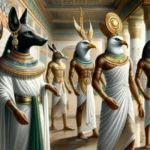
Anthropomorphism is not a universal constant; it is a cultural artifact, woven into the myths, religions, and folklore of every society. In Japanese Shinto, rivers and mountains are kami—spirits with agency and will. In Norse mythology, the world tree Yggdrasil hums with the lives of gods and beasts. Even the ancient Greeks saw the sea as Poseidon’s domain, a realm of divine temperaments. These narratives are not mere allegories; they are frameworks for understanding the environment as a participant in human affairs.
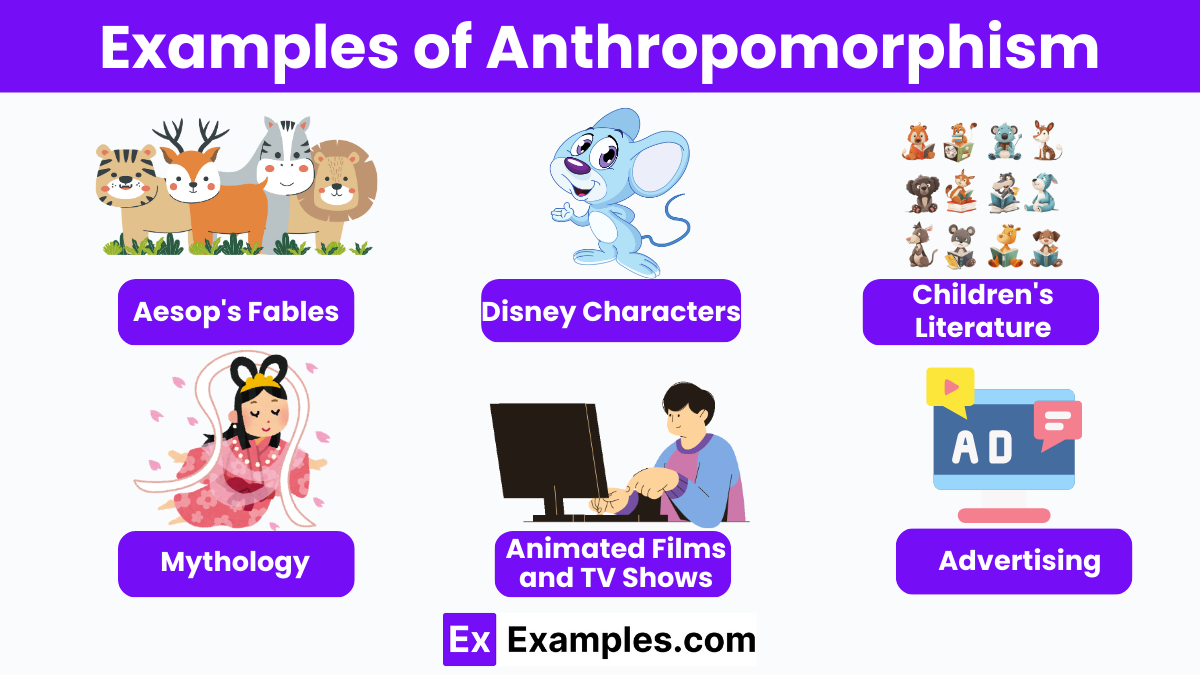
Modern media continues this tradition, albeit with secularized fervor. Disney’s Bambi turns a forest into a stage for childhood trauma and resilience. Studio Ghibli’s Princess Mononoke frames nature as a battleground of moral consequence. These stories do not just entertain; they encode ecological ethics into our collective psyche. When a child learns that the trees “feel pain,” they are not being taught science—they are being initiated into a worldview where nature is a subject, not an object. This cultural transmission ensures that anthropomorphism persists, evolving from ancient ritual to modern storytelling, always serving as a vessel for our relationship with the wild.
The Paradox of Proximity: When Nature Becomes a Mirror
Anthropomorphism thrives in the spaces between distance and intimacy. We are more likely to humanize a creature we rarely encounter—a whale breaching the ocean’s surface, a wolf howling at the moon—than a pigeon pecking at crumbs on a city sidewalk. The unfamiliar invites projection; the familiar demands acknowledgment. This paradox explains why urban dwellers anthropomorphize wildlife while remaining oblivious to the microbial ecosystems beneath their feet. The wolf becomes a symbol of freedom; the pigeon is just a pest.
Yet this distance is shrinking. As climate change and habitat encroachment blur the lines between human and wild spaces, anthropomorphism takes on new urgency. A coyote rummaging through a trash bin is no longer a distant myth; it is a neighbor, a trespasser, a character in the unfolding drama of shared survival. This proximity forces us to confront the limits of our projections. Can we truly empathize with a species we’ve only encountered as a nuisance? The answer may lie in expanding our definitions of anthropomorphism—not just as a tool for understanding nature, but as an invitation to see ourselves within it, flaws and all.
The Ethical Dilemma: When Personification Distorts Reality
Not all anthropomorphism is benign. When we reduce a wolf to a villain or a fox to a trickster, we risk reinforcing harmful stereotypes that shape real-world behavior. Conservation campaigns that depict elephants as “gentle giants” may inadvertently encourage tourism that disrupts their social structures. Similarly, framing climate change as a “vengeful Earth” can obscure the systemic causes of environmental degradation, shifting blame from human actions to an imagined sentient nature.
This ethical tightrope demands vigilance. The goal is not to purge anthropomorphism from our lexicon, but to interrogate its motives. Is the river being personified to inspire protection, or to justify its exploitation? Are animals being given voices to amplify their plight, or to serve as props in human narratives? The line between empathy and exploitation is thin, and anthropomorphism, for all its power, is not immune to misuse. Recognizing this duality is the first step toward wielding it responsibly.
The Unseen Thread: How Anthropomorphism Shapes Our Inner Ecology
Beyond its external manifestations, anthropomorphism reshapes our inner landscapes. When we project humanity onto nature, we are not just altering how we see the world—we are altering how we see ourselves. The ancient practice of daimon in Greek philosophy posited that every person had an inner spirit, a guiding force akin to the animating principles we ascribe to nature. In this view, anthropomorphism is a dialogue between the self and the other, a way of recognizing that the boundaries between human and non-human are more porous than we assume.
This permeability is evident in the phenomenon of “ecotherapy,” where nature is prescribed not just as a backdrop for healing, but as an active participant in psychological renewal. Walking through a forest, we don’t just breathe in oxygen; we absorb a sense of timelessness, of cyclical renewal that mirrors our own struggles and recoveries. The trees do not judge; they endure. The rivers do not rush; they flow. In their indifference, we find a strange comfort—a reminder that our humanity is not the only story worth telling.
Anthropomorphism, then, is more than a literary device or a cognitive quirk. It is a testament to our enduring need to belong—not just to each other, but to the vast, murmuring chorus of life that surrounds us. In giving nature a face, we acknowledge our place within it. And in doing so, we may just learn to listen.