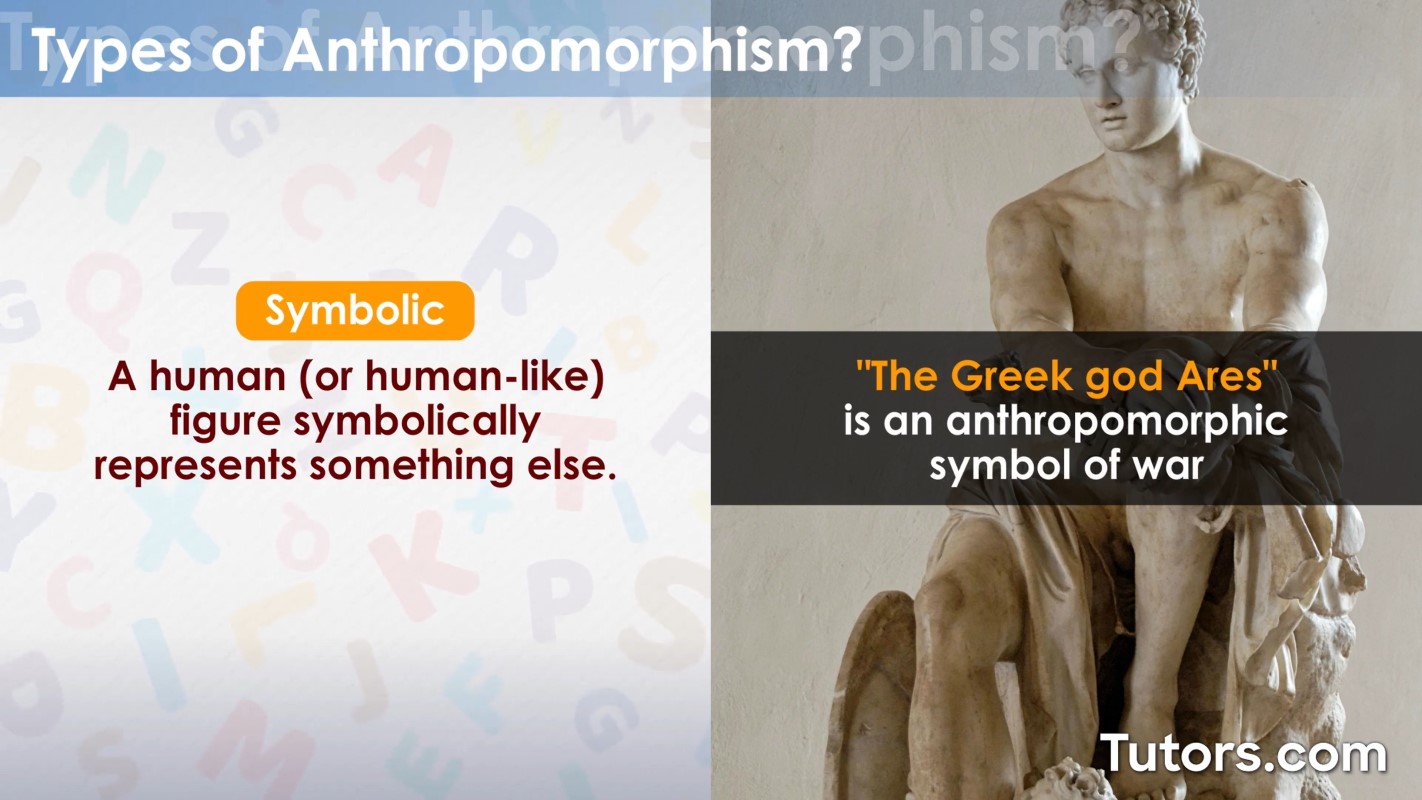
In the ever-evolving landscape of digital assets, NFTs (Non-Fungible Tokens) have emerged as a revolutionary medium for ownership and creativity. Among the myriad themes and styles dominating the NFT marketplace, anthropomorphism—the attribution of human traits, emotions, or intentions to non-human entities—plays a pivotal role in shaping collectibility. This phenomenon not only enhances aesthetic appeal but also profoundly influences market dynamics, emotional engagement, and cultural resonance. Understanding how anthropomorphism affects NFT collectibility offers valuable insights into why certain digital collectibles attain iconic status while others languish in obscurity.
The Psychological Appeal of Anthropomorphic NFTs
At the core of anthropomorphism lies its ability to forge a psychological connection between the collector and the asset. Humanizing non-human characters imbues them with relatable emotions and personalities, transcending mere visual design. This psychological engagement fosters empathy, a sense of companionship, and even attachment—elements critical in the emotional economy driving NFT purchases.
For collectors, an anthropomorphic NFT speaks a language beyond pixels and code; it narrates stories, embodies identities, and cultivates belonging. This intimacy enhances perceived value, transforming a digital image into an emblem of self-expression or social status. The compelling allure of owning a character that mirrors human traits—be it resilience, humor, or vulnerability—enriches the collecting experience, making it deeply personal and uniquely satisfying.
Visual Storytelling and Character Dynamics
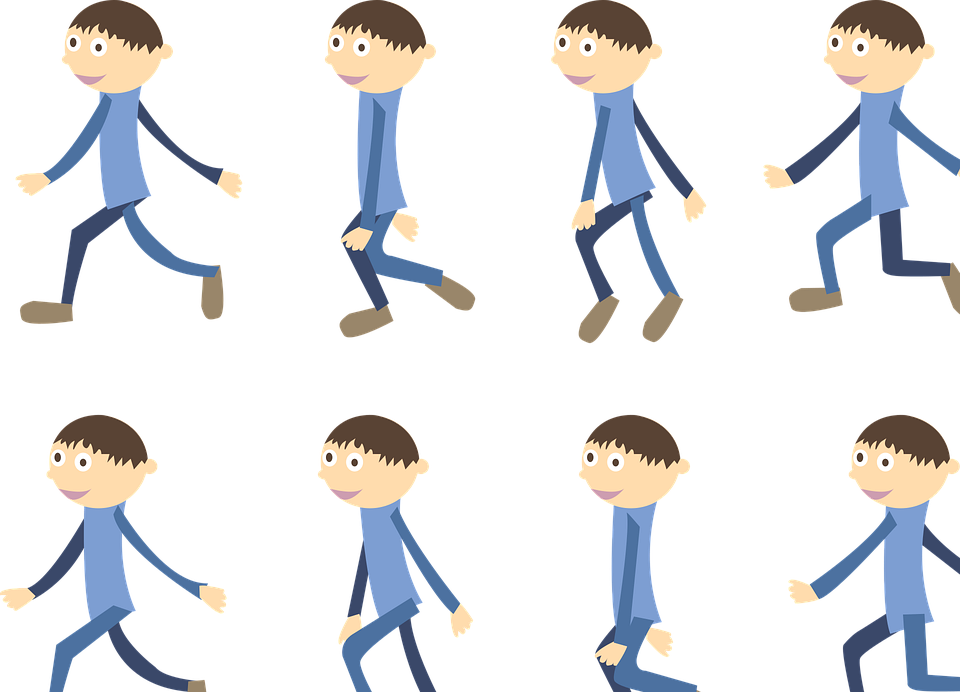
Anthropomorphic NFTs excel in storytelling. By transmogrifying animals, objects, or abstract forms into human-like figures, creators narrate complex narratives and cultural archetypes with vivid clarity. This narrative capacity invites collectors into a shared universe where each token is more than an asset; it is a chapter of a larger mythos.
Such storytelling prowess fuels collectibility by encouraging the accumulation of entire series or franchises. Collectors are drawn to characters whose arcs evolve, who bear distinct traits and aesthetic idiosyncrasies. The result is a marketplace where demand pivots around characters that resonate on emotional and narrative levels, intensifying rarity and desirability.
Community Building and Social Identity
Community formation is a critical factor underpinning the success of anthropomorphic NFT projects. These collections often spark devoted communities united by shared interests, cultural references, and a yearning for connectedness. Anthropomorphism’s intrinsic relatability acts as a social glue, enabling collectors to bond over their affinities for particular characters or storylines.
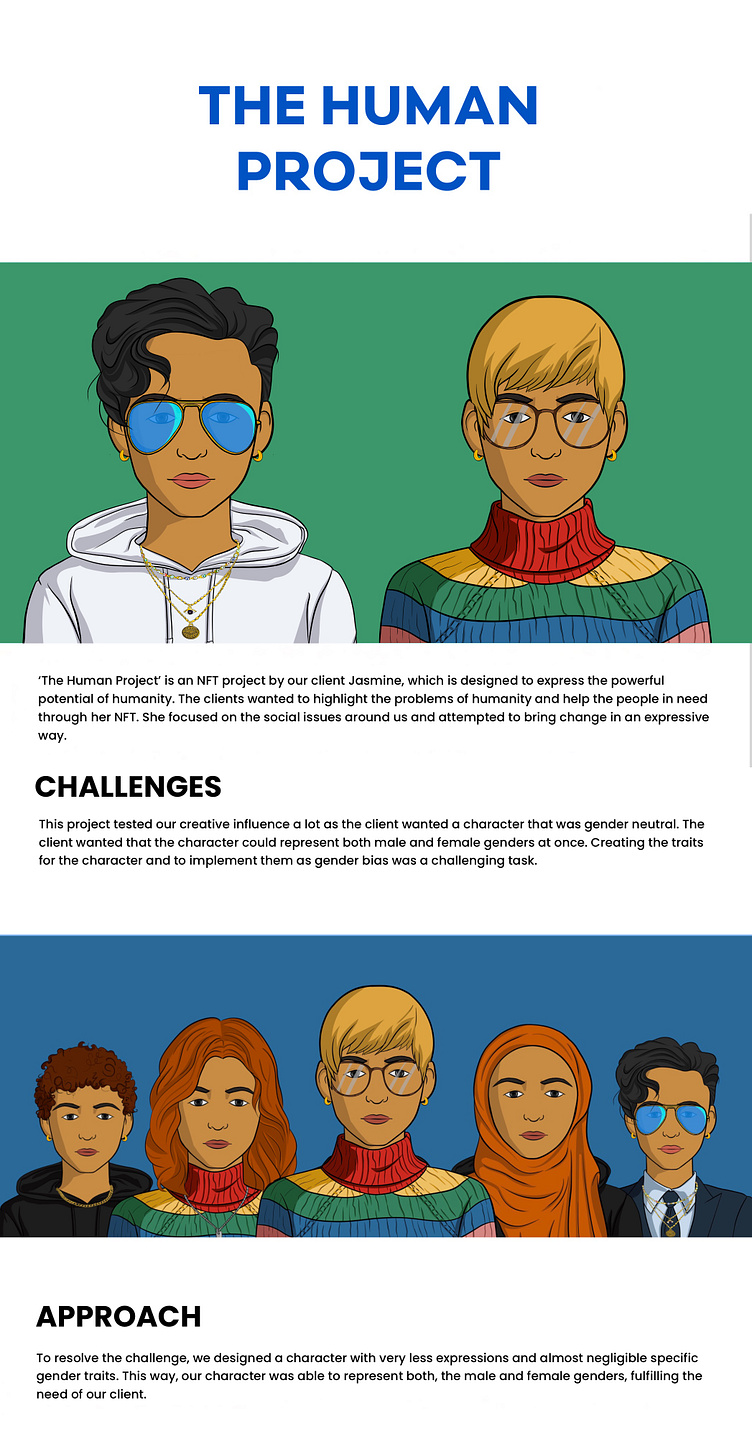
Moreover, ownership of anthropomorphic NFTs frequently extends beyond individual possession into social identity. These tokens become avatars, badges of membership within exclusive groups or digital tribes. This phenomenon heightens collectibility, as NFTs double as social currency in online ecosystems, enhancing their liquidity and long-term value.
Market Rarity and the Allure of Unique Traits
Anthropomorphic NFTs leverage rarity through meticulous trait differentiation, adding layers of scarcity integral to collectible culture. Variations in expression, costume, pose, and other anthropic features create an intricate tapestry of uniqueness. The scarcity principle provides a robust framework that drives up market value and fuels speculative investment.
Collectors often seek out NFTs exhibiting rare anthropomorphic characteristics to distinguish their holdings. This pursuit of singularity amplifies market activity, motivating creators to innovate with traits that evoke human idiosyncrasies—such as quirky gestures or emotional subtleties—thereby enriching the ecosystem with increasingly diversified tokens.
Cultural Relevance and Symbolic Resonance
Anthropomorphic NFTs frequently draw from enduring cultural symbols and mythologies, embedding layers of meaning that resonate across demographics. By invoking archetypes—heroes, tricksters, protectors—these NFTs transcend mere collectibles to become carriers of cultural dialogue. This symbolic depth appeals to collectors who appreciate art that reflects or challenges societal narratives.
The cultural resonance also facilitates cross-market appeal, attracting a broad spectrum of collectors from various backgrounds. Integrating multicultural motifs or allegorical elements multiplies the interpretive possibilities, enhancing engagement and driving robust demand among global audiences.
The Role of Technological Innovation in Enhancing Anthropomorphism
Recent technological advances have augmented anthropomorphic expression within NFTs. Interactive elements, animation, and augmented reality components breathe life into static images, providing multisensory experiences that deepen emotional immersion. These innovations not only heighten visual appeal but also expand functional utility, positioning anthropomorphic NFTs as dynamic digital artifacts.
Furthermore, the integration of generative algorithms allows for the creation of vast, unique anthropomorphic collections with intricate variations, redefining scale and diversity. This technological synergy invigorates the collectible ecosystem, capturing the imaginations of tech-savvy collectors and traditional enthusiasts alike.
Economic Implications and NFT Market Dynamics
The influence of anthropomorphism extends into the economic dimensions of NFT trading. Anthropomorphic NFTs often command premium prices, driven by demand shaped through emotional, social, and aesthetic factors. This demographic’s robust trading activity contributes to liquidity and market volatility, which in turn attracts investors and speculators.
Market strategies around anthropomorphic NFTs frequently include staged releases, collaborations, and utility unlocks, leveraging narrative and community engagement to sustain interest and drive up valuations. Such economic orchestration underscores the potent interplay between art, psychology, and commerce inherent in anthropomorphic NFT collectibility.
Future Trends and Evolving Collectibility Paradigms
Looking ahead, anthropomorphism’s role in NFT collectibility is poised to evolve alongside technological and cultural shifts. The rise of metaverses and immersive digital environments will likely amplify the desirability of anthropomorphic NFTs as interactive avatars and social instruments.
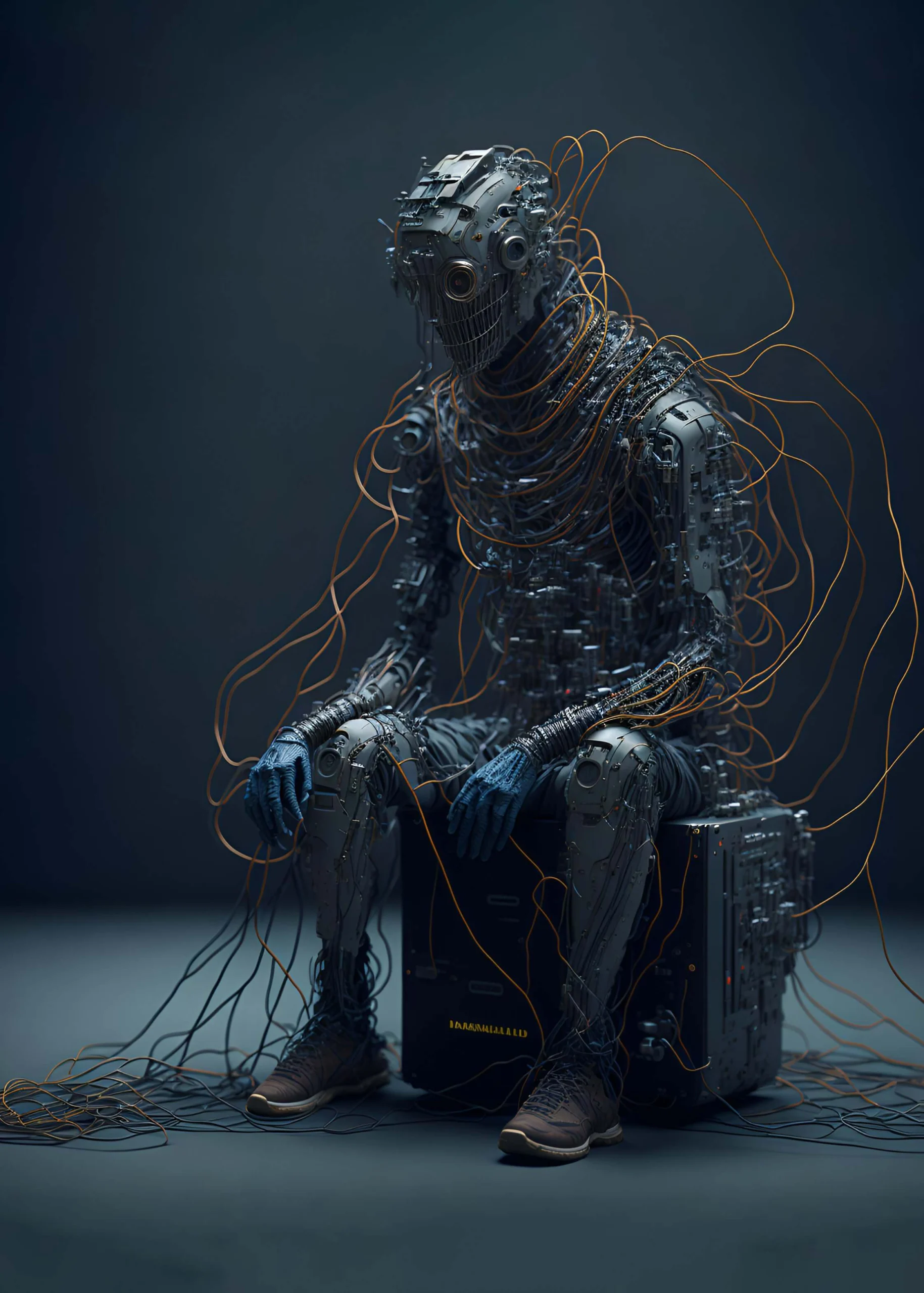
Moreover, the convergence of AI and blockchain could birth NFTs that exhibit adaptive, autonomous behaviors reflective of their anthropomorphic traits, blurring lines between ownership, interaction, and co-creation. This evolution promises to reconfigure value frameworks, embedding anthropomorphic NFTs more deeply into digital identity and experience economies.
In conclusion, anthropomorphism profoundly impacts the collectibility of NFTs by enhancing emotional connection, fostering storytelling and community, driving market demand through rarity, embedding cultural significance, and harnessing technological innovation. As the NFT domain matures, the humanization of digital assets will remain a compelling force shaping the future of digital collectibles.