Have you ever caught yourself saying the stock market is “nervous,” “angry,” or “optimistic”? Why do we so readily attribute human emotions and intentions to something as impersonal and complex as the market? This playful tendency to anthropomorphize the stock market raises an intriguing challenge: does personifying a system made up of algorithms, numbers, and massive human interactions help us understand it—or does it obscure the reality beneath the surface? Exploring why humans imbue the stock market with human-like qualities reveals profound insights into our psychology, communication patterns, and decision-making frameworks.
The Innate Human Drive to Anthropomorphize
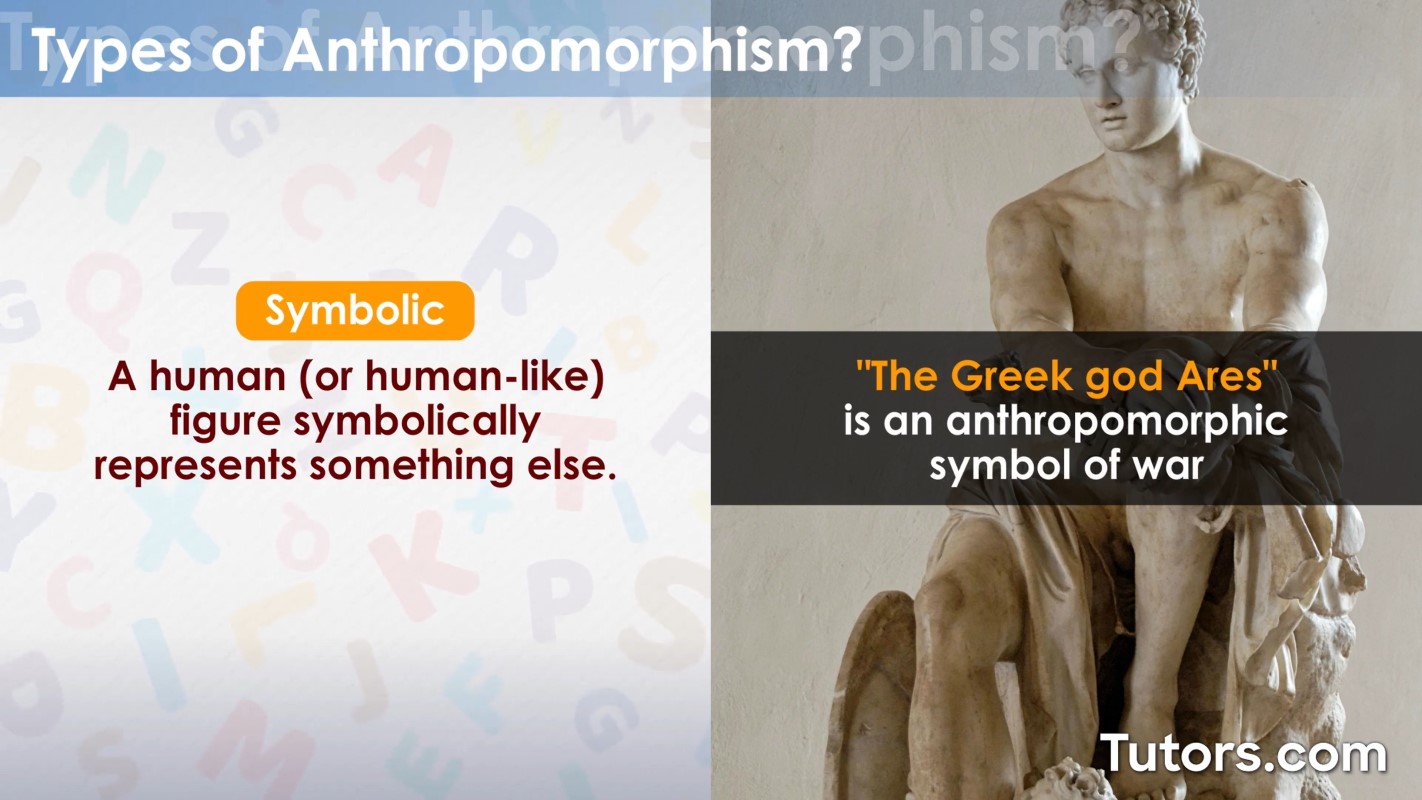
Anthropomorphism—the attribution of human traits, emotions, or intentions to non-human entities—is a deeply ingrained cognitive shortcut. Evolutionarily, it emerged as a survival mechanism; recognizing agency and intention quickly could mean the difference between evading danger or falling prey to it. This predisposition does not stop at recognizing sentient beings; it extends into realms of inanimate objects, natural phenomena, and, notably, abstract constructs like financial markets.
The stock market, with its dramatic fluctuations and unpredictable outcomes, prompts people to seek familiar narratives to grasp its capricious nature. Humans crave coherence and emotional resonance in their understanding of the world. By imagining the market as a living entity—reactive, willful, and vibrant—we transform a chaotic system into a storyline replete with characters and plot twists. This narrative scaffolding helps ease the cognitive burden of processing complex financial data and volatility.
Language as the Vessel of Market Personification
Language plays a pivotal role in shaping how we conceptualize abstract systems. The lexicon of finance is rich with metaphors that implicitly humanize the market. Terms like “bulls” and “bears” evoke animalistic battles, while phrases such as “market confidence,” “investor fear,” and “market sentiment” suggest that the market itself is capable of feeling and responding emotionally.
This metaphorical language simplifies communication by rendering market dynamics relatable and vivid, yet it also frames our understanding in a way that might encourage emotional decision-making rather than analytical reflection. The challenge lies in discerning when these linguistic shortcuts facilitate comprehension and when they inflate biases or irrational behaviors.
The Psychological Comfort of Personification Amid Uncertainty
Financial markets epitomize uncertainty, volatility, and complexity—factors that often instill anxiety and helplessness. By anthropomorphizing the market, investors impose a semblance of order and intention onto what might otherwise feel like random chaos. This projection of agency creates an illusion of predictability and control.
For instance, believing that the market can “punish” or “reward” your actions provides a psychological framework in which outcomes seem contingent on behavior rather than fate or randomness. This sense of agency bolsters confidence, guiding investment choices and risk tolerance. However, the seductive comfort of personification can lull investors into overestimating their capacity to influence or anticipate market movements, potentially exacerbating impulsive or dogmatic behavior.
The Market as a Mirror of Collective Human Behavior
Behind the impersonal façade of indices and price charts lies an intricate web of human decisions, emotions, and interactions. From this perspective, treating the market as if it has personality traits is not entirely divorced from reality—it is a reflection of aggregated human psychology and sociopolitical forces.
The stock market’s seemingly “mood-driven” swings often correspond to collective behaviors such as fear, greed, or euphoria. Consequently, the metaphor of a “nervous market” encapsulates genuine patterns of trader sentiment and herd mentality. This collective consciousness manifests itself in ways that can feel almost sentient—shifting rapidly in response to news, rumors, and world events.
However, while this characterization captures aspects of market dynamics, it risks overlooking the substantial role that algorithmic trading, regulatory policy, and structural factors play. The challenge is balancing the metaphor’s intuitive appeal with an awareness of the market’s multifaceted composition.
Cognitive Biases Reinforced by Market Anthropomorphism
While personification serves as a cognitive aid, it also gives rise to pernicious biases. One such bias is the gambler’s fallacy—the belief that the market “owes” a correction after a series of gains or losses, almost as if it had intentions or a consciousness to settle scores.
Similarly, framing the market as a sentient entity amplifies attribution biases. Investors might overly attribute outcomes to the market’s “mood” rather than to underlying economic indicators or geopolitical events. This externalization impairs accountability and can fuel superstition or herd-driven behavior, leading to systemic risk accumulation and market bubbles.
Tackling these biases requires conscious effort to recognize when anthropomorphic thinking misguides, and to supplement intuition with rigorous analysis and skepticism.
The Cultural Dimension: How Societies Shape Market Personification
Not all cultures anthropomorphize the stock market in the same way. Cultural attitudes toward agency, fate, and uncertainty frame how market movements are described and interpreted. In some societies, market fluctuations might be described as manifestations of luck, karma, or collective emotional states, while others emphasize calculated strategies and mechanical processes.
This cultural variability influences investment behaviors, communication styles, and regulatory approaches. For instance, narratives framing the market as a capricious character might foster more speculative behavior, while more mechanistic views could encourage systematic, rules-based investing.
Appreciating these cultural nuances uncovers how personification is not merely a psychological quirk but a dynamic interaction between cognition, language, and societal values.
Conclusion: Navigating the Playful Challenge
Personifying the stock market is a double-edged sword. On one hand, it injects life into abstract, intimidating data, making it accessible and emotionally resonant. On the other, it risks simplifying a highly complicated system and encourages cognitive biases that may compromise sound judgment.
Recognizing this nuanced challenge demands a delicate balance: embracing the vivid metaphors that help us engage with market dynamics, while remaining vigilant against their seductive illusions. Ultimately, the playful question—why do we anthropomorphize the stock market?—is also a profound invitation to deepen our understanding of how humans relate to uncertainty, complexity, and the systems that shape our lives.