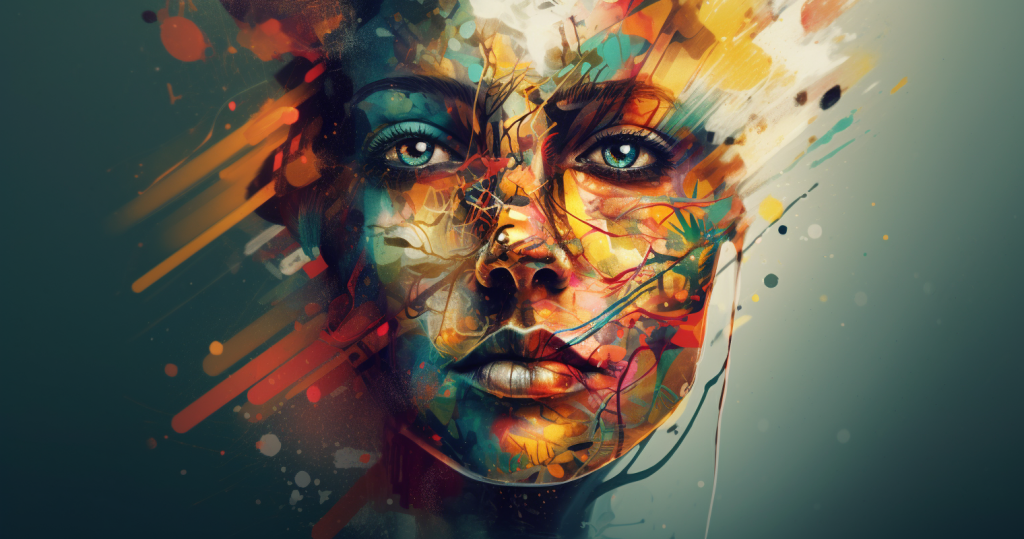
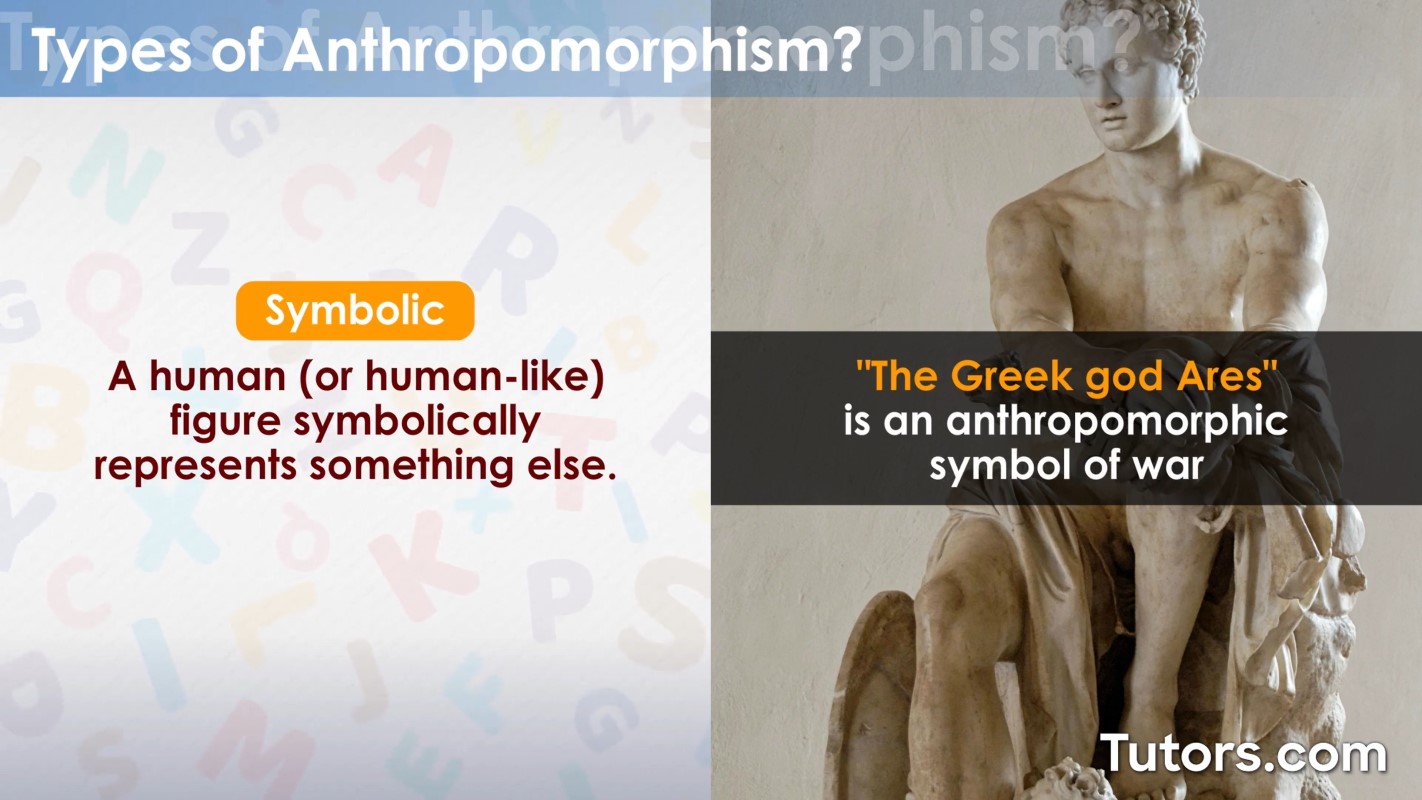
In an era shaped by rapid technological advancements, the intersection of artificial intelligence and human psychology has given birth to a captivating phenomenon: anthropomorphism in AI diagnostics. This confluence is more than a mere technological quirk; it taps into the intricate tapestry of human cognitive predispositions, emotions, and cultural narratives. Anthropomorphizing diagnostic AI systems—imbuing them with human-like qualities—is not just a superficial design choice. It reflects a profound human inclination to seek familiarity and trust in tools meant to navigate the complexities of health, risk, and disease. Yet, this pervasive tendency raises nuanced ethical dilemmas, urging us to interrogate the implications of attributing sentience or empathy to inherently mechanical processes.
The Psychological Underpinnings of Anthropomorphism in AI Diagnostics
At the heart of this pervasive phenomenon lies a psychological impulse: humans instinctively ascribe human characteristics to non-human agents to bridge gaps in understanding and emotional connection. When encountering an AI diagnostic tool, patients and even clinicians often unconsciously project intentions, feelings, or consciousness onto the system. This anthropomorphic lens serves as a cognitive heuristic, simplifying the convoluted processes of algorithms into digestible, personified narratives. The complexity of medical AI—replete with data analytics, probabilistic reasoning, and machine learning—can be alienating. Anthropomorphism acts as an accommodation strategy, tempering uncertainty with illusion of relational engagement.
However, this psychological comfort can inadvertently propagate misconceptions. It fosters an illusion of empathy and moral agency within AI diagnostic systems, despite their fundamentally deterministic and statistical nature. Such perceptual distortions warrant critical examination, as they shape user expectations, trust dynamics, and ultimately, decision-making processes in the medical milieu.
Ethical Complexities Surrounding Trust and Accountability
In clinical environments, trust constitutes a cornerstone for effective healthcare delivery. The seductive veneer of human-like AI interfaces can foster an exaggerated trust—placing confidence in machines beyond warranted boundaries. While trust in AI can enhance user adherence and acceptance of technology, its basis on anthropomorphic bias is ethically precarious. It obscures the layered accountability of AI outputs, potentially diverting responsibility from human overseers to inscrutable algorithms.
This diffusion of accountability raises profound ethical questions. If a diagnostic AI, perceived as empathetic and infallible, commits an error, who bears the moral and legal burden? Anthropomorphism can blur lines between creator, operator, and tool, complicating liability. Furthermore, deceptive anthropomorphic design can exploit vulnerabilities—particularly in vulnerable patient populations—by engendering excessive reliance or diminishing critical vigilance.
Anthropomorphism and the Illusion of Empathy in Clinical AI
Empathy is a cornerstone of therapeutic relationships, fostering rapport, reassurance, and shared decision-making. AI diagnostic systems, stripped of consciousness and affect, cannot genuinely experience or express empathy. However, anthropomorphic cues—such as conversational agents with human-like voices, facial avatars, or emotionally responsive dialogue—simulate empathetic behavior, creating an almost theatrical experience.
While this simulation can augment user engagement and diminish anxiety, it also risks engendering a dissonance between perceived and actual support. Patients may feel understood and comforted on the surface, yet the underlying AI remains incapable of true empathy, which encompasses moral sensitivity, contextual judgment, and authentic emotional resonance. The ethical tension here lies in balancing the utility of empathetic simulation with transparency about the AI’s mechanistic limitations.
The Danger of Misplaced Reliance in AI Diagnostic Outputs
Anthropomorphism can engender an unwarranted confidence in AI-generated diagnoses. People tend to anthropomorphize things they find relatable or familiar; when an AI diagnostic tool presents its findings through a human-like interface or tone, individuals may implicitly equate its “judgments” with those of a seasoned clinician. This dynamic risks overshadowing the essential critical scrutiny necessary in medical decision-making.
Such misplaced reliance can propagate misdiagnoses, delayed treatments, or overconfidence in probabilistic outputs that remain inherently uncertain. Particularly in complex diagnostics, nuanced symptoms and contextual variables are often beyond the full grasp of current AI capabilities. The ethical imperative is to ensure that anthropomorphism does not cloud the awareness of AI’s role as a support instrument rather than a definitive arbiter of medical truth.
Educational Dilemmas: How Anthropomorphism Shapes Perceptions of AI Capabilities
In both public and professional domains, anthropomorphism shapes narratives about AI, molding expectations and comprehension. When AI diagnostics are personified, they can appear deceptively advanced or sentient, which complicates educational efforts aimed at fostering a realistic understanding of AI’s strengths and limitations.
Educators face the challenge of disentangling fascination driven by anthropomorphic design from critical literacy about AI. Without appropriate framing, learners may develop exaggerated beliefs in AI’s autonomy or ethical reasoning faculties. This predicament underscores a broader tension: leveraging anthropomorphism to increase accessibility and engagement while simultaneously cultivating accurate technical and ethical literacy.
Guiding Principles for Ethical Design of Anthropomorphic AI Diagnostics
Addressing the ethical concerns inherent in anthropomorphism demands a deliberate and principled approach to AI diagnostic design. Transparency is paramount; AI systems should clearly communicate the mechanistic and probabilistic nature of their outputs, avoiding any suggestion of sentience or moral agency. Interfaces can employ anthropomorphic elements that foster comfort and approachability but must be coupled with explicit disclaimers or contextual information.
Furthermore, participation of multidisciplinary stakeholders—including ethicists, clinicians, psychologists, and patient advocates—in design processes can ensure that anthropomorphism enhances usability without compromising ethical integrity. Critical emphasis should also be placed on fostering human oversight and preserving the clinician’s central responsibility for interpretation and decision-making.
Cultural Nuances and the Global Dimensions of Anthropomorphism in AI
Anthropomorphism does not manifest uniformly across cultures. Cultural narratives, mythologies, and societal attitudes toward technology influence how AI diagnostics are perceived and personified. In some cultures, attributing human traits to machines can evoke trust and acceptance; in others, it may provoke skepticism or ethical unease.
Global deployment of AI diagnostic tools thus requires a sensitive calibration to cultural contexts, avoiding one-size-fits-all design philosophies. Understanding these cross-cultural nuances enriches ethical reflection and contributes to more equitable and respectful AI implementations worldwide.
Conclusion: Navigating the Ethical Labyrinth of Anthropomorphism in AI Diagnostics
The interplay between anthropomorphism and AI diagnostics presents a labyrinth of ethical considerations—rooted in deep psychological tendencies yet fraught with practical and moral ramifications. Its seduction lies in providing human semblance to intangible, complex technologies; its peril emerges when this semblance distorts truth, accountability, and trust. As AI continues to weave itself into the fabric of modern medicine, vigilance is required to harness the benefits of anthropomorphic design while steadfastly guarding against its ethical pitfalls. Ultimately, the future of AI diagnostics must be guided by transparency, responsibility, and a nuanced appreciation of the human-machine relationship that transcends mere mimicry.