Anthropomorphism—the attribution of human traits, emotions, or intentions to non-human entities—has long captivated the collective imagination. This tendency pervades literature, art, and everyday conversations. Yet, its subtle infiltration into the realm of intellectual property (IP) is both intriguing and consequential. The interplay between anthropomorphism and intellectual property uncovers profound implications about how humans interact with inventions, brands, and creative works. The common observation of anthropomorphizing logos, patents, or even abstract IP concepts reveals a deeper cognitive and cultural fascination that shapes our legal, commercial, and emotional engagements with innovation and creativity.
The Ubiquity of Anthropomorphism in Intellectual Property
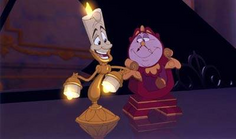
From brand mascots to trademarked characters, intellectual property is routinely bestowed with human-like personas. This is not merely a whimsical exercise; it is a strategic endeavor that cultivates emotional resonance and consumer loyalty. Logos become characters, patents become guardians of innovation, and even corporate mascots embody distinct personalities. Such personification simplifies complex legal and commercial abstractions, making IP more relatable and approachable to the general public. As a result, these anthropomorphic representations influence how consumers perceive brand authenticity, trustworthiness, and overall value.
Moreover, this anthropomorphic tendency serves as a conduit for storytelling, infusing lifeless legal constructs with narratives that captivate and persuade. It’s not uncommon for companies to describe their inventions or brand ethos in human terms: “Our technology learns” or “the character stands for bravery.” These rhetorical strategies transform intangible rights into living entities, fostering identification and attachment.
Psychological Foundations Underpinning Anthropomorphism in IP
At the heart of anthropomorphism in intellectual property lies a psychological imperative: humans naturally seek connection and comprehension through familiar frameworks. The cognitive bias known as the “theory of mind” enables individuals to project thoughts, intentions, and emotions onto the unfamiliar. This projection simplifies the ambiguous nature of IP, which is often abstract, complex, and difficult to visualize.
Neuroscientific studies reveal that when people anthropomorphize brands or inventions, areas of the brain associated with social cognition activate similarly as they do for real human interactions. This neural mirroring facilitates empathy, allegiance, and moral judgment toward what might otherwise seem inert or purely transactional. Consequently, anthropomorphism is not simply a superficial façade but a deeply ingrained mode of relating that influences decision-making and valuation within IP frameworks.
Legal Implications of Anthropomorphism in Intellectual Property
Anthropomorphic representations in intellectual property can have surprising implications for how laws are interpreted and enforced. Courts occasionally grapple with the personification of IP, especially when trademarks involve characters or logos with human traits. These personified marks often garner heightened protection as they transcend mere symbols and become carriers of identity and reputation.
Moreover, anthropomorphism sometimes blurs legal boundaries. For instance, when characters or inventions are imbued with agency or personality, questions arise concerning ownership rights, moral rights, and the extent of permissible exploitation. These legal complexities compel practitioners to navigate an evolving landscape where human characteristics attributed to IP assets demand nuanced interpretation and governance.
Marketing and Commercial Dynamics Fueled by Anthropomorphic IP
In the fiercely competitive marketplaces of today, anthropomorphic intellectual property functions as a powerful differentiator. Companies assign human qualities to their brands and inventions to evoke empathy, reinforce narratives, and stimulate consumer attachment. Iconic examples include animated brand mascots who “speak” directly to audiences, and patented technologies described in humanistic language to foster a sense of innovation as a living, breathing force.
This humanization creates a memorable brand identity that stands out amidst a sea of commoditized goods and services. It taps into primal psychological drivers, such as social bonding and storytelling, to cultivate brand loyalty and advocacy. The strategic anthropomorphizing of IP consequently elevates its commercial presence, transforming mundane protections of creative work into living entities within consumer culture.
Cultural Resonance and Societal Reflections
Anthropomorphism in intellectual property also echoes broader cultural narratives about creativity, ownership, and human ingenuity. Societies have long mythologized inventions and art as extensions of human spirit, imbued with intrinsic life and agency. Through anthropomorphizing IP, we externalize and celebrate this mythos, positioning creative works as living testaments to human brilliance.
This cultural phenomenon is especially pronounced in the digital age, where AI-generated works, virtual assistants, and interactive media often are framed as quasi-human collaborators or creators. The blurring lines between human and machine invite ongoing dialogue about identity, creativity, and moral responsibility within IP paradigms, reflecting society’s evolving relationship with technology and invention.
Controversies and Ethical Considerations
Despite its allure, anthropomorphism in intellectual property is not without critique. Some argue that personifying IP can obscure the underlying economic and ethical realities. The emotional attachment cultivated by anthropomorphism may lead to inflated valuations, monopolistic behaviors, or hinder objective assessment of innovation.
Moreover, when legal rights hinge on personality-like traits, questions of authenticity and manipulation arise. Who truly ‘owns’ a character or technology that seems to possess agency? The ethical dimensions extend to the digital realm as well, where anthropomorphic AI-generated content complicates attribution, originality, and accountability. These debates underscore the need for critical scrutiny of anthropomorphism’s role in shaping IP norms and practices.
Future Directions and Evolving Paradigms
As technology advances and the boundaries between human and non-human agency blur, anthropomorphism within intellectual property will likely grow more salient and complex. Emerging fields like synthetic media, virtual reality, and autonomous systems challenge traditional conceptions of authorship and ownership, making the humanization of IP both a tool and a potential source of ambiguity.
Innovators, legal experts, and marketers will need to reconsider how anthropomorphic narratives shape perceptions and policies. This introspection may inspire more sophisticated frameworks that balance emotional engagement with clarity, fairness, and adaptability. Ultimately, acknowledging the deep-seated human urge to personify will remain pivotal in understanding and harnessing intellectual property’s multifaceted dimensions.
In sum, the phenomenon of anthropomorphism in intellectual property transcends mere novelty. It reveals an intrinsic human impulse to infuse legal and commercial abstractions with life-like qualities, fostering connection and comprehension. Recognizing and thoughtfully engaging with this impulse offers richer insights into how we value, protect, and interact with the manifold creations that shape our world.