In the vast and ever-evolving landscape of digital communication, memes have emerged as a potent cultural phenomenon. Among the myriad forms they take, those featuring anthropomorphic animals hold a particularly compelling place. These memes, which attribute human characteristics, emotions, or intentions to animal figures, captivate audiences in unique ways. But why do creators and consumers alike gravitate toward this blend of human and animal traits? Exploring this question reveals a multifaceted interplay of psychological appeal, artistic expression, and social commentary.
The Cognitive Appeal of Anthropomorphism in Memes
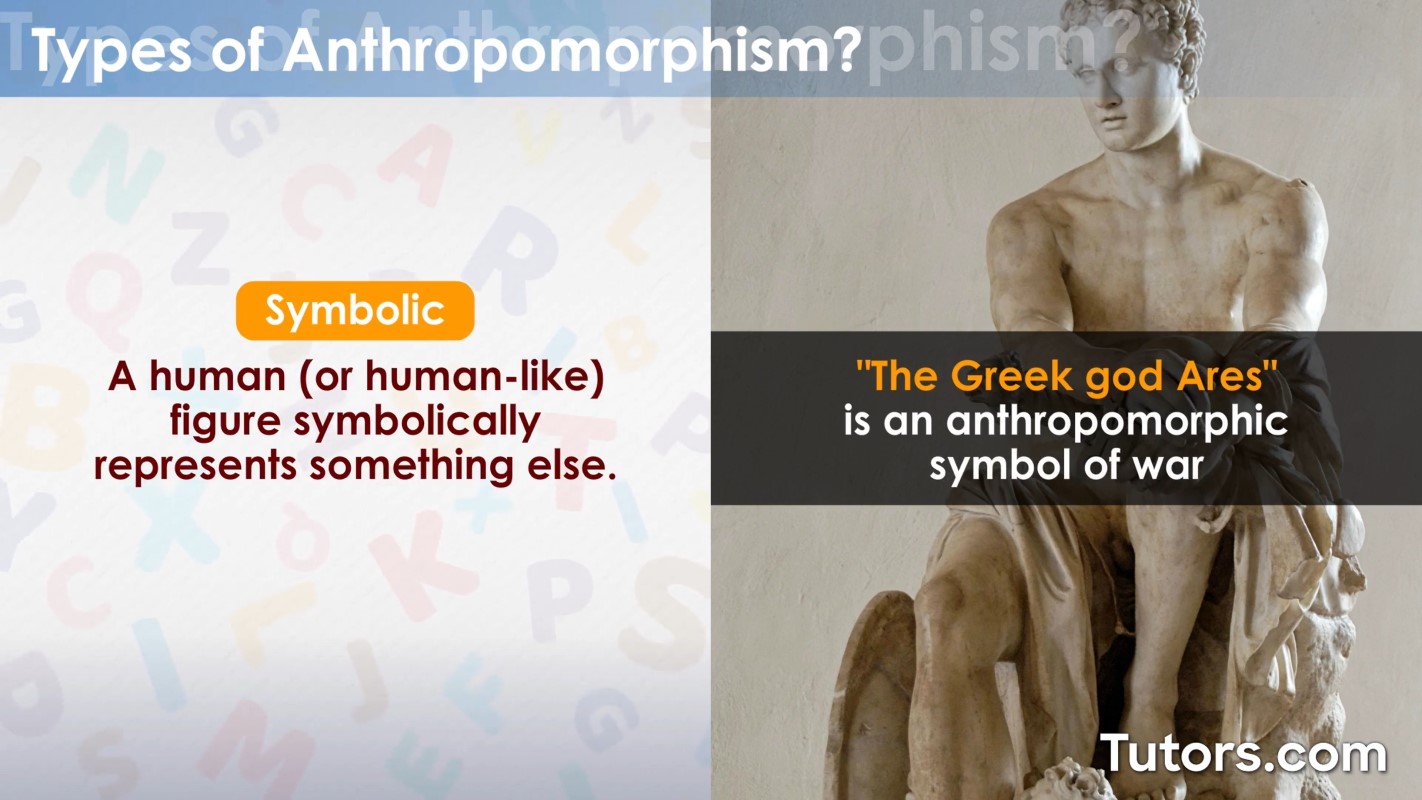
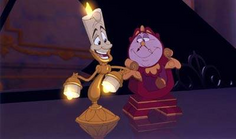
At the core, anthropomorphism taps into a fundamental human tendency: the projection of human qualities onto non-human entities. This cognitive bias makes it easier for individuals to relate to animals depicted with recognizable human expressions, gestures, or behaviors. When memes utilize anthropomorphic animals, they bridge abstract emotions and social concepts with accessible, relatable imagery. The animal, while retaining its distinctive species traits, acts almost as a proxy for the human experience. This hybridization provides mental shortcuts that facilitate deeper emotional resonance and humor.
For example, an image of a forlorn fox might instantly evoke sympathy or melancholy without the need for detailed exposition. Similarly, a mischievous cat depicted in a business suit might conjure feelings of irony or critique toward corporate culture. The anthropomorphic element thus serves as a cognitive conduit, enabling complex emotional states and narratives to be conveyed with economy and clarity.
Varieties of Anthropomorphic Animal Memes
Within the realm of anthropomorphic memes, a diverse taxonomy exists, catering to differing tastes and communicative intents. Understanding these varieties offers valuable insights into the content consumers can expect:
- Emotionally Expressive Animals: These memes often feature animals with exaggerated human facial expressions or body language, designed to elicit empathy or humor. They transform everyday emotions—such as frustration, joy, or confusion—into universally recognizable scenarios. This type often thrives on relatability, using familiar emotional tropes to foster community and shared experience online.
- Satirical or Parodic Use: Anthropomorphic animals serve as ideal vehicles for satire, enabling creators to lampoon societal structures, cultural phenomena, or political issues obliquely. The playful absurdity of animals commenting on human affairs softens the critique, making it more palatable while retaining poignancy. Memes of this nature frequently incorporate anthropomorphic animals in roles such as leaders, workers, or celebrities, using humor to highlight inconsistencies or hypocrisies.
- Fictional or Narrative-Driven Memes: Some memes build miniature storylines or portray characters drawn from established or original anthropomorphic animal universes. These often include recurring personas who undergo humorous predicaments or symbolic adventures. The serialized aspect fosters audience investment and community engagement, as followers anticipate subsequent iterations or relate the characters’ experiences to their own lives.
- Surreal or Absurdist Variants: Certain anthropomorphic memes embrace randomness and illogic, juxtaposing animal figures with incongruous human settings or behaviors. This dissonance creates a distinctive comedic effect that appeals to niche audiences appreciative of absurdity. These memes may feature animals engaging in inconceivable tasks or speaking in cryptic phrases, challenging conventional narrative expectations.
Artistic and Cultural Dimensions of Anthropomorphic Memes
Beyond their humorous or emotive functions, anthropomorphic animal memes frequently exhibit artistic ingenuity rooted in longstanding cultural traditions. Anthropomorphism has permeated human storytelling since antiquity, from mythological creatures to fables featuring talking animals. Contemporary meme culture inherits and repurposes these archetypes, blending them with modern sensibilities and digital aesthetics.
The artistic rendering of animals in memes varies widely—from rudimentary, hand-drawn sketches to sophisticated digital composites that borrow elements from animation and graphic design. This diversity reflects a democratization of expression, allowing creators of varying skill levels to participate in meme creation and dissemination. Additionally, the visual style often informs the meme’s tone: softer, rounder animal depictions tend to evoke warmth and approachability, while sharper, more stylized forms can add an edge of irony or critique.
Furthermore, cultural context influences the selection of species and traits. Certain animals carry ingrained symbolic meanings—foxes as cunning, owls as wise, dogs as loyal—that memes exploit to imbue additional layers of understanding. This interplay between visual symbolism and anthropomorphic attributes creates rich semiotic textures that enhance interpretive depth.
Psychological Functions Served by Anthropomorphic Memes
Anthropomorphic memes fulfill several psychological functions that contribute to their popularity:
- Social Connection and Identity Formation: Engaging with memes featuring humanized animals often fosters a sense of belonging and shared understanding among like-minded individuals. They can act as social lubricants, facilitating dialogue and camaraderie within digital communities.
- Emotional Catharsis and Coping: These memes provide outlets for expressing and processing complex emotions humorously or empathetically. For example, memes featuring tired, disheveled animals might mirror viewers’ own exhaustion, normalizing mental health struggles and promoting resilience through relatability.
- Intellectual Engagement and Subversion: The use of anthropomorphic animals offers subtle means to question social norms, challenge authority, or satirize contemporary issues. Their playful detachment enables controversial topics to be broached indirectly, reducing defensiveness and encouraging reflection.
Why Certain Animals Become Meme Icons
Not all animals achieve equal meme status. The selection process is nuanced, involving factors such as physical expressiveness, cultural significance, and perceived personality. Dogs and cats dominate due to their historical companionship with humans and recognizable expressions. Meanwhile, more exotic or unexpected choices, such as llamas or hedgehogs, infuse novelty and whimsy.
Moreover, internet subcultures often elevate particular animals to iconic positions—consider the proliferation of the “Doge” Shiba Inu or “Pepe the Frog.” These figures develop semi-independent mythologies, symbolic repertoires, and complex fanbases. Their anthropomorphic traits become essential markers of identity within digital communities, transcending the memes themselves.
Conclusion: The Enduring Allure of Anthropomorphic Animal Memes
Anthropomorphic animal memes occupy a dynamic intersection of cognition, culture, and creativity. They harness the human propensity for empathy and symbolic thought, allowing individuals to communicate, critique, and connect with immediacy and nuance. By transforming animals into lenses through which human experience is refracted, these memes create vivid, accessible, and multilayered content that resonates across demographics and geographies. As digital culture continues to evolve, the versatility and emotive power of anthropomorphic animal memes ensure they will remain a staple of online expression and social commentary.