In the vast and ever-evolving landscape of the internet, anthropomorphic mascots have emerged as compelling conduits for brand identity, user engagement, and emotional resonance. These digitally embodied personas wield a peculiar psychological allure, blending human traits with animalistic or fantastical characteristics, thus prompting a reconsideration of the traditional boundaries between human interaction and digital experience. Unearthing the psychological underpinnings reveals a transformative shift not merely in marketing strategy, but in how people cognitively and emotionally interface with the virtual world.
The Innate Human Attraction to Anthropomorphism
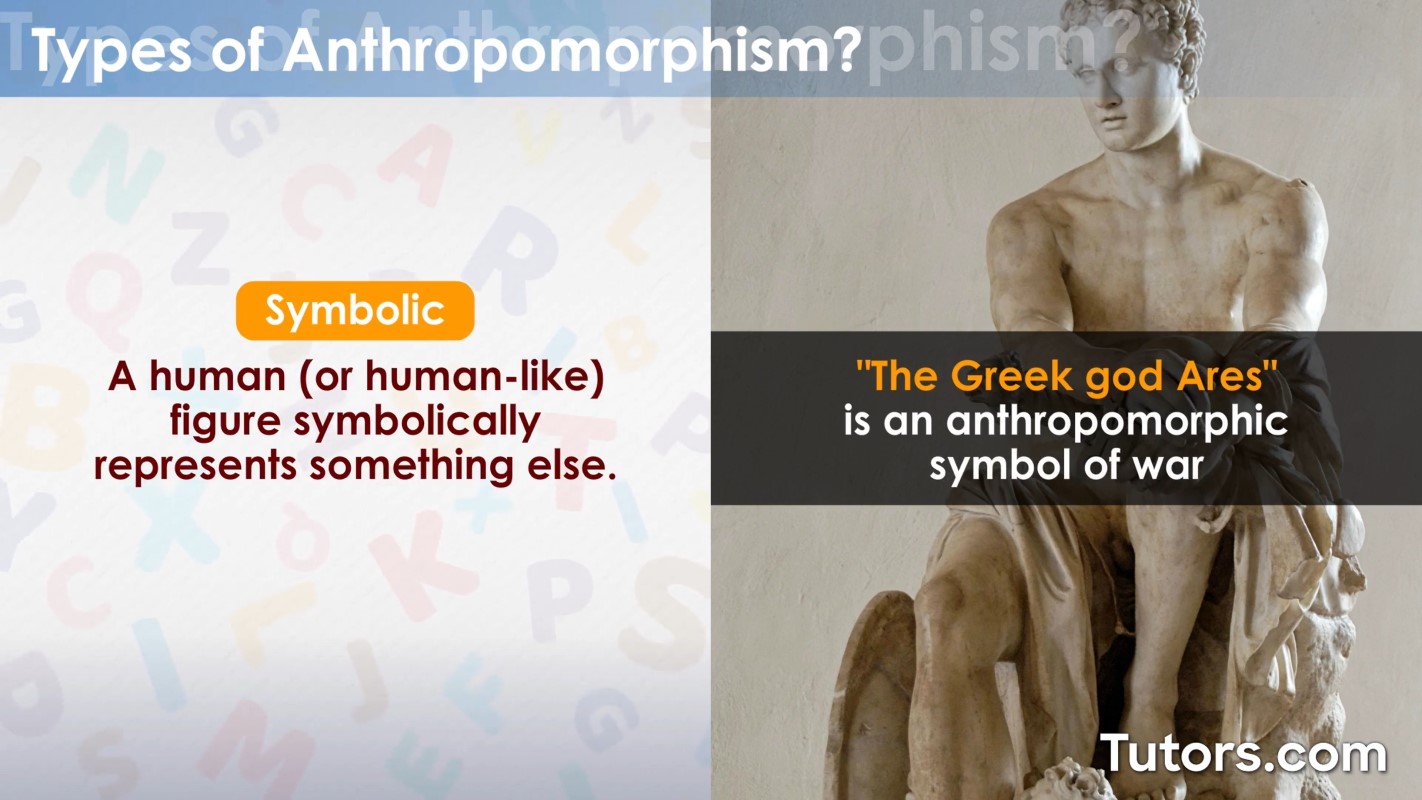
Anthropomorphism—the attribution of human characteristics to non-human entities—triggers profound cognitive and affective responses. From childhood, humans have an intrinsic tendency to personify objects and animals, a mechanism rooted deeply within evolutionary psychology. This inclination facilitates social bonding and emotional connection, even with otherwise inanimate digital constructs. Internet mascots cleverly capitalize on this primal impulse, serving as relatable avatars that bridge the chasm between cold data and warm interaction. They evoke empathy by exhibiting recognizable emotions, gestures, or quirks that invite users to engage on a personal level, transforming abstract brands into perceived companions or acquaintances.
Symbolism and Semiotics Embedded in Mascot Design
The visual and conceptual construction of anthropomorphic mascots transcends mere aesthetics; it is a semiotic symphony laden with symbolism. Designers infuse mascots with specific traits to evoke cultural archetypes or subconscious associations. For instance, a rabbit clad in a suit might subtly communicate agility coupled with professionalism, blending familiarity with aspirational identity. These semiotic cues serve as cognitive shortcuts, enabling viewers to instantly decode a brand’s values, personality, or promise. Such symbols resonate across diverse demographics by tapping into shared cultural narratives or mythologies, thus enhancing memorability and emotional impact.
The Role of Emotional Contagion in Digital Mascots
Anthropomorphic mascots wield a unique capacity for emotional contagion — the phenomenon where observed emotions induce similar feelings in others. Through animated expressions, dynamic body language, and interactive behaviors, these digital ambassadors simulate lifelike emotive states. This engenders trust, comfort, and in some cases, a sense of loyalty as users begin to perceive the mascot as a sentient entity capable of understanding and sympathizing with their needs. In a digital environment often criticized for its impersonal nature, mascots act as emotional conduits, softening the transactional landscape into a more intimate, humanized experience.
Cognitive Fluency and User Engagement
Cognitive fluency refers to the ease with which information is processed. Anthropomorphic mascots enhance fluency by providing familiar, human-like cues that simplify the cognitive load for users. The animation or design of a mascot offers intuitive feedback, guiding users through complex interfaces or reinforcing brand messaging without requiring extensive conscious analysis. This seamless processing reduces friction, promoting longer engagement and enhanced recall. As a result, mascots become trusted navigators within digital ecosystems, subtly influencing decisions and fostering habitual interactions.
The Paradox of Familiarity and Novelty
Effective anthropomorphic mascots strike a delicate balance between the familiar and the novel. They incorporate archetypal elements that users instinctively recognize, which in turn breeds comfort and predictability. Simultaneously, subtle idiosyncrasies and creatively exaggerated traits ignite curiosity, compelling users to explore further. This interplay between expectation and surprise maximizes emotional and cognitive stimulation, sustaining interest over time. Such paradoxical design principles reveal how mascots can continuously evolve in resonating with a dynamic audience while retaining their core identity.
Anthropomorphism as a Tool for Social Connection in Virtual Spaces
Beyond commercial utilization, anthropomorphic internet mascots function as social catalysts in virtual environments. They facilitate community formation by embodying shared values or humor, acting as rallying points around which users coalesce. Mascots can diffuse social tension, inject levity, or even personify collective aspirations and frustrations. This social utility expands the mascot’s psychological impact, transcending individual user engagement to foster belongingness and identity in digital tribes. The mascot thus becomes a symbolic leader, imbuing intangible online spaces with tangible human warmth and solidarity.
The Ethical Dimension and Psychological Implications
While anthropomorphic mascots offer myriad benefits, their psychological potency also raises ethical considerations. The deliberate evocation of empathy and trust can blur boundaries, potentially manipulating users’ emotions and decision-making subconsciously. This dynamic demands transparency and respect for user autonomy. Moreover, the overreliance on mascots may engender parasocial relationships—a one-sided connection where users attribute deeper intimacy to digital personas than is warranted. Understanding these psychological implications is crucial for responsible mascot deployment, ensuring they enhance rather than exploit human psychology.
Future Trajectories: From Static Mascots to Interactive Digital Companions
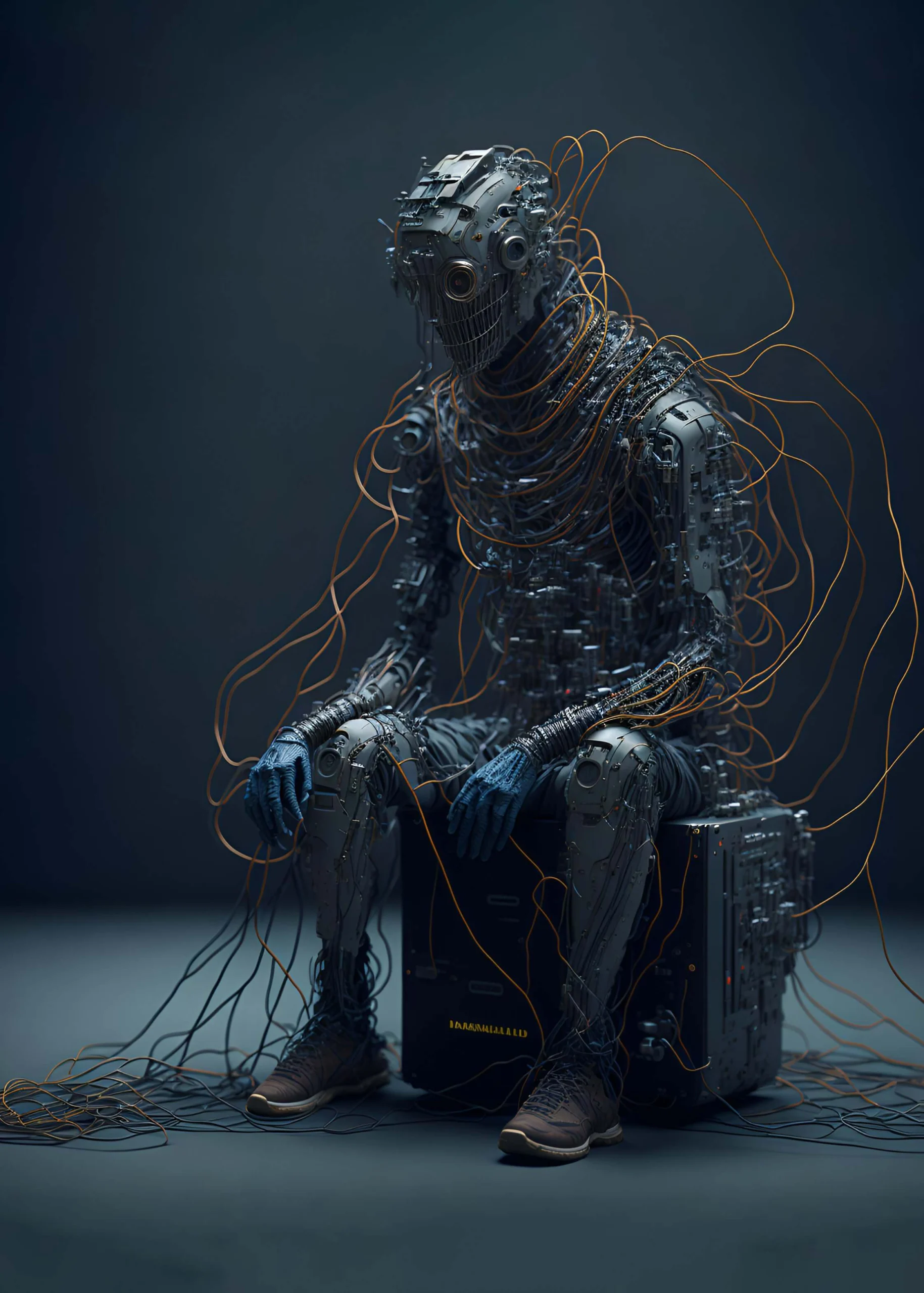
Emerging technologies such as artificial intelligence and augmented reality promise to metamorphose anthropomorphic mascots from static symbols into fully interactive digital companions. These entities will be capable of personalized communication, adaptive learning, and even emotional responsiveness tailored to individual users. This evolution hints at a future where the psychological boundaries between human and mascot dissolve further, redefining online engagement into a profoundly relational experience. Such a paradigm shift could transform not only marketing but also education, entertainment, and social interaction within the digital sphere.
The psychology of anthropomorphic internet mascots thus reflects a complex tapestry of instinct, symbolism, emotion, and cognition. They promise to recalibrate our digital relationships, not simply by representing brands or ideas but by fostering authentic psychological connections that challenge our perceptions of interaction and identity in the virtual age.