In the vast and often playful universe of internet culture, memes have emerged as a powerful medium for expression and connection. Among the myriad creative techniques employed within memes, the anthropomorphization of objects stands out as both a fascinating and ubiquitous phenomenon. This practice—endowing inanimate objects with human traits and emotions—does more than just provoke laughter; it promises a shift in our perception of the mundane, inviting us to reconsider the world around us through an imaginative and often poignant lens. Why do we find ourselves so irresistibly drawn to ascribing human characteristics to objects in memes? The answer lies deep within cognitive, emotional, and cultural strata.
The Cognitive Underpinnings of Anthropomorphizing Objects
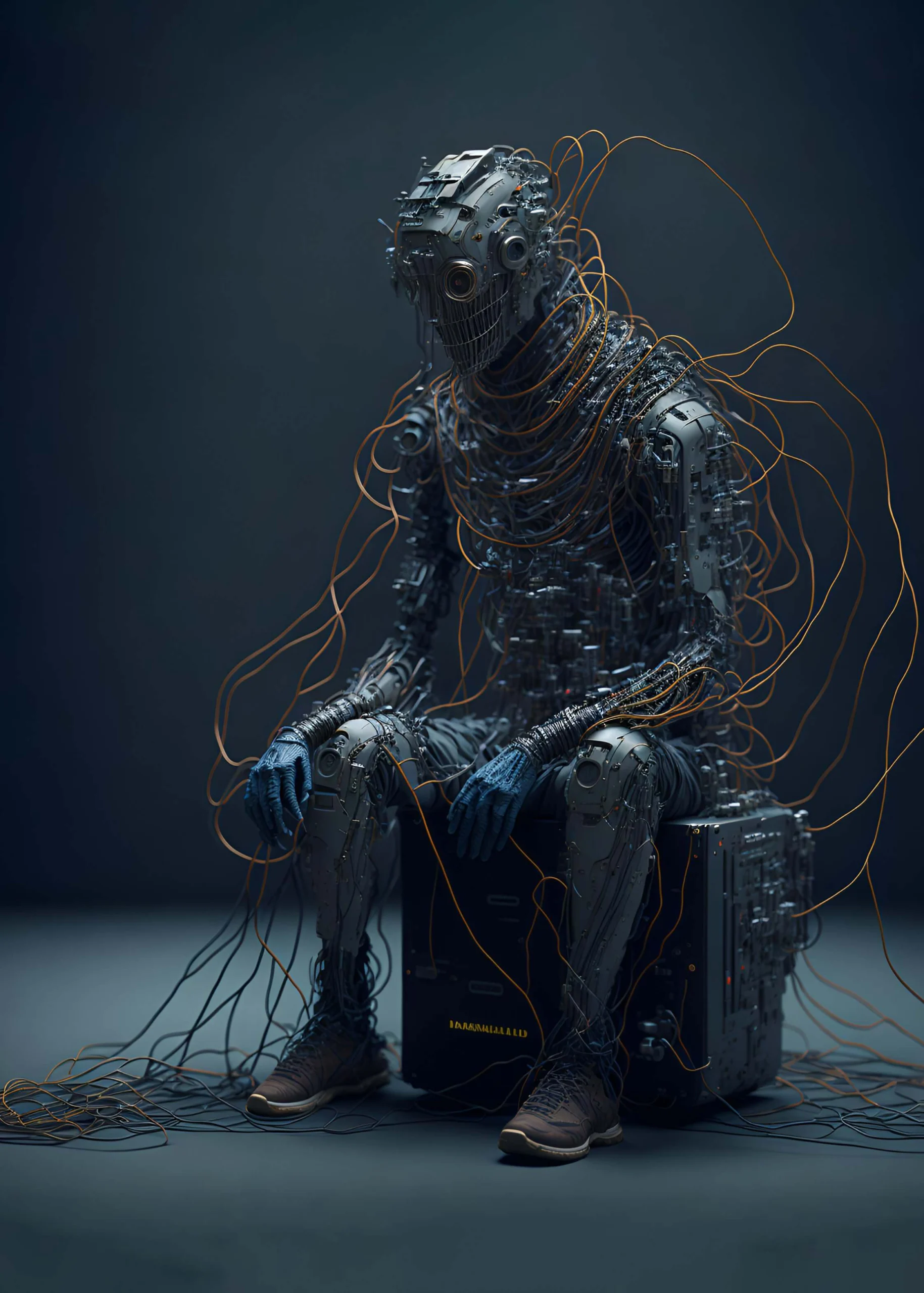
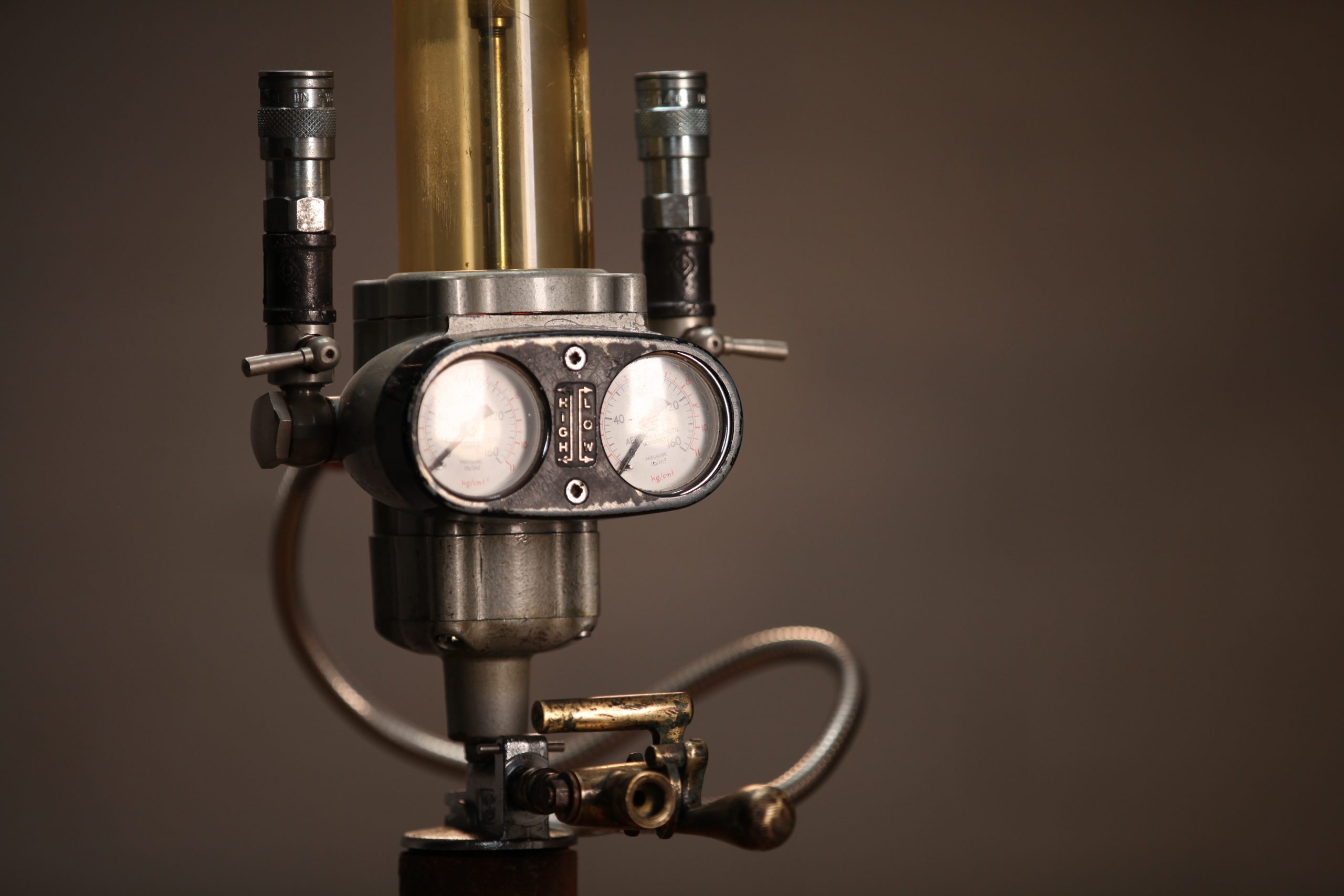
At its core, anthropomorphizing stems from a fundamental cognitive tendency known as “agent detection.” Human brains are wired to identify intentions and emotions, primarily as an evolutionary survival mechanism. This propensity doesn’t halt at other humans or animals; it extends indiscriminately even to objects devoid of life. By attributing awareness, desires, or feelings to chairs, smartphones, or sneakers within memes, the mind fills a void left by the inanimate nature of these entities.
This psychological mechanism simplifies complex environments by rendering them more relatable and easier to interpret. Through personification, objects are transformed from dull matter into agents within narratives, facilitating a quicker grasp of humor, sentiment, or critique presented in meme culture. Beyond cognitive ease, this mechanism fuels the meme’s viral potential by crafting instantly recognizable contextual cues laden with human experience.
The Emotional Resonance and Empathy in Meme Culture
Anthropomorphizing objects taps into a deep well of empathy, enabling individuals to externalize internal states via proxy entities. For instance, a meme depicting a forlorn coffee cup anticipating its morning ritual resonates because it channels human feelings of dependence, anticipation, or even existential angst. These anthropomorphic objects become emissaries for our own emotions, permitting reflection and emotional release in a lighthearted context.
The emotional connection formed through such memes is multifaceted. It can evoke nostalgia, humor, or a communal sense of understanding. By projecting feelings onto an object, the usually cold, indifferent world of possessions is imbued with warmth and relatability. This emotional transference enhances the impact and memorability of a meme, turning simple images into profound statements on human experience.
The Role of Cultural Narratives and Shared Context
Cultural context is an indispensable element underpinning anthropomorphism in memes. Objects represent more than their physicality; they serve as cultural symbols embedded with societal meanings. The anthropomorphized objects articulate shared narratives or social commentaries uniquely digestible via meme formats.
Consider the symbolic charge behind everyday items like a bureaucratic stapler depicted as a disgruntled office worker. This personification encapsulates collective frustrations surrounding corporate mundanity through a universally recognizable icon. Similarly, memes that animate objects embody archetypes familiar to specific subcultures or demographics, thereby reinforcing group identity and mutual comprehension.
In this light, memes act as vessels of cultural semiotics, where the humanization of objects becomes a shorthand for complex stories, critiques, or satire. They engage audiences in an intertextual dialogue, leveraging both the objects’ symbolic significance and the anthropomorphic twist to deepen resonance.
Humor as a Catalyst for Anthropomorphism in Memes
The comedic dimension of anthropomorphizing objects cannot be overstated. Humor thrives on surprise, incongruity, and relatability—all of which are heightened when unexpected human traits emerge in the context of familiar objects. This incongruity creates cognitive dissonance that triggers amusement, while relatability anchors the humor in shared human experience.
Meme creators exploit this dynamic expertly. An object assuming human motivations or engaging in dialogue often defies expectations; it juxtaposes life and lifelessness in a playful manner. This not only entertains but also diminishes barriers between people and the often impersonal environment, fostering a kind of whimsical kinship with the inanimate world.
The Philosophical and Existential Dimensions
Beyond humor and empathy, anthropomorphizing objects in memes can prompt profound philosophical contemplation. It nudges observers toward reconsidering the boundaries between subject and object, animate and inanimate, self and other. By breathing life into the lifeless, these memes challenge ontological assumptions about existence and consciousness in subtle, almost subliminal ways.
Such reimaginings invite a playful existential inquiry: if a meme can make us “feel” for a lonely toaster or a melancholic pencil, what does that reveal about the nature of feeling itself? It opens a portal to explore how meaning is constructed and how human consciousness routinely extends beyond itself to encompass the world. In an age increasingly characterized by technology and mediated experiences, this shift in perspective may hold significant implications for how we relate to—and find meaning in—the objects surrounding us.
The Social Dynamics and Collective Participation
Anthropomorphized object memes thrive in a social context where collective participation is key. These memes often invite viewers to project their own experiences onto the objects, fostering a sense of inclusion and shared understanding. The objects become canvases upon which individuals co-create meaning, blurring the traditional boundaries between creator and audience.
This communal dimension amplifies the meme’s impact. It turns solitary artifacts into living, evolving cultural phenomena. Through comments, variations, or reinventions, the anthropomorphized objects continue to accumulate layers of meaning and emotional weight, serving as ongoing forums for social dialogue and identity negotiation.
Conclusion: A Transformative Lens on the Ordinary
The anthropomorphization of objects in memes is far more than mere childlike whimsy or superficial humor. It is a complex interplay of cognitive adaptation, emotional expression, cultural coding, humor mechanics, philosophical pondering, and social engagement. This practice offers an extraordinary shift in perspective—one that transforms the ordinary into realms of rich significance, inviting curiosity about our deepest impulses to humanize, connect, and make sense of the world.
When we see a couch sulking in a meme or a grumpy slice of pizza lamenting its fate, we recognize ourselves in an unexpected mirror. These anthropomorphized objects beckon us to pause and contemplate not just their imagined lives, but our own place in an increasingly complex and mediated reality. In essence, through these playful yet potent digital vignettes, the mundane becomes magical.