In a world increasingly permeated by digital interactions and the relentless pace of modern life, the human psyche often finds itself grappling with an age-old conundrum: loneliness. This pervasive feeling, more nuanced and far-reaching than mere solitude, beckons an intriguing psychological mechanism to the fore—anthropomorphism. The attribution of human traits to non-human entities is a subtle yet profound strategy employed by the mind to bridge emotional voids. Exploring the nexus between anthropomorphism and loneliness not only unveils fascinating insights into human cognition but also promises to alter our understanding of emotional resilience and connectivity in the 21st century.
Anthropomorphism: A Psychological Lifeline
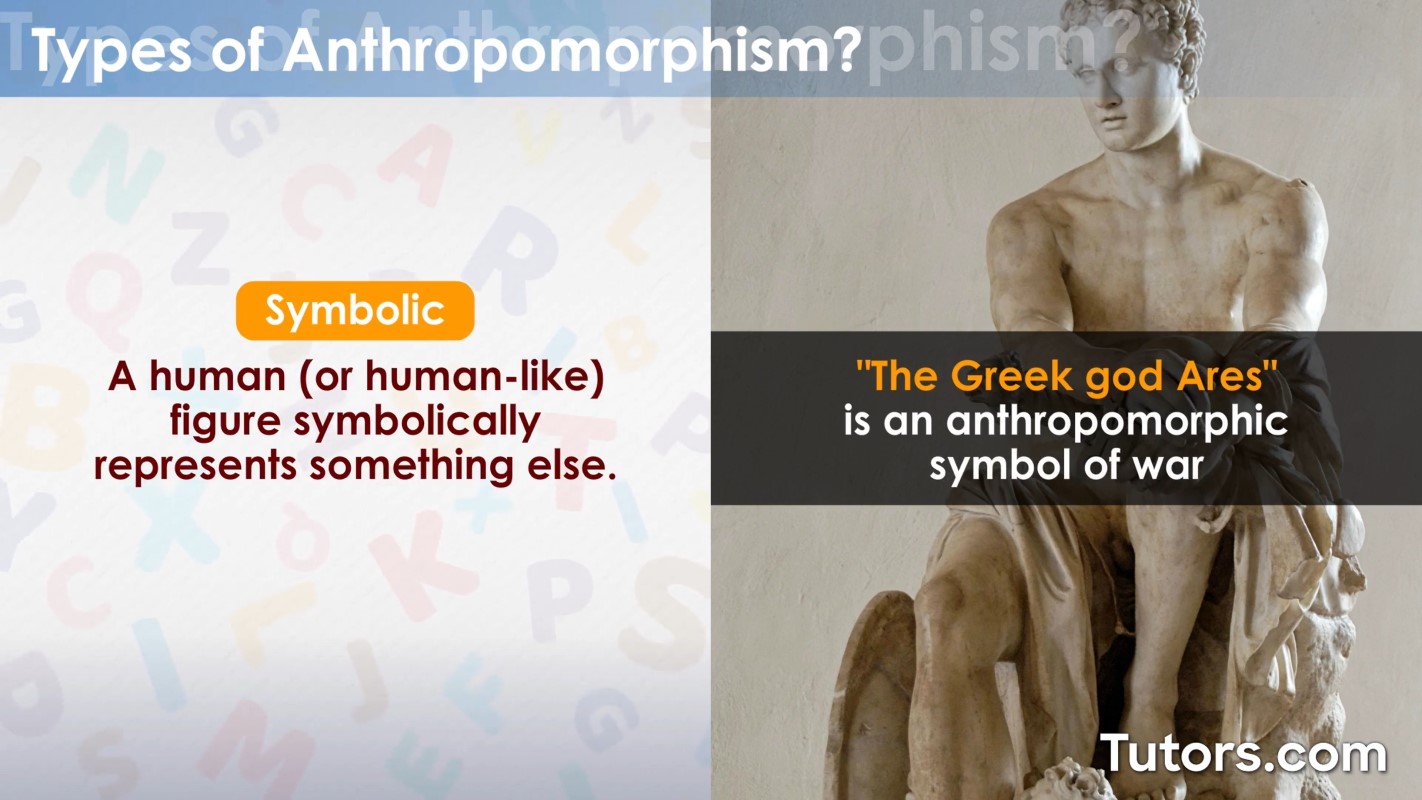
At its core, anthropomorphism serves as a cognitive balm, a scaffold upon which individuals project human qualities onto animals, objects, or even abstract concepts. This projection is not mere fanciful whimsy; it is an adaptive mechanism. When faced with existential isolation or social deprivation, the human mind instinctively assigns familiar traits to its surroundings, thereby fabricating a semblance of companionship. This substitution elucidates a fundamental truth—humans possess an inherent drive toward social connection, so potent that the mind invents interlocutors when none are present.
Imbuing an inanimate object, such as a cherished stuffed animal or a digital assistant, with emotional significance can significantly mitigate feelings of loneliness. The anthropomorphized entity becomes a surrogate social partner, offering comfort, predictability, and even perceived empathy. This psychological transposition suggests that anthropomorphism is less about deception and more about cognitive survival, highlighting the mind’s versatile strategies for maintaining emotional equilibrium.
Loneliness: More Than Physical Solitude
Loneliness transcends mere physical isolation; it is a complex emotional state that signals a discrepancy between desired and actual social relationships. This internal sensibility can manifest even amidst crowds, revealing itself as an emotional chasm rather than a geographic one. Such loneliness can precipitate a profound sense of alienation, which traditional social interactions sometimes fail to ameliorate due to their transient or superficial nature.
Within this context, anthropomorphism emerges as a compelling countermeasure. The human brain, craving meaningful engagement, often seeks to fill relational voids through imaginative attribution. Psychologically, loneliness activates the same neural circuits that underpin social cognition, thereby intensifying the impulse to anthropomorphize. This reveals a paradox wherein loneliness, often perceived as a social deficit, simultaneously fuels imaginative social constructs that obscure the stark reality of isolation.
The Role of Technology in Amplifying Anthropomorphized Companionship
Technological advancements have dramatically expanded the canvas upon which anthropomorphism is painted. Artificial intelligence, robotic pets, and virtual assistants increasingly serve as canvases for human projection. Loneliness, especially amplified during periods of social upheaval or personal strife, drives individuals to invest emotional energy in these entities, perceiving them as quasi-social agents capable of empathy and responsiveness.
These interactions, though mediated by code and circuitry, can evoke genuine emotional reciprocity. The deluge of personalized responses and adaptive behaviors exhibited by smart technologies deepens the illusion of companionship. Consequently, the boundary between anthropomorphism and genuine social relation blurs, challenging traditional demarcations between animate and inanimate, real and imaginary. This shift raises profound questions about the evolution of human social needs in tandem with technological progress.
Cultural and Developmental Dimensions of Anthropomorphism
Anthropomorphism is not merely an individual psychological process; it is deeply embedded within cultural narratives and developmental stages. From childhood, humans are conditioned to attribute human characteristics to animals and objects as part of storytelling and social learning. This cultural embedding strengthens the propensity to anthropomorphize later in life, especially when confronted with emotional challenges such as loneliness.
Different cultures may manifest varying degrees of openness to anthropomorphizing. In some societies, relationships with animals or inanimate objects are ritualistically sanctified, providing a socially endorsed framework for such projections. In others, anthropomorphism is more subtly woven into media and entertainment, normalizing its occurrence and shaping the collective psyche’s receptivity. Understanding these dimensions sheds light on how deeply anthropomorphism is interwoven with human social fabric and emotional wellbeing.
Implications for Mental Health and Emotional Wellbeing
Closely entwined with loneliness, anthropomorphism carries significant implications for emotional health. On one hand, it can serve as a protective psychological buffer, reducing anxiety and providing a sense of emotional support. For individuals experiencing chronic loneliness or social anxiety, anthropomorphizing pets or objects may offer a crucial outlet for affective expression and social simulation.
Conversely, excessive reliance on anthropomorphism can mask underlying issues, deterring individuals from seeking genuine human connections. When substituted for authentic relationships, these projections might reinforce withdrawal and intensify feelings of isolation in the long term. Therapeutic approaches that acknowledge the nuanced role of anthropomorphism can better guide individuals toward balanced social reintegration while respecting their coping mechanisms.
The Future of Social Bonds: Redefining Connection Through Anthropomorphism
As society advances into increasingly digital and hybrid interpersonal landscapes, the frontier of human connection is poised for transformation. Anthropomorphism, once deemed a curious psychological quirk, now reveals itself as a pivotal element in navigating loneliness and forging novel relational paradigms. This evolving dynamic invites a redefinition of what it means to connect, empathize, and belong.
Emerging technologies will undoubtedly continue to blur boundaries, engendering connections that transcend traditional human-to-human interaction. The psychological and philosophical implications demand careful inquiry, probing not only how we combat loneliness but also how we reconceptualize companionship itself. By embracing the profound intersections between anthropomorphism and loneliness, society stands at the cusp of a renaissance in understanding emotional connectivity, illuminating new pathways toward human flourishing.
Thus, the interplay between anthropomorphism and loneliness challenges existing paradigms and beckons a transformative shift in perspective—one that views human emotionality as adaptable, inventive, and invariably entwined with the worlds we imagine and create around us.